

Now that you’ve made it to Tokyo, you’re probably excited to visit Tokyo’s gay hub, Shinjuku Nichome. For first-timers and newcomers, this neighborhood may, at first, feel a little daunting — or perhaps you don’t even know how to get there. In this guide, we intend to give you a bird’s-eye view of our favorite place in Tokyo.
You’ll learn the basics of how to get to Nichome, what you can do there, and some more interesting tidbits along the way. We’ll also be linking to some more in-depth guides, so if anything here catches your interest, you’ll be able to learn more. Without further ado, let’s visit Japan’s gayborhood, Shinjuku Nichome.
What Is Shinjuku Nichome?
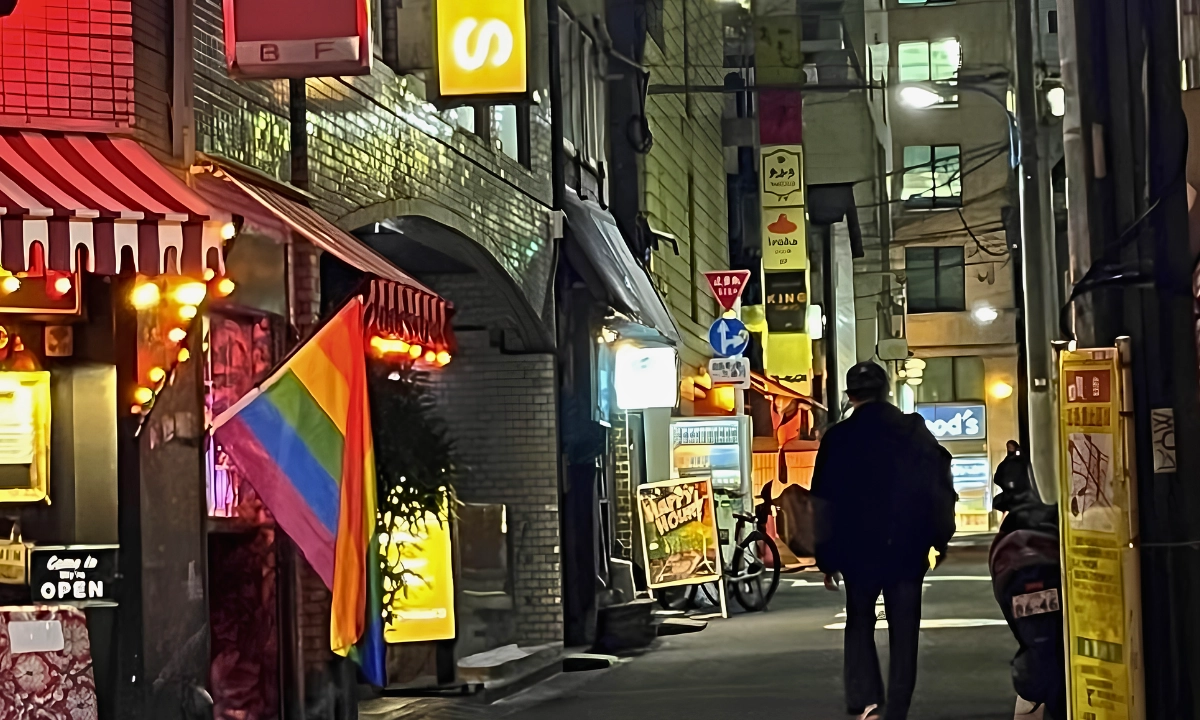
As you know, Shinjuku Nichome is the center of gay culture in Japan. When we call it Japan’s “gayborhood,” we mean it: while it is very much Tokyo’s beloved and vibrant LGBTQ+ district, it is also a neighborhood. People live and work here, and while bars, clubs, and 居酒屋 are the main draw for many, it is also a hub of community among LGBTQ+ people.
All these aspects of gay life exist within the neighborhood of Shinjuku Nichome. As a note, you may have seen the area written “Ni-chome” or “2 Chome,” in addition to “Nichome.” All of these are acceptable, and there is no rule that any one spelling of the Japanese (2丁目) is more or less correct than another.
Getting to and Getting Around Shinjuku Nichome
So how do you get there? Can you just get off at Shinjuku Station? Well, yes: if you arrive at Shinjuku Station — served by the Yamanote Line, the Chuo Line, the Chuo-Sobu Line, the Saikyo Line, and the Shonan-Shinjuku Line, to name a few — then Shinjuku Nichome is approximately a ten-minute walk south from the East Exit.
There are closer options, however. The closest station is Shinjuku-sanchome Station, served by the Marunouchi Line, the Fukutoshin Line, and the Toei Shinjuku Line. At this station, leave via exit C8, and it’s just a one-minute walk to Nichome.
You can also get off at Shinjuku Gyoenmae Station. From exit 1, Nichome is a mere two-minute walk away.
Once you arrive, one thing you need to bear in mind about Nichome — and Tokyo generally — is that not everything is on the ground floor. As real estate is hugely expensive in Tokyo, people have been building up for decades. This means that there’s a good chance that a bar or club that you have heard about or seen online may not be on the ground floor. Although some buildings are more accessible and have elevators, some do not. It is a good idea to check beforehand if you or someone you are going with have mobility concerns.
What to Do in Shinjuku Nichome
As you’ve probably worked out by now, Nichome is not just the spiritual home of everything LGBTQ+ in Japan, but it’s also a nightlife hub — but that’s not all it is! Let’s run down the places to go and things to see!
Bars and Nightlife
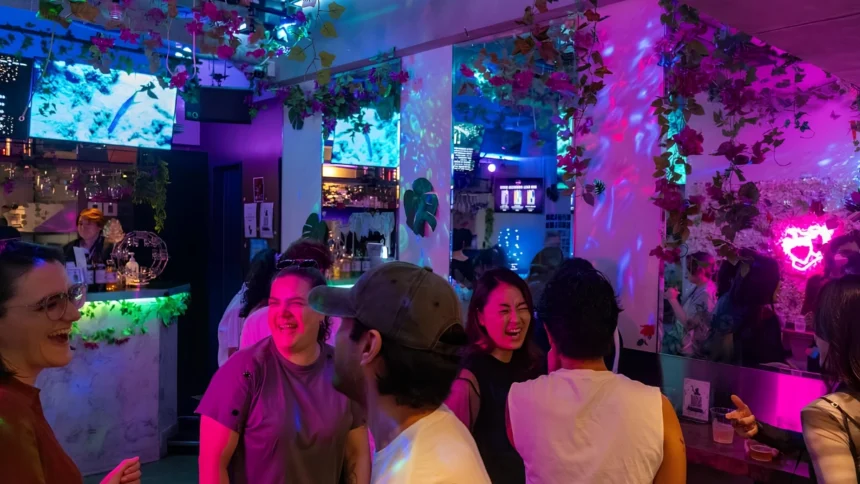
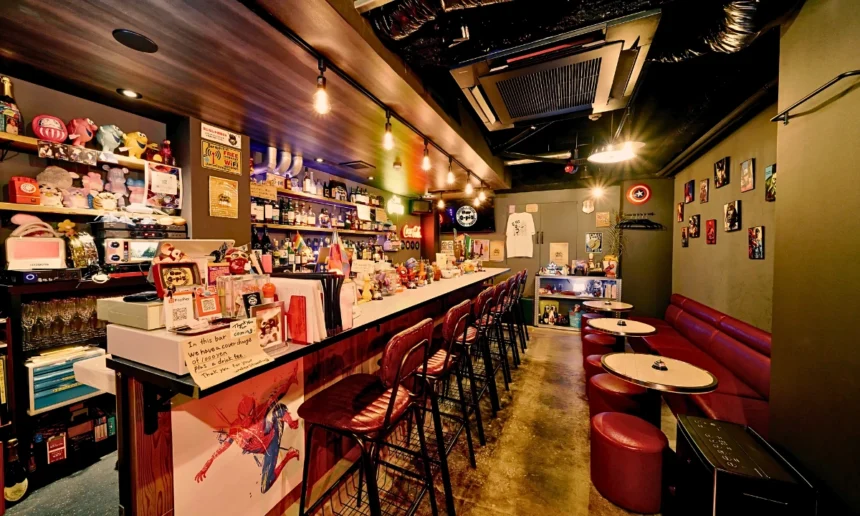
This is the big appeal of Nichome for many. With approximately 300 bars and clubs in a relatively small area, it can feel a bit like a playground for those looking for fun after dark. With so many options, both large and small, you’ll be sure to find somewhere you’ll enjoy a drink.
There are generally three types of bars in Nichome: shot bars, where you pay for your drinks as you buy them; snack bars, where you pay at the end; and mix bars. We’ll go into more detail on these below, but bear in mind that these bar varieties are not mutually exclusive: a shot bar may be mixed, for example.
There is also a great deal of variety in the bars that you can visit, including drag bars, muscle bars, and more. You might also notice more options for karaoke bars in Nichome than other areas: where karaoke in Japan is most often done in private rooms, in Nichome people love to get loud!
There are also a few cruising spots, such as 24会館 and Boiler Room. These will have their own entrance fees and dress codes, so make sure that they’re right for you before you enter.
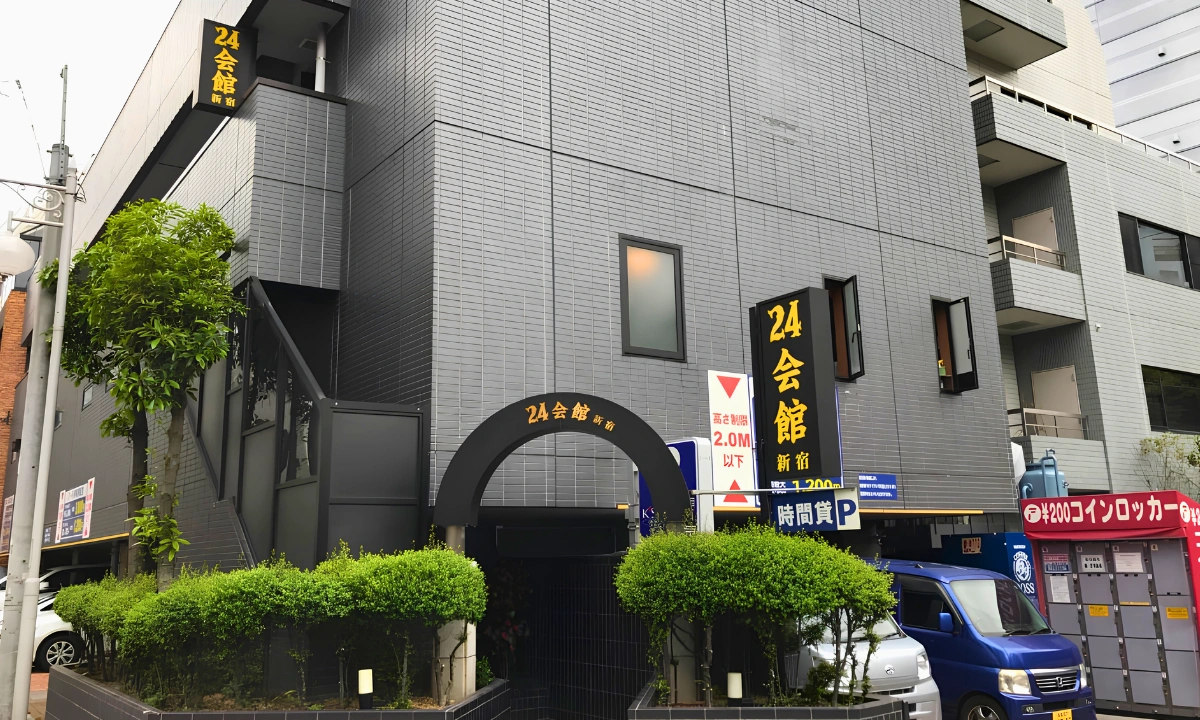
Entrance requirements, including age, sexuality, gender, and fees, will vary from bar to bar.
Food and Cafes
Nichome is not just a great place to drink, but a terrific place to eat. There are a number of options for people who want to whet their appetite before they wet their whistle. You can find a number of Japanese favorites, such as ramen, as well as more Western foods, with Mexican cuisine being popular among Nichome regulars.

Daytime and Cultural Stops
There’s more to do than just get your grub on or go drinking: those who want to know a little more about the neighborhood and its surroundings when it comes to culture also have options. You can see artworks, check out small locally-owned stores, and learn more about contemporary Japanese LGBTQ+ culture. For example, the community center akta is a place where visitors can go to find out more about Nichome or queer Japanese history, get advice on HIV/AIDS and other STI testing and safety precautions, or just sit down and use the WiFi for a little while.
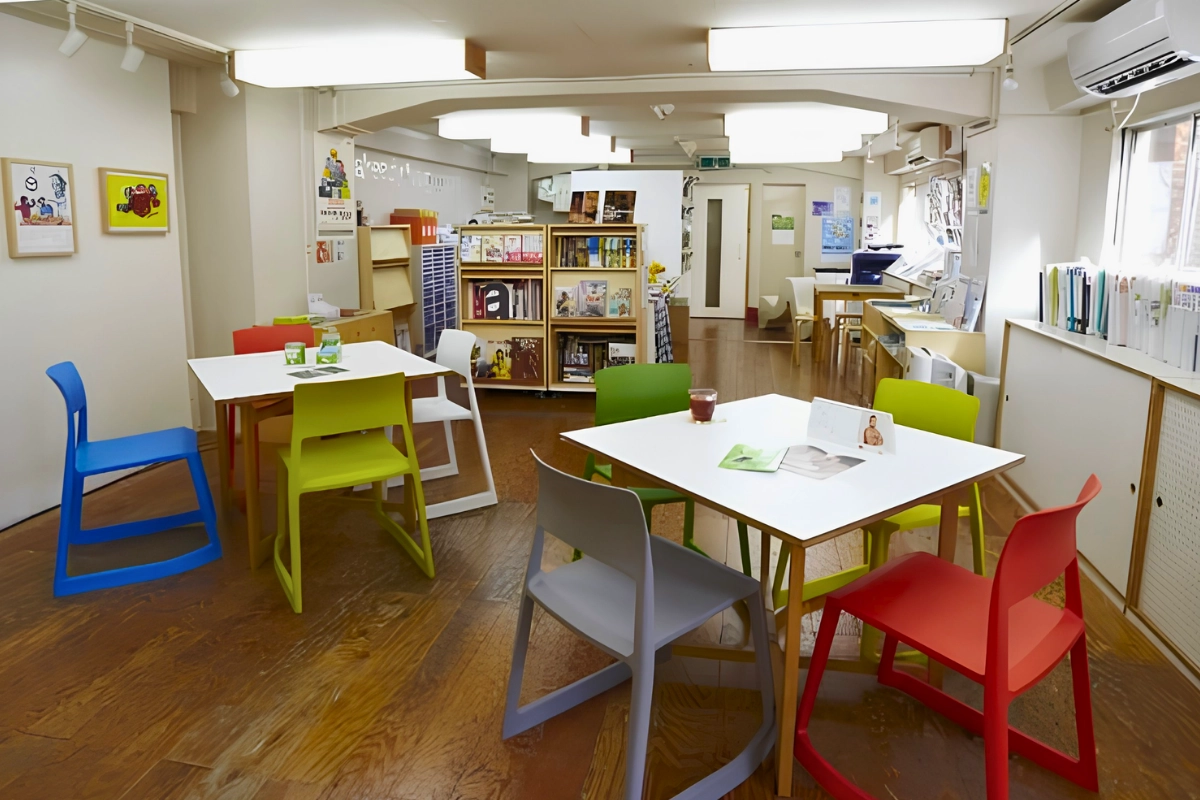
There are also stores in Nichome where you can buy underwear, blue movies, and adult toys that are open during the day.
What to Expect on Your First Visit
Just the thought of visiting Shinjuku Nichome for the first time can be overwhelming — with approximately 300 LGBTQ+ bars or other nightlife venues in such a small area, where should you go? What are they like? Is going out here different to going out in my home country? Worry not, first-timer, that’s what this guide is here for: to help you find your whelm.
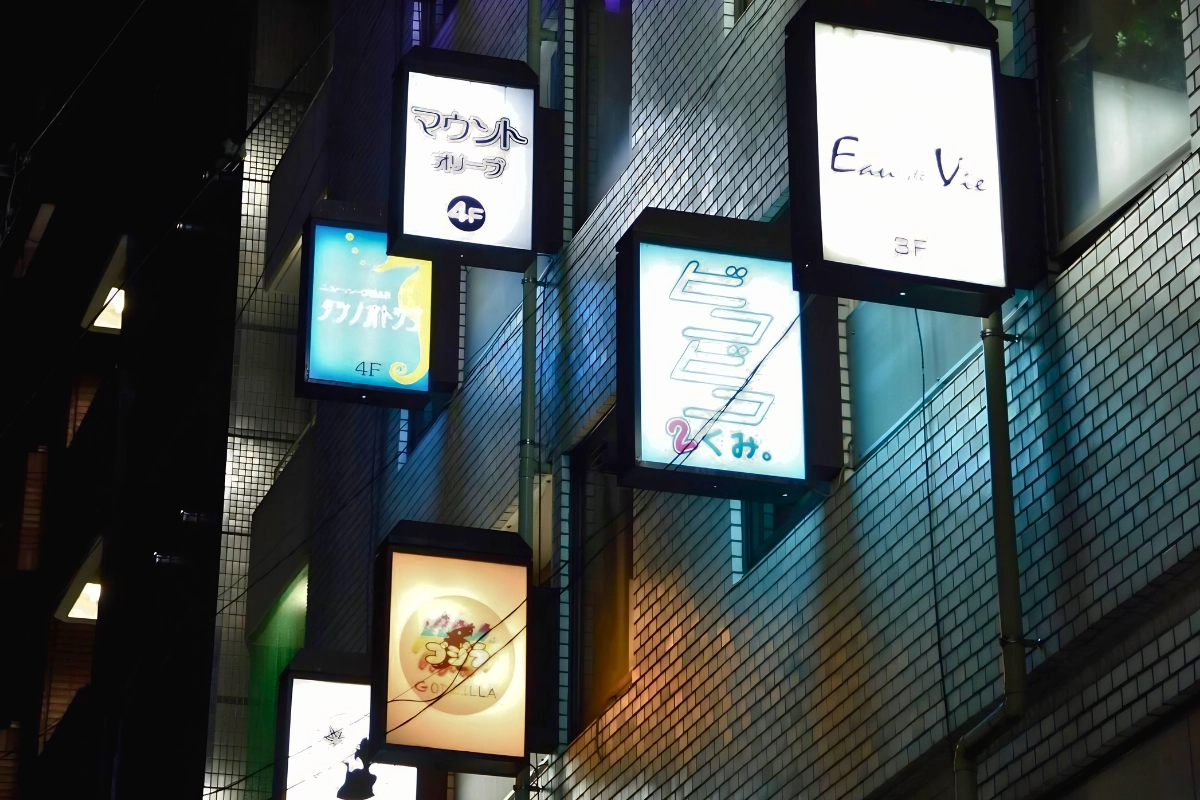
Firstly, consider the type of bar you want to go to. There are a few different kinds of bars in Nichome: there are gay bars that only allow men, lesbian bars that only allow women, and “mix bars.” Mix bars are venues where anyone is allowed in, regardless of gender identity. For someone who is unfamiliar with Nichome, mix bars are a good option to meet like-minded people, have a good time, and get tips about more specialized bars that might be right for you.
Some mix bars may primarily cater to one type of clientele, however. For example, Bar Gold Finger is a lesbian bar that allows men to enter six nights a week (if accompanied by a woman), but only allows women on Saturdays. Alternatively, there may be different entrance prices or incentives, such as at Dragon Men, where men receive two free drinks when they pay entry, as opposed to women, who receive one.
You should also be aware that different venues will have different levels of language support. Nichome attracts an international crowd, so some bars will have staff who speak English or other languages. However, you shouldn’t assume that this will be the case at every bar. This is Japan, after all, so most places will be focusing on a Japanese clientele.
If you’re going in the daytime, you can also visit cafes and community-centred establishments. These are great places to meet with someone in a relaxing area, and a lovely way to spend some quieter time in the gayborhood — as well as see how different it looks in the daytime!
Finally, there are a few matters of etiquette to consider while you’re in Nichome. Firstly, while tipping may be normal in your home country, it is rarely done here in Japan. You shouldn’t tip bar staff, though you may offer to buy them a drink as a way of expressing gratitude, if you wish. You should also never assume someone’s gender or sexuality while you’re here. Be aware also that some bars are members-only, and you may be denied entry if you are not a member. Finally, taking pictures of other people without their permission is not the done thing. Always ask someone before you take a picture of them.
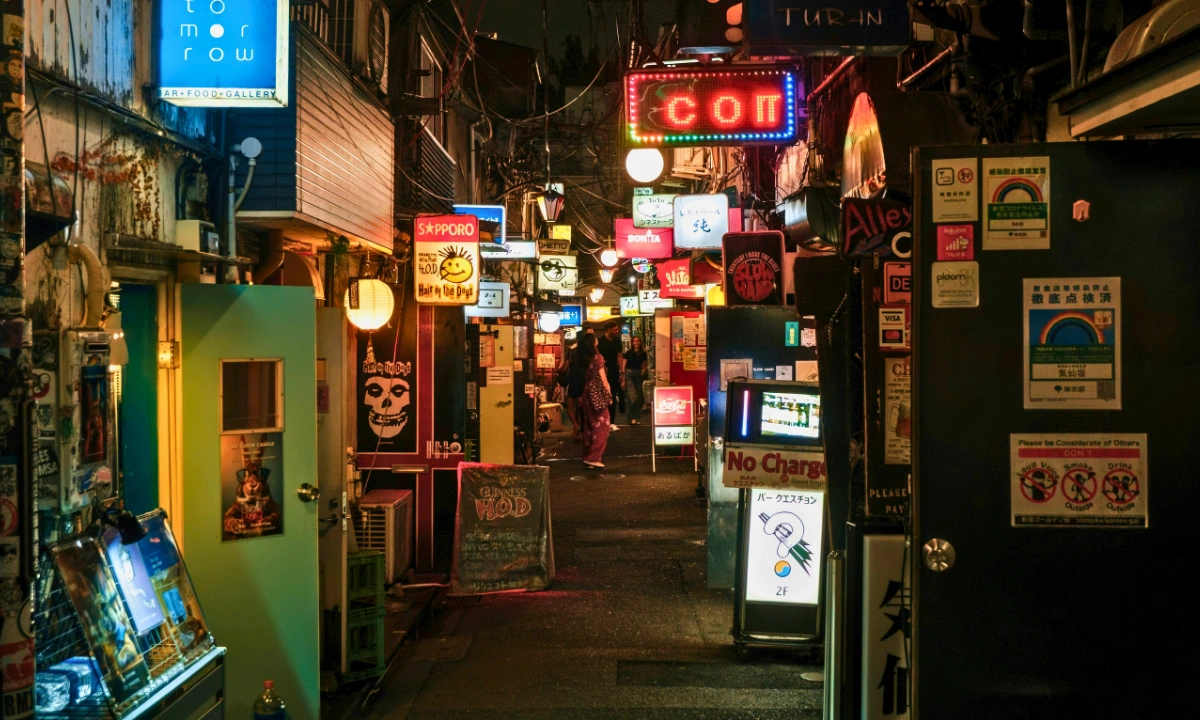
Finally, don’t forget about getting home. Unlike a lot of world cities, Tokyo does not have a 24-hour public transit system, and trains generally stop at around midnight. Make sure you wrap up your fun in time for the last train, or you may have to pay for a taxi back, which could be expensive.
Nichome’s Culture and History
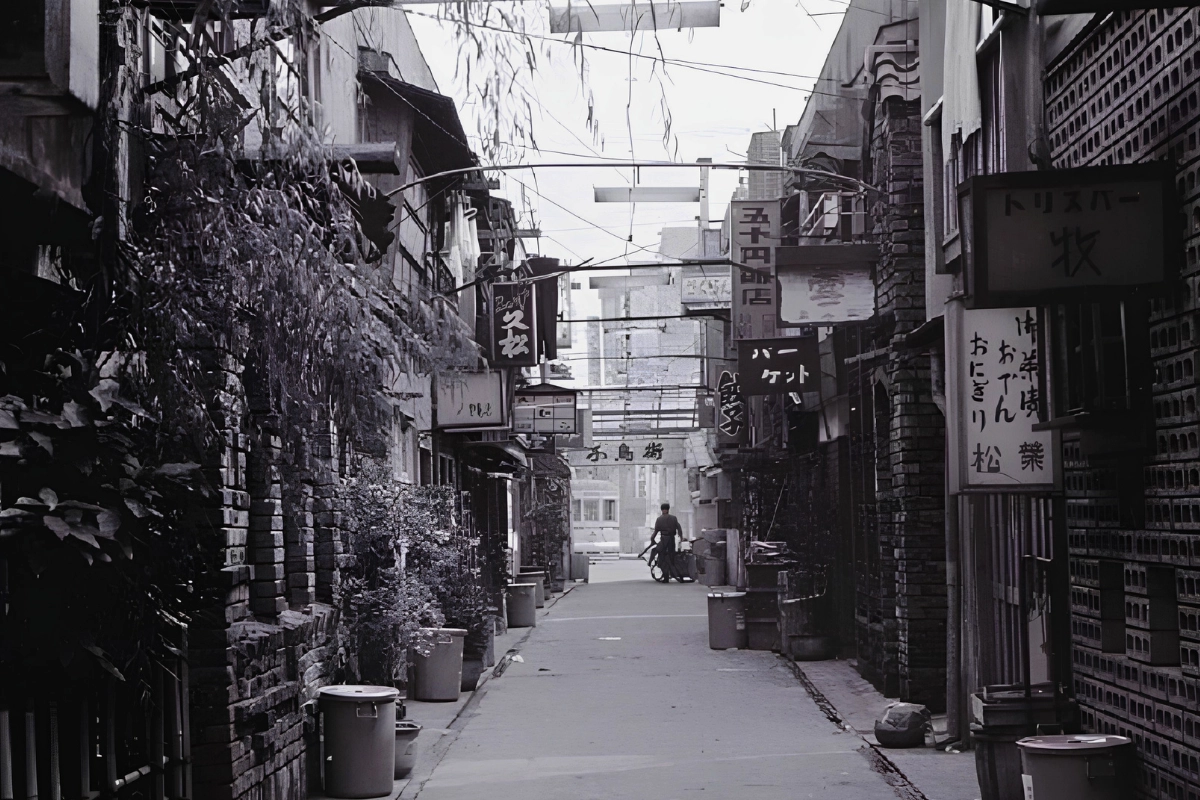
Many newcomers may wonder: why did Shinjuku Nichome become Tokyo’s LGBTQ+ capital anyway?
Following the destruction of much of Tokyo during the Second World War, Shinjuku became a hub for black market activity. In the devastated city, anything was for sale — including sex. Even as the black markets began to be swept away, Shinjuku Nichome remained as a “red zone”, an area where sex work was tolerated. In an area and atmosphere where sexual desires could be indulged in if one could afford it, gay bars began to open.
However, the enforcement of the Anti-Prostitution Act in 1958 led to the closure of the brothels in the area. For a long time, the area was underdeveloped and had relatively low rents.
では 1960s and 1970s, as gay bars were forced out of other areas of Tokyo that were being developed, such as nearby Chidori-gai, they re-established themselves in Shinjuku Nichome, alongside students and radicals, creating a counter-culture atmosphere perfect for sexual minorities. As times went on, rents increased and the radicalism of the 1960s and 1970s fell away — but the gay bars remained.
Planning Your Visit
Now that you’ve got the basics down, where would you like to go? Well, worry not: we offer both standardized and custom tours にとって gay men そして lesbians to take you through our adopted home. Come and join us!
For places to have a drink, check out our guide on gay bars we recommend, or some of our favorite lesbian bars. If you’re in the mood for dancing, check out some of these gay nightclubs. If you’re feeling hungry, then check out this article on the best Nichome places to eat.