

The Top Spot to Buy LGBTQ+ Books in Tokyo: Loneliness Books

Tobias Waters

A Bookworm’s Dream Rainbow Store

Tokyo, as I hope we have made clear for any and all of our curious readers, is a great place to live and visit for queer people when it comes to nightlife and media. Sometimes, though, we all just want to curl up with a good book — or, even better, discuss and debate the works you’ve just so carefully poured over.

While not impossible, having a quiet chat about the merits of, say, Ginga Kondo’s newly released Feminists Play Video Games can be a decidedly difficult on Dragon Men’s dance floor. Luckily, we have a literary location for anyone looking to get their reading material in a spot where they can chat with people, relax in a quiet atmosphere, and explore progressive works not just from Japan, but all over Asia. Don’t let the name fool you: it’s time to make friends at Loneliness Books.

Visiting a Unique Tokyo Bookstore

lonliness book 2

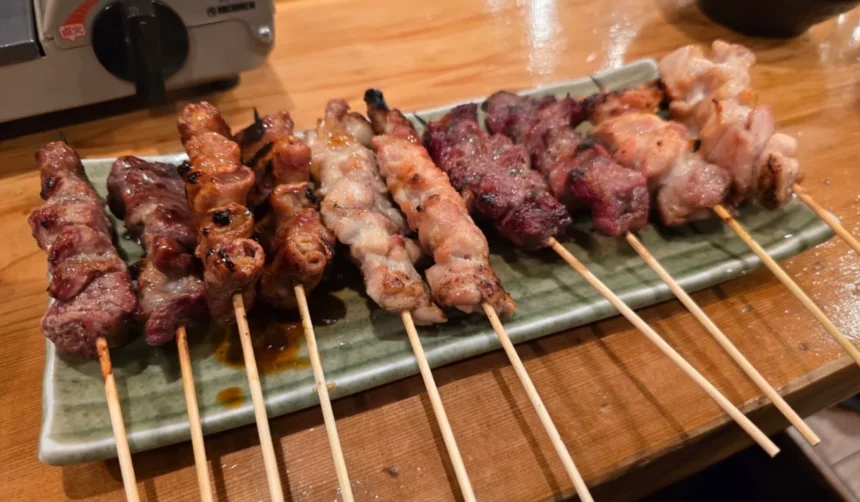
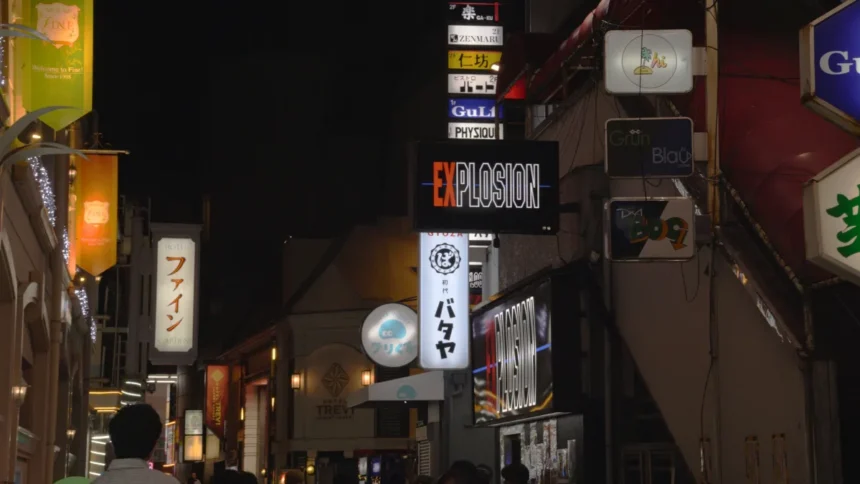
One thing that will make Nichome regulars feel right at home when they head to Loneliness Books for the first time is that is is satisfyingly tucked away. Stepping out of Higashi-Nakano Station, you might begin to wonder if you’re in the right spot, before — after passing some tempting ramen and grilled meat joints — you come across platform3, the building which is home to Loneliness Books, and see the sign telling you to climb the stairs to the fourth floor.

Even before you walk through the doorway, you know that you’ve entered a Tokyo store that is not just a place to buy books, but is a real calling. You’re greeted at the portal with posters and fliers declaring, “No War,” “Free Palestine,” and “Boys Will Be Boys Good Humans,” alongside a レズビアンの旗 ribbon, and a callin Japanese for marriage equality.

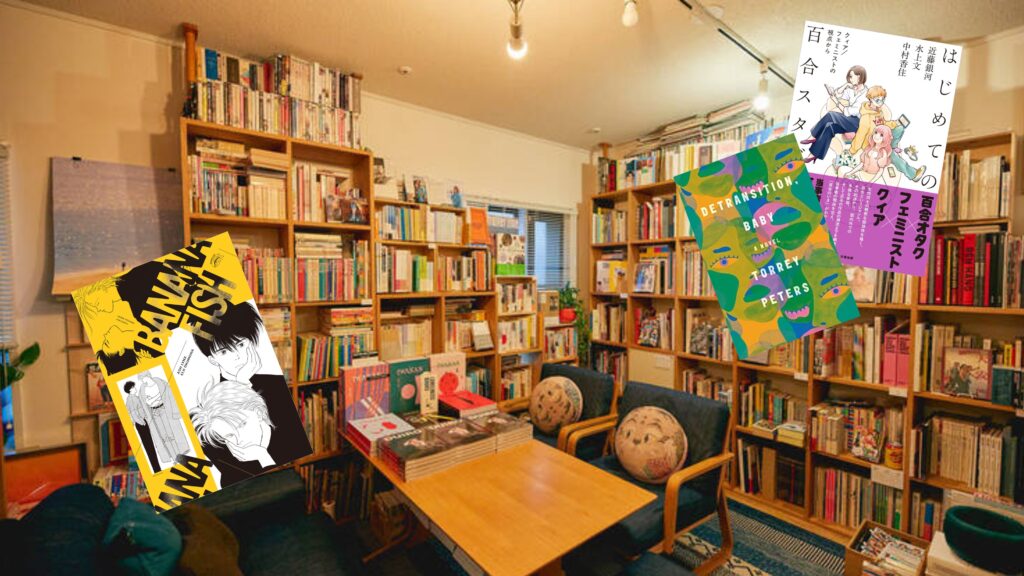
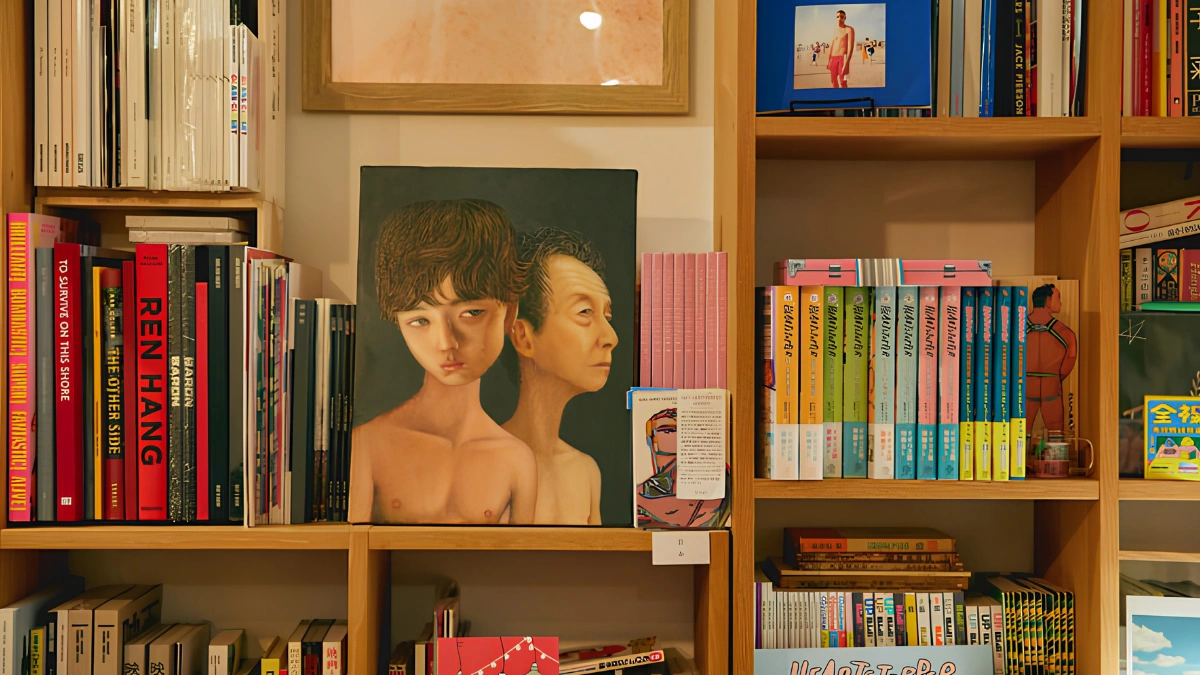
As you enter, the organized chaos of tables, stacks of books, pamphlets, leaflets and zines discloses the distinct and unmistakeable vibe of a well-curated, well-loved independent bookshop. This is also reflected in the diversity of the works available to peruse. In addition to relatively mainstream queer manga works, such as Banana Fish, to risque short works, film photography books, novels like Detransition, Baby translated in Japanese, and academic volumes, such as Hajimete no Yuri Studies.

Another thing that will come as a welcome surprise to many is the proliferation of works from Asian countries and creators outside of Japan. This helps to amplify the voices of like-minded people from across the continent in a way that almost no other book store in Tokyo does, as well as repaying a spiritual debt to the course of events that led to the founding of Loneliness Books. To help us understand and explore the history and philosophy of the store, we spoke to one of its founders, Yo Katami.

Up Close with Yo Katami, Founder of Loneliness Books

lonliness book3

As we sat down on the comfortable sofa at at the edge of the store, Katami explained to me the history of the store, and how it came to take its current form. Like a lot of queer and radical spaces, Katami and his friends took inspiration from their community, both in Japan and abroad.

“In May 2019, at Tokyo Rainbow Pride, a group of us who make zines, mainly focused on queer issues, particularly Asian queer issues and feminism, set up a booth. In Tokyo, there weren’t many opportunities to pick up and look at independent zines or publications related to queer issues and feminism at festivals like that.

“On the other hand, when I went to the Seoul Pride Parade, there were lots of booths set up by people making independent publications, and I thought that was really interesting, so I wanted to do something similar in Tokyo. Initially, rather than running a bookstore, I was more of an exhibitor, bringing my zines to events and letting people look at them and buy them. Then, the pandemic hit.”

The onset of Covid-19 and the associated changes that took place around the world meant that in-person activities were somewhat curtailed, but Katami opened a small space in his own home, to allow people to visit and peruse zines, books, and more that focused on Asian queer and feminist matters. However, the small space meant that, while there were many enthusiastic guests, visitations had to be by appointment only.

“What I originally wanted to do was not just introduce Asian queer zines, but also a place where people who actually come to Japan, or people who are doing such activities in Japan, or people who are want to be exposed to such things and start something, can gather,” Katami says. “So I wanted to rent a separate place like this.”

International Intersectionality

lonliness book4

Just as Seoul Pride had inspired him to create a booth for Tokyo Pride, so too was he inspired by queer booksellers from abroad in the creation of Loneliness Books.

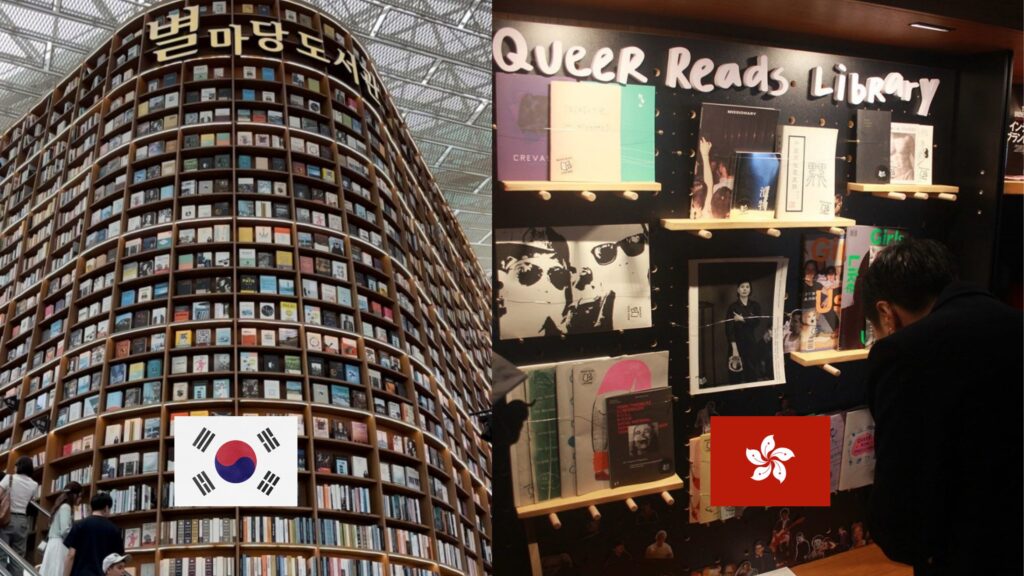
“I was greatly influenced by two projects: Sunny Books, a bookstore in Seoul, and Queer Reads Library in Hong Kong. What I particularly liked about their activities was that, for example, in Hong Kong people were creating zines at the time when the pro-democracy demonstrations in Hong Kong were quite intense, and people were taking to the streets of Hong Kong every day to participate in the demonstrations,” Katami explains.

“Seeing their activities in Hong Kong, I really wanted to do something like that myself, and I think that intersectional nature is really important. The problems that each minority group faces stem from the same issues and the same structure. This means that together, they can share ideas, and if each group changes its structure, then others will change as well, and even within minorities, there are people with various minority characteristics, including minorities with disabilities, and ethnic and religious issues. And naturally, the people in Hong Kong and the members in Seoul are also working together on various issues related to labor movements, and I want to do something like them.”

A Place For Queer People in Japan

Katami notes, and regular readers will be well aware, that there is something of a sense of delayed and sluggish progression when it comes to LGBTQ+ rights in Japan. While the Supreme Court has agreed to a full bench hearing on the constitutionality of the current ban on same-gender marriages (with marriage equality being a major banner for queer people and allies to rally behind), the government, and even many LGBTQ+ people, are conservative, and so a major positive shift is not inevitable.

That is why he believes that places like Loneliness Books can be and represent more for the community than just a place to buy the newest edition of a zine, or a classic text on film posters. It can act as a necessary third place — something Tokyo is notoriously short on.

“The city of Tokyo itself doesn’t have many places where people can gather. There aren’t many public squares, and even in the entertainment districts there aren’t any benches to sit on. The city itself is designed in a way that makes it difficult for people to gather — and for sexual minorities who are open about their sexuality, there are only a limited number of places like Shinjuku Nichome at night, or clubs. However, for people who are raising their voices and engaging in political movements, they can’t really talk about politics in regular gay bars, and so on.”

Being a place where people can come together and talk, discuss, debate and — most crucially — connect is therefore, in many senses, the most vital essence of Loneliness Books.

“Having a space like this where people can freely gather and talk about various things is very important, and I think that if there really aren’t places like this, the city will become even more stifling,” Katami says.

“Yes. It may not have much influence on society, but it’s a place where individuals can gather, replenish their energy, gain information from books, connect with others through books, or find the energy to create something themselves. It’s like a lubricant that smooths out people’s feelings and the flow of life, providing the energy to live in this society, this tough world.”

The World at Your Fingertips

Loneliness Books has also, through a combination of its Asian roots and influences, and its mission to spread knowledge and awareness through a conservative and — with the fall of the value of the yen in recent years — increasingly insular Japan become one of the best locations to learn about the cultures, politics, and lives of Japan’s nearest neighbors.

“Our store handles books from Asia, especially East Asia, in Korean, Chinese, and now we also have quite a few Thai books, and I think that’s what sets us apart from other bookstores. According to data from last year, only 17 percent of Japanese people have passports. But even if you can’t go outside, you can come here and experience all sorts of things. I hope this place will be used more and more as a place to look outwards, to encounter different languages and books from different countries,” Katami tells us. “We already have quite a few tourists from overseas, and also people who have moved to Tokyo to live here, so these people can find Japanese books and books from other Asian countries here as well. I really hope they will take the opportunity to experience different cultures and expressions from outside their own.”

With its diverse range of literature, comfortable surroundings, and welcoming, dedicated staff, not to mention its friendly visitors, the store may be called “Loneliness Books,” but rest assured that nobody who visits is ever alone.

トビアスは編集者、ライターとして10年以上働いており、ロンドンの法律系出版社でキャリアをスタートさせた後、2019年に東京に拠点を移した。 日本の首都に移ってからは、自動車、医療、ビデオゲーム、経済、ワイン、教育、旅行など、さまざまなテーマの記事を執筆または編集している。日本で初めて発売されたCBDビールをレビューしたこともある! 余暇は映画鑑賞、ビデオゲーム、カラオケ、銭湯通い。好きなポケモンはシンクス、好きな食べ物はカレー。2008年の金融危機がいかに現代世界のすべてに影響を与えたかについては、決して黙っていない。
0 Comments
Inline Feedbacks
View all comments
0 Comments
Inline Feedbacks
View all comments