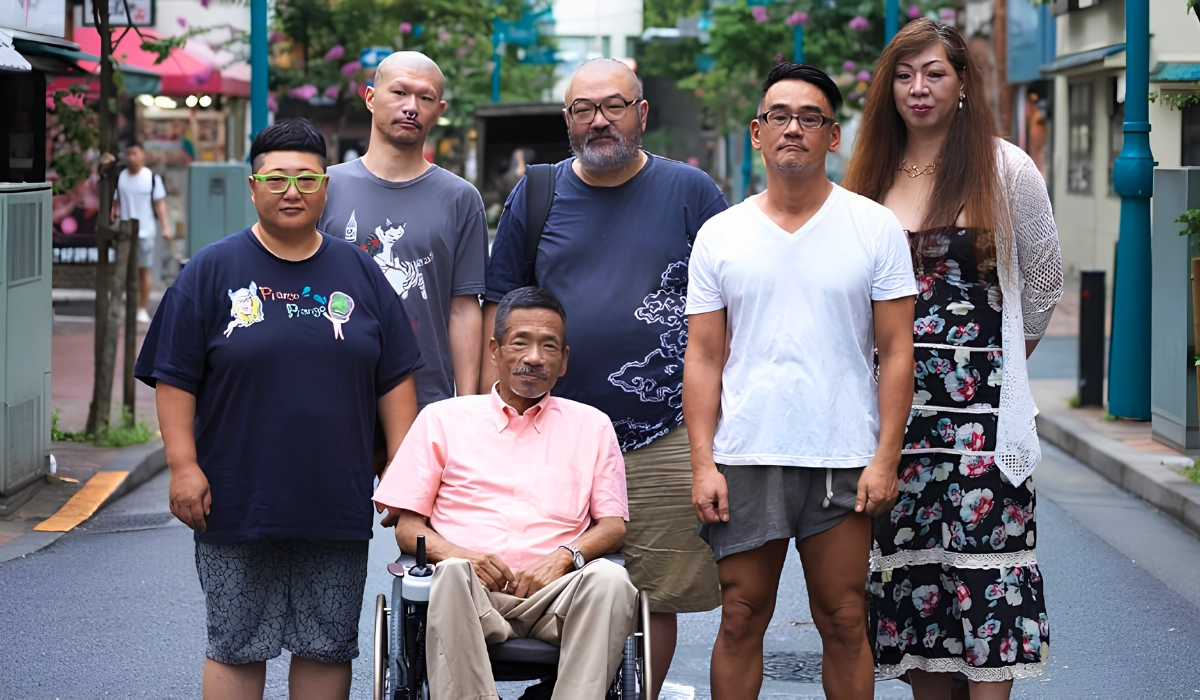

A Pioneering Japanese Queer Movie
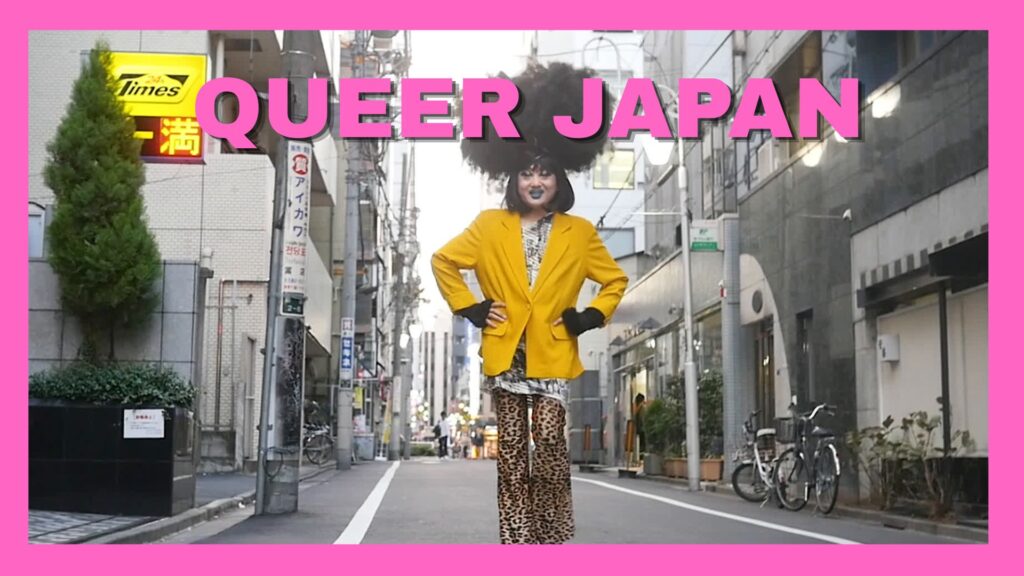
Much has been written (not least of all on this website) about the lives of queer people in Japan, and with increasing acceptance and understanding of LGBTQ+ people and lifestyles, media depicting them has become more prevalent. However, documentaries are still pretty few and far between. Not too long ago, we covered the Japanese transgender/x-gender documentary film ゼロ・アー・ユー・アー, but today we’re going to be looking at one of the most influential queer films in this space, クィア・ジャパン, directed by Graham Kolbeins.
Released in 2019, before the dark days of the Covid-19 pandemic and during an upswing of positive attention towards the LGBTQ+ community in Japan (what is described in the documentary as a “queer boom,” which seems far distant from much of what we see in the news cycle these days), it showcases over a dozen LGBTQ+ people in Japan. Indeed, it could be thought of as an entry-point for people interested in learning about the multiple lives and perspectives of LGBTQ+ people of all walks of life. So, let’s walk with them as we watch クィア・ジャパン!
The Format of クィア・ジャパン
クィア・ジャパン is made up of a large number of direct-to-camera explanations from the subjects about their lives, their struggles, and their joys. The first person we are introduced to is Atsushi Maeda, who describes how, by living his life the way he wants to — as an artist, a dancer, and a gay man — many people might think he is “hentai,” or “abnormal.” However, he muses that, “this is all I can do.” Maeda is not the narrator (there is none), but makes several reappearances through the film, both to introduce and guide the viewer through new concepts (and his evolving sense of self), but also as something of a touchstone.
He is not the only recurring figure, and we will discuss those below, but what really sets this film apart from many other documentaries is the breadth of its scope. Compared to, say, ゼロ・アー・ユー・アー, which closely follows its subject, Takamasa “Sky” Kobayashi, or a Louis Theroux work that explores an issue, クィア・ジャパン instead gives us brief but compelling insights into the lives of people in Japan’s LGBTQ+ community, and includes both very famous and more everyday participants. It is made up of over 100 interviews, conducted over a period of four years, all across Japan.
Stand-Out Inclusions
In addition to Maeda, major figures who appear in the film include: Hiroshi Hasegawa, the founder of G-Men magazine, and one of the first HIV positive people in Japan; his colleague, bara manga legend Gengoroh Tagame, whose BDSM artwork has found fans all over the world; Aya Kamikawa, the first open transgender person to be elected to public office in Japan; Margarette, founder of the iconic fetish/kink party Department H; Fuyumi Yamamoto, a deaf LGBTQ+ activist; and Leslie Kee, Singapore-based photographer and brains behind the Out Japan project.
Such a wide spread of subjects means that there is a diverse range of viewpoints and life experiences that inform everyone’s interviews. There’s never a slow moment, as we range from discussing the wish for some to see their work as not being abnormal, while others work hard to actively stand out. Next, we might discuss the social considerations of sex work from an academic perspective before moving on to think about the intersectionality between sexuality and disability, or the ambiguity of identity that can come from more complex self-images and social and romantic relationships that mean that people go beyond the terms of just “gay” or “lesbian.”
Intra-Community LGBTQ+ Considerations

One interesting aspect to this documentary was that it really focused specifically on Japan’s LGBTQ+ community in and of itself: while it occasionally comes up, there is less of a juxtaposition with the non-LGBTQ+ Japan than western viewers might be anticipating. Rather, each interviewee takes the time to explain their own history, interests, and how they dovetail together.
This also highlights intra-community difficulties that some people can face. For example, during a lunch with other participants towards the end of the film, Tagame notes that, today, it would be utterly unacceptable to ask someone “why are you gay?” directly: this would be considered frightfully rude. However, people within (and without) the queer community are happy to ask him “why are you into BDSM?” in a way that he sees as being broadly similar: it’s just who he is, what business is it of yours? Others in the group agree, with Maeda noting that, even within what he had thought were “his people,” there were still divisions.
This is also highlighted in a segment regarding opinions on Tokyo Pride, which can (to simplify the discussion) be split along two lines: those who think Pride should be a party, and those who think it should be a protest. On the one hand, the more commercial incarnation of Pride that has emerged over the last decade or so gets major sponsors, meaning more money can be raised, and the promise of a weekend of fun even attracts ノンケ visitors, which proponents will argue helps promote understanding and tolerance.
Others, however, see the side-lining of the struggle, that any queer person living in Japan will tell you is still ongoing, is a betrayal of the radical roots of Pride in Japan and abroad. As interviewee Freddy Kitsu put it: “LGBTQ+ activism is about money and love and shit. I ain’t got no time for love. Every time I go to the public toilet, I get in trouble. I don’t feel safe.”
What Did We Think?
I very much enjoyed クィア・ジャパン, and would recommend it as a keen insight to the LGBTQ+ community in Japan (even if some aspects are, at this point, around a decade old). It has a breadth of scope not usually seen in documentaries that aim to document sexual minorities as both individuals and as a culture (including various subcultures, with BDSM and kink taking a prominent position in this regard).
One weakness is that with the impressive breadth, with a runtime of around 100 minutes, there is a degree of depth that one cannot help but feel has been sacrificed. The care taken to make it easy for the viewer to find the names of the people and locations portrayed mean that it is very easy for the viewer to use クィア・ジャパン as a jumping off point for their own research (and we at JGG will have a lot more to say about the Pride party/protest split, trust me), it is a shame there wasn’t just a little bit more depth or focus to some of the topics raised.
However, the quality, diversity, and authenticity of the interviews, and the movie as a whole, more than make up for this shortcoming. As I say, this is an easy recommend, and even if some aspects may be a touch outdated, the majority of what is here is timeless. Perhaps in watching the film, someone who feels alone, or conflicted, or confused, or frustrated, whether in Japan or elsewhere, will be able to see a little of themselves in one of the people in Queer Japan, and, to paraphrase Maeda, “learn to get rid of the phobia of ourselves.”