
新宿二丁目の歴史:東京のゲイ街

トビアス・ウォーターズ
IMG 6308

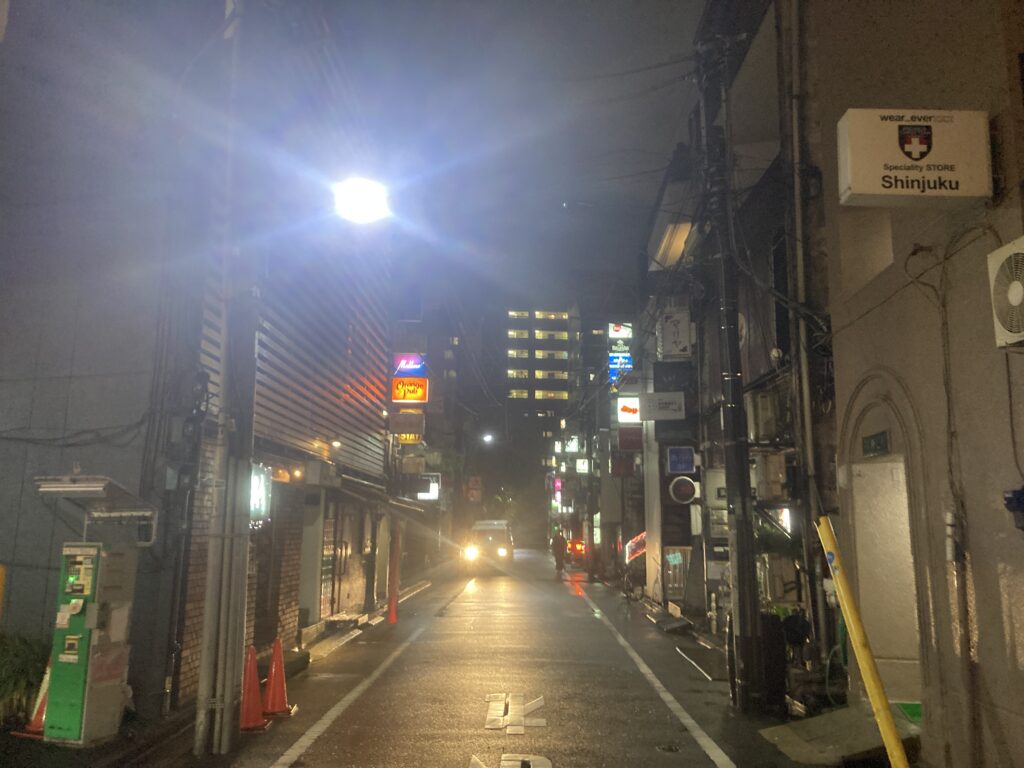
Shinjuku is famous for its nightlife, and the exciting things that visitors and residents can see and do there, in many places from dawn until dusk. Nowhere is this more true than in Nichome, the hub of Japan’s LGBTQ+ culture, and home to over 300 bars and clubs for queer people looking for a great night.

But how did Nichome become the biggest gaytown in Japan? Well, you can get an in-person explanation with more detail from one of our tour guides on a JGG Night Tour, but why don’t we go through some of the broad strokes to give you some background on the streets under your feet, and the lives that were and are lived there.

The Start of Something Saucy

IMG
https://www.nippon.com/en/japan-topics/g00800/

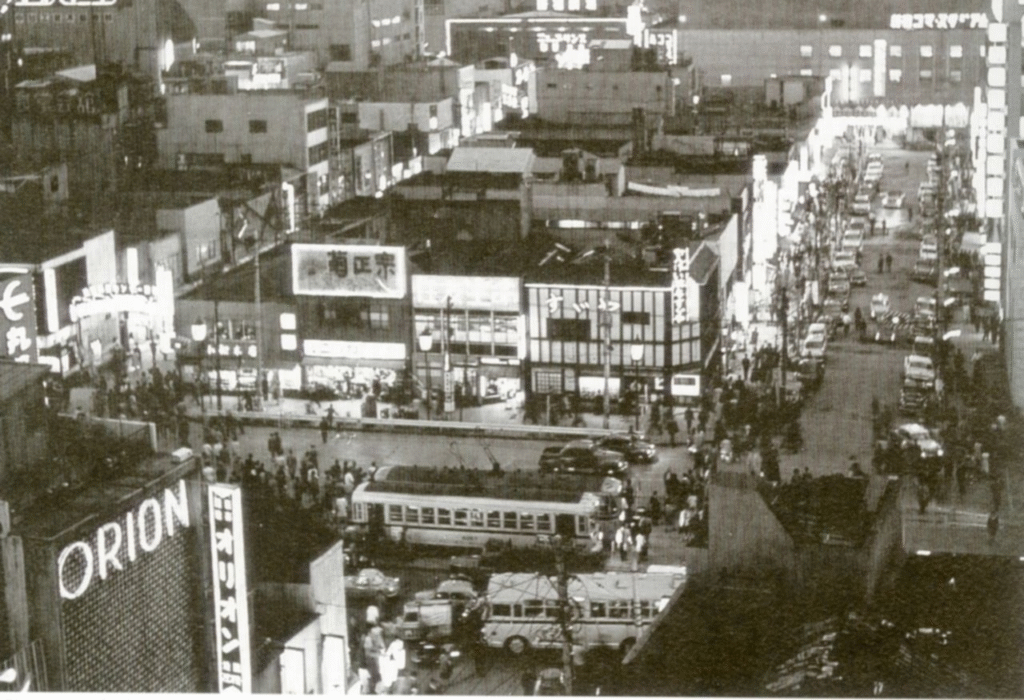
Shinjuku itself has a long history as ancestral lands of a Nagano-based feudal lord, known as a daimyo. However, since the end of feudalism that came about through the Meiji Revolution, the land has slowly become more and more the domain of the people. The land was already a good place for people to live and do business, but it became even more attractive following the 1923 Great Kanto Earthquake, as Shinjuku is more resistant to seismic shocks than many other parts of what is now the Tokyo metropolis, and much of it was unscathed.

Decades later, as a result of the destruction of much of Tokyo during the fire bombings at the end of the Second World War and the subsequent American occupation, many Japanese people needed money, and with much of the city’s infrastructure in ruins, sex work became prevalent among many, with “comfort stations” being opened for American soldiers.

Nichome soon became a well-known red light district, and with the rise of sex work in this space, so too came the space for gay establishments, which were also at the time considered morally dubious at best.

The Red Light Fades

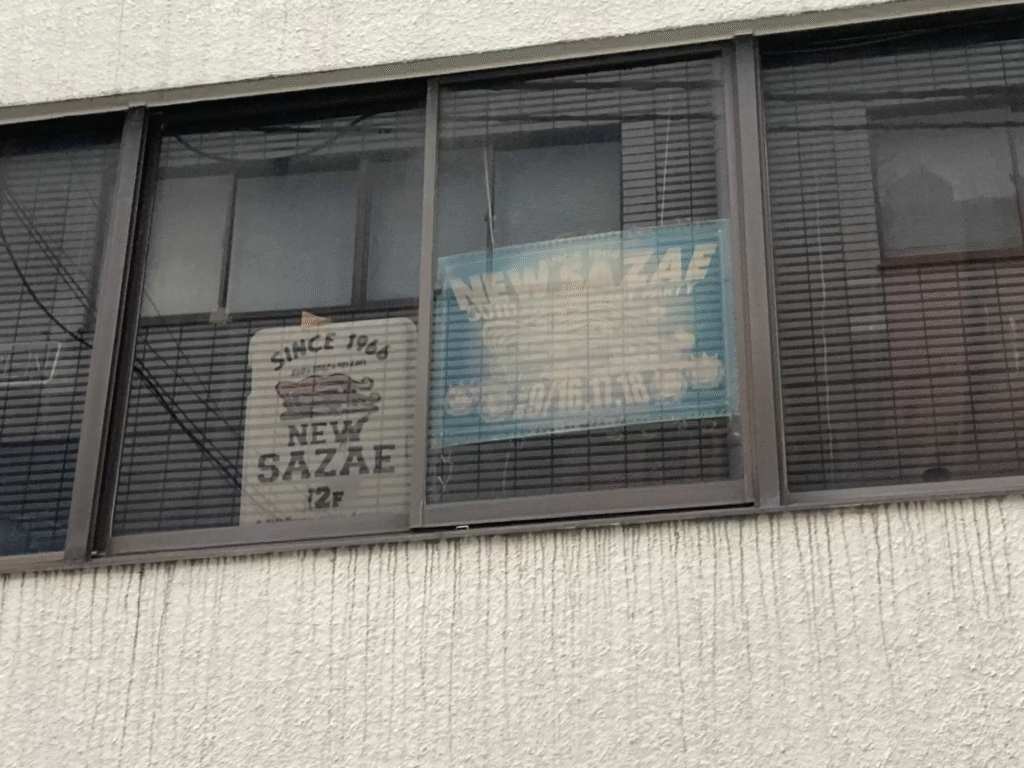
In 1958, prostitution was outlawed in Japan entirely, meaning that the sex industry, which was now driven underground, began to leave Nichome. However, the somewhat shady reputation that the area had now come to be associated with meant that rents in the area were cheap, compared to other areas in Tokyo. In addition, the fact that gay establishments, while frowned on by the public, were perfectly legal meant that those already in Nichome could remain, and so more gay bars opened in Nichome, drawn by a clientele that already frequented the area.

As the 1960s progressed, and radical movements swept the globe, Nichome became a hub for students and political activists to express themselves, and this spirit of counter-culture passion went hand-in-hand with the LGBTQ+ movement in Japan. Magazines such as Heibon Punch, which discussed issues relevant to the Japanese youth, regularly spotlighted Nichome and gay culture, further cementing its position as both the home of cool and the home of queer.

IMG1

Into the the New Century

As with many of the political and youth movements of the 1960s, eventually demands were either agreed to (the militant workers’ movements of the era are the reason for Japan’s very pro-worker labor laws) or fell away. However, LGBTQ+ people, the majority gay men, still needed safe places to go to drink and meet one another in peace, and with the possibility of a degree of anonymity.

As Nichome became more known as a place for queer people to have fun, it also began to emerge as a space for more serious issues that affected LGBTQ+ people. A counselling room for young gay men was opened there in in 1976, and in 1986 it was the site of Japan’s first candlelight vigil for those with AIDS, and in 2003, AKTA opened as a resource to educate and provide assistance regarding HIV and AIDS.

IMG2

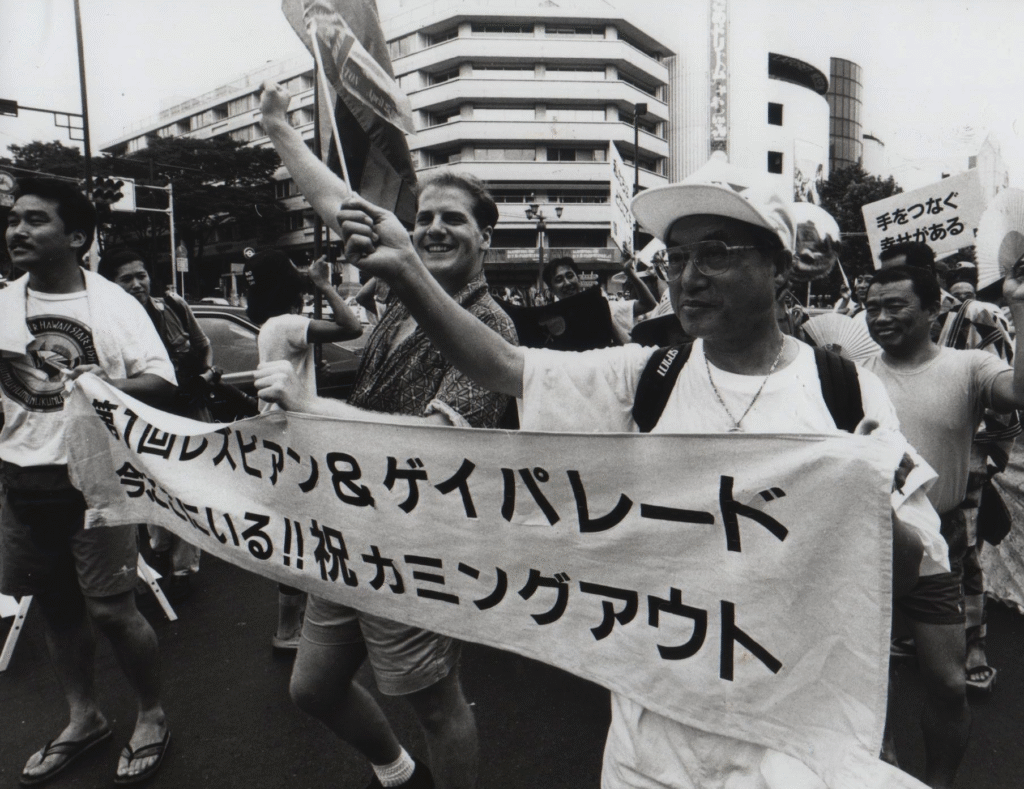
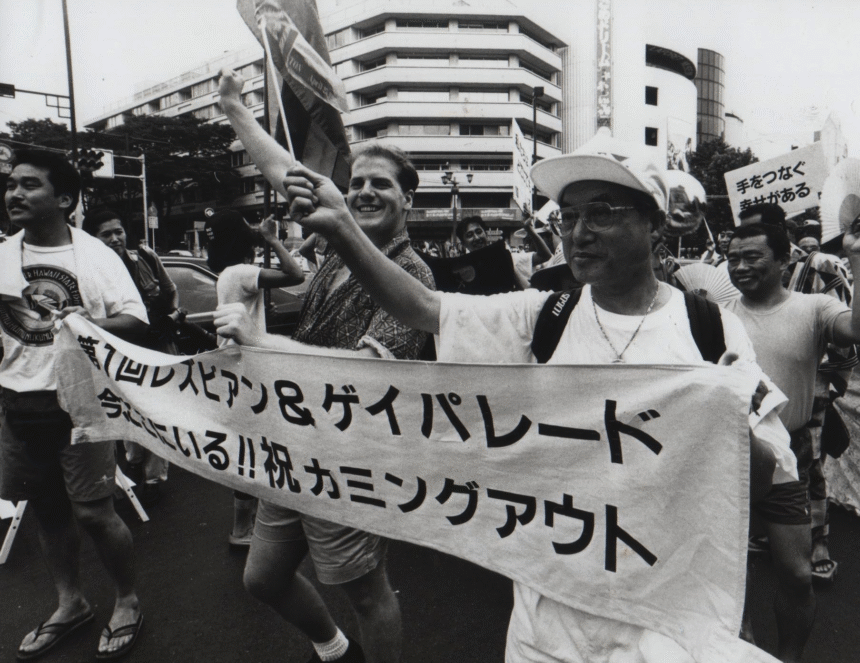
But the spirit of joy never left: Nichome was also the home of the first International Lesbian and Gay Film Festival — now known as Rainbow Reels — in 1992, and Japan’s first Pride March in 1994.

まとめ

Although there is still much to be done, and milestones yet to be reached, Nichome has continued to survive, and indeed thrive. New bars are opening, and in some cases what were once occasional events have blossomed into full-time establishments.

トビアスは編集者、ライターとして10年以上働いており、ロンドンの法律系出版社でキャリアをスタートさせた後、2019年に東京に拠点を移した。 日本の首都に移ってからは、自動車、医療、ビデオゲーム、経済、ワイン、教育、旅行など、さまざまなテーマの記事を執筆または編集している。日本で初めて発売されたCBDビールをレビューしたこともある! 余暇は映画鑑賞、ビデオゲーム、カラオケ、銭湯通い。好きなポケモンはシンクス、好きな食べ物はカレー。2008年の金融危機がいかに現代世界のすべてに影響を与えたかについては、決して黙っていない。