

-
ダニエル・ファウラー
投稿

Tachi and Neko Meaning: Japanese LGBTQ Slang Explained
In Japan’s LGBTQ community, you may hear the terms tachi (タチ) and neko (ネコ) in conversations, dating profiles or LGBTQ bars. They generally describe the...
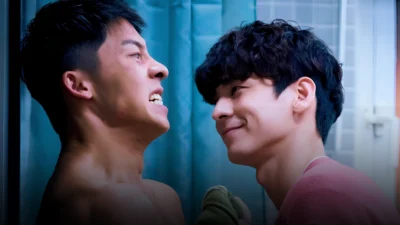
ノンケってどういう意味?日本のLGBTQ+スラング
ノンケ(ノンケ)は、異性愛者またはストレートの人を意味する、非公式な日本語のLGBTQスラングです。重要なのは、ノンケは性自認ではなく、性的指向を指すということです。.
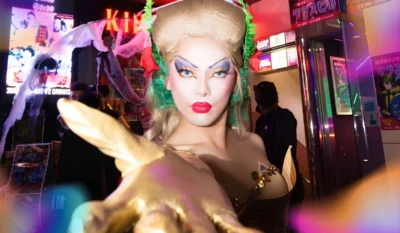
What Does Onee (オネエ) Mean in Japanese?
Onee (オネエ) is a Japanese term used to describe people with feminine-styled speech, behaviour, or public personas. It’s particularly used in entertainment, popular culture and...

「オカマ」ってどういう意味?日本のLGBTQ+スラング解説
オカマ(Okama)は、かつては女性的な男性、ドラァグパフォーマー、トランスジェンダー女性などを指す日本語のスラングで、現在では一般的に侮辱的な言葉とみなされている。.

What Does GMPD Mean? Japanese Gay Body Types Explained
At a glance Question Answer What does GMPD mean? Gacchiri, mucchiri, pocchari, and debu Where is it used? Within parts of Japan’s gay community Is...
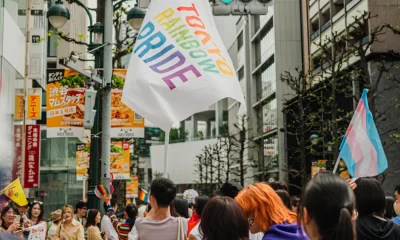
LGBTQ+ Pride Events in Japan
Japan does not have one nationwide Pride date. LGBTQ+ Pride parades, marches, festivals and community gatherings take place in different cities and at different times...
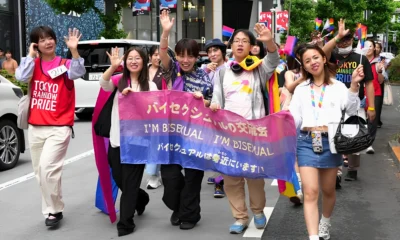
What Is It Like to Be Bisexual in Japan?
Being bisexual in Japan can be relatively straightforward in everyday life. However, that does not always mean bisexuality is fully understood or recognized. Many people...
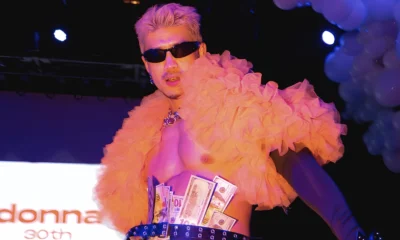
What Is a Gogo Boy? What Male Gogo Dancers Actually Do
A gogo boy is a male go-go dancer who performs in nightlife settings, such as clubs, parties, and Pride events. His role is to dance,...
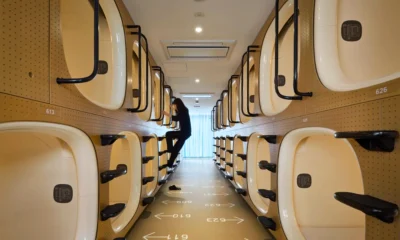
Best Capsule Hotels Near Tokyo’s Ni-chome for LGBTQ+ Travelers
Tokyo has no shortage of capsule hotels. If you want to stay near Ni-chome, these three offer different reasons to book: Shinjuku Kuyakusho-mae for value,...

世界で最も有名なドラァグクイーンたち
ドラァグクイーンはかつてないほど有名になった。かつてはアンダーグラウンドクラブやゲイナイトライフ、地元の美人コンテストのスターだったドラァグクイーンは、今や主流となっている。テレビのアイコンとして、.