

-
丹尼尔·福勒
帖子
Tachi and Neko Meaning: Japanese LGBTQ Slang Explained
In Japan’s LGBTQ community, you may hear the terms tachi (タチ) and neko (ネコ) in conversations, dating profiles or LGBTQ bars. They generally describe the...
Nonke是什么意思?日语LGBTQ+俚语
Nonke(ノンケ)是日语中LGBTQ群体常用的非正式俚语,指的是异性恋者。需要注意的是,nonke指的是性取向,而非性别认同。.
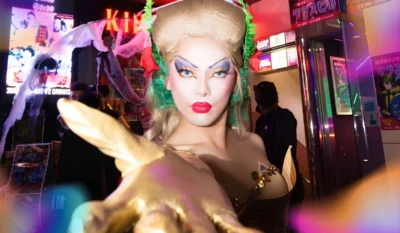
What Does Onee (オネエ) Mean in Japanese?
Onee (オネエ) is a Japanese term used to describe people with feminine-styled speech, behaviour, or public personas. It’s particularly used in entertainment, popular culture and...

‘Okama’是什么意思?日语LGBTQ+俚语详解
“Okama”(オカマ)是一个日语俚语,历史上曾用来指代举止女性化的男性、变装表演者和跨性别女性,现在普遍被认为具有冒犯性。尽管有些人…….
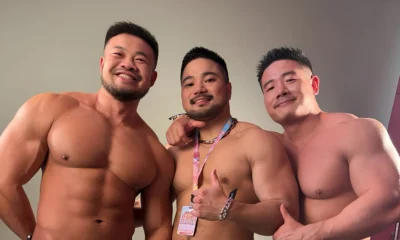
What Does GMPD Mean? Japanese Gay Body Types Explained
At a glance Question Answer What does GMPD mean? Gacchiri, mucchiri, pocchari, and debu Where is it used? Within parts of Japan’s gay community Is...
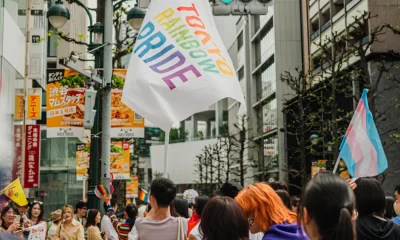
LGBTQ+ Pride Events in Japan
Japan does not have one nationwide Pride date. LGBTQ+ Pride parades, marches, festivals and community gatherings take place in different cities and at different times...
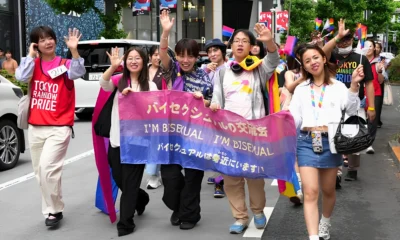
What Is It Like to Be Bisexual in Japan?
Being bisexual in Japan can be relatively straightforward in everyday life. However, that does not always mean bisexuality is fully understood or recognized. Many people...
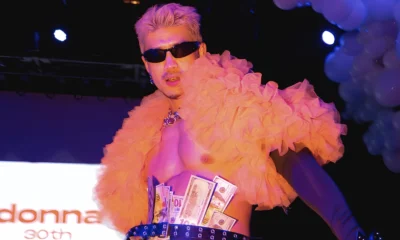
What Is a Gogo Boy? What Male Gogo Dancers Actually Do
A gogo boy is a male go-go dancer who performs in nightlife settings, such as clubs, parties, and Pride events. His role is to dance,...
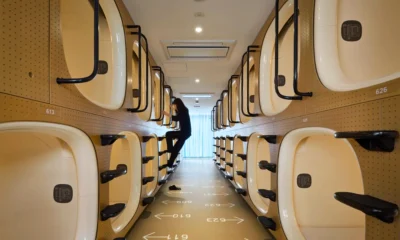
Best Capsule Hotels Near Tokyo’s Ni-chome for LGBTQ+ Travelers
Tokyo has no shortage of capsule hotels. If you want to stay near Ni-chome, these three offer different reasons to book: Shinjuku Kuyakusho-mae for value,...
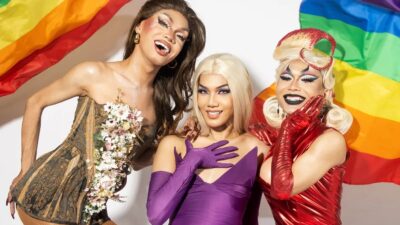
世界上最著名的变装皇后
变装皇后从未如此出名。她们曾经是地下俱乐部、酷儿夜生活或地方选美比赛的明星,如今已成为主流。电视偶像…….