
オネエ is a Japanese term used to describe people with feminine-styled speech, behaviour, or public personas. It’s particularly used in entertainment, popular culture and within the LGBTQ community.
Although it is often associated with LGBTQ+ communities, Onee is not a specific sexual orientation or gender identity. The label has been applied to a wide range of people, including gay men, transgender women, and more.
Because of its broad use, Onee should not be treated as a synonym for ‘gay man’, ‘transgender woman’, or ‘drag queen’. Whether the term is appropriate can also depend on who is using it and how it’s being applied.
This guide explains what オネエ means, how the term is used in Japan today, and why it can be misunderstood. To understand why the term can be confusing, it first helps to look at how オネエ is defined and used in modern Japanese.
What Onee Means in Japanese
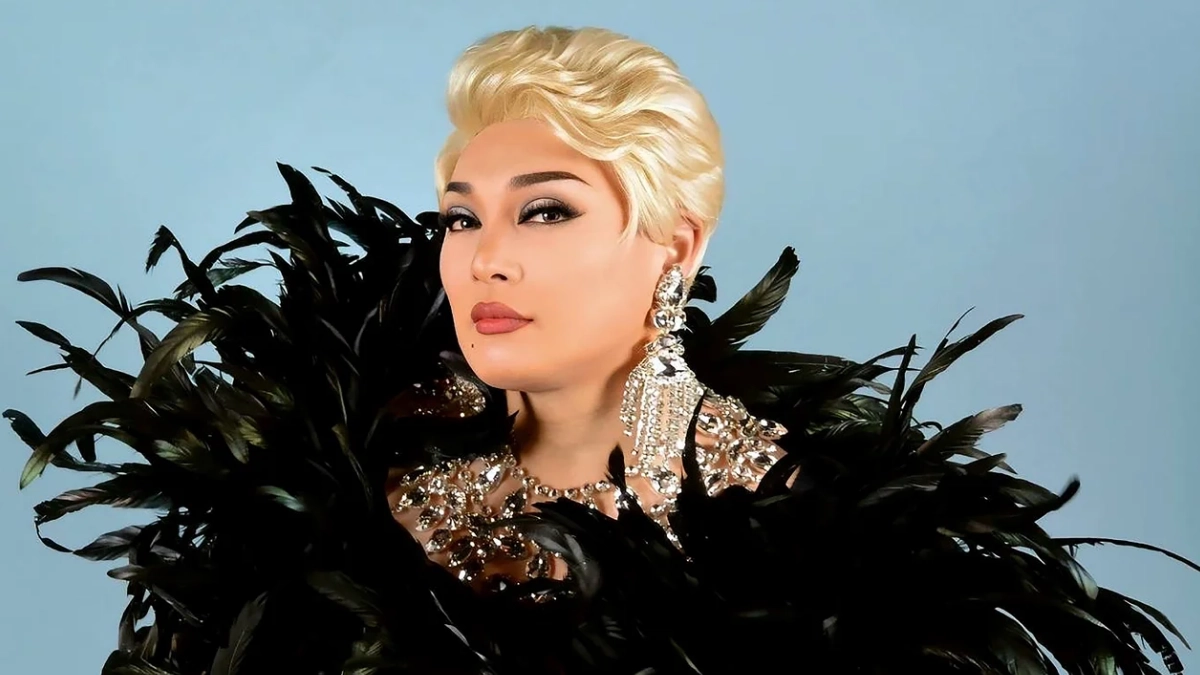
オネエ is a Japanese term that dictionaries such as kotobank describe as an abbreviated form of ‘onēsan’ (お姉さん), meaning ’older sister’. In modern usage, it has also developed a slang meaning referring to men who use feminine-style speech, behaviour or mannerisms. However, this describes someone’s expression rather than a sexual orientation or gender identity.
In practice, Onee can refer to a person’s speech, expression, persona, media character, or mannerisms, depending on the context. The term has been applied to people with different sexual orientations and gender identities, meaning it should not be understood as ’gay man’, ’transgender woman’, or any other specific identity.
Because its meaning depends heavily on context, reactions to the label also vary. Some people may tolerate, reject, reclaim, or occasionally use Onee to describe themselves. Others find it inaccurate or unwelcome. Therefore, you shouldn’t infer someone’s identity because they use feminine-style language or presentation. That distinction becomes clearer when Onee is compared with several similar-looking Japanese words.
Onee Is Not the Same as Oneesan or Onee-chan
Although these words look similar in English, they have very different meanings in Japanese.
- Onee (オネエ) is the slang or media-related term discussed in this article. Depending on the context, it may refer to feminine-style speech, presentation, a public persona, or a media character type
- Oneesan (お姉さん) means ‘older sister’. It is also used as a polite or affectionate way to refer to another person’s older sister or, in some situations, a young woman
- Onee-chan (お姉ちゃん) is a more casual and familiar form, often used by children or younger siblings when addressing an older sister
For example, a child might call their sister ‘Onee-chan’, while someone referring to another person’s sister might say ‘Oneesan’. By contrast, a TV programme might describe a celebrity as ‘Onee tarento (オネエタレント)’, referring to a media persona rather than using a family term.
In English, you’ll often see Onee capitalised to distinguish the slang term from oneesan or onee-chan. The related expression onee-kei (オネエ系) meaning ‘onee-style’ also exists in some contexts. However, it has more specific uses and is separate from the meaning discussed in this guide.
なぜなら オネエ has different meanings depending on context, many international readers also wonder whether the word is considered offensive.
Is Onee Offensive?

Whether Onee is offensive depends heavily on the context in which it is used. The word does not have a universal meaning, and how it’s received can vary depending on who is speaking. The tone and intention behind the word, and the setting where it appears, are also important.
Some people may use Onee for themselves or within familiar community settings. It can function as a casual description of a particular style of expression. Having said that, for some, the term may feel uncomfortable or inappropriate. This is especially the case when it’s applied to someone by others based solely on appearance, voice or other assumptions.
The difficulty is that Onee can be used as a label for different ideas, such as feminine expression and entertainment styles. Using the term as a shortcut for feminine men, transgender people, or drag performers can flatten different identities.
Also, a term used between friends, or by someone describing themselves, may carry a different meaning from the same word used publicly or in media. Tone, intention, and the relationship between the people involved all influence how it is understood.
For visitors and international readers, the safest approach is:
- Do not describe someone as Onee simply because they appear feminine or have a particular style of expression
- Follow the language a person uses for themselves rather than applying the label to others
- Do not use Onee as a replacement for terms such as gay, transgender, or drag queen, as these describe different things
- When discussing a public figure, only use Onee if reliable sources or the person’s own language supports that description
- In English explanations, a more specific term is usually clearer when one is available
Understanding these distinctions makes it easier to interpret how オネエ is used in Japanese media and everyday conversation.
Onee Compared With Gay, Transgender, Drag Queen, and Okama
用語 オネエ is often misunderstood or misused. Part of the confusion is that English speakers often expect オネエ to describe the same kind of thing as terms like ゲイ, トランスジェンダーあるいは ドラッグクイーン. In reality, these words refer to different aspects of identity, expression, or performance. The table below shows different terms and slang, and highlights the similarities and differences. The words should not be treated as interchangeable.
| 学期 | Main meaning | Identity? | Key distinction from Onee |
|---|---|---|---|
| オネエ | Slang for feminine-styled speech, expression, character, or presentation | Usually no | Context-dependent; do not label someone Onee based only on appearance, voice, or mannerisms |
| ゲイ | A man sexually or romantically attracted to men | Yes — sexual orientation | Being feminine does not mean a man is gay |
| トランスジェンダー | A gender identity different from sex assigned at birth | Yes — gender identity | A transgender woman should not be called Onee simply because she is feminine |
| ドラッグクイーン | A performer who uses drag as an artistic or entertainment style | Not necessarily | Drag is a performance and does not necessarily describe everyday identity |
| オカマ (オカマ) | Japanese slang with varied and historically specific meanings | Not a single identity | Sometimes overlaps with feminine gay stereotypes, but is not the same as Onee |
Understanding these differences is important, as Japanese LGBTQ+ terminology does not always translate perfectly into English. オネエ, ゲイ, トランスジェンダー, ドラッグクイーンそして オカマ describe aspects of expression, identity, language, or culture. Part of that confusion comes from the fact that オネエ is often mistaken for other LGBTQ+ terms, even though they describe different things.
For more detail on related terminology, see our guides below:

Onee in Japanese Television, Speech, and Nightlife
しかし オネエ can be encountered in everyday conversation, many people first become familiar with the term through Japanese television. This helped to make the term more recognisable through entertainment programmes and media personalities. However, media usage and community usage do not always use the term in the same way.
Onee Talent and Onee Characters on Television
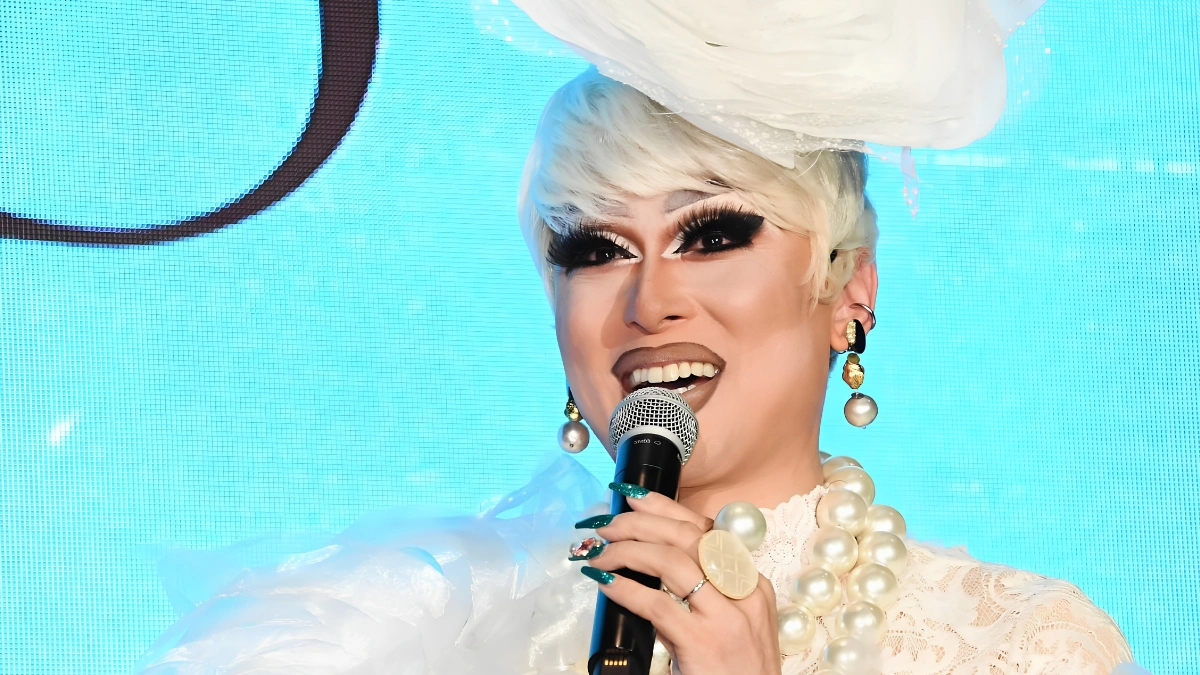
Onee talent refers to a Japanese entertainment and media category rather than a formal identity. TV often used the term to group people with different sexual orientations and forms of gender expression.
These portrayals frequently highlight feminine-styled speech, fashion, or personality. While this visibility has made Onee known to Japanese audiences, it’s not always resulted in a complete understanding of those associated with it.
Some entertainers may embrace the Onee label as part of their public image or professional role. Others may not identify with it or may dislike being categorised in this way. A television persona should not automatically be treated as a reflection of someone’s private life.
Television has also helped popularise particular ways of speaking that are sometimes described as Onee kotoba.
What Onee Kotoba Means
Onee kotoba (お姉言葉), or ‘Onee speech’, is a term used in media discussions to describe speech styles perceived as feminine or character-like.
The expression is often associated with speaking in entertainment, but real-life usage is much more varied. There is no single standard form of Onee speech, and people who are described as using the term don’t all speak in the same way.
A person’s speech style does not reveal their sexual orientation or gender identity. Someone may use a particular way of speaking as part of their personality, social style, or humour. This is all without it representing who they are privately. Beyond television, the term may also appear in descriptions of nightlife and entertainment venues.
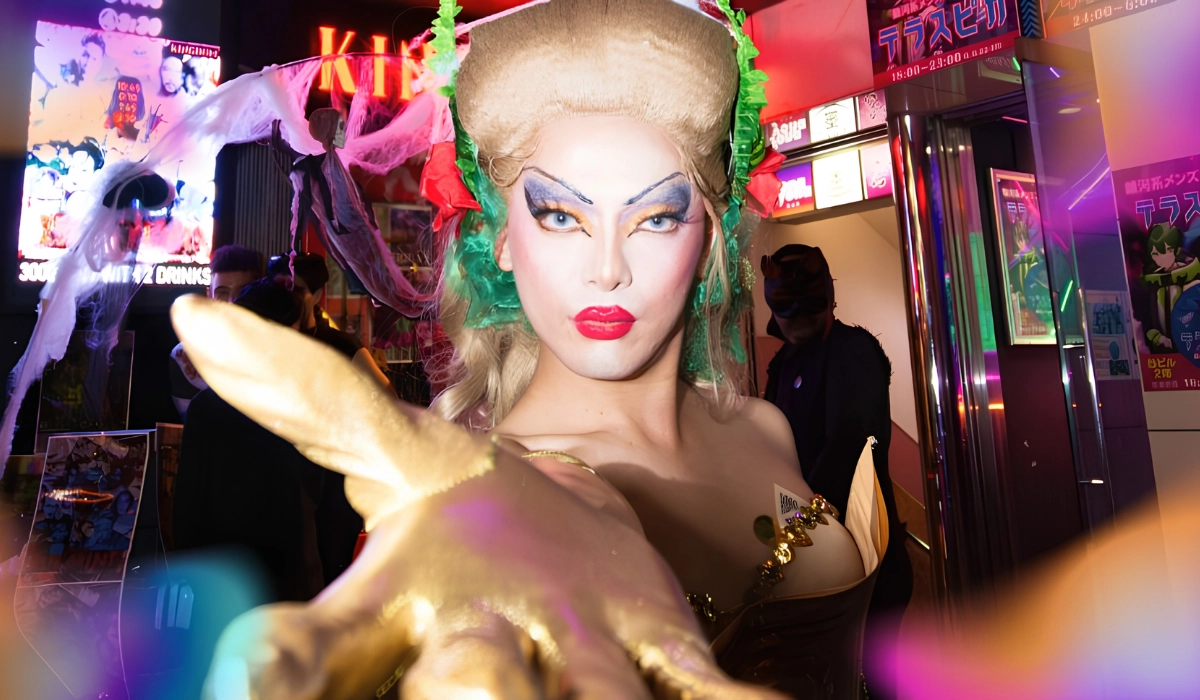
How Onee Is Used in Nightlife
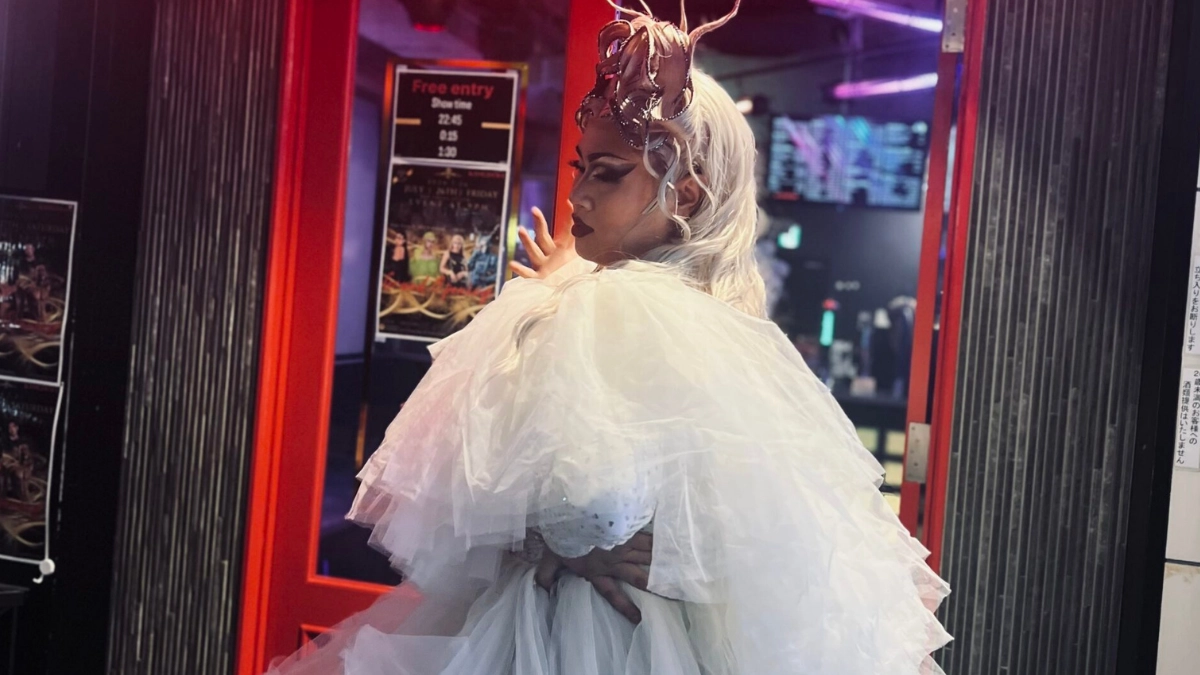
In nightlife contexts, Onee may appear in venue descriptions, branding, or performance-related settings. In some cases, venues or media may use terms such as Onee bar informally to describe a particular atmosphere or style of entertainment.
However, Onee bar is not a standard category that applies consistently across Japan. The meaning can vary between venues, staff, and performers. Also, hosts may have different identities and backgrounds.
For visitors, it is best to understand Onee in nightlife as a descriptive term used in specific contexts rather than a fixed type of LGBTQ+ venue. It may refer to a style of expression, entertainment, or branding, but it does not define every person working in that space.
結論
オネエ can refer to expression, media personas, speech, or self-description depending on the situation. Rather than treating it as a fixed identity, it’s more accurate to understand it as a context-dependent term whose meaning changes according to how and where it is used.
If you’re unfamiliar with Japanese LGBTQ+ terminology, the safest approach is to avoid assumptions, use more precise language where possible, and follow the words people choose for themselves. Understanding the context behind オネエ makes it much easier to recognise the term without oversimplifying the people it may describe.
Continue exploring different Japanese LGBTQ+ terminology by checking out these guides below:
よくある質問
What does ‘Onee’ mean in Japan?
オネエ とは、日本における女々しいゲイやクィアな性格を指すスラングで、"お姉さん "を語源とする。
Is ‘Onee’ offensive?
一般的には違います。多くのLGBTQ+の人々は、誇りを持って次のように自認している。 オネエ嘲笑的に使えばステレオタイプに感じるかもしれないが。
What is an ‘Onee’ bar in Tokyo?
アン オニーバー とは、特に新宿二丁目にあるLGBTQ+のナイトスポットの一種で、派手なゲイのホストが客をもてなし、交流する。
How is ‘Onee’ different from ‘Okama’?
どちらも女々しいゲイの男性を指す言葉である、 オカマ は蔑称とみなされる。 オネエ はより普通になり、時には力を与えるようになった。