

Xジェンダー is a term of Japanese origin used to describe someone who does not fit neatly into a male/female binary, and may not identify as a man or a woman. It closely overlaps with the English language term non-binary, though the two are not precisely interchangeable.
日本におけるXジェンダーとは?
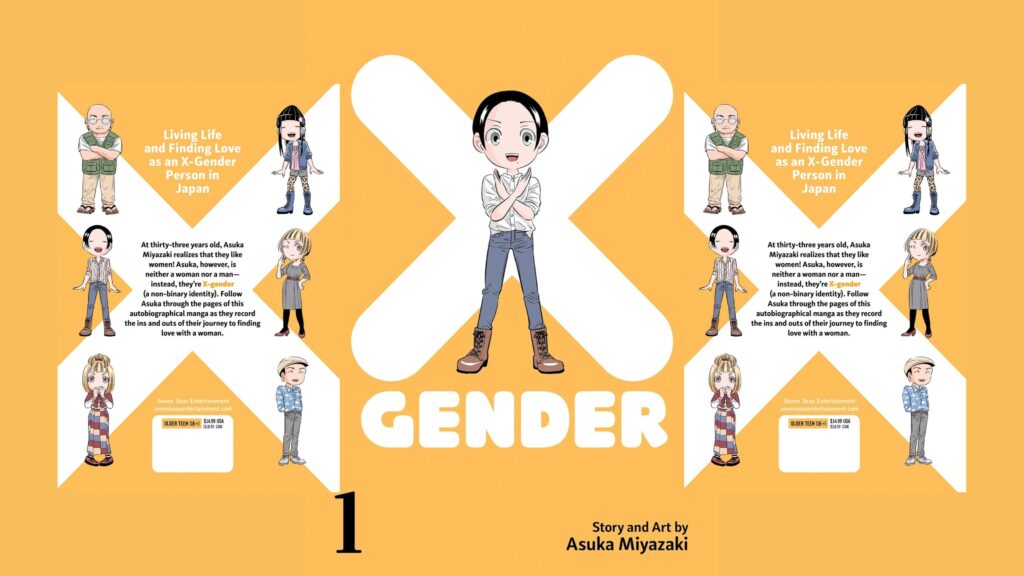
People who are X-gender (Xジェンダー / X-jendā) may not identify as a man or woman, or may identify with both, neither, or somewhere in between. Their identity can also differ from their gender assigned at birth.
There is no set gender expression, set of pronouns, or particular “place” on a gender spectrum that makes someone X-gender. Only the individual can define what being X-gender means for them.
This also means that being X-gender does not imply that someone is intersex, or vice versa. One’s gender identity is separate from one’s sex characteristics.
X-Gender vs Non-Binary: Are They the Same?
There is significant overlap in the meanings of X-gender and non-binary. Both can describe someone who does not identify exclusively as a man or a woman, or who identifies with both. Additionally, the term ‘non-binary’ is becoming more common in Japan.
However, they are not simply two words for exactly the same thing. X-gender developed within Japan, with its own history and related terminology, while non-binary came from a different linguistic and cultural context.
Someone may identify as X-gender or non-binary, or both, or use a more specific identity. As always, if it is relevant, it is usually best to ask what term the person themselves uses.
Pronouns, Language and Everyday Communication
The issue of pronoun usage can be complicated by the differences between Japanese and English. While it is not the case that Japanese is totally ungendered, as is sometimes assumed, there are nuances that English often does not have.
As with non-binary people, there are no set pronouns for X-gender people. In English, it is best to ask which pronouns someone uses rather than automatically assuming ‘they/them.’
In Japanese, things work somewhat differently. It is quite normal to omit the subject of a sentence or their pronouns, or even to refer to someone by name when speaking to them directly.
That being said, first-person pronouns can have gendered implications. ‘Watashi’ or ‘atashi’ can be considered feminine, while ‘boku’ and ‘ore’ sit more on the masculine side.
People do not always use them according to those traditional gender associations, however. It would not necessarily be unusual for a MtX person to use ‘atashi’ to refer to themselves, for example. You should therefore not assume someone’s gender based on their choice of first-person pronoun.
Is X-Gender Legally Recognized in Japan?
To summarize briefly: no. X-gender is a gender identity, and is not nationally available as a third-gender or ‘other’ legal gender option. You should also not confuse the Japanese gender identity ‘X-gender’ with the X marker available on passports in some jurisdictions.
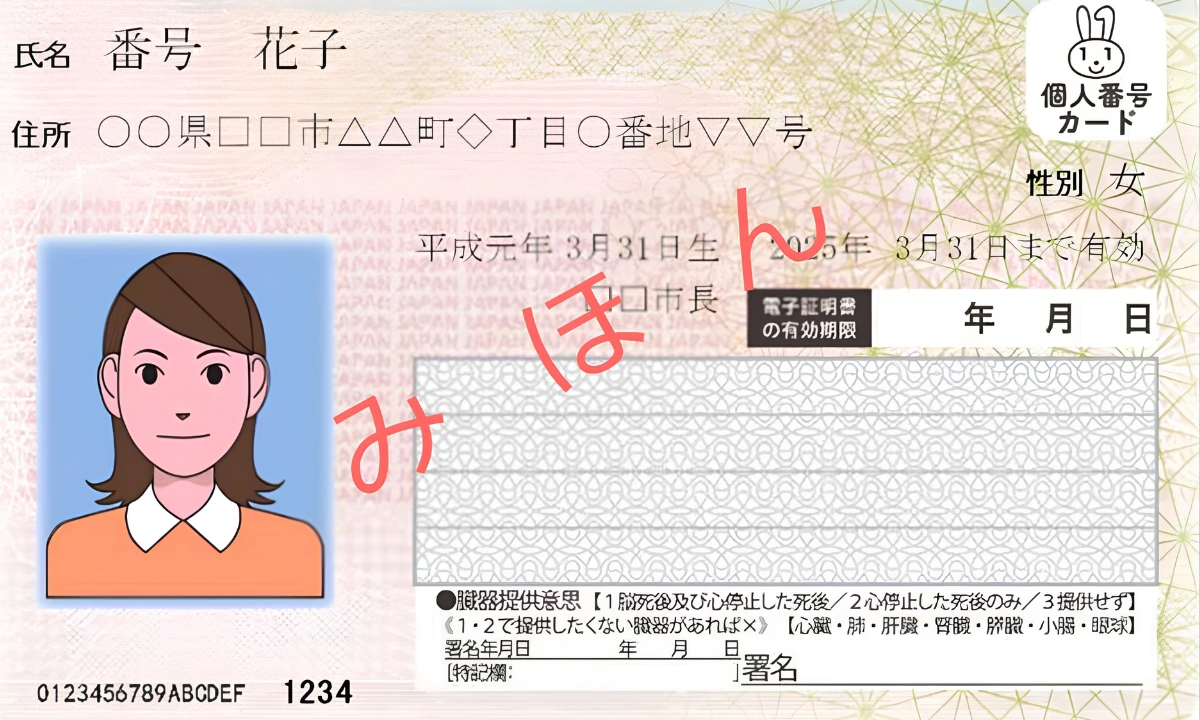
Some local governments have taken different approaches. Shizuoka Prefecture, for example, has eliminated gender markers or allowed X-gender to be used on some forms. However, this is not the case across Japan, and national administrative systems still generally rely on a male/female legal gender classification.
Where Did X-Gender Come From?
The term ‘X-gender’ can be traced to the Kansai region, where it came to prominence in the 1990s and early 2000s. There is no known individual creator of the term. Instead, it is believed to have emerged through discussions among transgender people and other sexual minorities in the region.
Its emergence coincided with growing discussion of what was then called “gender identity disorder” in Japan, as well as the creation of regional transgender groups.

According to sociologist Kyoko Takeuchi, the use of the letter “X” itself has been associated with ambiguity or uncertainty.
It is because of these origins that, although the English language term ‘non-binary’ is familiar to many Japanese people today, use of the word ‘X-gender’ is still prevalent in the Kansai region.
X-Gender Terms You May Encounter in Japan
X-gender covers a wide range of experiences, so several related terms have emerged to describe them more specifically. We will be using English terms to give a rough sense of what some Japanese terms mean, but these should not be taken as exact translations.
Ryōsei (両性) loosely means “both genders.” It can describe someone who identifies as both a man and a woman, simultaneously or otherwise. The closest English term would be ‘bigender.’
Chūsei (中性) literally means ‘middle gender,’ and is often used by people whose gender identity is between or a mixture of man and woman. Possible, though imperfect, English equivalents include ‘genderqueer,’ ‘gender neutral,’ and ‘third-gender.’ Some intersex people also identify with this term.
Musei (無性) means ‘no gender,’ and describes those who do not experience a feeling of being a man or a woman. The closest English word would be ‘agender.’
Futeisei (不定性) literally means “indeterminate gender.” It can be used by people who experience different gender identities at different times or under different circumstances. In English, the closest equivalent might be ‘genderfluid.’
You may also encounter the terms ‘FtX’ and ‘MtX,’ meaning ‘female to X-gender’ and ‘male to X-gender,’ respectively. These indicate someone’s assigned gender at birth as well as their X-gender identity.
The terminology can become more specific depending on a person’s journey. For example, someone who transitioned from female to male and later identified as X-gender might use ‘FtMtX.’
X-Gender in Everyday Life: Identity and Expression
Just as there are innumerable ways to ‘be’ a man or a woman, there are innumerable ways to be X-gender. Someone’s identity does not necessarily tell you how they will dress, speak, use pronouns, or otherwise express themselves.
Clothing is one example. One study by Takayuki Watanabe interviewed 20 X-gender people about their relationships with clothing and fashion. Participants described wanting to express “themselves” through clothing, while their choices could also vary depending on how accepting the people around them were of their identity.

It was a small study, but it illustrates a broader point: gender expression is shaped both by how someone feels about themselves and by the environment around them. There is therefore no standardized way for an X-gender person to look or behave, nor can someone’s relationship to gender reliably be judged from the outside.
Despite its similarities to the non-binary spectrum, X-gender is a term with its own history in Japan. For some people, non-binary may describe their identity perfectly. For others, X-gender — or one of the more specific terms associated with it — better expresses their relationship with gender.
Xジェンダーに関するFAQ
What pronouns should I use for X-gender people?
A.彼らに聞いてみてください!英語では "they/them "を好む人が多いですが、必ずしもそうとは限りません。一番いいのは尋ねることです。
Q.Xジェンダーの友人を間違ってXジェンダーにしてしまいました!怒られますか?
A.通常、Xジェンダーの人たちはこのような言い間違いをした場合、とても理解し寛容です。意図的に性別の間違いをされたことが明らかな場合のみ、不快に思われるのです。
Do I have to be Japanese to use the term “X-gender”?
A.必ずしもそうではありませんが、できます。とはいえ、最近は「ノンバイナリー」という言葉が受け入れられつつあるので、それが一番しっくりくるのであれば、それにこだわるのもいいでしょう。
How can a change to X-gender be expressed?
A.男性から女性へのトランスジェンダーの人が "MtF "と表現できるのと同じように、AMAB Xジェンダーの人は "MtX"、AFAB Xジェンダーの人は "FtX "と表現できます。