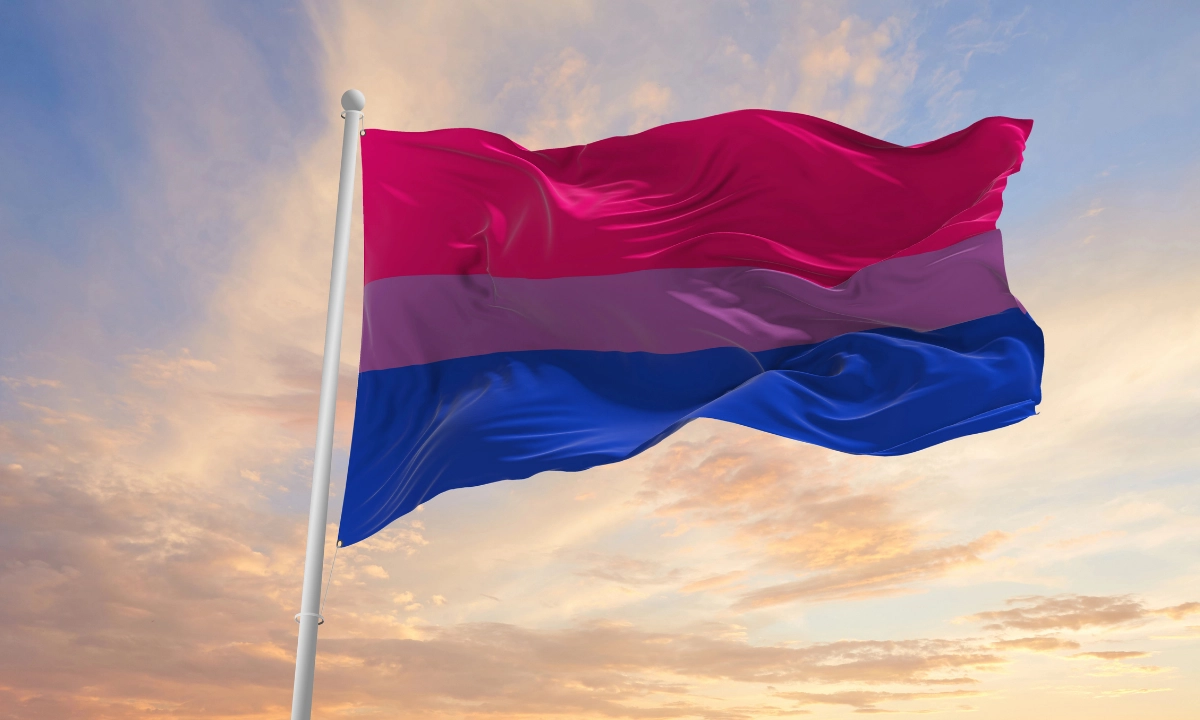

The bisexual flag, often called the bi flag, is a recognizable symbol of bisexual identity. Its three bold horizontal stripes are easy to spot: pink at the top, purple in the middle and blue at the bottom.
However, the colors are more than just a striking combination. They were designed to represent bisexual attraction and, from the beginning, to make bisexual people more visible.
バイセクシュアル旗の色は何を意味するのか?
The pink, purple, and blue stripes were given specific meanings by the flag’s creator, Michael Page. In his archived account of the flag’s history, he explained them as follows:
| Color | Page’s historical meaning |
|---|---|
| ピンク | Attraction to the same sex |
| 紫 | Attraction to both sexes, represented by the overlap between pink and blue |
| ブルー | Attraction to the opposite sex |
Purple plays a particularly important role in Page’s explanation. He used the blending of pink and blue as an analogy for bisexual people going unrecognized within gay, lesbian, and straight communities. The symbolism was about visibility, rather than confusion or uncertainty about attraction.
It is also important to read this historical explanation in its original context. Page’s wording does not limit bisexuality today to attraction to men and women. The Bisexual Resource Center describes bisexuality as attraction to more than one gender and makes clear that this can include nonbinary people. Attraction also does not need to be equal across genders, concurrent, or experienced in the same way every time.
Who Created the Bisexual Flag, and When?
The bisexual flag was created by bisexual activist Michael Page and launched on 5 December 1998.
Page wanted bisexual people to have a symbol of their own. At the time, bisexual identity was often less visible within both LGBTQ+ spaces and wider society.
According to correspondence from Page reproduced by Flags of the World, the flag was unveiled during BiCafe’s first-anniversary party.
The colors themselves were influenced by an earlier bisexual symbol known as the biangles. The biangles consist of overlapping pink and blue triangles, creating a purple section where they meet. Artist Liz Nania’s account of her early work dates the design to 1985. That combination of pink, purple and blue later helped shape the palette of the bisexual flag.
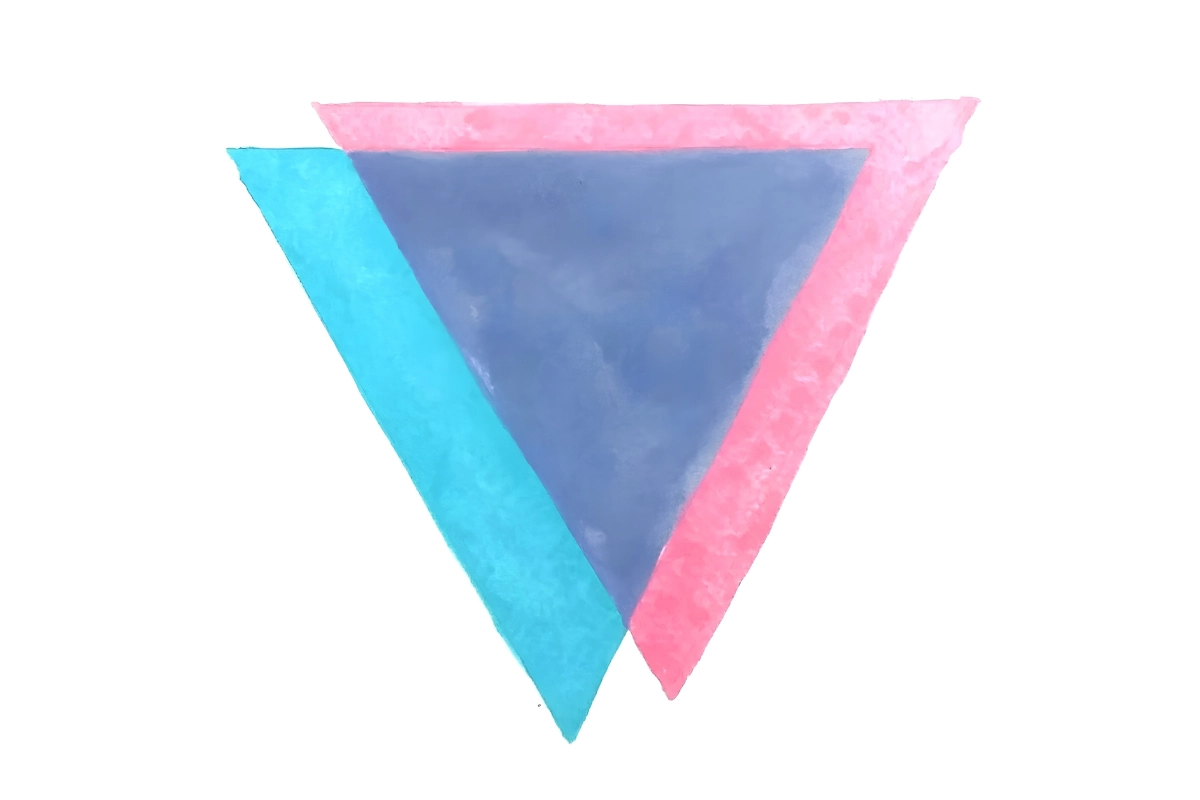
With the origins of the colors established, Michael Page’s archived guide also gives us a closer look at how the flag itself was designed.
Bisexual Flag Design and Color Codes
について archived guide published by Michael Page includes specific proportions and color references for the bisexual pride flag.
The percentages refer to the height of each stripe:
| Color | Percentage of flag height | Pantone reference | HEX reference |
|---|---|---|---|
| ピンク | 40% | PMS 226 | #D60270 |
| 紫 | 20% | PMS 258 | #9B4F96 |
| ブルー | 40% | PMS 286 | #0038A8 |
The design is deliberately balanced. The purple stripe sits between two equally sized outer stripes and is half the height of either one.
The Pantone and HEX references are useful for reproducing the flag, although colors can look slightly different depending on the material, screen, or printing process.
The Bisexual Flag Today and Pride in Japan
More than 25 years after its launch, the bisexual flag remains an important symbol of identity and community.
For some people, flying the flag is a simple expression of pride. For others, it can be a way of making bisexuality more visible in spaces where it is still sometimes overlooked. Like other LGBTQ+ flags, it gives people a symbol they can recognize and connect with.
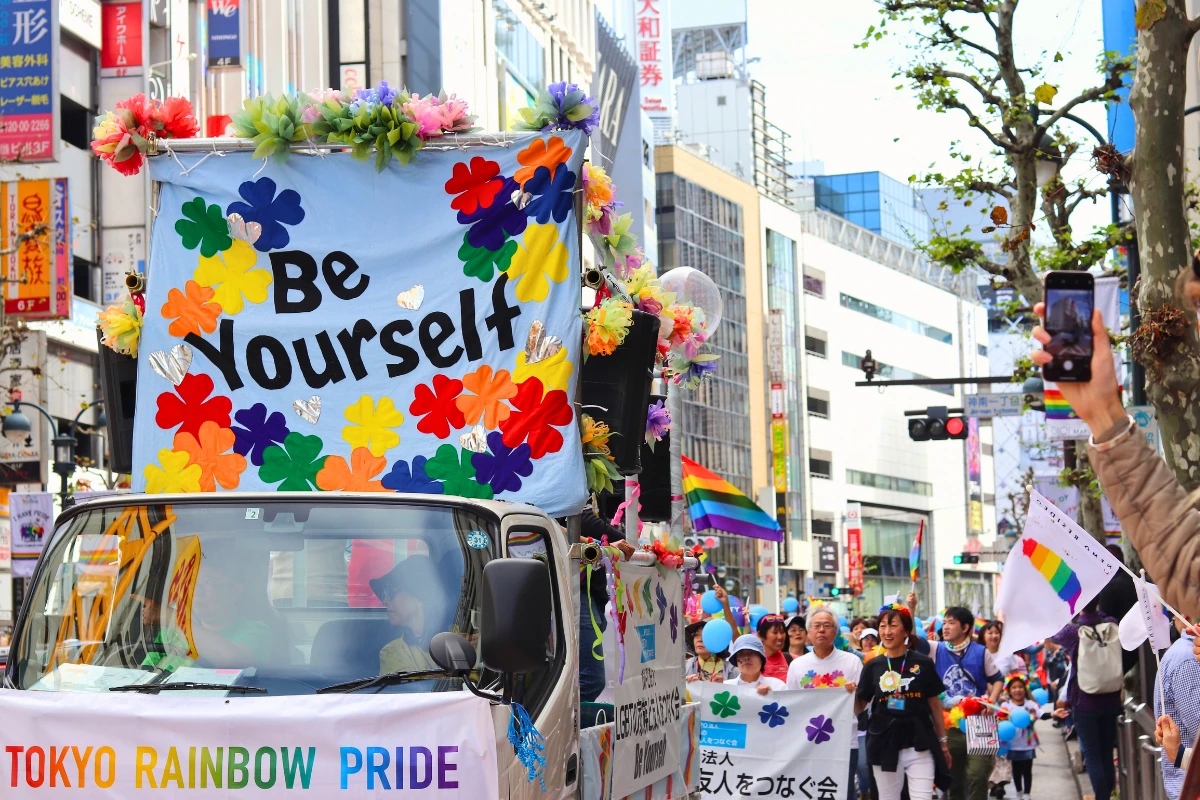
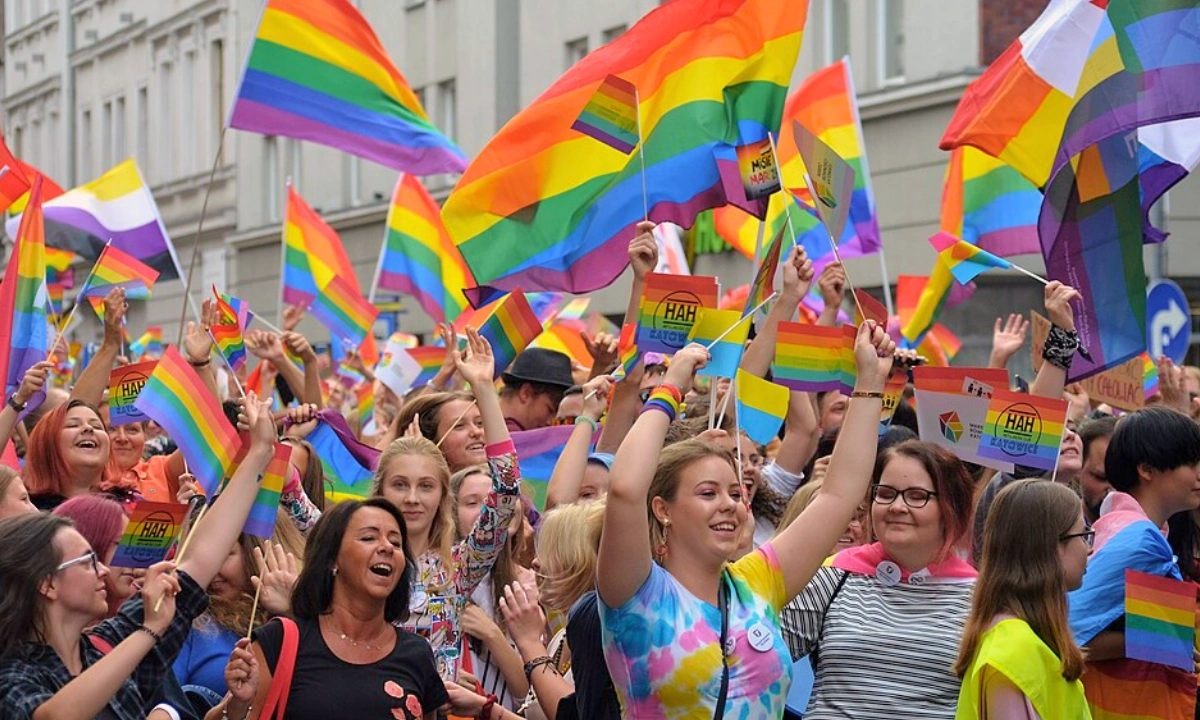
That visibility extends to Pride events around the world, including Japan. 東京自慢 is one of Japan’s key LGBTQ+ community events, where a wide range of Pride flags and identities are represented.
Pride events change from year to year, so it is best to check the official Tokyo Pride website for current dates and details.
The bisexual flag is just one of many symbols used across the LGBTQ+ community. If you want to explore the stories behind other designs, colors and identities, take a look at our guide to LGBTQ+ Pride flags.