


Japanese Transgender Athletes
Across the world, transgender people and their rights are under attack. One of the most frequently deployed arguments against transgender people is that transgender people — specifically transgender women — have an unfair “natural” advantage over cisgender women when it comes to sports. This is despite a wealth of academic work that disproves the idea that being raised a man, or even the presence of higher testosterone, provides any advantage.
So today, we’re highlighting four Japanese transgender athletes who embody excellence in both sports and representation. On your marks, get set… go!
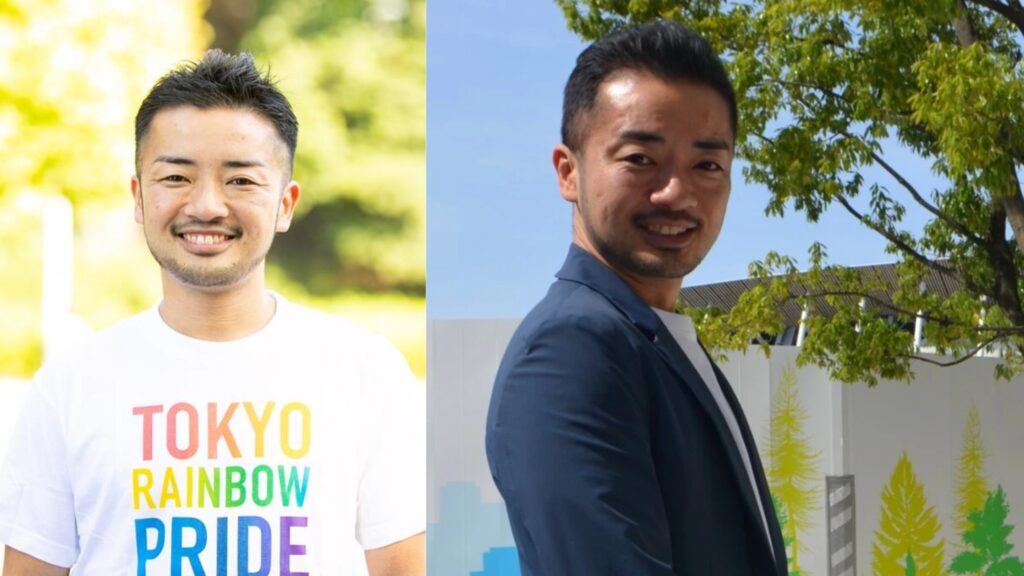
Fumino Sugiyama

Born in Tokyo in 1981, Fumino Sugiyama began their athletic life as a swimmer and a member of their schools’ kendo clubs, before eventually deciding to become a fencer. Part of the reason was that he was drawn to the unisex uniforms that fencers wear, and he became a member of the Japan Women’s Olympic Fencing Team.
However, feeling uncomfortable on that team, he eventually left in 2006, and wrote a book, Double Happiness, about his experience with gender dysphoria, which was also adapted into a manga, and in 2009, began his surgical transition. Today, he is a member of the Japan Fencing Federation, and became the first transgender member of the board of the Japanese Olympic Committee. He has also spoken out about the issues that transgender people and other minorities face when it comes to sports.
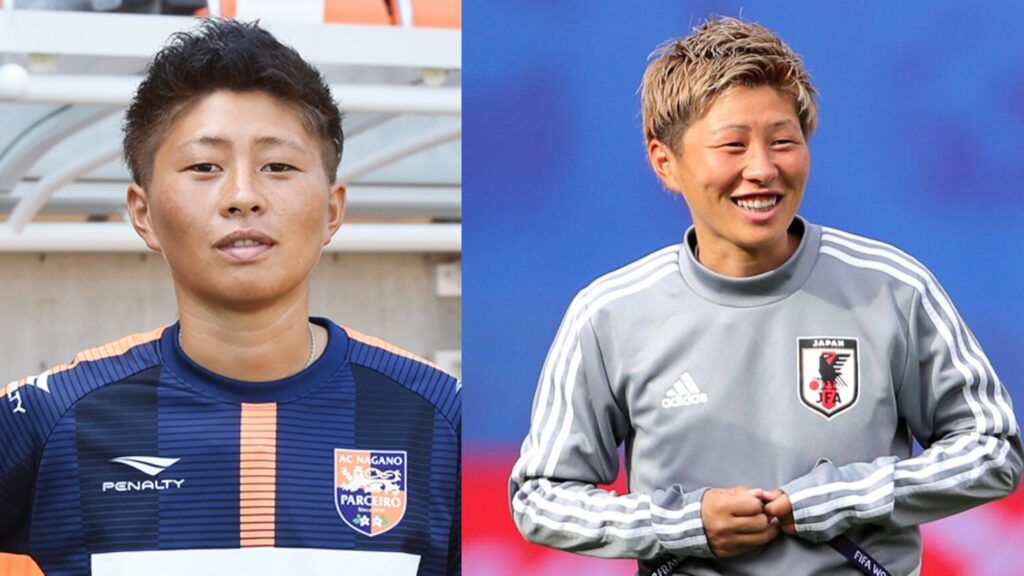
Kumi Yokoyama

Another Tokyoite, this time born in 1993, Kumi Yokoyama joined the Okayama Yunogo Belle soccer team as a forward shortly after leaving high school. He was also a member of the national youth Japanese teams, before joining the Nadeshiko national team in 2015. After this, we left Japan to play for Washington Spirit in the United States.
It was there that, in 2021, they decided to come out about their trans masculine identity, after being reassured and encouraged by his girlfriend. He also noted that, in the Unites States, he felt more comfortable being open and honest about his identity than he would have in Japan. His declaration even drew a show of support from then-President Joe Biden, who said, “I’m so proud of your courage. Because of you, countless kids around the world are seeing themselves in a new light today.”
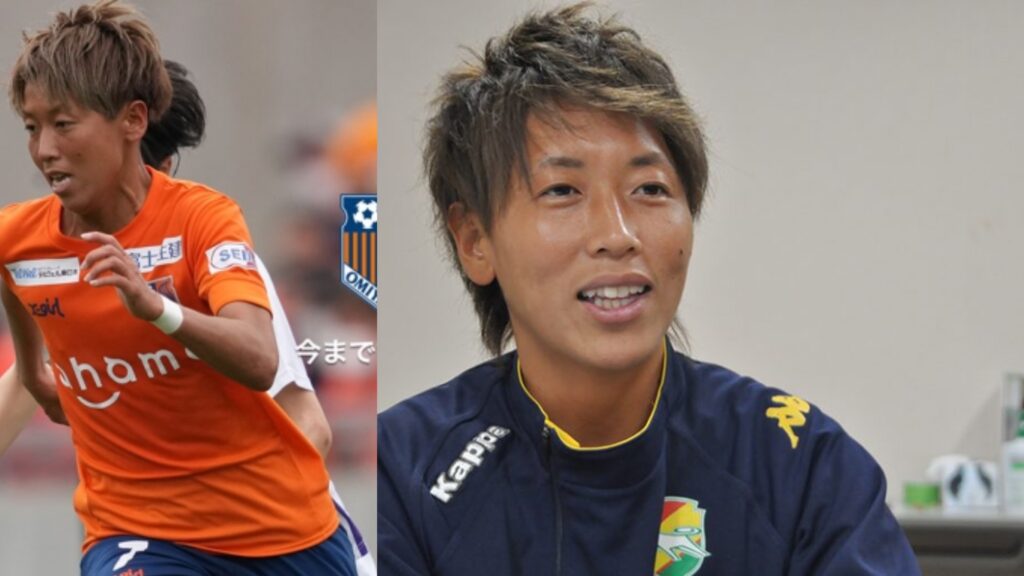
山崎マルミ

We’ve covered Marumi Yamazaki’s story in a little detail これ, but we’ll give a refresher for those who have not kept up with our articles (how very dare you!). He was born in Saitama in 1990, and was a talented enough soccer player that, even as a high school student, he was able to play for his local club, Chifure AS Elfen Saitama. Domestically, he played for Albirex Niigata, AC Nagano Parceiro, JEF United Chiba, while he was selected for the international team in 2013. He retired from soccer in 2023.
In 2026, on New Year’s Day, he publicly announced his identity as a man, that his gender identity had been officially changed on the family register, and that he was now married to a woman. Making the announcement on Instagram, he said:
「まだ様々な反応があるだろうし、反対意見もあるだろうが、誰かの視野を広げたり、誰かの道しるべになったり、誰かに勇気や希望を与えたりすることを願っている。
「以前は、結婚となると、相手だけでなく、相手の両親や家族のことも考えなければならず、結婚できないと思っていた。
この気持ちがある日突然変わったように、私も一人でも多くの人の気持ちを変え、一人でも多くの人がより快適な世界になるように広めていきたい"
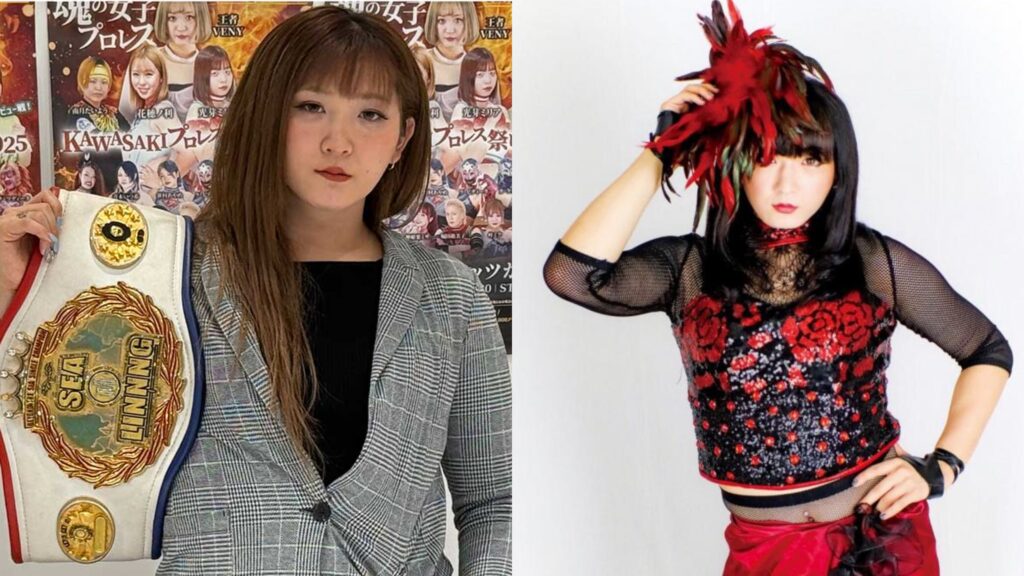
Veny

Moving into the world of professional wrestling, we have Veny! Born in 1998 in Miyagi prefecture, she has said that from as early as the third grade, she had begun to feel that she was different to other people, and found herself inspired by the wrestler Allysin Z (the ring name of Ayako Hamada) when watching Hustle, a pro-wrestling competition.
After entering high school on a wrestling scholarship, at age 16 she was diagnosed with gender identity disorder, and in 2015 made her debut as a transgender wrestler, known as Asuka, wrestling in Wave, an all-women’s wrestling league. Going by Anna Tomiyasu in her personal life, she later changed her name to Veny… as well as performing as the masked villainess Tiger Queen.
LGBTQ+ Activism in Japanese Sports
While these individuals have done an exceptional job of promoting LGBTQ+ — and particularly transgender — issues by themselves, there are also others working as collectives to promote awareness of the needs and difficulties of LGBTQ+ athletes in Japan. One such organization is SPORTS X LGBTQ Network, headed by Sayato Nakata, himself a transgender man, which promotes understanding and inclusion through internal training and personal storytelling.
Despite the difficulties than transgender athletes face in Japan, and across the world, there are always people who will be working to make things a little bit easier for those who come next — whether it’s through increasingly visibility, working with professional bodies, or engaging with the important work of promoting the understanding of sexual minorities within established athletics bodies.