

Aging is an inevitable fact of life. This is true no matter where you’re from and no matter who you love. Nevertheless, in discussions about queer Japan, older members of the community tend to be overlooked in favor of youth-oriented nightlife, politics, and activism. But that doesn’t mean that Japan has no queer elders.
Getting older presents a number of issues for everyone, including anxieties about socializing, income, independence, and health. For LGBTQ+ people in Japan, however, these worries can be compounded by whether or not to come out, recognition of one’s partner, and the suitability of care.
Respect for the Aged Day, a national holiday in Japan held each September, offers a good opportunity to spotlight LGBTQ+ elders in Japan and what they think and feel about these topics.
You should know at the outset that this is a relatively unexplored area of study. Because we’re relying mainly on limited academic research — as well as our own survey and a conversation with queer elder Otsuka — there are limits to the conclusions we can draw.
The Older LGBTQ+ Lives We Don’t Always See
There are many reasons that older LGBTQ+ people are not as visible as younger generations — and perhaps especially so in Japan. The most significant factor is the different world in which they came of age.
Many people who are of retirement age today grew up in an era where casual homophobia was common, and homophobic stereotypes and name-calling were normal. Society has become less homophobic as a whole since the 1980s, with LGBTQ+ issues becoming much more visible during Japan’s post-2015 “LGBT Boom.” Much of this shift in attitude, however, has been among the young.
So, despite positive improvements, older queer people may still be reluctant to come out to their friends and family, making them less visible in the community as a whole.
This lack of visibility may also shape how the wider public sees older LGBTQ+ people. In a 2026 survey by Dentsu, over half of the non-LGBTQ+ respondents believed that “there are fewer LGBTQ+ people among the elderly compared to other generations.”
There is little reason to assume this is actually the case. Some older queer people, such as Tadashi Hase, have come out later in life. Others may have been visible in the community in the past, but the community as a whole has only gotten wider attention recently.
Responding to a questionnaire from JGG on the subject of aging as a queer person in Japan, many agreed that queer elders were not very visible here. One said, “They don’t seem very visible. In my view, older generations in Japan tend to hold more conservative values and strongly adhere to the societal norm of not rocking the boat. I think as a result, older LGBTQ+ individuals may be more hesitant to come out.”
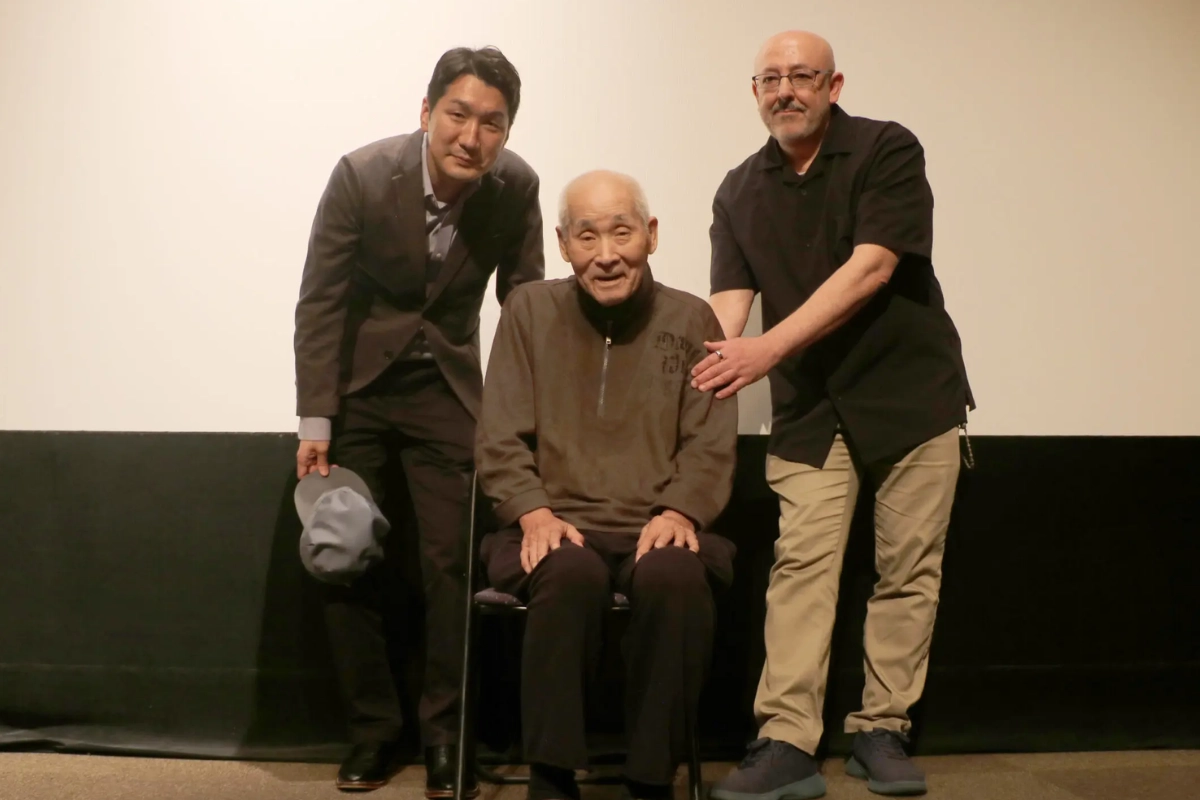
Tadashi Otsuka, who was involved in the very first Tokyo Pride Parade and has run the gay bar Tac’s Knot since 1982, agrees that there were not many LGBTQ+ people for him to look to when he was younger.
“No, there weren’t any older gay men around when I was younger,” he said. “The older gay men I knew were all either married to women or planning to be, so I didn’t trust them.”
In some ways, today’s queer elders had to chart their own path. What are some issues they face in retirement and beyond?
Relationships, Friendship and Asking for Help
As we age, relationships and independence can begin to change — and this can have a particular impact on LGBTQ+ people.
Academics Hiromi Kitajima and Hidehiro Sugisawa conducted a study looking at the challenges experienced by older gay, lesbian, and bisexual people. Difficulties in creating or maintaining relationships were found to be a noticeably common concern.
Research on older sexual minorities has also found that living alone is relatively common. A reluctance to come out to friends or family can contribute to this, as can the lack of official recognition historically available to same-sex partners. Some respondents to Kitajima and Sugisawa’s survey reported that they had no close relationships.
Our own survey observed this as one of the biggest concerns about aging, with one respondent saying they were worried about “loneliness. Being unable to find a space that would bring me closer to people of a similar age, or moving somewhere where there are less people like me who I can be open with.”
Experiences were not identical across sexual minorities. Older lesbians in the study, for instance, appeared more successful at entering queer communities than gay men or bisexual people. The study surveyed just 22 people and was heavily weighted towards gay men, though, so this finding should not be applied too broadly.
When it came to asking others for help, those surveyed also tended to be reluctant to do so. Some were hesitant to discuss their personal or sexual lives with others, making them more self-reliant.
Others preferred living alone for the sake of their independence — including some who were in romantic relationships. This may overlap with the wider attitude in Japanese society that it is better not to be a bother to others.
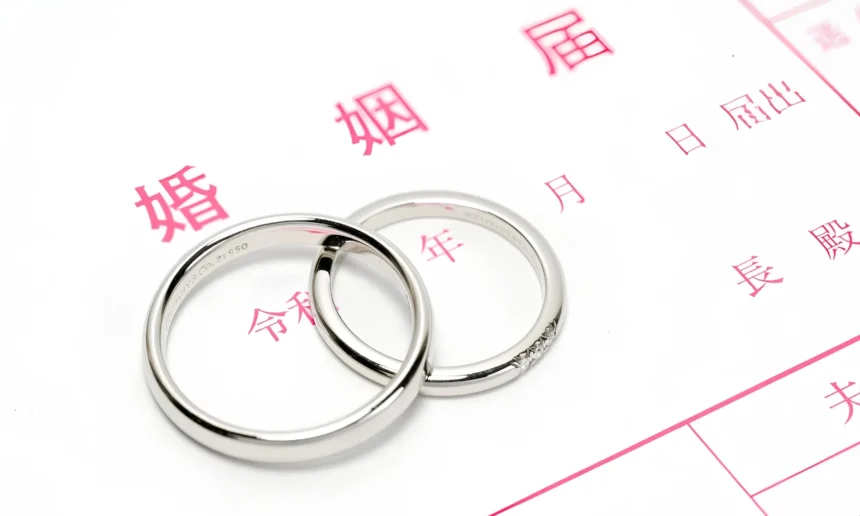
There is also a practical issue for same-sex couples. The lack of marriage equality in Japan means that rights and benefits available to married heterosexual couples are not automatically granted to same-sex partners.
While many Partnership Oath Certificates issued by local governments can help demonstrate a relationship and may be recognised voluntarily by particular institutions or services, they do not carry the force of law.
Read more about LGBTQ+ rights in Japan 这里.
But do not despair: loneliness in old age is far from inevitable. Kitajima and Sugisawa also noted previous research showing that when older LGBTQ+ people are given an accepting environment, they can expand their social networks and maintain good self-esteem and health.
Otsuka is a prime example of someone who remained close to the gay community in Japan, and has benefitted from it.
“The person I rely on most is myself. Aside from myself, I rely on my partner and a few close friends,” he says. “My life is completely immersed in the gay world. Of course, I have the bare minimum of necessary interactions with straight people, but everyone I have a deep relationship with is gay.”
Later, we’ll look at some of the groups and programs that older LGBTQ+ people can join and make use of.
What LGBTQ+ People Worry About as They Get Older
Life after retirement age can pose many different challenges.
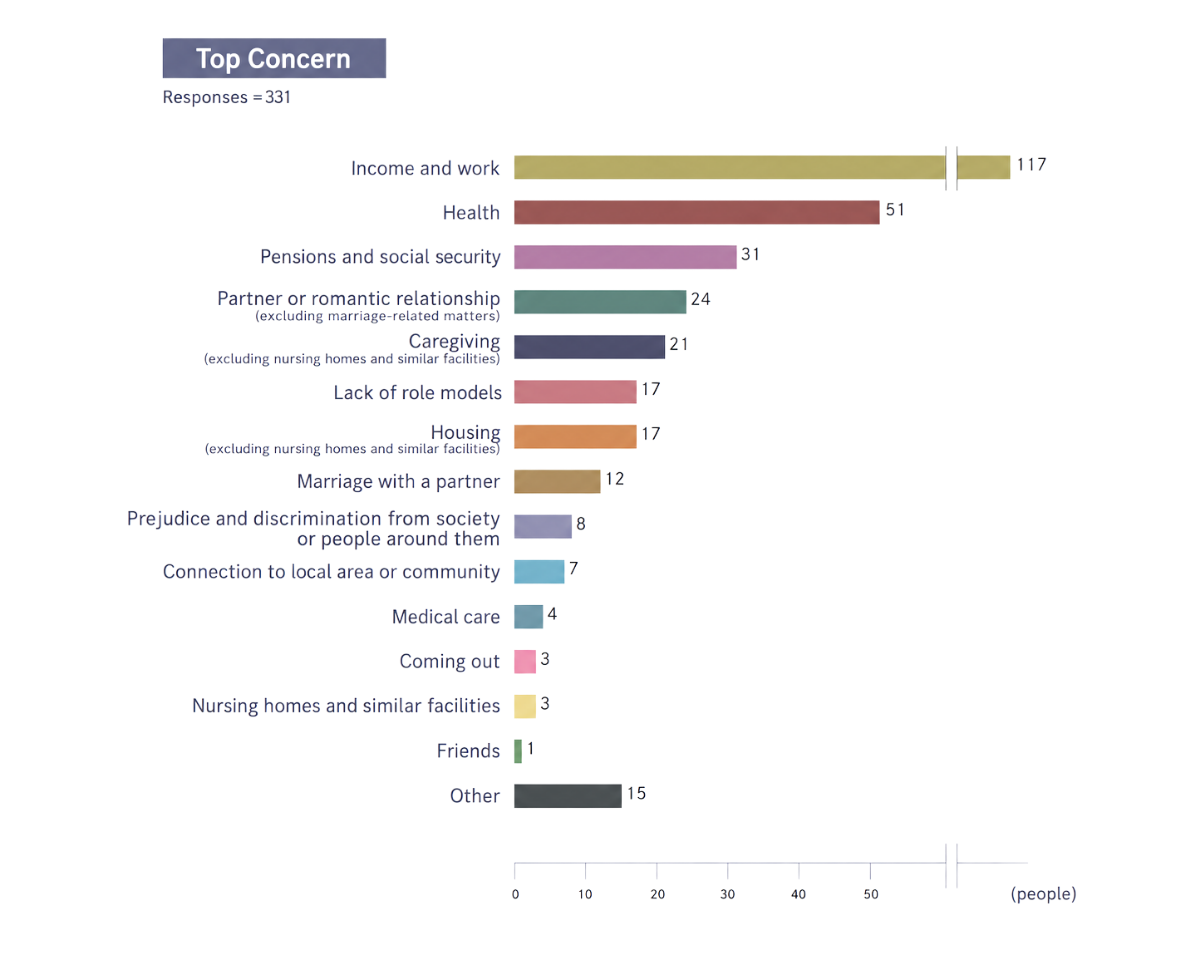
A survey of people aged 14 to 74 conducted by Good Aging Yells examined worries people had about aging as an LGBTQ+ person. Participants were recruited through social media, so the results do not necessarily represent everyone. Because the survey also included younger people, it tells us about anxieties around growing older as well as the experiences of those already approaching later life.
Income and work were among the biggest concerns for later life across most LGBTQ+ groups. Other major worries were familiar ones: health, pensions, and long-term care.
One common misconception is that LGBTQ+ people are relatively wealthy because they are assumed to have fewer children and therefore fewer expenses. In reality, discrimination can affect career progression and, as a result, how much someone can save.
These financial pressures may be felt particularly strongly among lesbians, who can face not only the same issues affecting other queer people but also the gender wage gap, which is particularly pronounced in Japan.
This was also a concern among those JGG surveyed.
“I think the most important thing is to save enough money to support yourself and build a stable life,” one respondent said. “In Japan, people still say that men tend to have more opportunities to earn higher incomes than women. Unfortunately, we still live in a society where women can face discrimination simply because they are women.”
Health brings its own concerns. The Good Aging Yells survey found that some people worried about how illness might change their relationship with a partner or family member, and whether their partner would be treated as family in a medical emergency.
For transgender people, additional concerns can include how well doctors understand LGBTQ+ needs and the potential effects of hormone replacement therapy (HRT) as they age.
Pensions and long-term care are, in many ways, the same concerns faced by elderly people generally. But worries about whether the social safety net will provide enough can be compounded by fears that someone may not have family members available to care for them.
Not every study paints the same picture. Kitajima and Sugisawa, for example, did not find significant descriptions of financial hardship among the people they surveyed. Their sample was small, however, making it difficult to know how closely this reflects the experiences of queer elders across Japan.
When it comes to potentially needing long-term care in a nursing home or similar facility, there are added layers of concern among some LGBTQ+ people that warrant closer discussion.
What Happens When You Need Care?
Japan has the world’s oldest population, making elderly care an increasingly important part of Japanese society. This is a trend that naturally affects LGBTQ+ people.
One thing that Kitajima and Sugisawa discovered was that, alongside a general aversion to losing their independence, some LGBTQ+ people had heard about sexuality-related elder abuse in facilities abroad. As a result, they would be wary about coming out to staff — or to other residents.
In a separate study that questioned staff from 26 special nursing home facilities in Tokyo, Kitajima notes that carers were generally welcoming to sexual minorities. However, the same staff also described gaps in their knowledge about how best to accommodate LGBTQ+ people under their care.
Traditional divisions along gender lines can cause particular problems for transgender people. For example, a transgender woman may feel uncomfortable being attended to for sensitive matters like bathing, but there may not yet be administrative procedures in place to provide the kind of care she would prefer.
This should not be taken as uniformly bad news. The care staff surveyed were interested and motivated to provide the best care they could for LGBTQ+ people.
For their part, LGBTQ+ elders said they would feel safer and more confident if they knew that at least some members of staff were queer themselves. Even a small addition, such as a rainbow flag, was cited as being enough to put some minds at ease.
When it comes to more standard healthcare, the level of understanding can also be a little hit-and-miss.
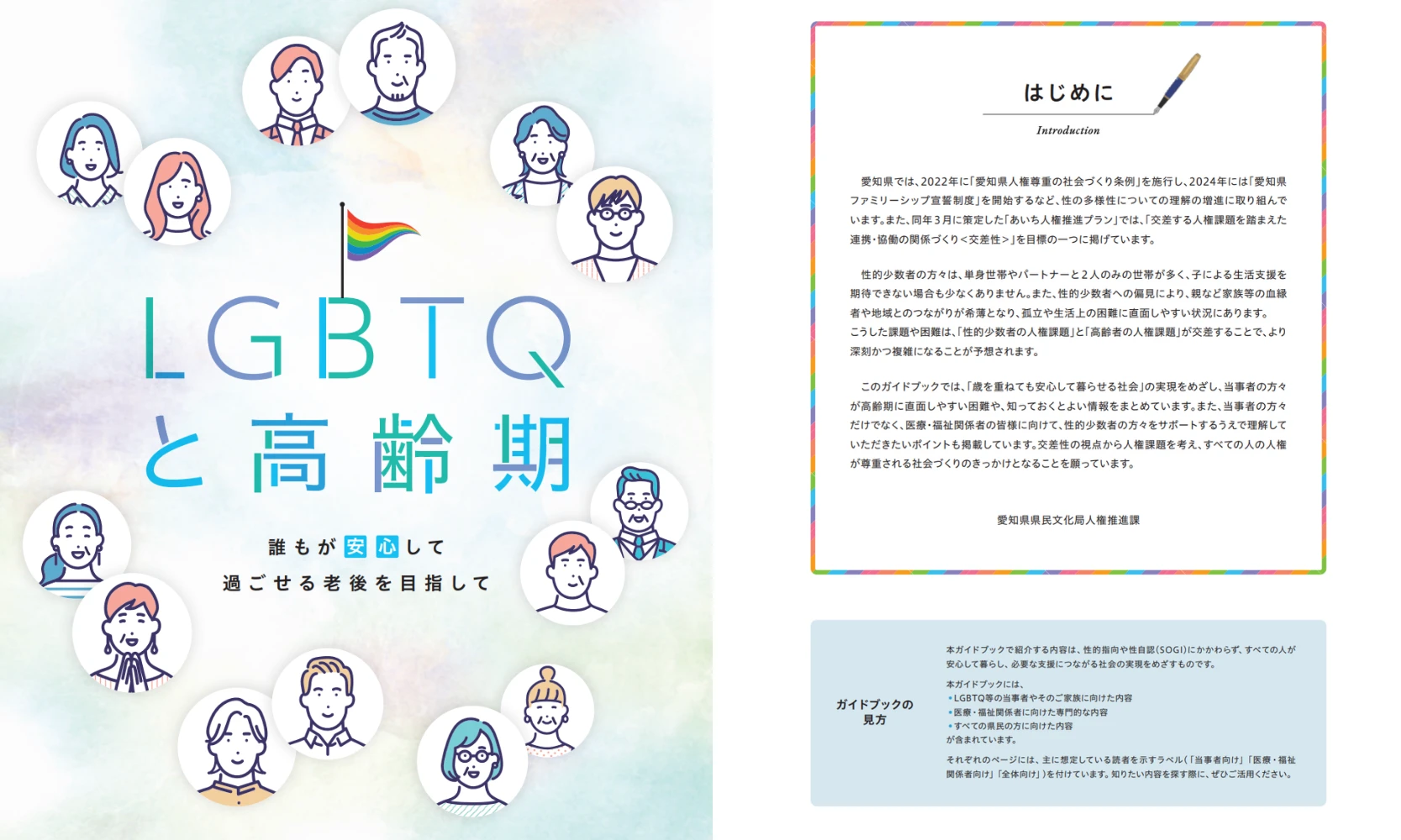
An initiative to promote understanding of older LGBTQ+ people in Aichi Prefecture noted that one gay social worker believed that the understanding of HIV among care providers was outdated.
Experiences can vary considerably between providers. One transgender individual, who started HRT at the age of 62, was initially told that a health check-up for a transgender woman would be difficult.
After going to a different doctor, however, she was listened to attentively, and the medical professionals made an extra effort to make her comfortable during her check-ups.
Partners, Loss and Recognition
Grief and bereavement are inescapable consequences of being alive, no matter who you are.
For older LGBTQ+ people in Japan, though, losing a partner can come with extra considerations. That lack of automatic legal recognition can complicate illness, death, and inheritance, making advance planning more important for some same-sex couples.
Community-driven support is available for older queer people in Japan who have lost someone.
One source of community-driven support is Purple Hands, an NPO which, in its own words, “aims to create a community where sexual minorities and people with diverse lifestyles can learn from each other, build friendships, receive advice and consulting, and support each other even in old age.”
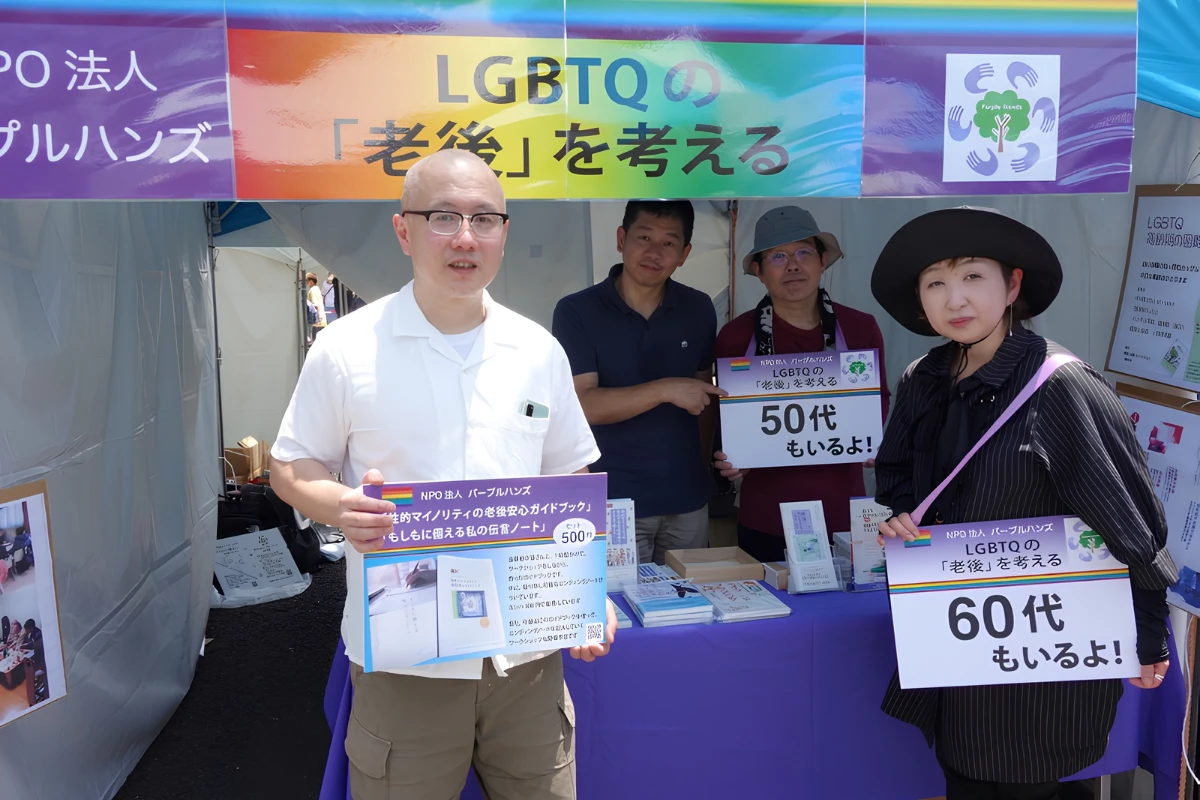
It offers free consultations over the phone or in person, and can provide financial planning assistance, such as the preparation of a will or cash-flow document through an administrative scrivener, for a fee.
It also has a Grief Sharing Group for those who have lost a partner, as well as a Carers Cafe gathering, where queer people who care for their partners or parents can support one another.
Finding Community and Support Later in Life
Before we conclude, please do not leave with the impression that aging in Japan as an LGBTQ+ person is nothing but anxiety and loss. The life of a queer elder in Japan can be one of joy and fulfilment.
Purple Hands also offers more social ways to connect. It has the Purple Cafe, a gathering for LGBTQ+ people 40 and older, and Chabudai, where people bring dishes from home to share.
新宿二丁目。 itself may be well known as a spot for queer youth, but there are plenty of bars where older people congregate — and everyone knows that the best Mama-san have some years behind them. How else could they give such good advice?
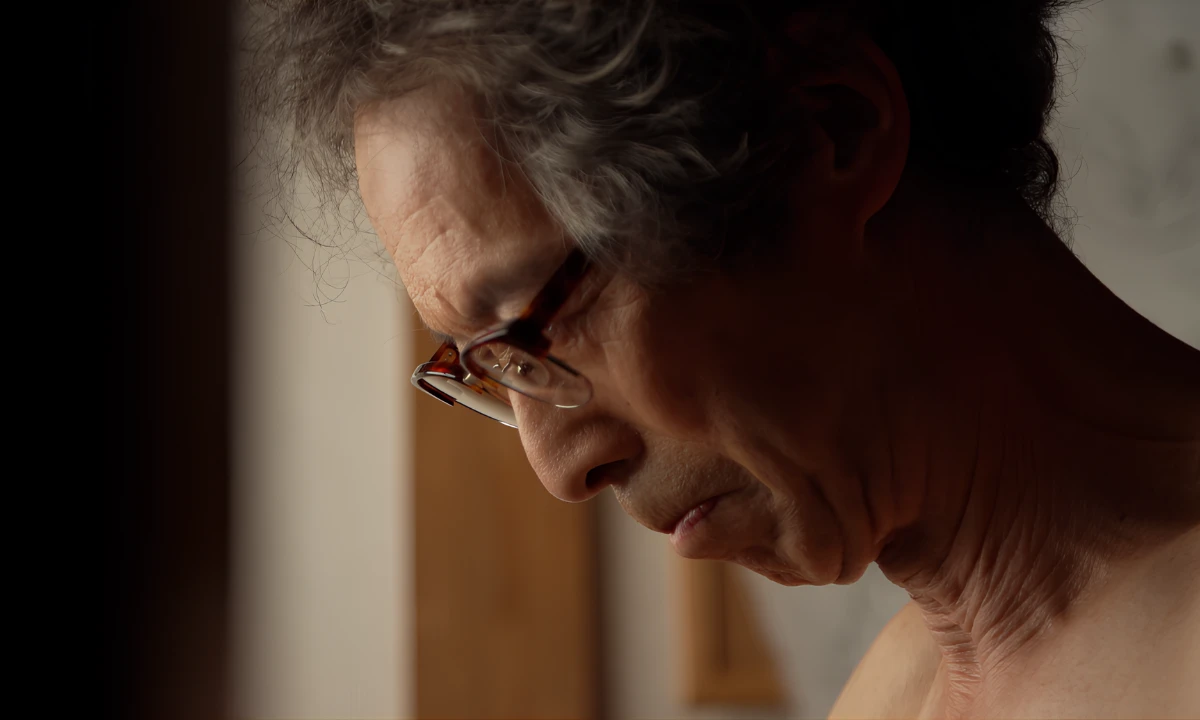
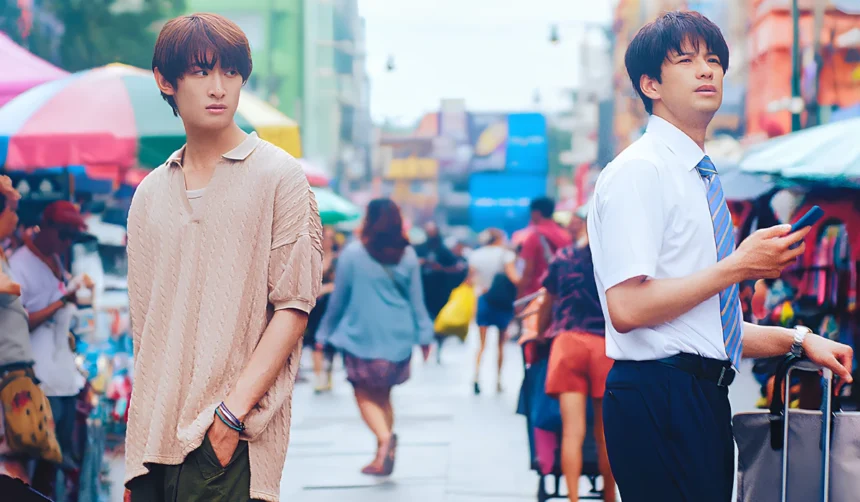
Older queer lives can also be found in Japanese media. One good example is 老水仙, which examines the life and soul of an older gay man in contemporary Japan.
Finally, the barriers to finding like-minded people are continuing to fall away as social media reduces, or even removes, the geographical obstacles to meeting people like you.
The life of a queer person can be rich and wonderful, and this doesn’t have to change just because you get older. Times change, and just as we change with them, society is also slowly becoming more amenable to queer elders.
Whether you’re beginning to prefer quiet drinks with friends to hitting the dance floor, starting HRT in your 60s, or planning your big gay 95th birthday party, growing old as an LGBTQ+ person in Japan can just be another part of life.