
Sho Arai is a Japanese manga artist who has spent much of his career turning his own life into comics. His work explores gender, sexuality, relationships and the body, but usually through something more immediate: the strange, funny and sometimes uncomfortable moments of everyday life.
Arai is also intersex. At the age of 30, chromosome testing gave him new information about his body and helped him make sense of questions that had followed him for years. That discovery would become an important part of both his life and his manga.
Intersex is an umbrella term for natural variations in physical sex characteristics, including chromosomes, hormones or reproductive anatomy. It is different from gender identity and sexual orientation, and experiences vary widely from person to person. You can read more in our guide to what it means to be intersex.
Who Is Sho Arai?
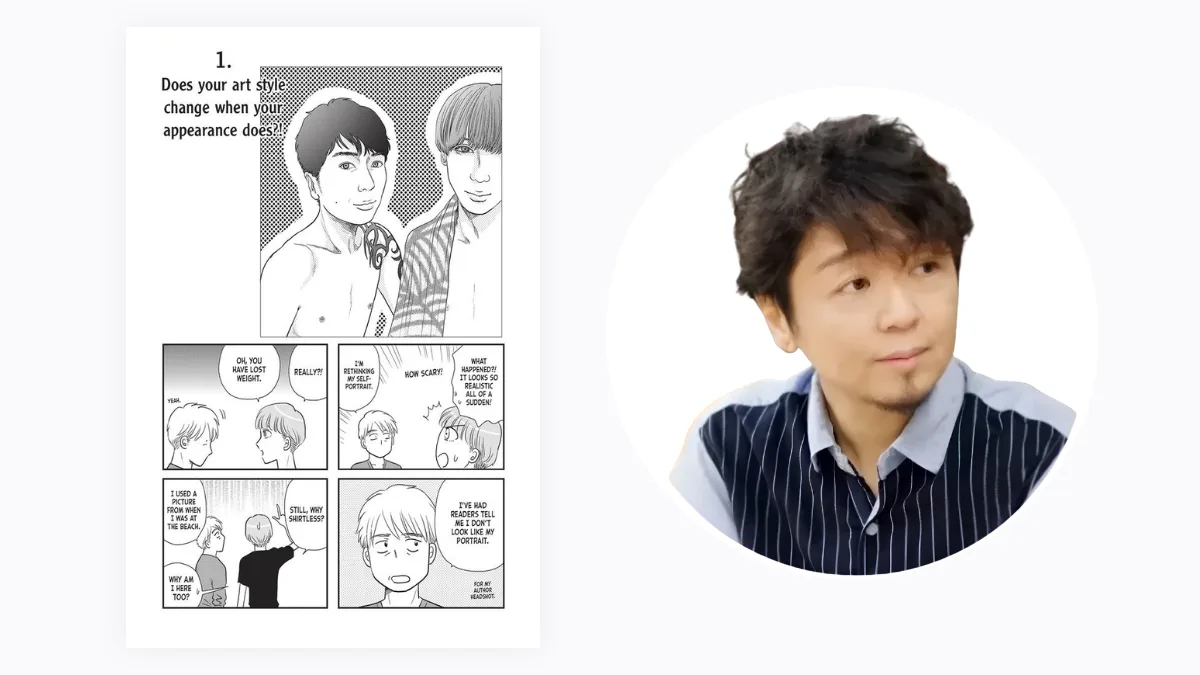
Arai is known for autobiographical, essay-style manga based on his own experiences. Instead of approaching gender and sexuality as abstract subjects, he writes about what they look like in real life: relationships, changing bodies, getting older and dealing with other people’s assumptions about who you are.
That personal approach is what makes his work so interesting.
For much of his early life, Arai was raised and lived as a woman. But he had long felt that aspects of his body did not fit neatly with what was expected of someone assigned female at birth.
At 30, he underwent chromosome testing and learned that he was intersex.
It was a major discovery, but not the kind that suddenly answered every question. If anything, Arai’s manga shows how complicated things can become when the labels you have lived with for years no longer seem quite so straightforward.
Discovering He Was Intersex at 30
Arai’s chromosome testing became a turning point in his understanding of himself.
He later learned that he had Turner syndrome, a chromosomal condition involving the X chromosome. Turner syndrome is sometimes described too simply as having only one X chromosome. In reality, there are several variations: one X chromosome may be missing completely, partially altered or present differently across cells.
But chromosomes are only one part of Arai’s story.
Learning more about his body did not automatically determine his gender, sexuality or how he should live. Those are separate questions, even if they sometimes overlap in someone’s personal experience.
That distinction is especially important with Arai. His life touches on intersex experience, gender expression, sexuality and masculinity, but none of those things can simply be used as another word for the others.
His manga is far more interested in what happens when those categories stop lining up neatly.
Turning His Life Into Manga
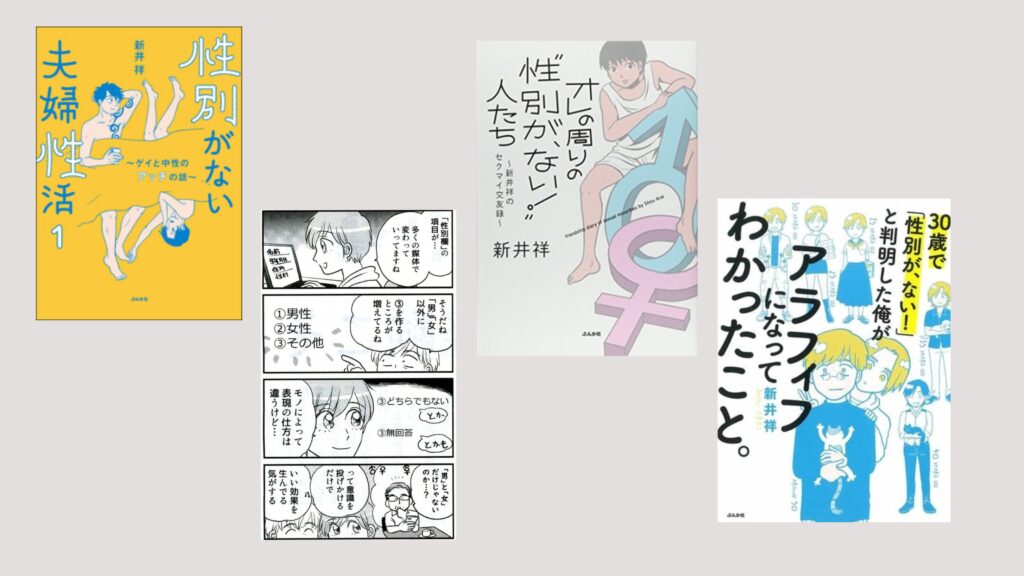
Arai began putting those experiences directly into his comics.
His autobiographical manga deals with the body, love, sexuality, gender and the social expectations attached to being seen as male or female. At times the subject matter is deeply personal, but the work is not relentlessly serious. Humor is a big part of it.
That works particularly well for Arai because identity rarely appears in his comics as one dramatic revelation followed by a neat conclusion. It turns up in conversations, relationships, embarrassing situations and the small moments when someone else’s assumptions suddenly become obvious.
There is something refreshingly untidy about that.
Arai can change how he understands himself without pretending his earlier life never happened. A difficult experience can also be funny. A question about gender can sit next to something completely ordinary.
It makes his manga feel more like somebody living through these questions than somebody trying to give the reader a lesson about them.
Seibetsu ga, Nai!
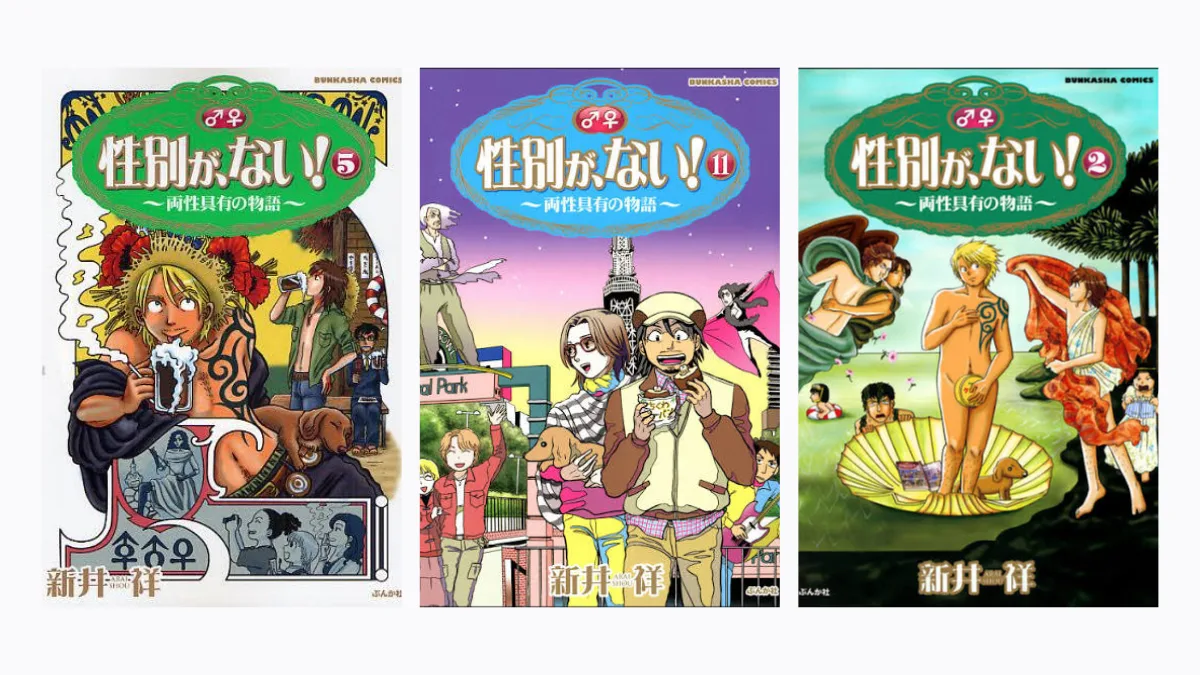
One of Arai’s best-known works is Seibetsu ga, Nai! (性別が、ない!), a long-running autobiographical manga series based around his life and experiences.
The series ran for 15 volumes over roughly a decade, giving Arai much more room than a short memoir would to explore how ideas about gender and sexuality play out over time.
The story moves beyond the moment he discovered he was intersex. It touches on relationships, attraction, bodies, other sexual minorities and the everyday experience of living in a society where people are often expected to fit clearly into male or female roles.
Some of the terminology used in the original Japanese title and older promotional material reflects the language of its time and can sound dated today. What has lasted better is the way Arai approaches the subject itself: personally, openly and often with humor.
At 30, I Realized I Had No Gender
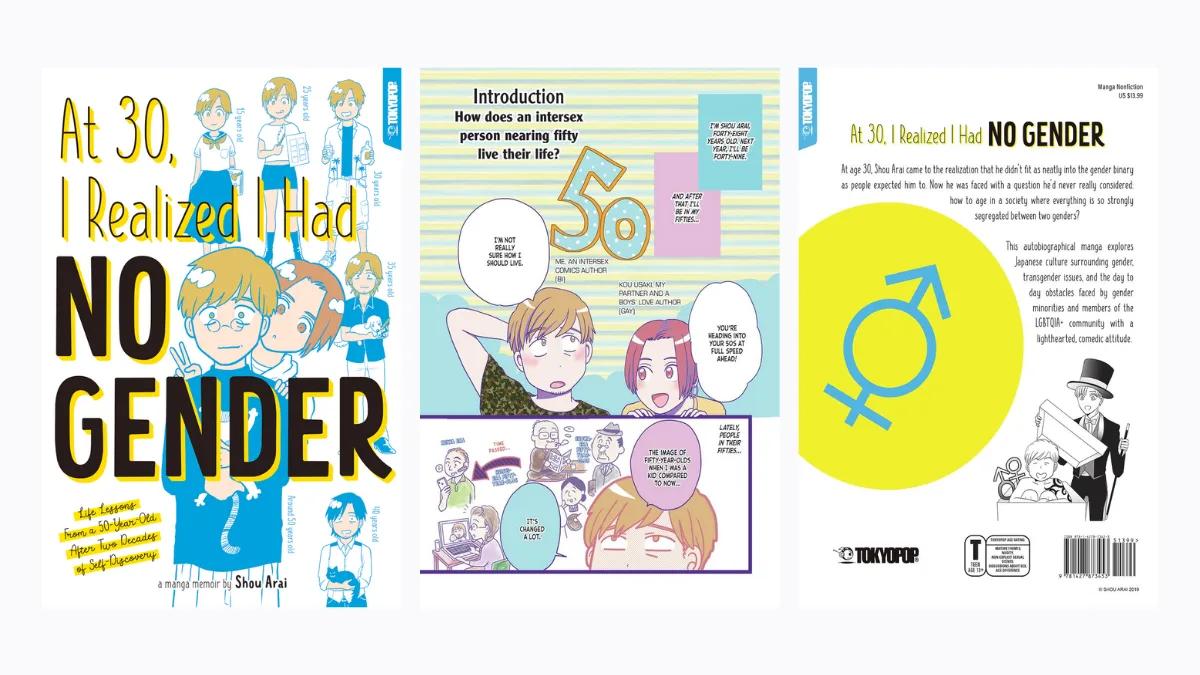
For readers who want to discover Arai’s work in English, At 30, I Realized I Had No Gender is the obvious place to start.
Published in English in 2023, the autobiographical manga explores Arai’s experiences with gender and life in Japan, including what it means to grow older in a society where so much can still be divided into male and female categories.
The title is intentionally striking, but it should not be taken as a definition of intersex. It belongs to Arai’s own story and the way he has chosen to explore it.
What makes the book compelling is that Arai is interested in more than the discovery he made at 30. He also looks at everything that comes afterward.
How do you move through the world when the categories other people use for you no longer feel simple? How much does appearance shape how strangers treat you? And what happens when your own understanding of yourself keeps changing as you get older?
Arai does not force those questions into tidy answers. That is part of the appeal.
No Gender! The Queer Life of an Intersex Manga Artist
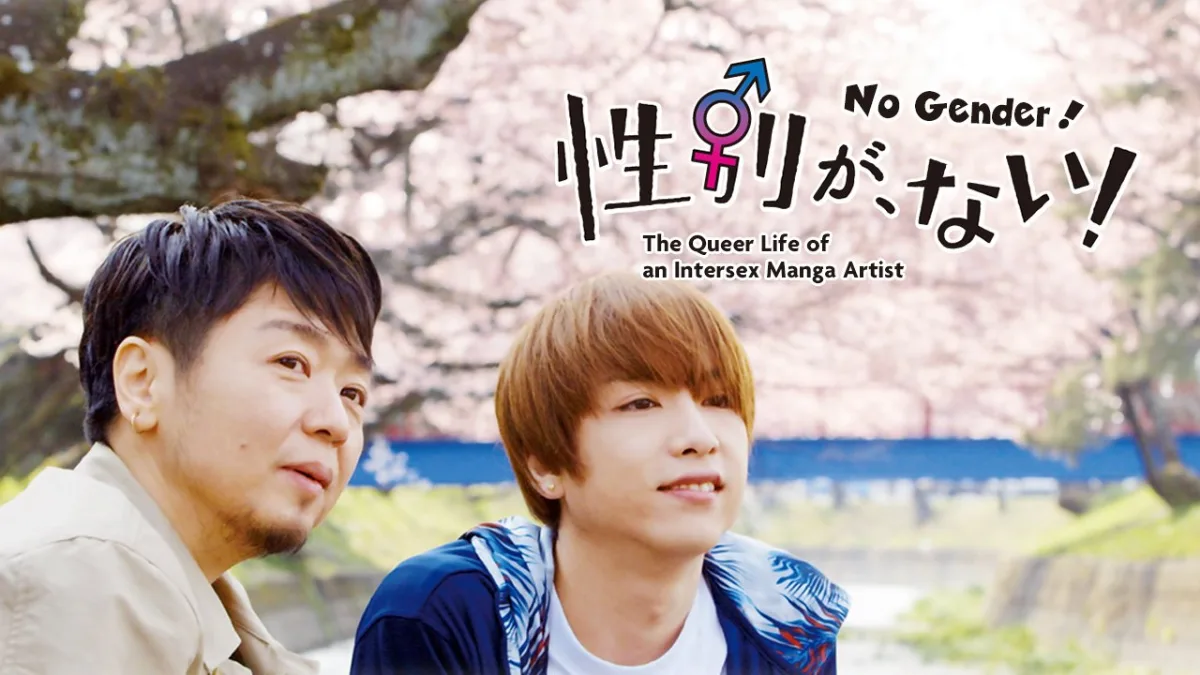
Arai’s life has also been documented on film.
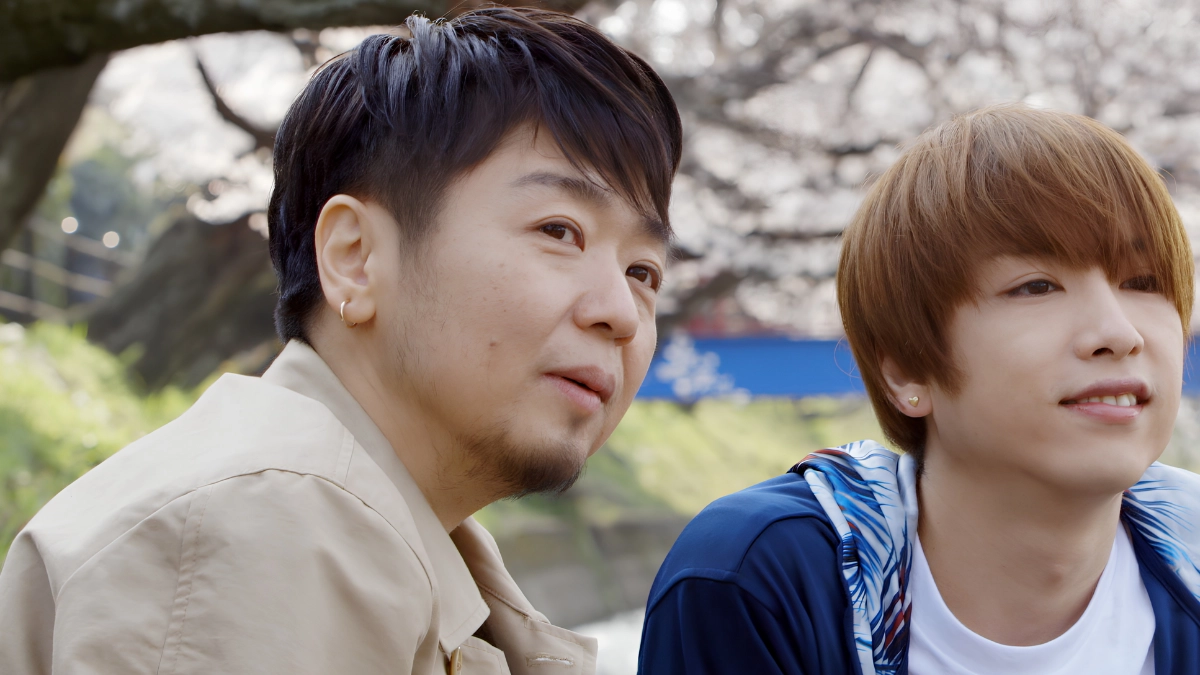
Released in Japan in 2018, No Gender! The Queer Life of an Intersex Manga Artist follows Arai’s everyday life while looking back at his experience of learning he was intersex at 30.
The documentary makes a useful companion to his manga. Comics allow Arai to select, reshape and joke about moments from his life; the film offers another perspective on the person behind those stories.
For anyone already interested in his work, it helps connect the manga back to the life it came from.
Why Sho Arai’s Manga Is Worth Reading
Sho Arai’s story is not interesting because it provides a simple explanation of what being intersex means.
It is interesting because it refuses to be that simple.
Chromosomes, bodies, gender, attraction and the way other people see us are often treated as though they should fit together perfectly. Arai’s work shows what life can look like when they don’t.
And because he tells that story through autobiographical manga, those ideas rarely stay theoretical for long. They become conversations, jokes, awkward encounters, relationships and moments when the rules people take for granted suddenly seem much less obvious.
Arai’s experience is only one intersex experience, but it is an unusually well-documented one, told across years of manga as well as film.
For readers interested in LGBTQ+ culture in Japan, autobiographical manga or simply the complicated ways people come to understand themselves, Sho Arai is a fascinating artist to discover.
For more background beyond Arai’s individual story, read our guide below!