
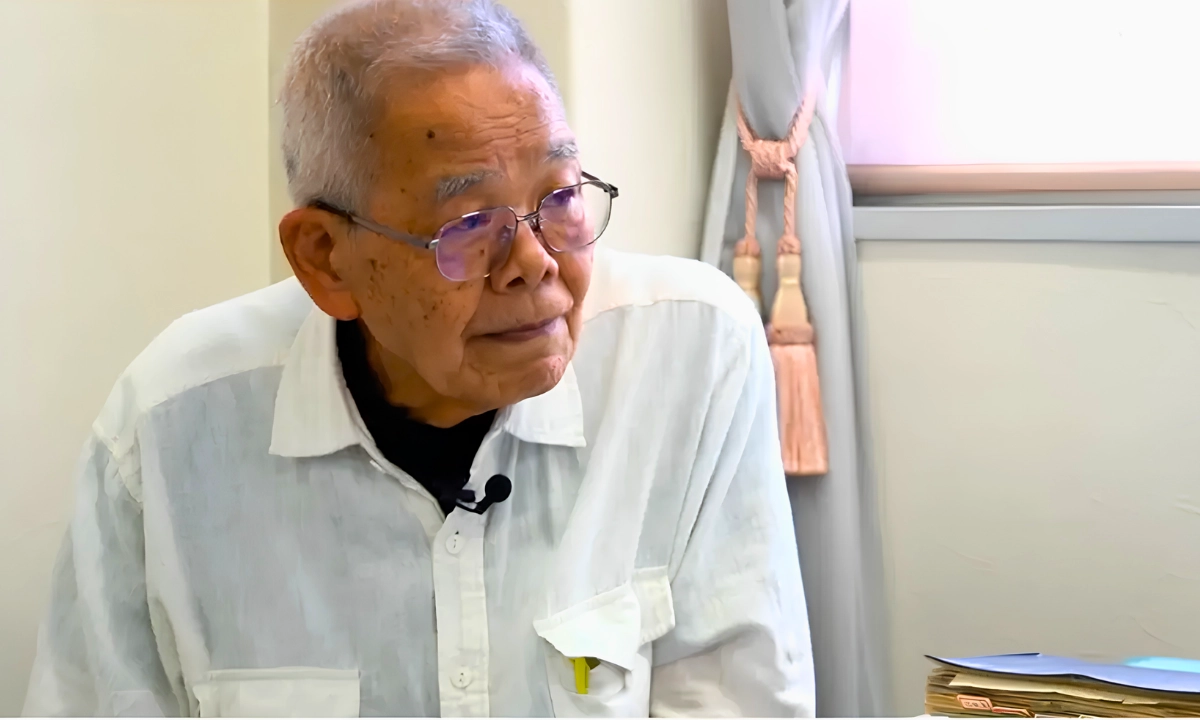

On 12 October 2026, the Tokyo HIV Treatment Network will hold a gathering to honor the life of Dr. Masayoshi Negishi at Community Center akta. Dr. Negishi passed away on 23 June, 2026 at the age of 83. He was one of the central figures in Japan’s fight against HIV/AIDS — and against the stigma against those who have it.
生い立ち
Dr. Negishi was born in 1943, and trained as a doctor in Tokyo, graduating from Keio University School of Medicine. He joined the university’s Department of Hematology, Infectious Diseases, and Rheumatology because he was interested in hematology, the study of diseases that affect blood. He also developed an interest in diseases that affect the immune system.
In 1981 — the same year that the disease that would later be called AIDS was first reported in the United States of America — Dr. Negishi joined the Department of Infectious Diseases at Tokyo Metropolitan Komagome Hospital, as it had a long history of treating blood-borne diseases. It was here that the first specialist AIDS outpatient clinic in Japan opened in 1985, the same year of the first AIDS diagnosis in Japan.
Combatting AIDS, Combatting Ignorance
In 1986, after Komagome Hospital began treating AIDS patients, Dr. Negishi began to join study groups and meetings for hemophiliacs, gay men, and Japanese women working in the sex industry. He took this opportunity to learn about their lives and how HIV/AIDS could impact them. That same year saw the first AIDS Candlelight Memorial in Japan, organized by Teishiro Minami. Dr. Negishi joined the candlelit march through Nichome, Japan’s famous gay district.
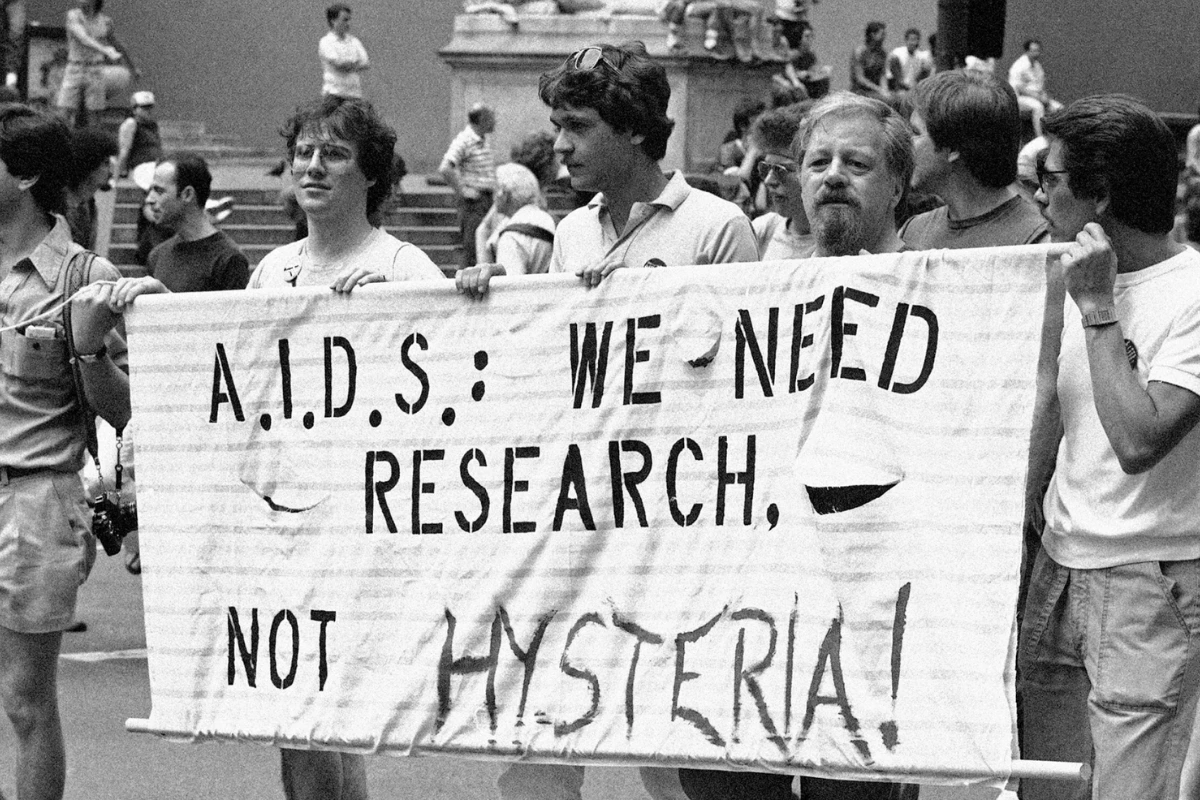
1986 and 1987 also saw Japan’s “AIDS Panic,” which included people who were not LGBTQ+ and not part of the nightlife scene being infected, and sensationalist reporting that surrounded this. This led the government to begin drafting the AIDS Prevention Law. This included mandatory reporting of AIDS infected people to the relevant authorities, as well as granting investigative powers and compulsory testing powers to local governments.
Dr. Negishi and others saw this as an infringement of politics into the medical field. Dr. Negishi was particularly mindful of the way that, under the Leprosy Prevention Law, first established in 1907, those infected with leprosy were isolated from society and lived very hard lives. This was not necessary, but was born out of an ignorance of the disease, how it worked, and how it spread. He could see this same ignorance being repeated in the way that AIDS patients were being perceived in Japan.
While Dr. Negishi received letters from Japanese leprosy patients urging him and other doctors “not to make the same mistake as with leprosy,” lawmakers who championed the AIDS Prevention Law were publicly saying things like, “Is it acceptable to endanger the lives of 99 people in order to protect the human rights of one person?”
Dr. Negishi opposed the AIDS Prevention Law not only on the basis that it would violate patients’ civil liberties, but also because it could inadvertently make the spread of AIDS in Japan worse. He said that even before the AIDS Prevention Law had been passed, the implications of it had already seen people cancelling testing and check-up appointments at Komagome Hospital due to fears that their privacy would be violated. This increased the risk of people not being able to get advice and guidance from a doctor, he said, and forced sick people ‘underground,’ increasing the chances that the disease can spread. Speaking against the AIDS Prevention Law, Dr. Negishi said, “infected people are not criminals, but people who need support.”
Dedicated AIDS Treatment
In 1994, alongside other medical professionals, Dr. Negishi created the Tokyo HIV Treatment Network. The network brings together people involved in HIV treatment and care, allowing them to share knowledge, strengthen cooperation, and discuss issues affecting HIV care. Dr. Negishi was the representative of the Tokyo HIV Treatment Network for nearly three decades, retiring from the position in 2023. The network also includes individuals representing community support organizations, such as Tsuneta Iwahashi, the chair of アクタ.
In addition to this, in 2004 he began to seek out potential partners to start a clinic that specializes in treating HIV carriers. However, while he was able to find the necessary support from the medical community, real estate agencies refused to give him space for the clinic when they learned what it would be used for.
A few short years later, he was finally able to find a supportive agency and opened the Negishi Internal Medicine Clinic in February 2007. Based in Yotsuya-Sanchome, it serves as a friendly neighborhood clinic providing care to HIV patients much like any other specialist clinic for a chronic disease. This not only provides care for people living with HIV, but helps to normalize the condition in the hope that those who are infected will not suffer in the same manner that leprosy patients did in the 20th Century.
レガシー
Dr. Negishi was not just a pioneer in the field of AIDS treatment in Japan, but was acutely aware of how important it was not to let stigma and ignorance worsen the lives of those who were sick and who needed medicine, not antipathy. Agreeing with Susan Sontag that AIDS is nothing more than another disease to be treated, he said, “AIDS may be manageable with advances in medicine. However, the psychological and social problems that AIDS creates are something that each individual must think about and find their own answers to.”
Writing in The Japanese Society for AIDS Research’s periodical The Journal on AIDS Research, Dr. Kenji Imamura, the present Director of the Department of Infectious Diseases at Komagome Hospital, thoughtfully eulogized Dr. Negishi. He said that thanks to Dr. Negishi, “the idea that not only medical treatment but also psychological and social support is essential for HIV care was practised early on, and through a number of activities that are the cornerstones of Japan’s AIDS measures, it has greatly contributed to the development of [The Japanese Society for AIDS Research].”
Dr. Imamura went on to say, “from the time I started training at Komagome Hospital, I saw that he was deeply focussed on not only the treatment of HIV and other opportunistic diseases, but also on the lives, background, economic and social difficulties — including prejudice, discrimination, and sexuality-related problems — of each patient.
“But what impressed me most of all was the warm gaze he gave to every patient. Whenever I was with him, I was struck by how he could calmly explain matters in a way that relieved patients’ anxieties; smiled in a way that seemed to embrace the patient; and how he seemed to envelop the people he treated with kindness.
“I felt that his philosophy, ‘it is also important for doctors to reassure patients,’ is, to me, the basis of all medical treatment.”
Tokyo HIV Treatment Network is holding a gathering at Community Center akta from 2:30pm to 5pm on Monday 12 October 2026 in memory of Dr. Masayoshi Negishi. Please join the gathering to share your memories of Dr. Negishi, or to listen to the memories of others who met him.