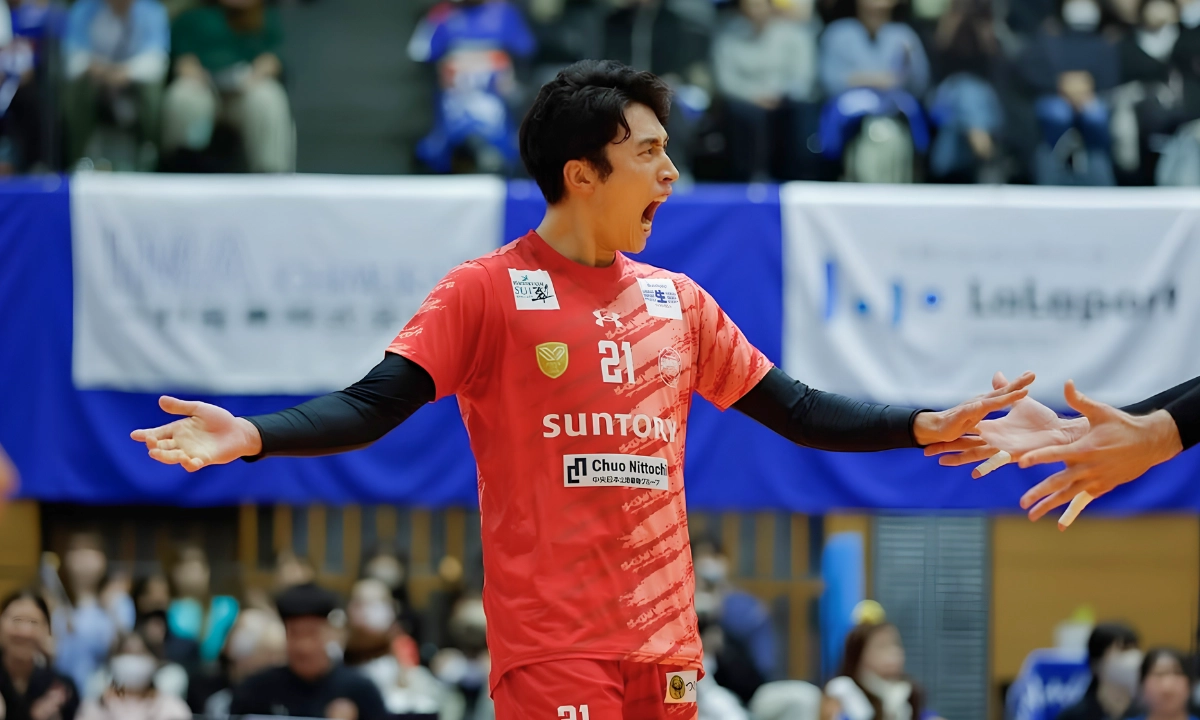

Japanese professional volleyball player Rui Takahashi has publicly come out as gay, with fellow SV.League player Reon Arao sharing his own experience soon afterwards. Takahashi, an outside hitter for Suntory Sunbirds Osaka, made his announcement on 29 September 2026. Arao, a libero for Voreas Hokkaido, later spoke about his sexuality, describing questioning as the closest LGBTQ+ label for him.
Arao also credited Takahashi’s courage with encouraging him to speak publicly. Here’s what the two players shared, and why their announcements are significant for LGBTQ+ visibility in Japanese volleyball and the wider sporting community.
What Rui Takahashi Said About Coming Out
On 29 September 2026, Takahashi publicly identified as gay in a statement reproduced by PRIDE JAPAN. In the statement, he described the challenges he had faced since childhood as he tried to understand and accept his sexuality.
In its English-language report, ジャパンタイムズ translated Takahashi’s account of how conversations with his younger brother, Ran, helped him accept himself.
Talking with Ran became the trigger that finally allowed me to accept myself for the first time.
Ran is also a well-known figure in Japanese volleyball. But Rui’s announcement was about his own experience and the people who supported him along the way. Takahashi expressed gratitude to his family, teammates, and supporters. He also hoped that his decision to speak publicly might encourage others facing similar struggles.
I would be happy if my decision […] could, even in a small way, become a catalyst for them.
Coming out is a personal decision. There’s no single right time or way to do it. By sharing his experience, Takahashi offered others a reminder that they are not alone.
How Reon Arao Responded
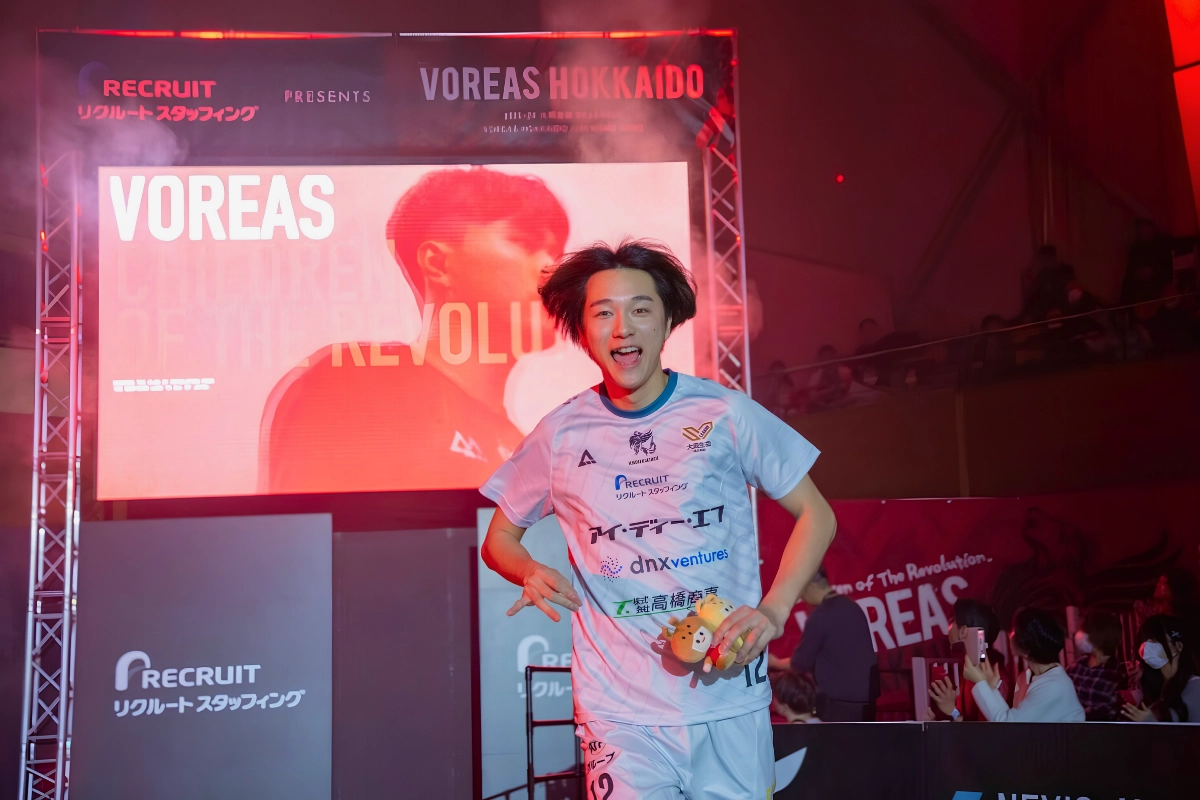
Soon after Takahashi’s announcement, Reon Arao, who plays as a libero for Voreas Hokkaido in the SV.League shared his own story.
If I had to choose from the LGBTQ+ spectrum, I think my sexuality is closest to ‘Q’ for Questioning.
“Questioning” describes someone exploring or reflecting on their sexual orientation and/or gender identity, without necessarily choosing a more specific label. Arao’s words are a reminder that everyone’s experience is different, and no one should feel pressured to define themselves in a particular way.
Arao also credited Takahashi’s courage with encouraging him to share his own story. Seeing another player speak openly about his experience helped Arao find the confidence to express his own, in his own words.
Even so, Rui Takahashi’s courage as someone active at the forefront of the same sport encouraged me to share my own story in my own words.
What the Announcements Mean for Japanese Volleyball
Public LGBTQ+ disclosures remain relatively rare in Japanese professional sport, as The Japan Times reported following Takahashi’s announcement. However, these two stories are not about being first. Their significance lies in what the players have shared and how their experiences connect.
Takahashi spoke about the hope that his announcement might encourage others facing similar struggles. Arao then explained that Takahashi’s courage had encouraged him to share his own experience.
This is a meaningful connection between two players in the same professional league. It offers a real example of how visibility can affect someone on a personal level.
That doesn’t mean that every LGBTQ+ athlete will feel ready to come out, or that professional sport has suddenly become free of prejudice. Nor does it prove that attitudes across Japan have changed. But both players have helped make LGBTQ+ experiences more visible in Japanese men’s volleyball.
Their announcements also come as the 2026-27 SV.League season begins. According to the Suntory Sunbirds Osaka match schedule, Suntory Sunbirds Osaka and Voreas Hokkaido are scheduled to meet at Asue Arena Osaka on 24 and 25 October 2026. These fixtures bring the two clubs into the same sporting context, although the schedule does not confirm whether either player will be taking part.
Japan’s sporting world continues to see conversations about LGBTQ+ inclusion. For another example, read our article on LGBTQ+ visibility in Japanese sport and the efforts to make Japanese football more inclusive.
Their stories show how personal experiences can connect, with Takahashi’s decision to speak openly encouraging Arao to share his own.