

Five Queer-friendly Japanese Festivals

Tobias Waters

Japanese Festivals for LGBTQ+ Folks!

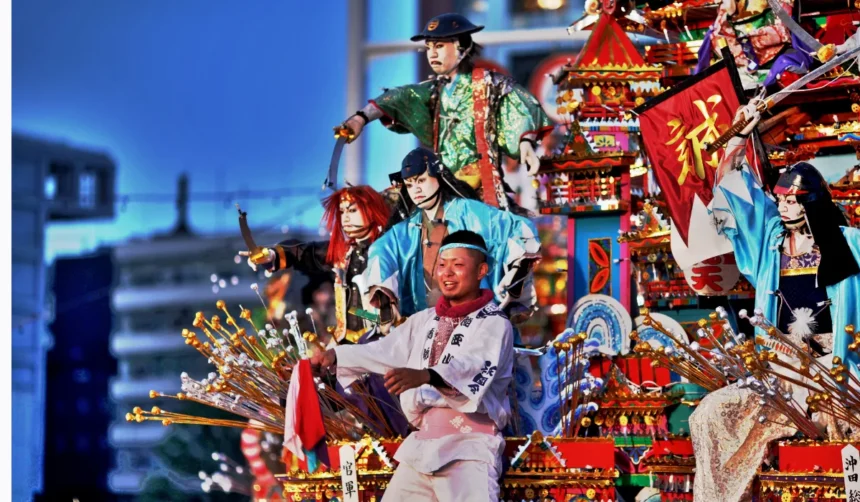
One of the real joys of Japanese culture — for both visitors and residents of Japan alike — are the Japanese festivals, also known as “matsuri.” While Japan is, in practice, a highly secular society, many festivals in Japan follow the traditions of the native Shinto religion, which has no proscriptions against homosexuality. These will involve traditional dances and music, and will likely also have a great deal of delicious street foods available.

There are also more modern festivals specifically for LGBTQ+ people, and Japan has rapidly expanded the number of Pride parades and festivals over the past decade, to the point that queer people from the tip of Hokkaido to the shores of Okinawa can be assured that there will be a festival for them. So, today, let’s grab our party hats and check out five queer-friendly Japanese festivals — including a special entry from our friends in the USA!

Festivals in Japan

There are far too many individual festivals in Japan, both old and modern, to list to completion, so here is a fearsome foursome we’re feeling.

Kanamara Penis Festival

japanese festival kanamara festival

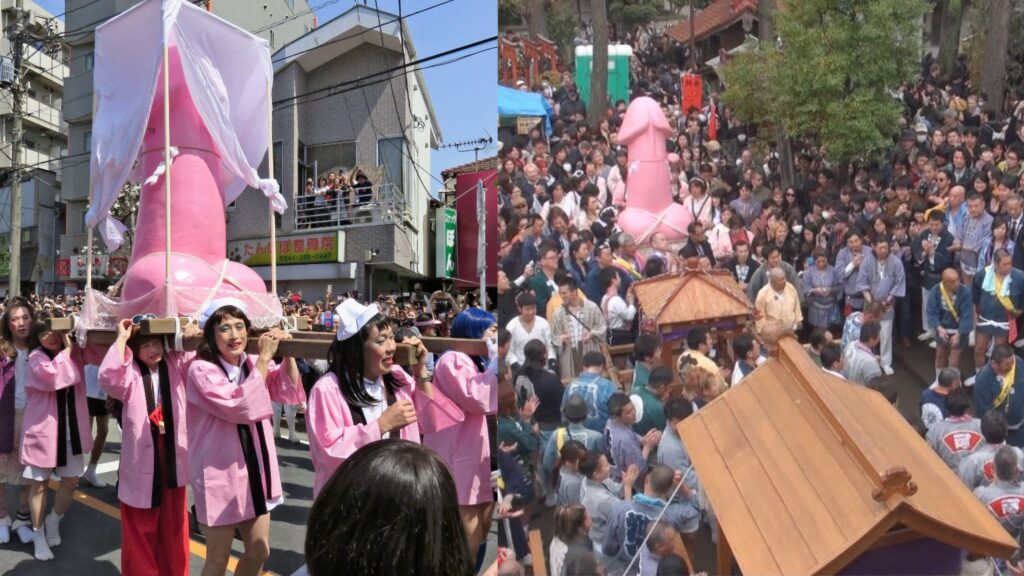
While Japan has a number of celebrations surrounding the penis (your humble scribe was first introduced to phallic festivals at Aichi Prefecture’s Tenteko Matsuri), the Kanamara Penis Festival is by far the most popular and prominent (ahem). Held annually on the first Sunday in April at Kanamara Shrine in Kawasaki city, south just south of Tokyo.

Legend has it that it began when a demon fell in love with a beautiful woman, and hid inside her vagina to bite the penis off of any man who was about to get some action with her. Eventually, the frustrated maiden asked a blacksmith to forge a phallus of steel, which, when she engaged in a touch of self love, shattered the demon’s teeth, and forced him to leave. Now, the festival celebrates blacksmiths, and is also thought to protect participants from STDs, and any profits made are donated to HIV-related causes.

The festival includes a parade which sees four ceremonial cocks carried to the shrine, including the unmissable bright pink Elizabeth Penis, donated by the Elizabeth Drag Queen troupe. Participants can also fill their mouths and bellies with penis-themed foods, and carve daikon radishes into the shape of a shaft to offer up to the shrine.

Oagata Vagina Festival

japanese festival ooagata vagina festival

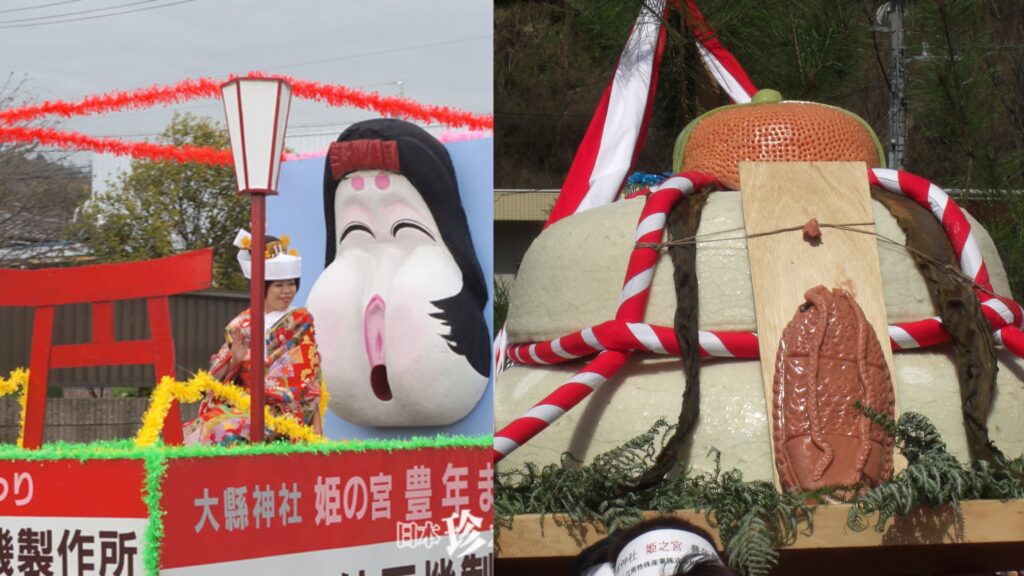
Located in Aichi Prefecture’s Inuyama, Oagata Shrine’s yearly vagina festival is held on the Sunday closest to 15 March. In-keeping with many festivals, this celebration of women’s health has a procession to the shrine, led by unmarried women dressed up to the nines who sit on elaborately decorated floats — one of which has a giant vagina as the symbol of fertility and female health.

The shrine itself is notable for being the site of a number of stones that have vertical clefts, making them resemble vulva. These were actually once fairly common in Japan, as sex is not such a taboo subject in Shinto. However, during the Meiji Era, most of them were removed, as it was thought that they were somewhat “backwards,” and would somehow hinder the development of the nation, making this shrine one of the few places that they can be found.

There is also a small 鳥居 shrine gate, just large enough for some adults to squeeze through. Going through is likened to being reborn, and for those who can, it’s a portent of good luck for the year ahead!

東京自慢

japanese festival tokyo pride

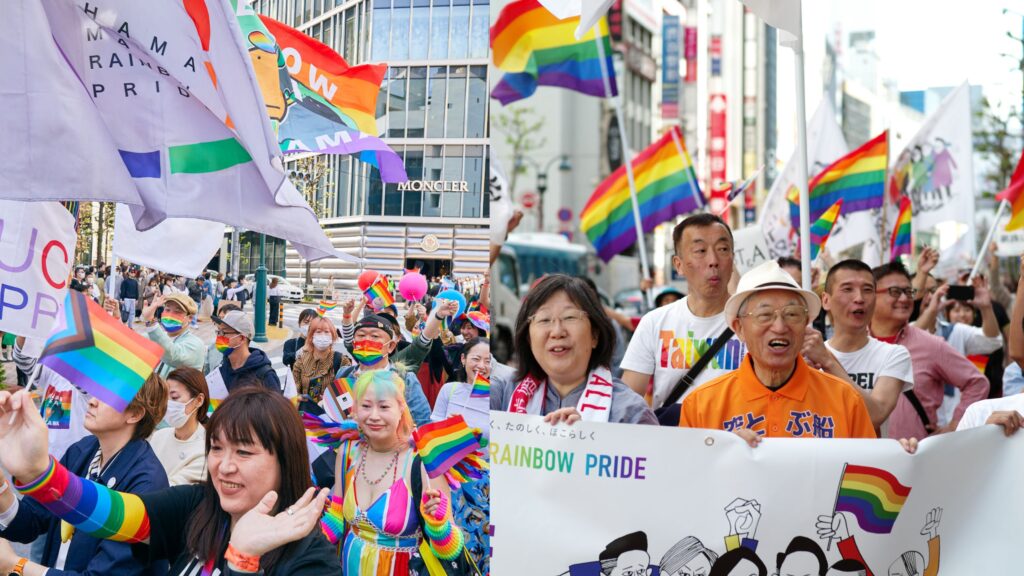
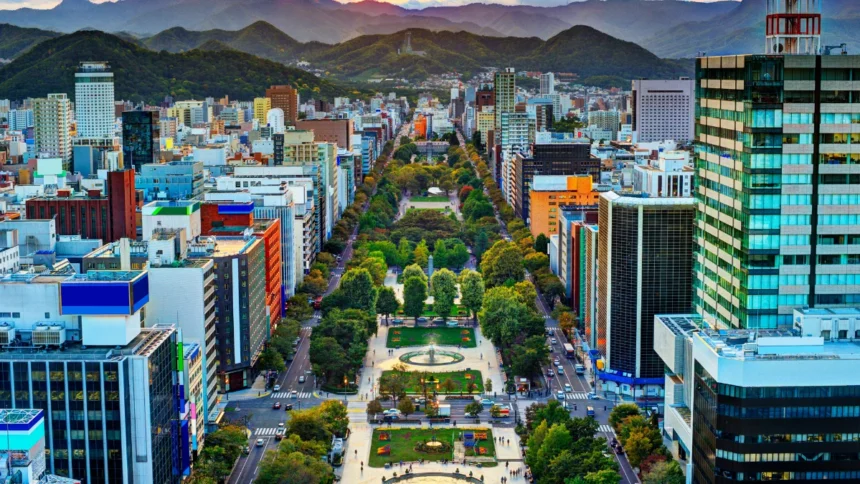
The largest and most visible of the modern LGBTQ+ festivals, Tokyo Pride traces it origins back to 1994, when it was a march in protest at the Tokyo government not allowing LGBTQ+ youth to access the city’s youth hostels. Today, it attracts over 10,000 visitors every year over its weekend-long celebrations, including a parade from Yoyogi Park to Shibuya and back again.

Each year, Tokyo Pride offers dozens of stalls offering delicious food and LGBTQ+ goods and resources, as well as presenting a number of speakers and performers to educate, entertain, and inspire the crowd. This year, the MCs of the event have been announced as: Durian Lollobrigida, one of Japan’s most beloved drag queens; Thelma Aoyama, a singing sensation and darling of the LGBTQ+ community; Baby Vaggie, a veteran of Tokyo Pride festivals; and 中川美優, a transgender actor who recently won an award for her breakout performance in ブルーボーイ・トライアル.

This year’s theme is “Equal rights today. A freer, fairer tomorrow,” which one can see as not just a terrific aspiration for the future, but also a theme that is anticipating the Supreme Court’s decision on the constitutionality of marriage equality. Here’s hoping that the court listen well to the organizers and attendees of this year’s festival.

Obon

japanese festival obon

Obon is arguably the most important holiday in Japan (outside of New Year’s), and can be considered as a unified celebration of Japan’s Shinto and Buddhist traditions. With both religions placing importance on respect for ancestors, today Obon is something of a “homecoming” holiday, when many who have moved away from their families to live and work will return home to be with their families and celebrate.

While it is celebrated every year, the dates of Obon can be interesting: it was once always celebrated on the 15th day of the 7th month, but with a shift to a Gregorian calendar, this has made the date somewhat variable. Even Tokyo has a different celebration of Obon, in July, to much of the rest of Japan, which celebrates in August (this year, the four-day observation will begin on August 27).

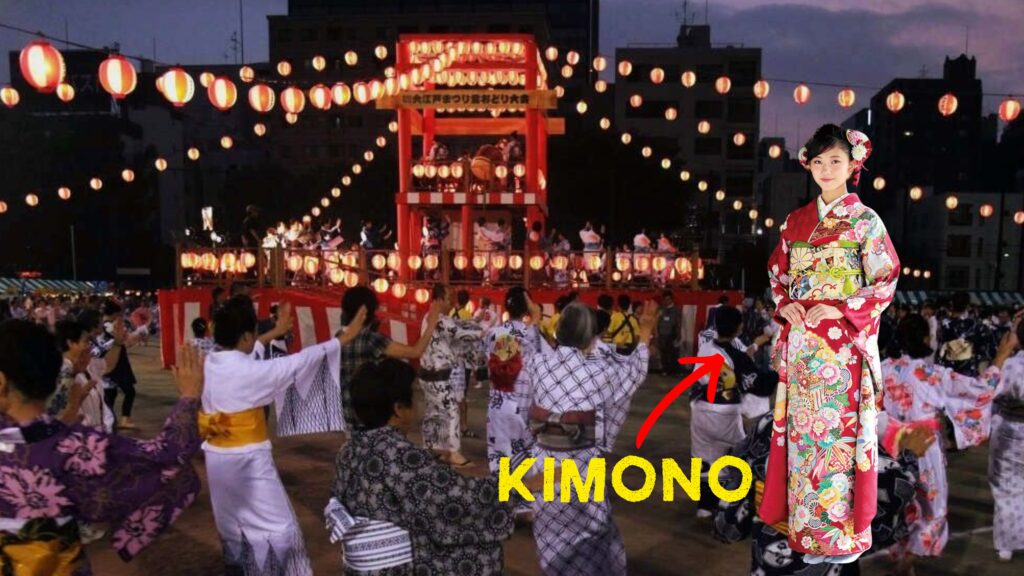
The Bon Odori is perhaps the most visible of the Obon traditions. With a history going back over six centuries, Bon Odori is a folk dance with variations across each region of Japan, with the common thread being dancing in a circle around the yagura tower, which is also where musicians and singers perform. Given the hot weather, most will wear yukata, single-layer cotton kimono. Given Shinto’s relaxed attitude towards LGBTQ+ people, Obon is a place where anyone can feel welcome, regardless of their sexuality.

LGBTQ+ Matsuri Outside of Japan!

The Japanese diaspora may have developed slightly different, localized versions of festivals in Japan, but that doesn’t mean their matsuri are any less enjoyable — especially in places where the LGBTQ+ community is arguably more unified and open than in many places in Japan. And as a highlight of one such matsuri, we’d like to draw your attention to Okaeri Matsuri!

Okaeri Matsuri

japanese festival okaeri matsuri

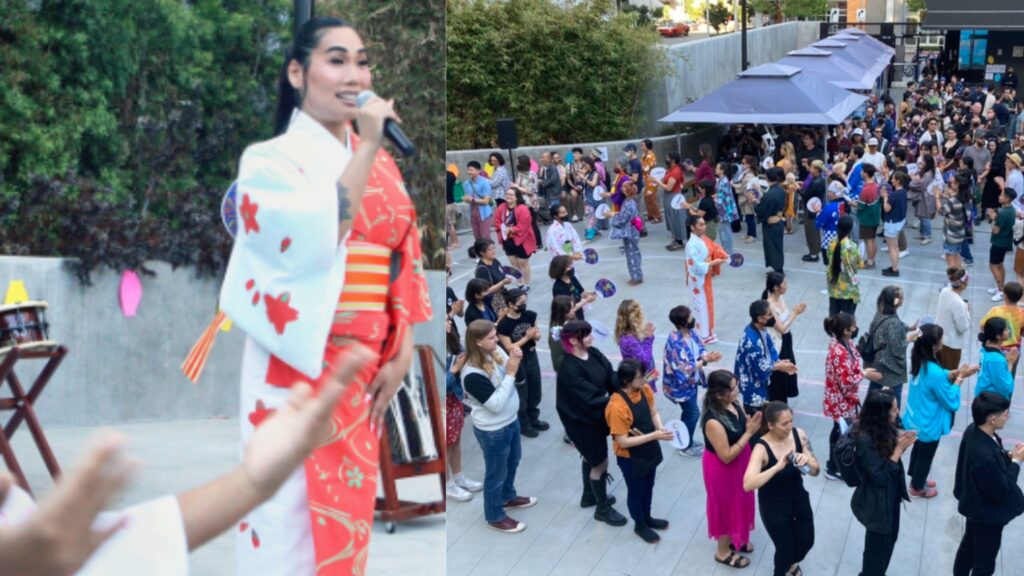
This Los Angeles, California-based matsuri first took place in 2023, when it was known as “Queer Obon.” It exists to be a safe space for queer people to celebrate the Obon traditions in an inclusive manner, especially as, while Obon is not anti-LGBTQ+, it does tend to adhere strictly to typical gender norms. In the words of the organizers, “Okaeri Matsuri is the first event that centers queer joy in the Japanese American Obon/Matsuri tradition, allowing individuals of all backgrounds and identities to come and participate as their full selves.”

Since its debut, it has seen performances from Japanese-American drag queen Gia Gunn and the drumming group TAIKOPROJECT, and has even created its own signature Bon Odori, the ‘Okaeri Ondo,’ which you can learn by watching the video これ! For LGBTQ+ people in the Japanese diaspora on the west coast, this is a can’t-miss event.

Whether you’re attending festivals in Japan, or going to matsuri abroad, there are plenty of options for anyone who wants to party as their authentic self.

トビアスは編集者、ライターとして10年以上働いており、ロンドンの法律系出版社でキャリアをスタートさせた後、2019年に東京に拠点を移した。 日本の首都に移ってからは、自動車、医療、ビデオゲーム、経済、ワイン、教育、旅行など、さまざまなテーマの記事を執筆または編集している。日本で初めて発売されたCBDビールをレビューしたこともある! 余暇は映画鑑賞、ビデオゲーム、カラオケ、銭湯通い。好きなポケモンはシンクス、好きな食べ物はカレー。2008年の金融危機がいかに現代世界のすべてに影響を与えたかについては、決して黙っていない。