
日本のLGBTQ+文化では、特定のスラングには深い文化的意味があり、最もよく知られているものの1つは オナベ(おなべ). 。 用語 日本のオナベ この言葉は、出生時に女性と割り当てられたものの、社会的に男性として振る舞ったり生活したりする人々を指す言葉として、長年使われてきた。特にナイトライフやクィアコミュニティといった文脈で用いられることが多い。日本国外ではあまり馴染みのない言葉かもしれないが、日本国内におけるジェンダー・アイデンティティとジェンダー表現の議論において、重要な位置を占めている。.
「お鍋」は日本語でどういう意味ですか?
日常の日本語では、, 鍋 「調理鍋」という意味です。スラング用語「“小辺’, しかし、は 出生時に女性と割り当てられた(AFAB)が、男性として振る舞ったり、社会的に男性として生活している個人. この言葉はクィアのサブカルチャーの中で生まれ、特に東京と大阪のナイトライフと強く結びついている。.
歴史的に、ラベル オナベ それは必ずしも「トランスジェンダー男性」や「ブッチレズビアン」といった西洋の概念にきれいに当てはまるものではなかった。むしろそれは、 男性的な外見の女性 あるいは、特に恋愛関係やエンターテイメントの場面において、男性的な役割を担うAFAB(出生時に女性と割り当てられた人)の人々。.
‘日本文化における「お鍋」
ナイトライフとホストクラブ
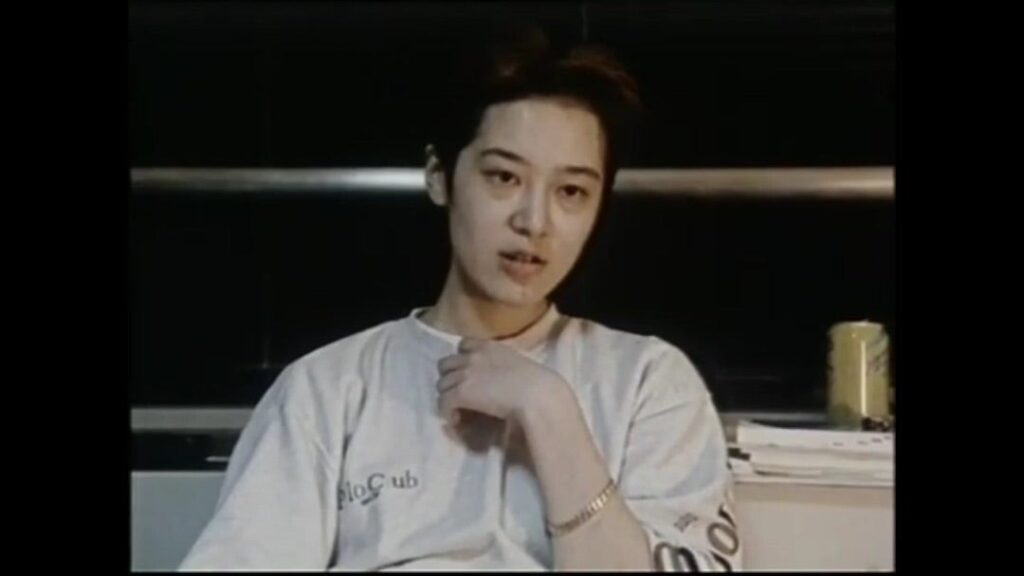
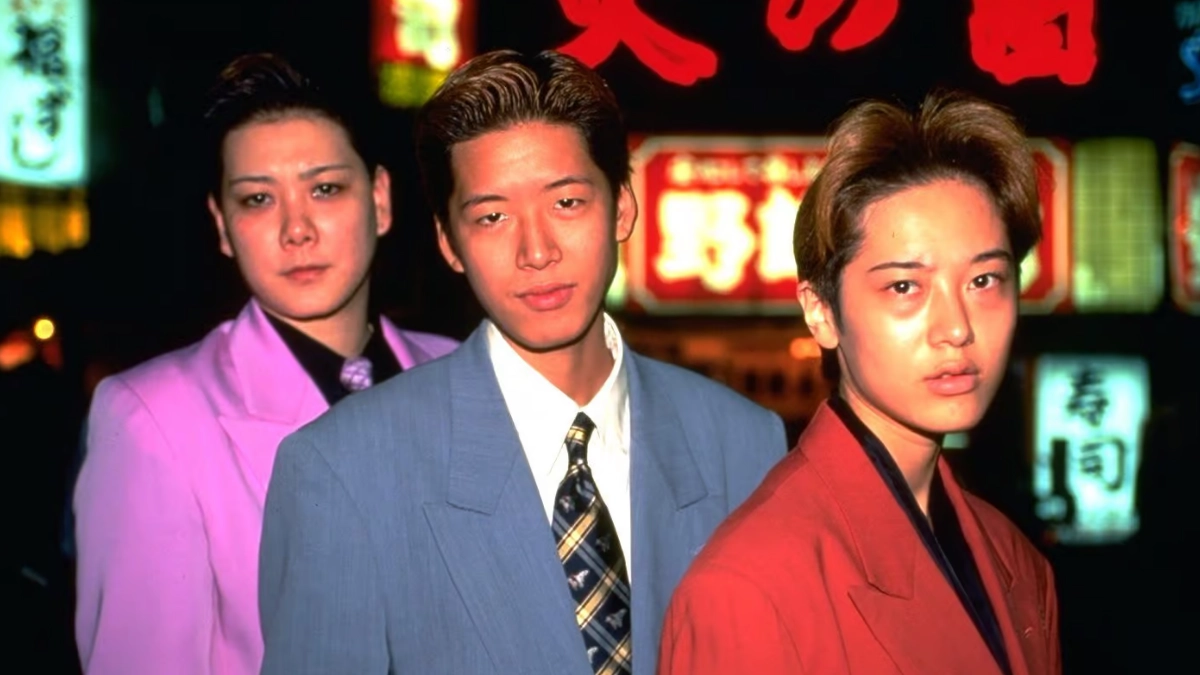
という言葉がある。 オナベ ナイトライフを通じて広く知られるようになった。東京最大のLGBTQ+地区である新宿二丁目では、, 尾鍋バー 空間として機能し、 オナベ ホストとして働き、従来の男性ホストクラブと同様の方法で女性客をもてなした。これらの場所は、女性が異性愛規範の枠外で男性的なパートナーと交流する機会を提供すると同時に、コミュニティスペースも作り出した。 オナベ 彼ら自身。.
文化的可視性
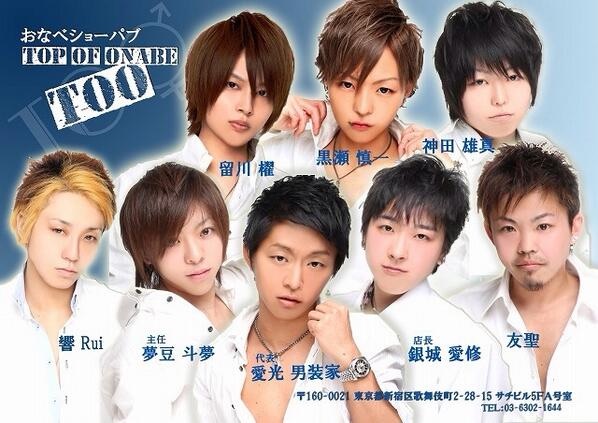
ある人にとって、 オナベ それは厳密なアイデンティティよりも、ナイトライフ文化における社会的役割への参加に重きを置いていた。こうしたアイデンティティは日本のクィア・サブカルチャーにおいて非常に顕著であったが、主流社会における理解はしばしばステレオタイプに留まっていた。.
言語の変化
世界的なLGBTQ+活動が拡大するにつれ、かつては自分と共通点があったかもしれない多くの人々が オナベ 次のような用語を採用し始めた トランスジェンダー (トランスジェンダー) または Xジェンダー (エックスジェンダー), それは、より肯定的な印象を与え、国際的な人権運動とも合致しているように感じられた。.
「お鍋」という言葉は不快な表現、あるいは時代遅れな表現なのか?
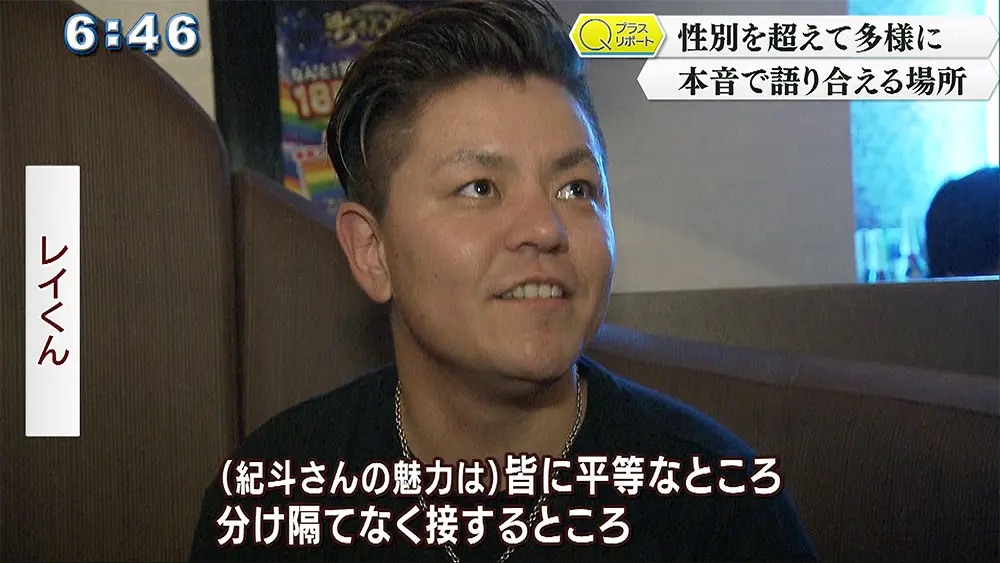
とは異なり オカマ, 広く侮蔑的とみなされている言葉 オナベ は あまり露骨に侮辱的ではない. とはいえ、その使用法は時代遅れに感じられることもある。日本のLGBTQ+の人々の中には、特にナイトライフの場でこの言葉を誇りを持って受け入れている人もいる一方で、アイデンティティを単純化しすぎている、あるいは自分たちの実際の経験を反映していないと感じる人もいる。.
今日、若い世代は、次のような用語を使って自分自身を表現することを好むことが多い。 FTM(女性から男性への性転換), トランス男性あるいは Xジェンダー, より高い精度を提供する。部外者はその言葉を使う際には注意すべきである。 オナベ それは、文化的・歴史的文脈の中で理解するのが最も適切であるため、何気なく語られる。.
‘日本における「おなべ」とその他の性自認に関する用語
理解するために オナベ, 他の日本のLGBTQ+関連用語と並べて見てみると分かりやすいでしょう。
- オカマ(おかま): 伝統的には、女々しい男性や女装パフォーマーを指すのに使われていたが、現在では蔑称とみなされている。.
- おねえ (おねえ): 派手なゲイ男性を指す、やや穏やかなスラングで、メディアでよく使われる。.
- Xジェンダー「ノンバイナリー」に似た現代的なアイデンティティのカテゴリーで、日本の若いLGBTQ+の人々の間でますます受け入れられつつある。.
これらの条件と比較すると、, オナベ これは日本のクィア語彙の初期段階を反映しており、歴史的には重要であるが、今日では活動家や日常生活の場面ではあまり使われていない。.
‘メディアと表現における「オナベ」

それほど一般的ではないが、 オカマ 主流テレビでは、, オナベ 日本のメディア、特に二丁目のナイトライフを探求するドラマやドキュメンタリーに登場している。しかし、その描写はしばしばエンターテイメントとしての役割に狭く焦点を当てている。 尾部氏が主催する 日常生活や個人のアイデンティティというよりも、.
メディア露出が限られているため、日本国外の多くの人々、そして日本国内の多くの人々でさえ、このラベルに該当する、あるいは関連する多様な経験を依然として誤解している。 オナベ.
よくある質問
日本において「お鍋」とはどういう意味ですか?
オナベ は、男性として振る舞うAFAB(出生時に女性と割り当てられた人)を指すスラングで、LGBTQ+のナイトライフやホストクラブと関連付けられることが多い。.
小鍋さんは不快な人物ですか?
それはそれほど侮辱的ではない オカマ, しかし、時代遅れに感じられることもある。今でもその言葉に共感する人もいれば、次のような現代的な用語を好む人もいる。 トランス男性 または Xジェンダー.
日本にはまだお鍋バーはありますか?
はい。新宿二丁目や大阪堂山地区には、今でもバーとして知られている店がいくつかあります。 尾鍋バー, ホストが女性客をもてなす場所。.
日本の若いLGBTQ+の人々は、オナベの代わりにどのような言葉を使っているのでしょうか?
多くの使用 トランスジェンダー (トランスジェンダー), FTMあるいは Xジェンダー, これは、ジェンダー・アイデンティティに関する世界的な理解により近いものです。.