


Japan is making some progress when it comes to recognizing LGBTQ+ rights. Across the country, the partnership oath system has spread, queer media is more prevalent than ever before, and although marriage equality is still not recognized, the majority of the public do support same-gender marriage.
However, the “T” part of “LGBTQ+” is much less well recognized or understood — and this is especially true of transgender youth, whose rights are currently being scrutinized across the world.
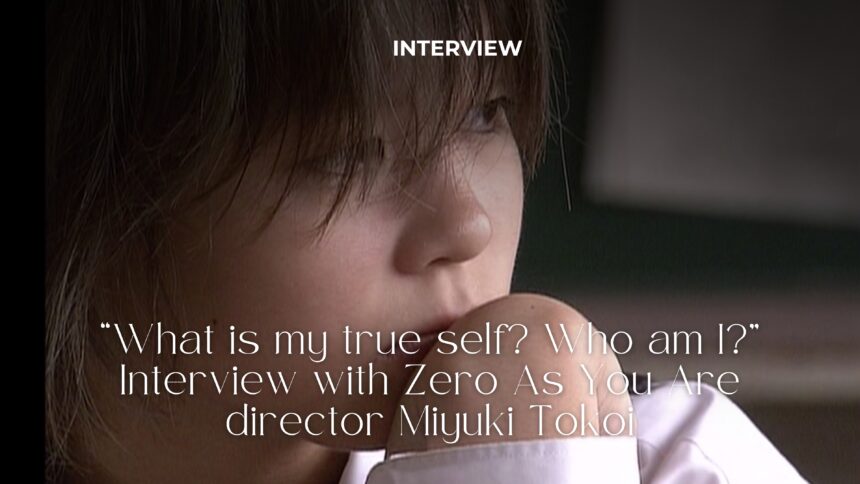
One of the most well-received documentaries on the subject in recent years, however, is Zero As You Are, which explores the thoughts and feelings of Takamasa “Sky” Kobayashi as they experience the process of transitioning as a young person in Japan, first from a woman to a man, and then to being non-binary. I spoke to the director Miyuki Tokoi about her thoughts on the movie, five years after its debut.
The Beginnings of the Project
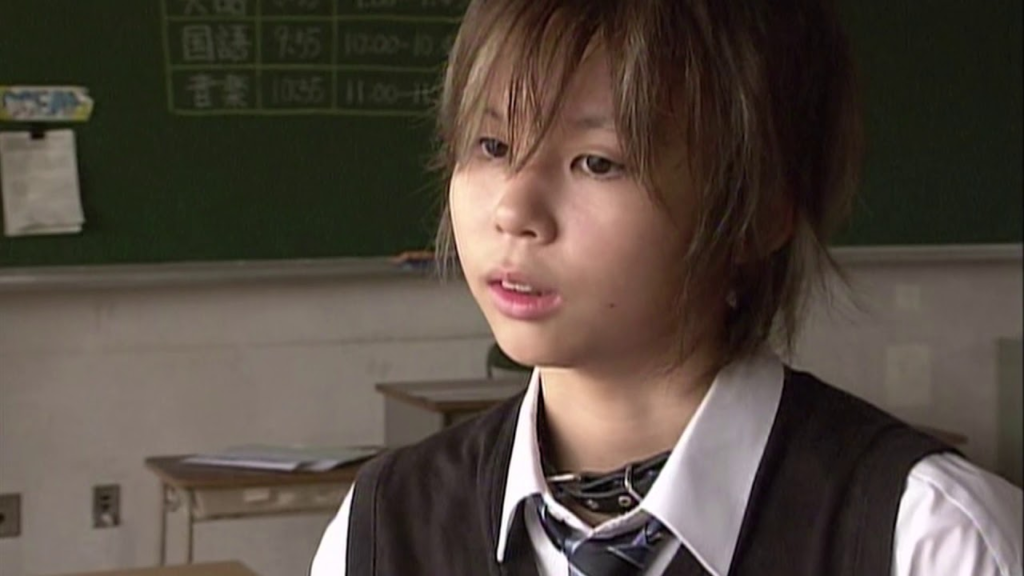
The film documents several years in Kobayashi’s life, and so naturally the concept — and the meeting between Tokoi and Kobayashi had to come long before the release. But what was Tokoi’s impetus for creating the movie?
“Back in 2010, I knew the term ‘GID/gender dysphoria,’ but I hadn’t given it much thought. Then, that summer, I read a newspaper article stating: ‘Children with gender dysphoria face various worries and suffering in schools that demand gender-segregated lives.’ Until then, I hadn’t connected it to children’s issues.”
Like many people, Tokoi herself had experienced difficulties in her youth, being made to conform to roles in school that did not suit her as an individual. After reading this article, she became restless, and wanted to know more. A former music producer turned filmmaker, she had a stroke of luck when she met Kobayashi, then aged 15, by chance, who had realized that being assigned female at birth was not right for them, and had begun the process of transitioning.
“Kobayashi possessed a firm sense of self, the courage to show his face and use his real name, and a strong desire to share his way of life with many people. ‘Ask me anything, there are no taboos’ – this was someone I could interview. I felt that by documenting Kobayashi’s journey into adulthood, I might capture something profoundly important for us all.”
Kobayashi and Their Surroundings
When watching Zero As You Are, especially in the current climate, where transgender people (and especially transgender youth) in the west are being pilloried, one might be surprised to see how accepting people around Kobayashi seem to be. Tokoi reminds us, however, that just because people are not outwardly aggressive, it does not mean that they are totally accepting.
“In Japan, rather than active discrimination, the situation is one where people are ‘unaware’ due to a lack of knowledge, and where visibility is so low that they are treated as if they don’t exist.”
Indeed, there is a moment in the film where Kobayashi gets a part-time job working at an izakaya, where they are told that there is no problem with being transgender — so long as they don’t tell customers about their “disease.”
“I wanted to depict how the people around Kobayashi offer varying degrees of support, and how this scene portrays support that is only superficial — indeed, Kobayashi was let go from the izakaya not long afterwards,” Tokoi says.
However, there are some people around Kobayashi, including school nurses, friends, and their family, who do support them in a genuine sense. This wasn’t just good luck, however: it was a consequence of Kobayashi’s good spirit and kind soul.
“It wasn’t that people happened to be around to support Kobayashi. Rather, I believe Kobayashi changed those around him,” Tokoi explains. “By opening himself up, Kobayashi enabled others to accept that openness, and in turn, those around him became more open too. I think that’s the positive chain reaction that’s happening.”
Japanese Gender Diversity Across Generations
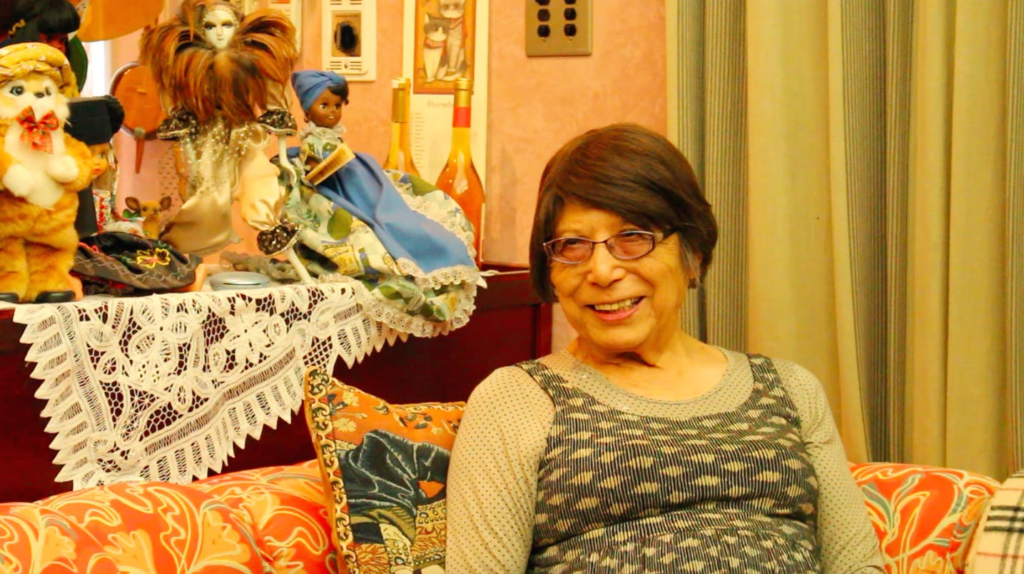
The struggles of being transgender is not new, however. Someone that Kobayashi meets, and that Zero As You Are spends a good amount of time on, is Miyuki Yashiro. Yashiro transitioned from being a man to being a woman at age 78, and served in the military during the Second World War (though her heart was always in music). Why was her story included, especially in such depth, in a documentary about Kobayashi?
“I wanted to express how gender issues differ across generations,” Tokoi says. “The experience of entering the military as a man while possessing a woman’s heart must have been unimaginably painful. Moreover, how did she live in an era where understanding from those around her was utterly unthinkable, even compared to today?”
Indeed, at her school reunion, Yashiro experiences that superficial acceptance that we have noted above, with her old classmates toasting with her, but after a few drinks, some get loud about how uncomfortable they are. Still, this does not take away from who she is, and Tokoi makes it clear how important it was to include her story.
“Yashiro possessed a profoundly gentle nature, displaying a feminine attentiveness with quiet grace. Despite enduring such a difficult life, I was deeply drawn to her character, which retained that very kindness and thoughtfulness.”
Tokoi is clear that, while it is possible, as we have seen, for some people like Kobayashi to positively influence certain individuals around them, there is the larger issue that the people as a whole are not educated on transgender issues. This is made especially clear by the difference in reception by people of different ages.
“At the film screenings too, as the audience aged, the sentiment that it was ‘difficult to understand’ grew more common,” she says. “What we should change, I think, is not people, but society.”
Japanese Society and Transgender Rights Today
As we have discussed, Japan is still far from a perfect society when it comes to transgender rights and respect, and this is equally true for those who are non-binary — or as they are sometimes called in Japan, x-gender. Nevertheless, understanding is progressing day by day, Tokoi believes.
“I believe Japanese society is moving, albeit gradually, towards greater understanding. While there are occasional backlashes, regarding gender specifically, schools, companies, and local authorities are advancing policies, progressing towards establishing or abolishing rules that realise inclusion.
“The driving force that will make these essential changes lies in the courageous actions and voices raised by those directly affected. I wish to express to them my utmost admiration and support.”
One of the most important aspects of the documentary was Kobayashi’s desire to become a voice actor, as they were deeply motivated by the talent of voice actors in their favorite anime (especially Dragonball) when they were feeling low. Their debut performance is as the narrator of this film, which Tokoi says not only deeply affected Kobayashi, but also the LGBTQ+ audience.
“Many people shared positive feedback, saying they felt ‘encouraged’,” she says. “For me, creating this opportunity for Kobayashi to debut as a voice actor was the height of joy. They were delighted themselves. However, this is merely a starting point. What they wish to do from here on, and whether society can change to support that, depends on whether the continued necessary transformation is achieved.”
While the need for greater understanding of transgender issues in Japan has not gone away, thanks to the efforts of people like Kobayashi and filmmakers like Tokoi, the much needed transformation of society is just that little bit closer.
Zero As You Are can be streamed 这里.