
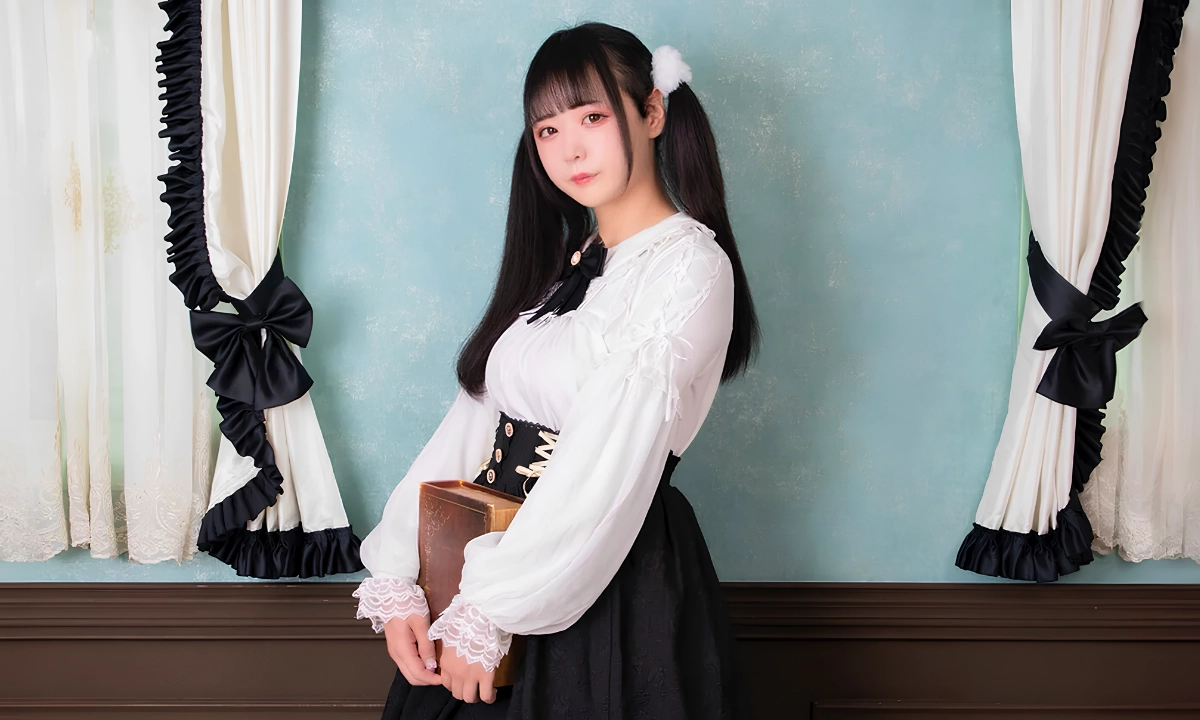

From streaming platforms to eating spots, femboys are all the rage right now — but what is a femboy? For the tragically uninitiated, “femboy” is a term typically used to describe someone who dresses and acts in a stereotypically feminine manner, often while identifying as male, though usage varies.
Are there femboys in Japan? Abso-hecking-lutely! If you’re searching in Japanese, though, you may also come across the term otokonoko (男の娘), especially in anime, manga, fashion, and online subcultures. But is it the same thing as a femboy? How do Japanese femboys differ? Where can you find out more? Tighten that pinafore, straighten your nekomimi, and limber up to dance if you’re a femboy, because we’re gonna take you through all the steps!
什么是日本飞毛腿?
We can more or less keep this section slim and trim. A Japanese femboy is just that: a femboy from Japan — though they might be considered to be “femboys with Japanese characteristics.”
Femboys are usually cisgender men who dress and act femininely, though this is not always the case. There are transgender, nonbinary, and other people who may also use the label. Being a femboy also says nothing, in and of itself, about one’s sexuality.
Most importantly for our purposes, 女汉子 (フェムボーイ) is not the only term you may encounter in Japan. Another important concept is otokonoko, although it has its own cultural and media context rather than serving as a simple Japanese translation of “femboy.”
What Does Otokonoko Mean?
Otokonoko is an interesting word. The usual Japanese word otokonoko (男の子) means “boy”: otoko means “man” or “male,” while ko means “child.”
But in the term we’re talking about here, it is written differently: 男の娘. It is pronounced the same way, but the final character is changed from 子 (“child”) to 娘 (“daughter” or “girl”). This bit of wordplay gives otokonoko its feminine twist — something like “boy-girl” or, more literally, “male daughter.”
That is not to say that every man who crossdresses is otokonoko, however. It is used specifically for a particular subculture (one that is greatly influenced by anime, manga and videogames) and the media surrounding it. While it is very close to “femboy,” it’s not a one-to-one match, though it is a highly useful point of comparison.
How Otokonoko Culture Developed
As with many cultural phenomena, pinning down one exact origin point is difficult. However, scholars place the emergence of the recognizable modern otokonoko genre and subculture largely in the early 2000s, with manga such as Stop!! Hibari-Kun! 和 No Bra discussed as important precursors or examples in its development.

As a genre, otokonoko media has been created and consumed largely within male and transfeminine subcultures. Riley Hannah Lewicki, for example, describes one recurring source of tension in these stories as the “conflict between the love interests’ perceived maleness and the protagonists’ perceived heterosexuality.”
Crossdressing characters and cross-gender performance in Japan long predate the modern otokonoko label. They can provide useful historical context, but they are not automatically part of the same social category. The modern term and subculture are much more recent.
Femboy, Crossdressing and Gender Identity
Time to untangle a few terms that have a habit of getting knotted together.
First up, 性别表达 is essentially how someone presents themselves to the world: clothes, hair, makeup, mannerisms, and all the other choices that make up a look. Crossdressing, meanwhile, usually means wearing clothes that are culturally associated with another gender.
Neither of those things tells you someone’s gender identity, which is how they understand their own gender. And none of them tells you their sexual orientation, meaning who they’re attracted to.
In other words, you can’t look at someone in a frilly dress and work backwards to their entire identity. A feminine-presenting person is not automatically transgender, and someone who calls themselves a femboy may describe their gender in all sorts of ways. Their outfit also won’t tell you who they fancy.
If you want to take a deeper dive into the clothing side of things, have a look at our guide to crossdressing in Japan.

Otokonoko in Fashion and Media
As mentioned, manga and anime have had a strong influence on otokonoko fashion — and this can be reflected in media that feature otokonoko.
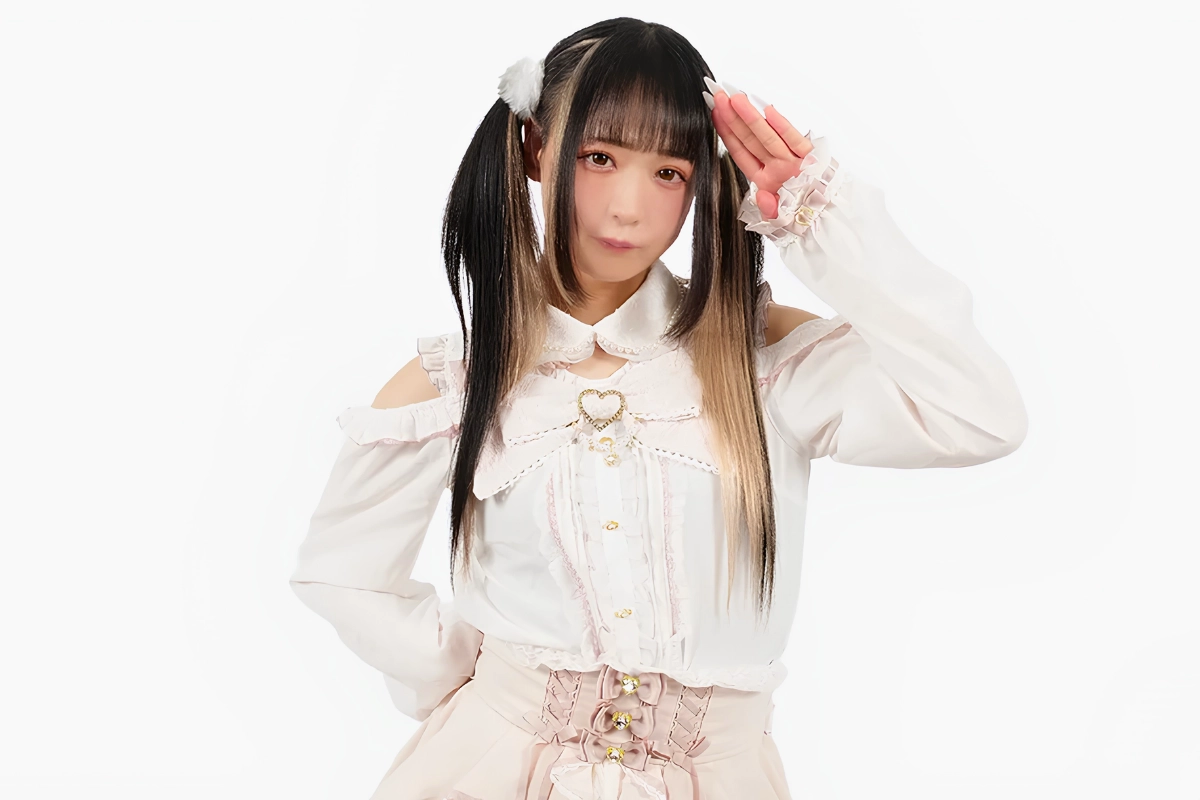
Although there is no one defining otokonoko style, generally the vibe will tend not just to be feminine, but a kind of hyper-cute femininity depicted in anime and manga. As such, you may frequently see frills, stockings, and adorable head-pieces. Maid outfits are often a favorite of otokonoko. Additionally, some otokonoko’s performance of femininity could be said to mirror kabuki 鳗鱼’s “more feminine than women” presentation.
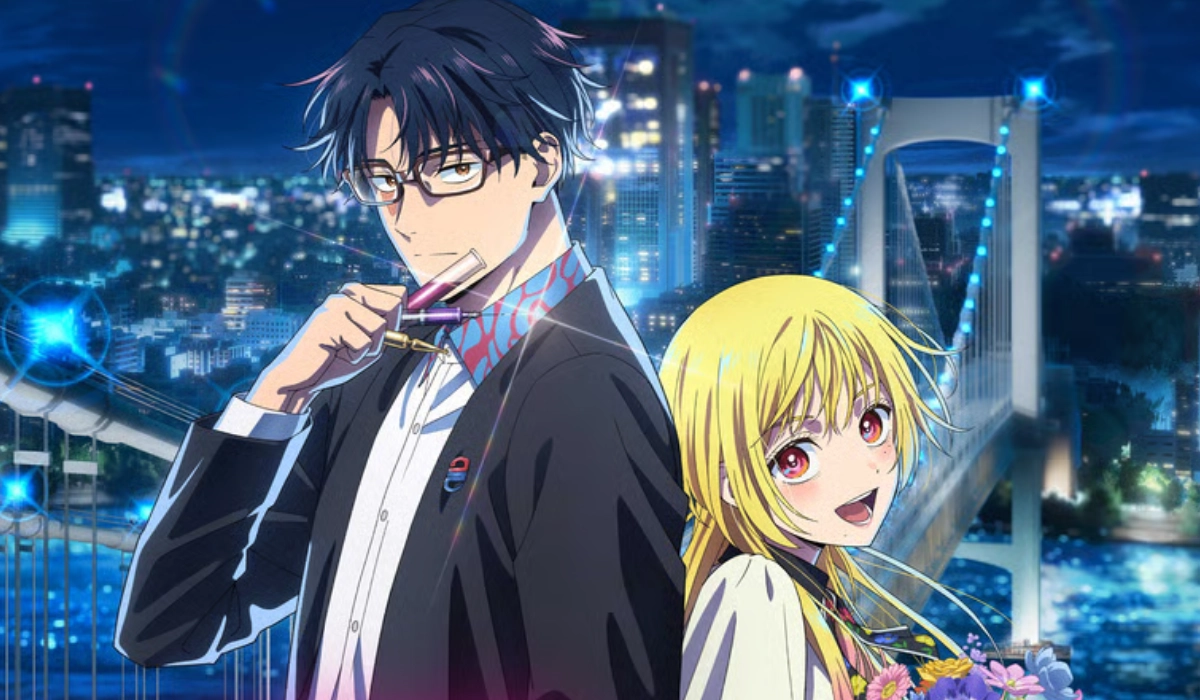
The popularity of these stylings has by now come full circle, and otokonoko are portrayed as such in anime and manga. For example, 婚姻毒素’s Mei Kinosaki can be interpreted as an otokonoko, whose hyperfeminine dress and manner endear her to others — and even make her capable of seducing men and women alike.
Where to Learn More About Femboy Culture in Japan
For those looking to find out more about otokonoko, there are plenty of options available. First, you could read our guide to the Top Femboy Cafes in Tokyo, where you can learn where to meet otokonoko in person and discover the culture firsthand.
Next, why not check out our guide to crossdressing in Japan for a more general overview of contemporary crossdressing.
That’s all for today. Until next time, otokonoko-mrades!