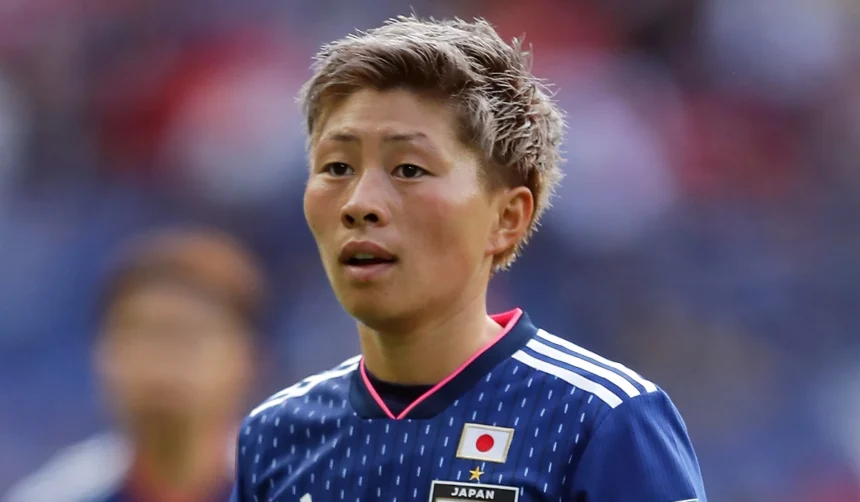



Futch is a lesbian identity or presentation that falls between butch and femme. The term can describe someone who identifies with, combines, or moves between aspects associated with both.
It does not mean being exactly 50% masculine and 50% feminine. Someone may use futch to describe their identity, gender expression, or presentation without fitting neatly into one fixed position.
In simple terms, a person might identify as futch because neither butch nor femme alone feels like the right description for them.
What Does Futch Mean?
The word futch combines femme and butch. It is commonly used by lesbians and other queer women to describe an identity, gender expression, presentation, or combination of these things.
For example, someone may feel comfortable with both traditionally masculine and feminine styles, or feel connected to both butch and femme identity without fully identifying with either. There is no particular appearance required.
Clothing and appearance can be part of how someone expresses themselves, but they cannot tell you how another person identifies.
Like many lesbian and queer identity labels, futch has flexible boundaries. What matters most is how the person using the term understands their own identity.
If you would like to explore related terms in more detail, see our guides to femme lesbians and butch lesbians.
Futch vs. Butch, Soft Butch, Chapstick and Other Terms
Futch overlaps with several other lesbian identity and presentation terms, but they do not all mean the same thing.
The comparisons below are useful reference points rather than strict categories.
Futch vs. Butch and Femme
Butch and femme are the two terms most directly connected to the word futch.
Both have long histories within lesbian and queer communities and can mean more than simply looking masculine or feminine. They may describe identity, gender expression, and ways of relating to queer culture and community.
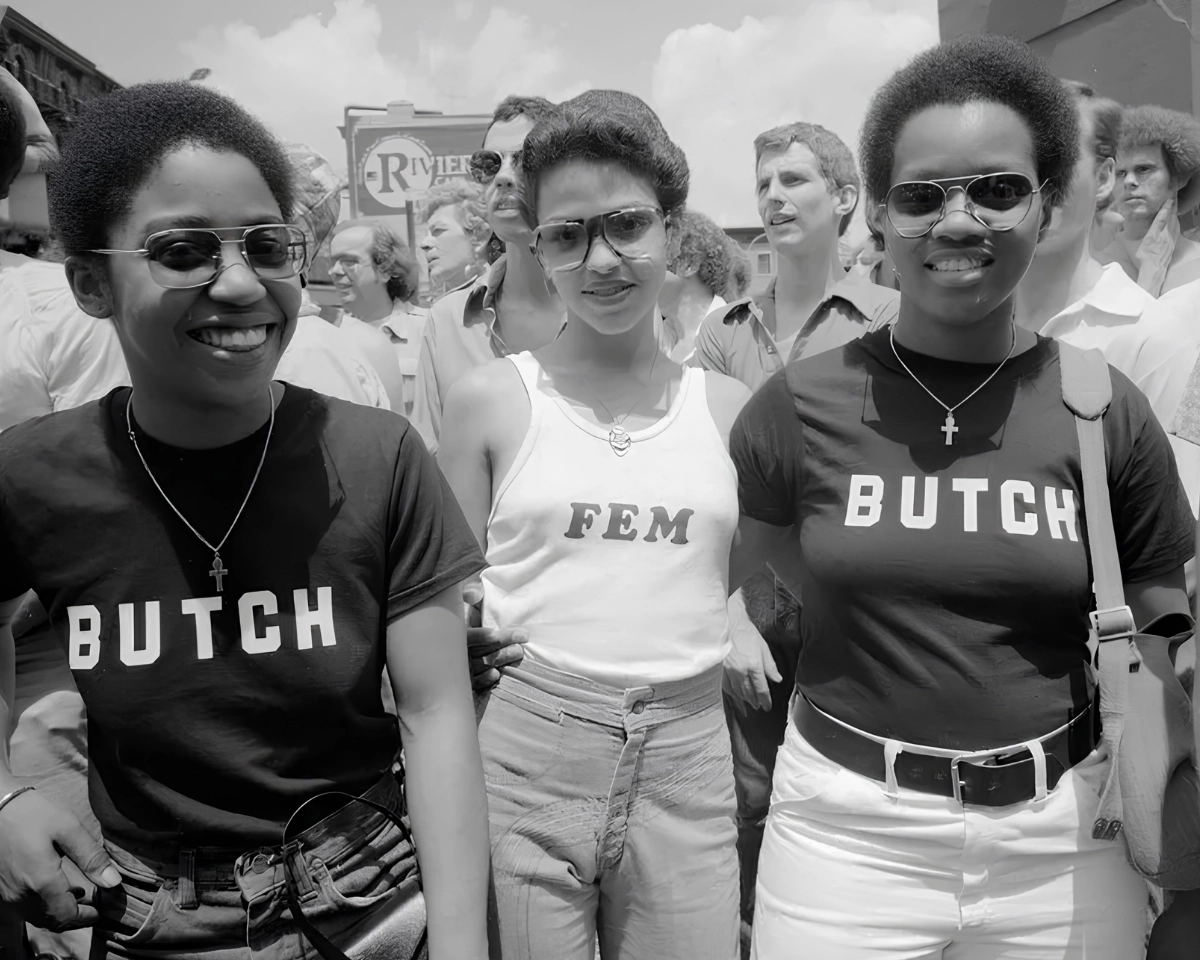
Futch commonly describes someone who feels that both butch and femme partly fit, or that neither label alone fully describes them.
Someone does not need to look equally butch and femme or maintain the same presentation all the time.
For a closer look at each term, see our guides on the Japan Gay Guide website to femme and butch.

Futch vs. Soft Butch and Chapstick
Soft butch and futch can overlap, but they do not necessarily mean the same thing.
Soft butch usually starts from a more butch or masculine identity or presentation, while allowing for a softer or more mixed style. Futch, by comparison, more directly describes a connection to aspects of both butch and femme.
A chapstick lesbian is another label that can overlap with futch. It is often associated with a casual or less strongly femme presentation.
Some people may identify with more than one of these terms, while others may strongly prefer one. Discussions of futch lesbian identity also reflect this overlap.
For a fuller explanation, see our guide to the chapstick lesbian.
Futch vs. Androgynous
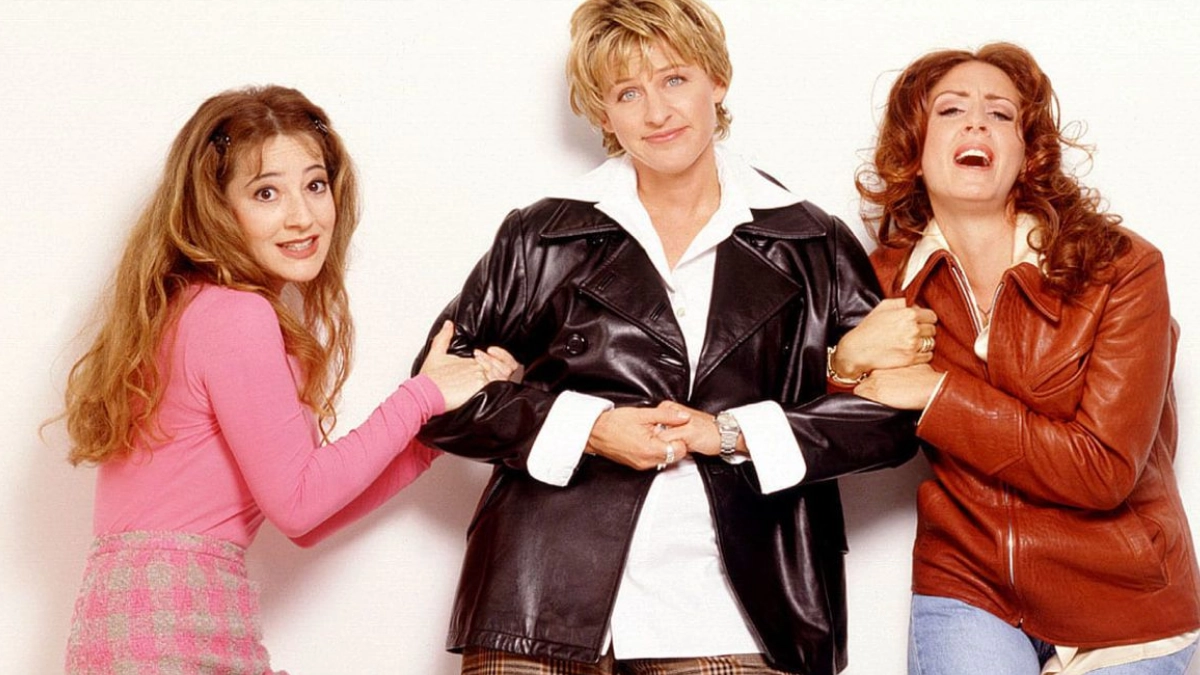
Some futch people may present androgynously, but the two terms are not synonyms.
Androgynous is a broader description of gender expression or presentation. It can refer to an appearance that does not fit neatly within conventional ideas of masculinity or femininity.
Someone can present androgynously without identifying as futch. A futch person also does not need to have an androgynous appearance.
The main difference is that futch comes specifically from butch and femme lesbian terminology, while androgynous is a broader term for presentation.
What About Stud?
Stud is not simply another word for butch or futch.
It is a culturally specific Black queer and lesbian identity associated with Black masculinity. Its history and meaning should not be reduced to a generic category on a masculine-to-feminine spectrum.
For that reason, stud should not be treated as a universal subtype of butch or simply placed somewhere between femme and butch. As Them explains in its history of Black lesbian masculinity, stud identity has its own cultural and historical context.
You can read more in Japan Gay Guide’s article on the stud lesbian and stud identity.

The Futch Scale
The futch scale is an informal internet framework rather than an official system for classifying lesbian identities.
Widely circulated versions arrange labels along a scale running from high femme → femme → butchy femme → futch → soft butch → butch → stone butch.
Futch sits around the middle, which makes the basic idea easy to understand and visualize.
The simplicity of the scale is also its main limitation. The labels placed on it have histories and meanings that go beyond a position on a line from feminine to masculine.
Stone butch, for example, has a historically specific meaning connected with butch identity and sexual boundaries. The Wiley Blackwell Encyclopedia entry on stone butch shows why the term cannot simply be reduced to the “most masculine” point on a chart.
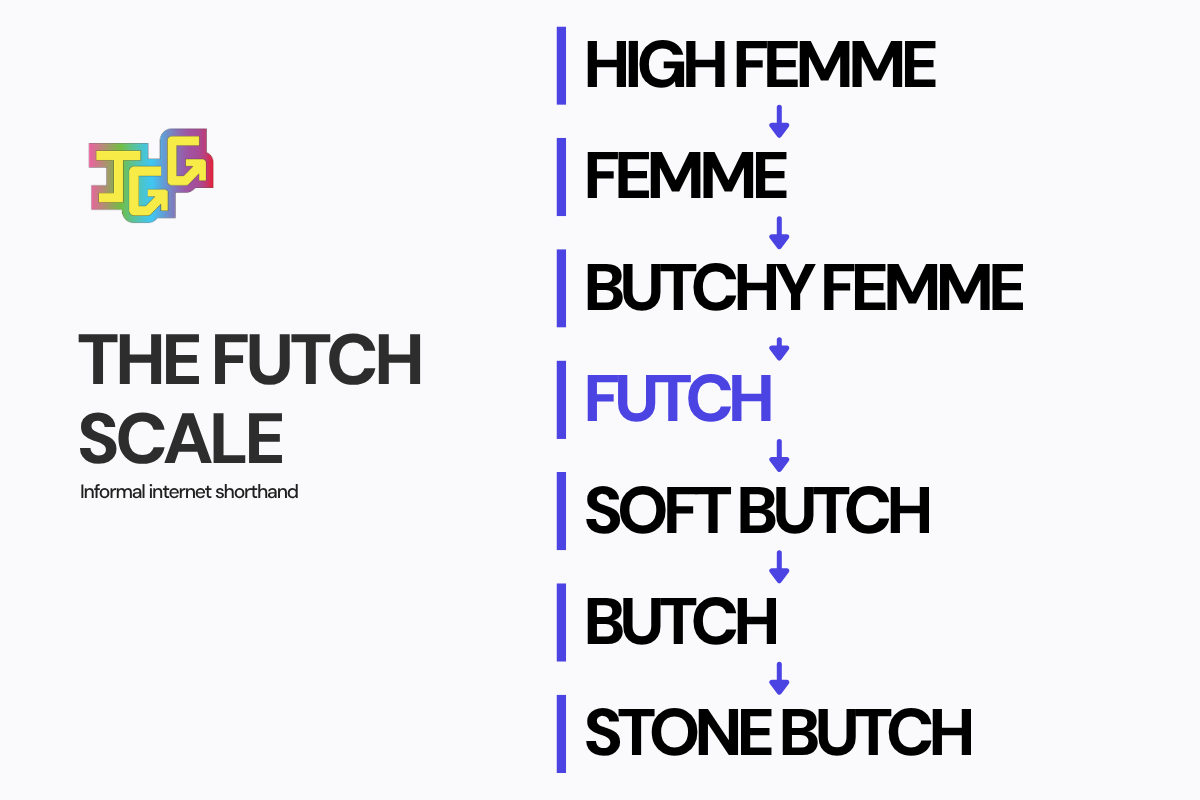
Versions of the futch scale circulated online in the early 2010s and later became strongly associated with Tumblr and queer internet culture. The format also became a meme, with people placing fictional characters, objects, foods, and other unrelated subjects on adapted versions of the scale. Queer Word’s overview of the futch scale looks at some of these uses.
People also began using the scale as a meme. Fictional characters, objects, foods, and other unrelated subjects were placed on versions of the scale for humor. Queer Word’s overview of the futch scale provides insight into this wider online use and the many ways the format has been adapted.
The futch scale can still be useful as shorthand, a tool for self-exploration, or simply a joke shared within queer internet culture. However, it should not be used to decide how someone else identifies.
Is Futch a Real Term? History and Usage
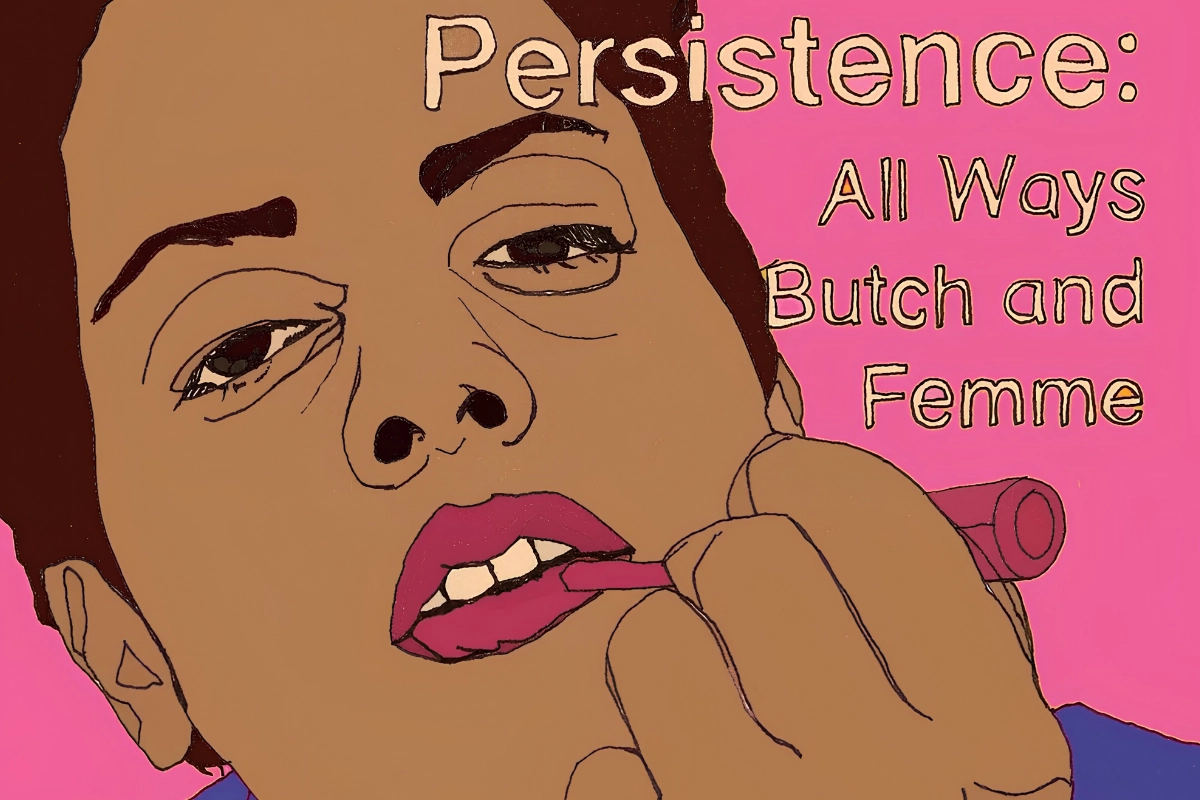
Futch is a documented term within queer and lesbian communities and existed independently of the internet futch scale.
Published use of the word is documented by at least 2011. That year, Persistence: All Ways Butch and Femme included Elaine Miller’s contribution, ‘Futch: Thoughts from the Borderlands’.
An American Library Association review of the anthology provides further contemporary evidence of the term appearing in this context.
This shows that futch was already in published use by 2011. It does not establish when the word was first coined or who invented it, and the available evidence does not support one exact origin.
The history of the term should also be separated from the history of the futch scale. Futch was already being used as identity language before the online chart became widely associated with it.