

A femme lesbian is a lesbian who identifies with femme as part of their identity, feminine expression, or both. Femme is associated with femininity, but it is not a dress code. Clothes, makeup, hairstyles, personality, and relationship roles do not determine whether somebody is femme.
The term has particular roots in lesbian culture, although it is also used more broadly across LGBTQ+ communities today. What femme means can vary between people, so the most important guide is how someone describes their own identity.
This article focuses mainly on femme in lesbian culture, including how it differs from simply being feminine, its history, related terms such as high femme and hard femme, and the femme flag.
What Is a Femme Lesbian?
For some lesbians, femme is an important part of their identity and their relationship with femininity. Others may express themselves in very feminine ways without identifying as femme at all.
The UC Davis LGBTQIA Resource Center notes that femme was historically used to refer to feminine lesbians. The term is now also used by other LGBTQ+ people to describe forms of gender expression that reclaim or challenge traditional ideas of femininity.
A femme might enjoy dresses, makeup, or traditionally feminine styling. She might also prefer a less conventional look. Neither presentation is required.
In other words, you cannot reliably identify someone as femme simply by looking at them.
Femme vs. Simply Being Feminine
Being feminine and being femme are not automatically the same thing.
A lesbian might dress in conventionally feminine clothing, wear makeup, or have a traditionally feminine style without using the label femme. Likewise, someone can identify strongly as femme without fitting every conventional idea of feminine presentation.
The distinction matters because femme carries queer cultural meaning. It developed within lesbian communities rather than simply describing anyone who looks feminine.
Put simply, feminine can describe someone’s appearance or expression. Femme can also be an identity with a particular queer cultural history.
That history helps explain why the distinction matters.
Femme in Lesbian History
Femme has a long history within lesbian communities. In documented examples from the mid-20th century, butch/fem identities were particularly visible in some working-class lesbian communities in the United States.
Research on lesbian communities in the 1940s and 1950s describes butch and fem as identities that could shape appearance, relationships, and community life.
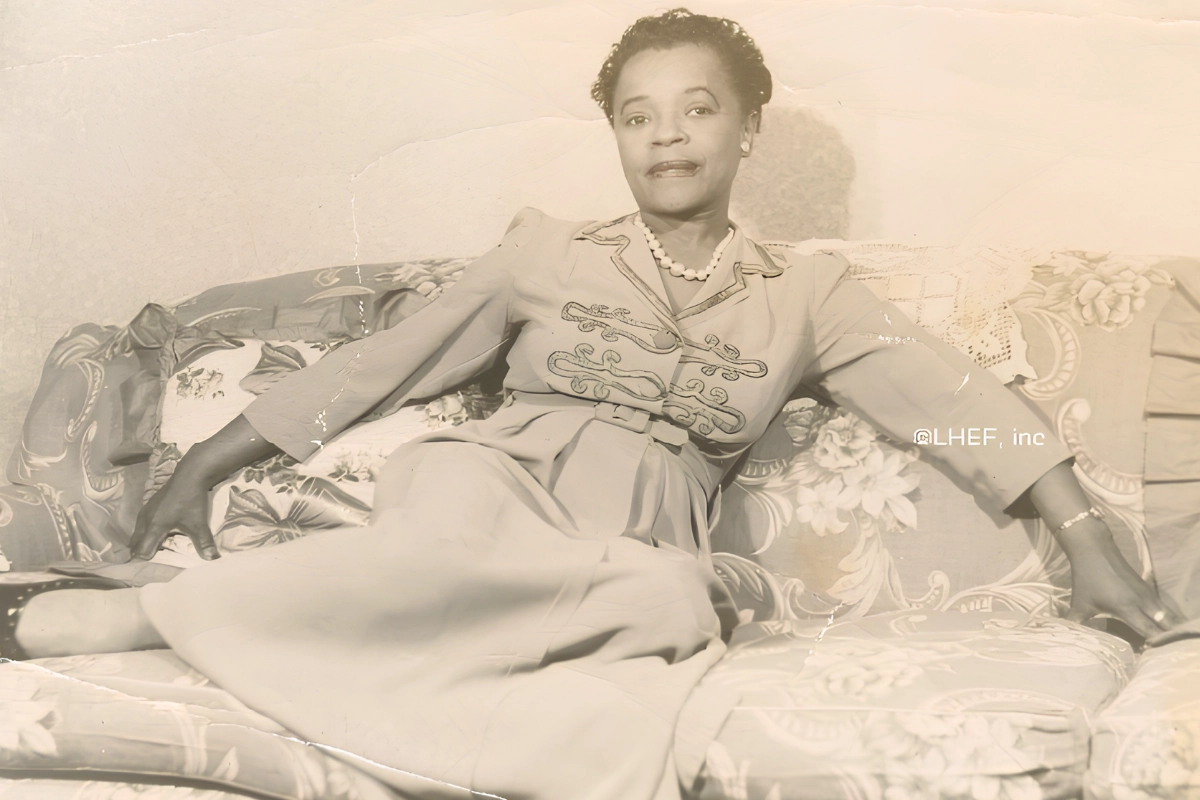
It is important, however, not to turn that history into a set of rules for modern lesbians. Historical butch/fem communities were shaped by their particular time and place, and their expectations were not the same everywhere or for every lesbian.
Modern femmes do not need to pair with butches or recreate historical relationship roles. The history is useful because it explains why femme developed as a distinct queer term rather than simply another word for femininity.
High Femme, Hard Femme and Related Terms
Femme is also used in several related labels, including high femme, hyper femme, and hard femme.
Their meanings can vary between people and communities. They are best understood as self-applied identities rather than rigid categories based on appearance.
High Femme and Hyper Femme
High femme is associated with especially pronounced or intentional feminine expression.
For some people, this may involve glamour, clothing, makeup, or carefully styled presentation. High femme does not automatically imply a particular personality, relationship dynamic, or sexual role.
Hyper femme is another term used by some queer women when discussing feminine presentation. It may also refer to especially strong or intentional feminine expression, but there is no universally agreed distinction or hierarchy between hyper femme and high femme.
A 2026 Current Psychology study also documents queer women using hyper femme in this context.
Hard Femme
Hard femme describes another way of identifying with femme that does not necessarily fit stereotypically soft or conventional ideas of femininity.
There is no single hard femme look. The term should not be reduced to goth, punk, alternative fashion, or any other particular style.
For some people, hard femme offers a way to embrace femme identity while rejecting the idea that femininity must always appear delicate, passive, or conventional.
Is There a Femme Lesbian Flag?
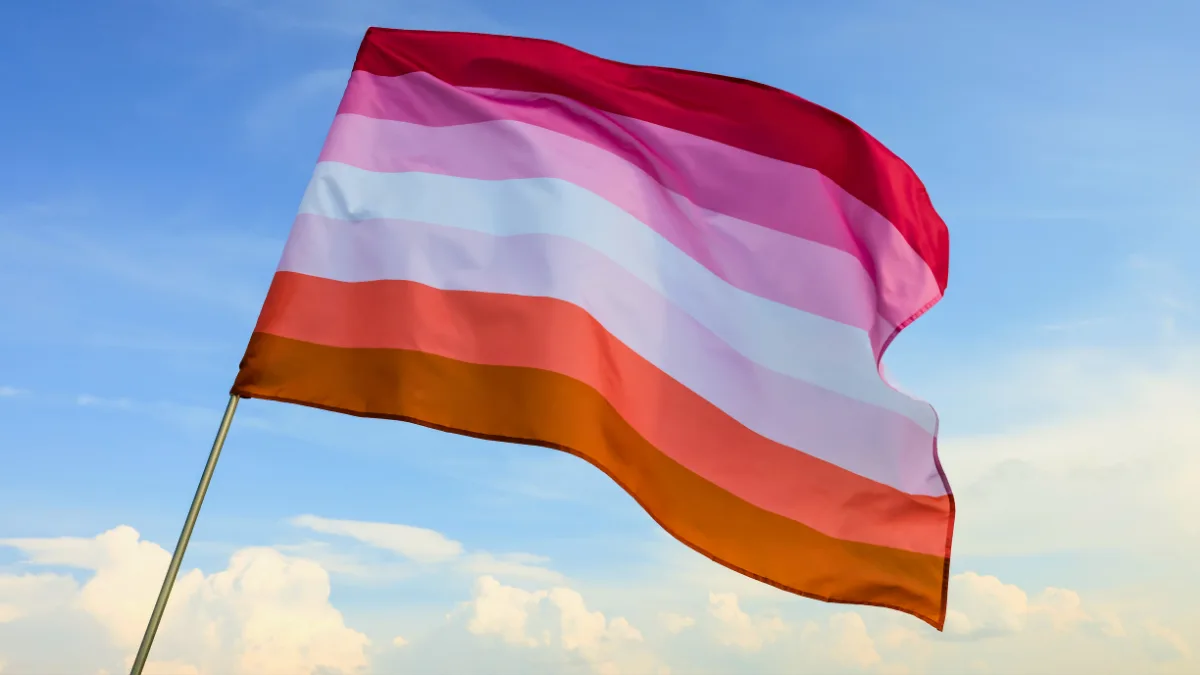
There is no single official or universally standardized femme lesbian flag. Several community-created designs circulate online.
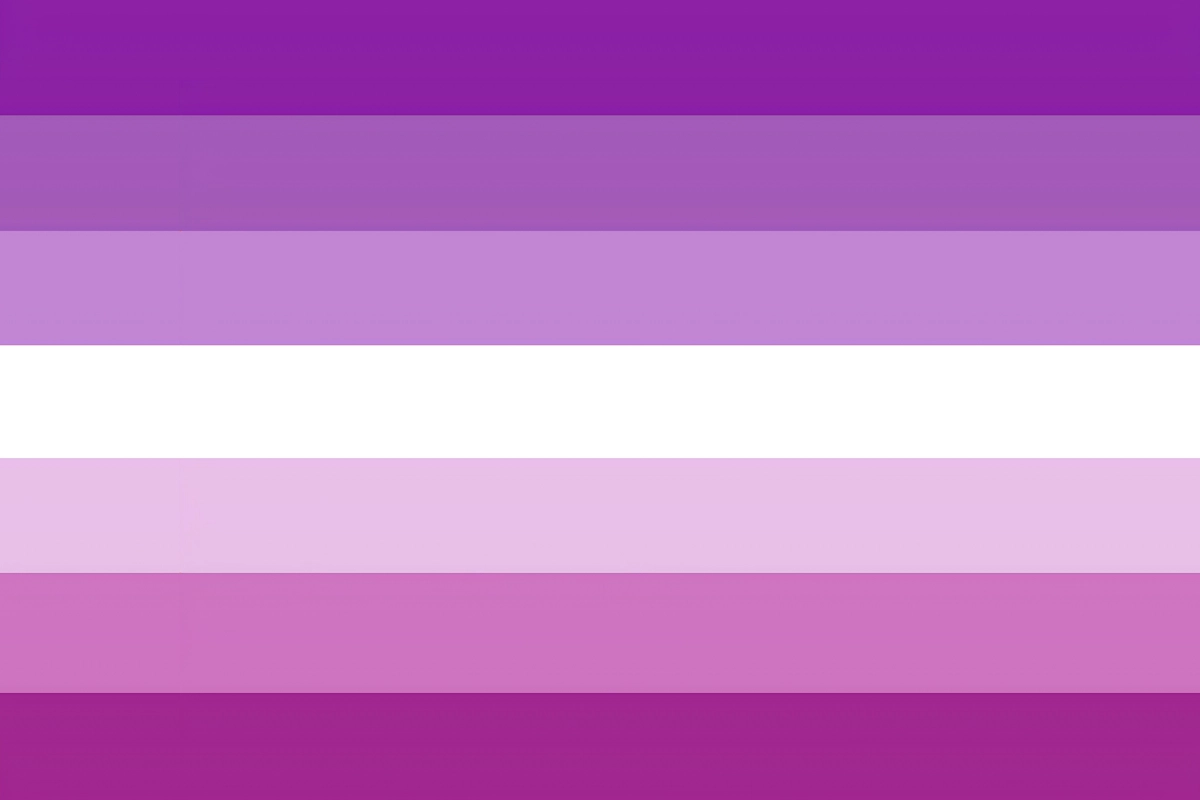
One commonly circulated design uses pink, white and purple stripes. Community sources attribute this design to a Tumblr user known as noodle. This attribution is a community account rather than an official record, so it is best treated as the reported history of the design rather than a formally established origin.
The purple design is sometimes described as complementary to a butch flag. However, there is no central organisation that sets one official femme flag design or gives one universally accepted meaning to every stripe.
For a wider guide to lesbian flag designs, variants, and stripe meanings, see our guide to lesbian flags and their meanings.