
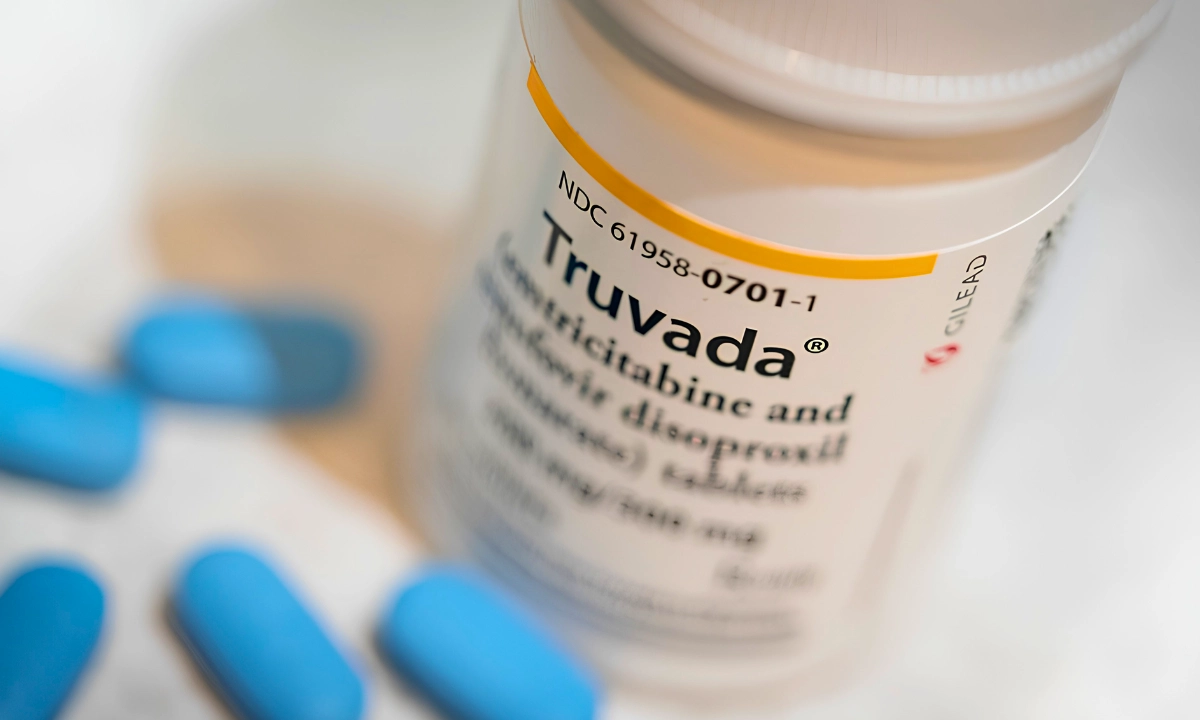

If you already take HIV medication and are moving to Japan, continuing treatment is possible. Japan has specialist HIV hospitals, antiretroviral treatment, and public health insurance routes. Organizations are also available that can help with language and administrative barriers.
Your exact medication or formulation should still be confirmed with your clinician. Care does not automatically transfer, and you should not assume that your current medication will be available unchanged.
This guide is mainly for people moving to Japan or becoming longer-term residents. If you are only visiting, see the temporary visitor section later in this guide.
Your Treatment-Continuity Plan
If you are transferring ongoing HIV care to Japan, it helps to think about the move in four stages:
- Contact your current clinician and a prospective Japanese HIV hospital
- Collect your treatment records and arrange a lawful bridge supply of medication
- Confirm Japan’s import requirements and whether your active ingredients and formulation can be supplied locally
- After arrival, complete any insurance or support procedures and attend your first appointment
Start planning before you leave, and try to arrange your first Japanese appointment before your existing medication supply runs out.
If your medication is already running low, contact an HIV core hospital as soon as possible.
If Your Medication Supply Is Running Low
If you are already in Japan or your supply is becoming short, contact an HIV core hospital and provide the clinical team with:
- The exact active ingredients
- The formulation
- Your dose
- The number of doses remaining
- Any available treatment summary or medical records
This gives the provider the information needed to assess the situation and advise on the next steps.
If you are a temporary visitor, contact your home prescriber and travel or private insurer as well. A hospital consultation does not guarantee that your current medication can be immediately replaced in Japan.
If language or appointment access is a barrier, you can also contact a qualified support organization.
Do not stop, ration, skip, borrow, substitute, or otherwise change your medication without clinical advice.
If you feel seriously unwell or believe you are experiencing a medical emergency, seek urgent medical care rather than waiting for an email response from a hospital or support organization.
Before You Move: Prepare Your Records and Medication
Your receiving clinician will need a clear picture of your treatment history. Contact your current HIV specialist early and ask for a referral or treatment summary.
Useful records may include:
- Your complete antiretroviral treatment history
- Your current medication, including active ingredients and dose
- Resistance-test results, if available
- Recent viral-load and CD4 results
- Relevant safety or laboratory results
- Known allergies
- Other medical conditions and medications
- Immunization history
Keep accessible digital copies as well as secure copies for travel.
If you may require financial assistance after arriving, ask your prospective hospital, its medical social worker, or a qualified support organization whether any historical records or clinician-completed documents should be prepared before you leave for Japan.
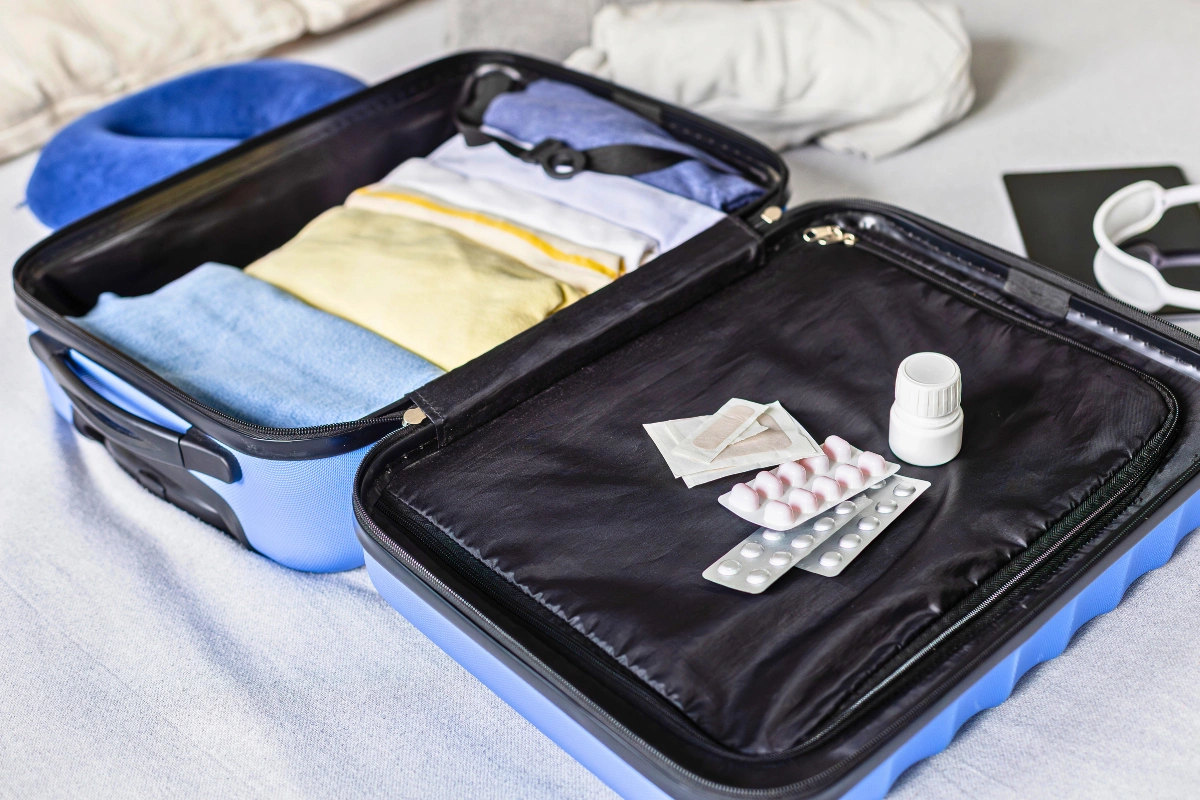
You should also discuss a bridge supply with your current prescriber, while checking Japan’s import rules. Keep medication in its original labeled packaging and travel with a prescription or clinician letter. Carry-on luggage is generally the safest place for essential medication when traveling.
Once your records and medication plan are in place, the next issue is bringing that medication into Japan legally.
Bringing HIV Medication Into Japan
Japan allows individuals to bring medication for personal use, but the quantity and ingredients matter.
Under the Ministry of Health, Labour and Welfare’s general personal-import guidance, up to a one-month supply of prescription medication normally does not require Import Confirmation. Bringing more than one month’s supply requires Import Confirmation before travel.
Check your exact active ingredients and quantity against the current MHLW guidance on bringing medicines into Japan. If confirmation is required, use the official Import Confirmation system.

Some controlled or prohibited substances follow separate rules. If you are unsure about an ingredient or its classification, contact the relevant regional authority listed for your arrival airport.
🗣 One important distinction is worth keeping in mind:
Permission to bring medication into Japan does not mean the same product can automatically be prescribed once your personal supply runs out.
Confirm local availability with your receiving clinician before your supply runs out.
Find an HIV Treatment Hospital and Arrange Your First Visit
The MHLW-funded HIV Core Hospital Directory is a national starting point for finding specialist HIV care. You can search by prefecture to identify a suitable hospital.
If you expect to apply for HIV-related treatment-cost assistance, the directory’s “designated Self-Support Medical Care institution (immune)” filter can help identify hospitals that participate in that system.
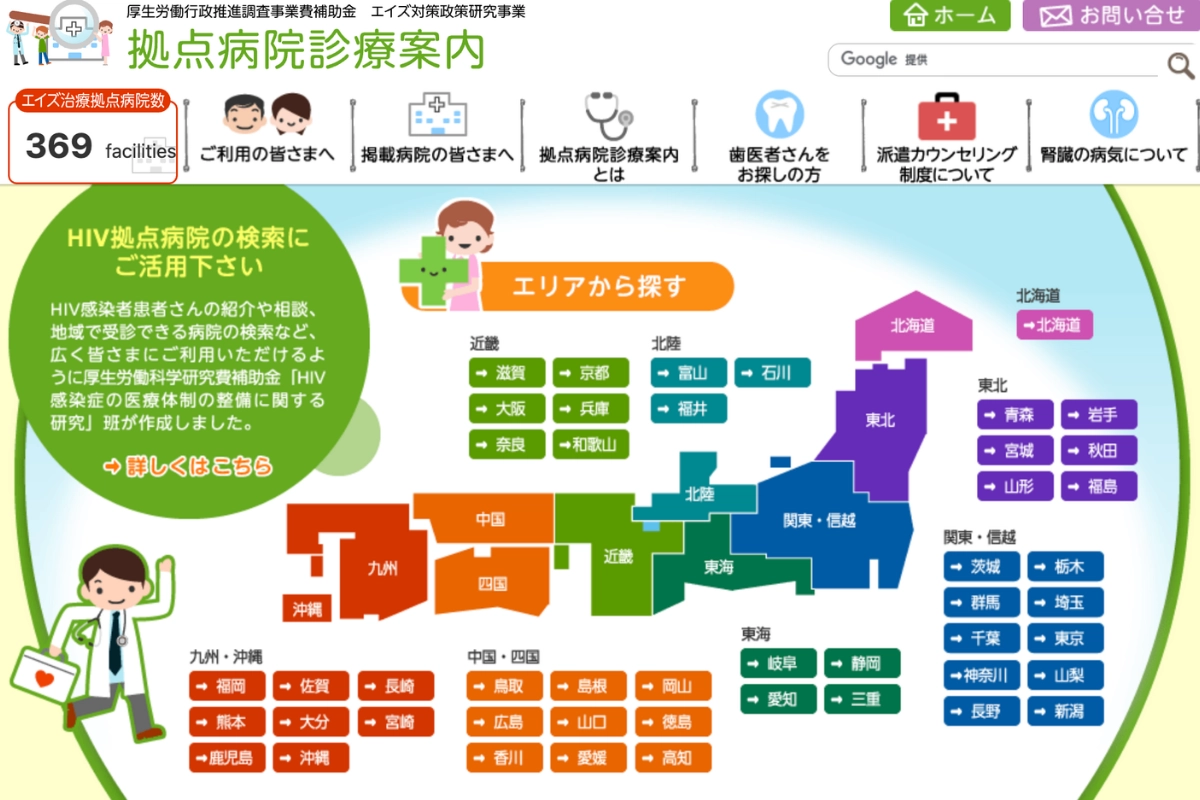
The website is in Japanese, but browser translation may be useful. If you are not comfortable navigating it, a support organization may also be able to help you find an appropriate provider.
Once you have identified a hospital, contact it before attending. Ask:
- Whether it is accepting new and international patients
- Whether a referral or translated records are required
- Whether interpretation is available or can be arranged
- Whether your current treatment can be assessed for local prescribing
A hospital’s inclusion in the directory does not confirm its current intake arrangements, English-language support, or medication availability.
For your first appointment, you may be asked for your passport or residence documentation, insurance information if already enrolled, and a referral or treatment summary. A medication list and packaging, previous test results, and hospital-specific forms may also be requested.
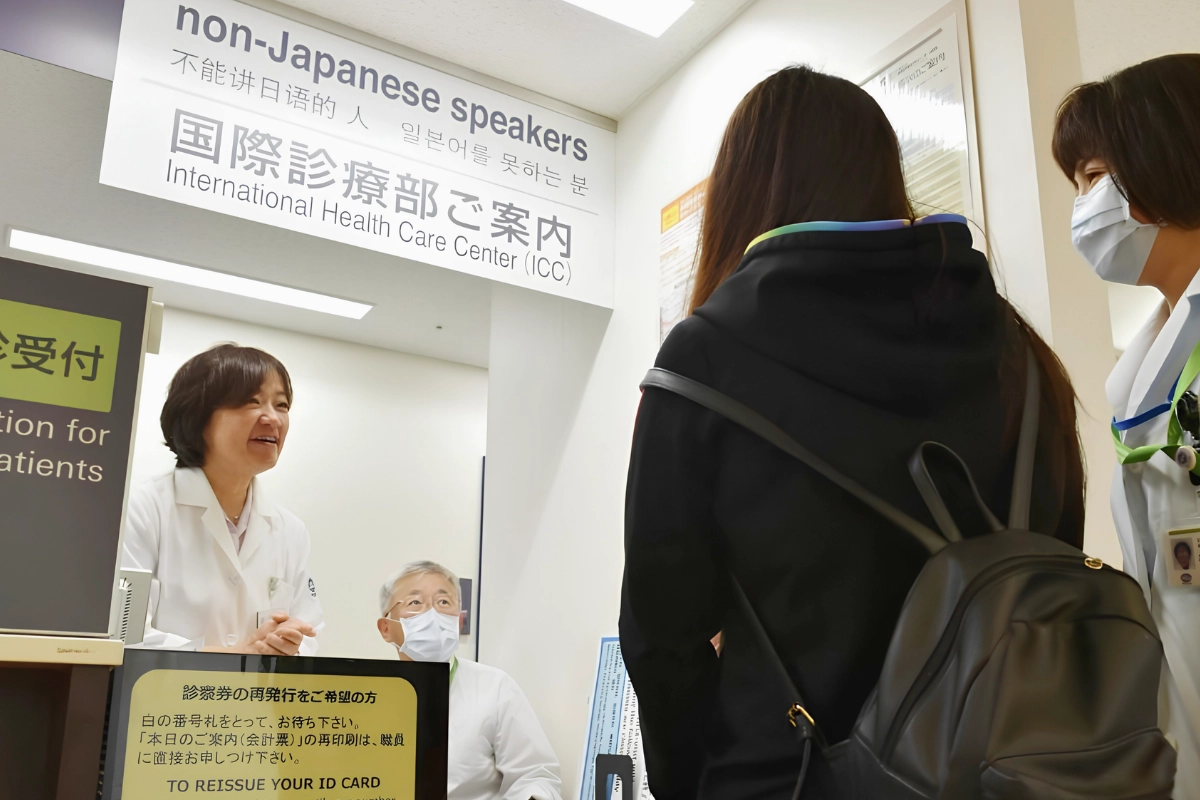
At the National Center for Global Health and Medicine, the AIDS Clinical Center (ACC) provides specialist HIV care, while the International Health Care Center (ICC) provides international-patient consultation, coordination, and language-related support. Both are based in Tokyo, but they have different roles, so check the relevant service directly before arranging care.
For broader healthcare navigation, see our guide to LGBTQ-friendly medical resources in Japan.
Once you have established a provider, the next question is how treatment costs may be covered.

Health Insurance and Help With HIV Treatment Costs
Japan’s public health insurance and its HIV-related financial-support pathways are connected, but they are not the same thing.
People living in Japan are generally required to join public health insurance regardless of nationality. Foreign residents staying for more than three months who are not covered by their employer’s insurance generally use National Health Insurance, subject to certain exceptions.
If you are eligible for National Health Insurance, MHLW’s current English guidance says the procedure should normally be completed within 14 days. Employees’ insurance follows a different enrollment route.
Insured patients usually pay 30% of covered medical costs. High-cost medical-expense benefits may also provide additional protection when eligible.
In addition to public insurance, some people living with HIV may qualify for a separate program that reduces eligible treatment costs. This can involve a physical disability certificate and Self-Support Medical Care, with support linked to designated medical institutions and pharmacies.
Eligibility can depend on your income, area of residence, insurance status, residence status, and clinical documentation. For that reason, it is better not to assume a particular monthly treatment cost.
Speak to the medical social worker at your receiving hospital. They can explain whether these programs may apply to you and help with the relevant procedures, documents, and next steps.
Setting up care can involve appointments, paperwork, and communication in Japanese. Several organizations can help foreign residents navigate the process.
Getting Help in English or Another Language
Several organizations and services may be able to help with treatment navigation, paperwork, appointments, and communication with medical staff.
| Organization | What it may help with | Area |
|---|---|---|
| CHARM | Multilingual consultation and medical-interpreting support | Mainly Kansai |
| PLACE Tokyo | English-language HIV information and support | Tokyo |
| JIHS International Health Care Center | International-patient coordination and language-related support | Tokyo |
| SHARE | Advice, treatment navigation, and medical-interpreter support for foreign residents | Check current availability |
Services and language coverage can change, and not every organization operates nationally or provides every language in person. Contact the organization directly to confirm what support is currently available.
Visiting Japan Rather Than Moving?
If you are visiting Japan temporarily and not establishing ongoing care or national health insurance, treatment access should be a contingency rather than a routine transfer.
You may be able to receive medical attention or arrange HIV treatment in Japan if needed. However, you should not assume that you can visit a pharmacy or hospital and receive a replacement prescription. A provider may require advance contact, medical records, a clinical assessment, and payment before treatment can be arranged. Your current medication or formulation may also not be available.
The safest approach is to bring enough prescribed medication for your entire trip, plus a small contingency supply. Ensure that the contingency is permitted under Japan’s import rules. Keep medication in its original labeled packaging, carry it in your hand luggage, and bring a prescription or letter from your clinician.
Temporary visitors should also avoid relying on Japanese public health insurance or resident HIV financial-assistance programs. Check your private or travel insurance before departure and keep the relevant documents with you during your trip.
If your medication is lost, delayed, or running low, contact your home prescriber and insurer as well as a Japanese HIV provider as soon as possible. A replacement prescription may be possible in some circumstances, but it should not be assumed.
For longer-term residents, the process is more structured.
The Key Point: Start Before You Move
Continuing HIV treatment after moving to Japan is possible, but preparation matters.
The most important steps are to:
- Contact a prospective HIV provider before departure
- Collect a complete treatment history
- Arrange a lawful bridge supply of medication
- Confirm both Japan’s import rules and local prescribing availability
After arrival, you can then deal with insurance and possible financial support with help from your hospital and medical social worker.
The process may involve several different systems, but you do not need to navigate them all at once. Start with your current clinician and a prospective Japanese HIV provider before your existing medication supply becomes a problem.