
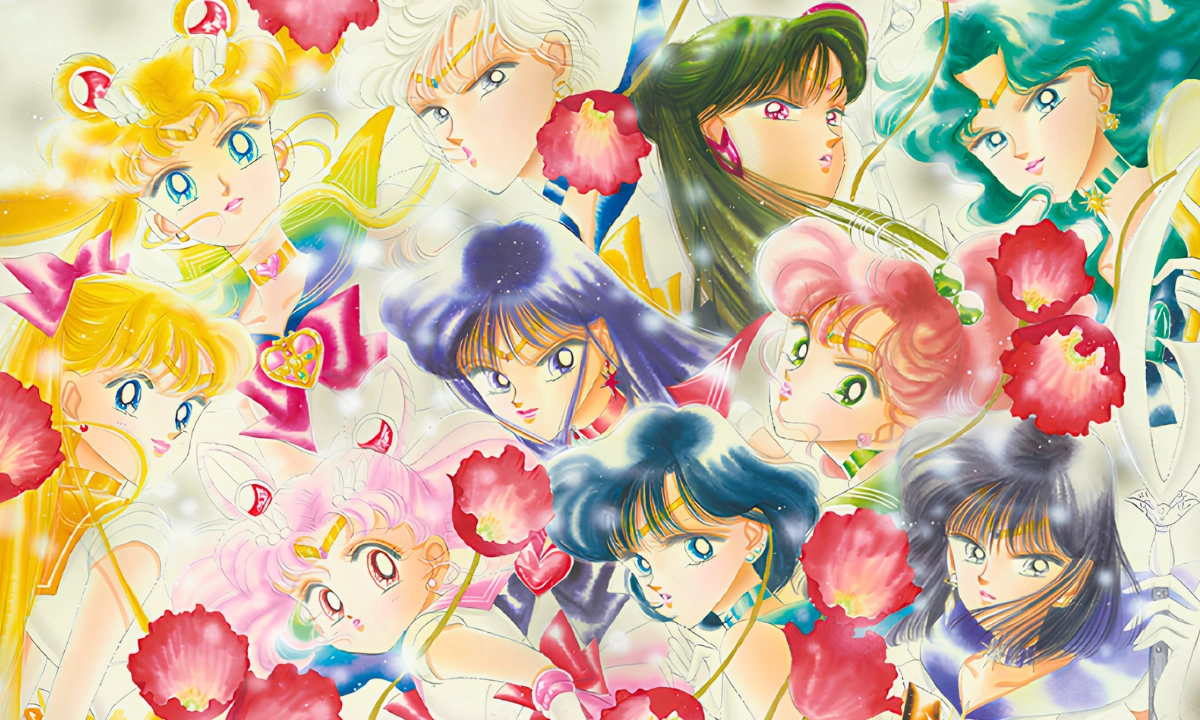

You don’t need me to tell you who and what Sailor Moon is. Since the publication of the first chapter of Bishoujo Senshi Sailor Moon (known in the Anglosphere as Pretty Guardian Sailor Moon) in December 1991, Naoko Takeuchi’s magnum opus has gripped audiences of all ages — and Sailor Moon has always spoken to the qeer community. On a visit to a gay muscle bar, one patron told me about how he was amazed to see so many people dressed as Sailor Moon characters at a queer rave!
Starting with the obvious examples of Haruka Tenou and Michiru Kaiou, we can definitely say that Sailor Moon has queer representation. But beyond this comely couple… is Sailor Moon gay? The answer is: hell yes! And if you’re not sure, then read on and get ready to learn… or in the name of the Moon, I’ll punish you!
1. Bisexual Readings of Usagi
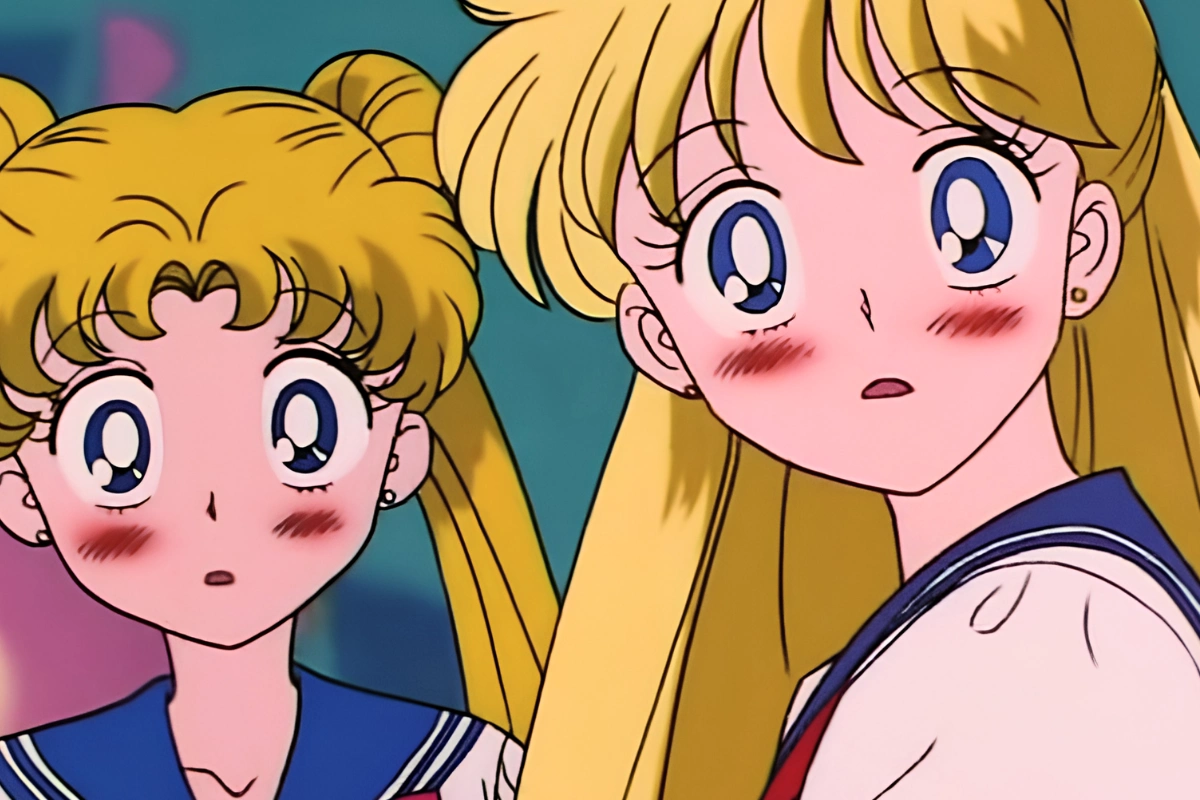
Let’s take Haruka and Michiru’s queerness as read (for now) and focus on our leading lady, the Queen of the Silver Millennium herself, Sailor Moon. Although she shares an eternal love with Mamoru Chiba, the rose-throwing Tuxedo Mask and patron saint of Guys Who Stand Around, she has demonstrated an interest in women — and potentially other genders — on more than one occasion. As such, many people have interpreted her character as bisexual.
There is a lot of textual evidence to support this reading. In the original manga and the Sailor Moon Crystal adaptation, almost any time a new woman is introduced to the cast, she blushes, clutches her chest and swoons over just how beautiful they are. Viewers of the ‘90s anime also noticed how her relationship with Rei Hino took on an almost tsundere quality, the two teasing and bullying one another, only to reveal how close they are to one another when the chips are down. We next come to Haruka Tenou, AKA Sailor Uranus. Introduced as an androgynous character, Usagi and friends initially believe Haruka to be a handsome older boy. But when it is revealed that Haruka isn’t a man… Usagi’s attraction doesn’t go away.
2. Is Sailor Uranus a Lesbian?
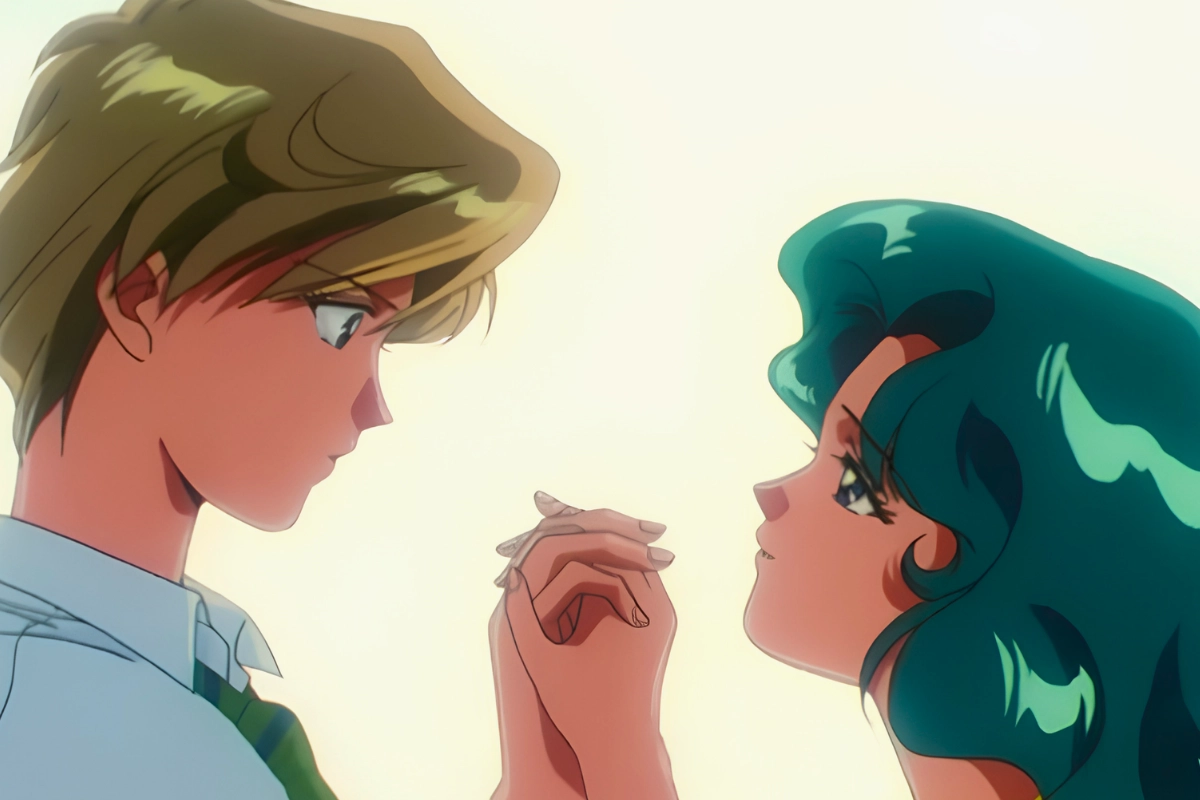
We mentioned this at the top, but just to reiterate: yes, Haruka Tenou is a lesbian, in a relationship with Michiru Kaiou. This is confirmed by Takeuchi herself, as well as being incredibly obvious to those who watched the original anime and the remake.
In the ‘90s anime adaptation, Haruka and Usagi’s relationship is given a lot of screen time, and in particular Usagi’s reaction to Haruka’s presence. She gets flustered when Haruka touches her, is eager to dance with Haruka at a ball. They even have an episode literally chained together as Usagi carefully tends to Haruka’s wounds. And Haruka seems to love encouraging this, too.
It’s made explicit in the Japanese version of the anime that Haruka and Michiru are a couple, though the Cloverway English dubbing changed their relationship status to “cousins”. So, it’s settled, right? Haruka is a woman who likes women. Well…
3. Haruka’s Gender Presentation Across Versions
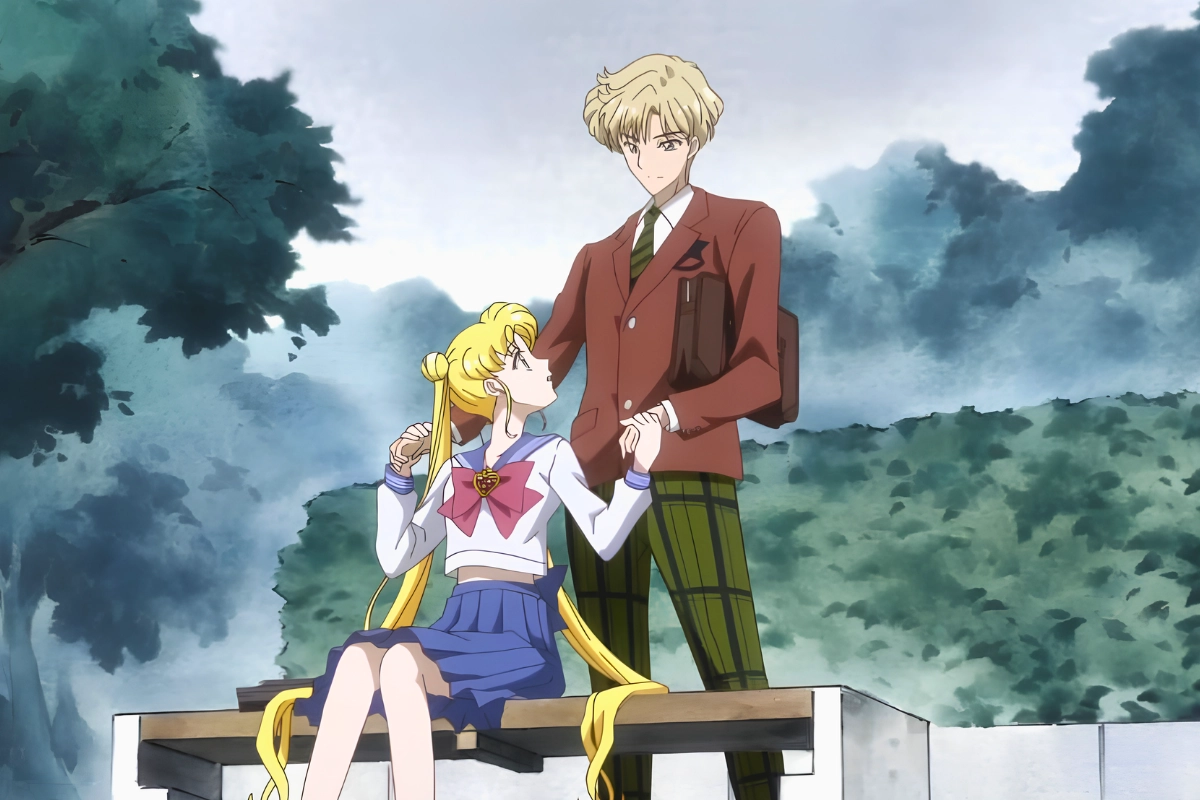
The manga and the manga-faithful Sailor Moon Crystal, on the other hand, are much more ambiguous on the subject of Haruka’s gender (though her sexuality remains solidly sapphic). Haruka is depicted as more masculine in appearance when wearing manly clothes, and was originally conceived by Takeuchi as being a handsome prince and best girl-friend rolled into one.
Additionally, in Sailor Moon Crystal, Sailor Neptune describes Haruka as “both male and female. She is a Guardian who possesses the strength of both genders.” Haruka is often depicted as wearing both masculine and feminine clothing, and when Usagi asks straight-out, “are you a man or a woman?”, they reply simply: “Is it so important if I’m male or female?”. To a degree, then, Haruka’s identity can be interpreted by the reader any way they like. She is not the only one who has an unconventional relationship to conventional gender.
4. The Sailor Starlights: Manga and 1990s Anime Differences
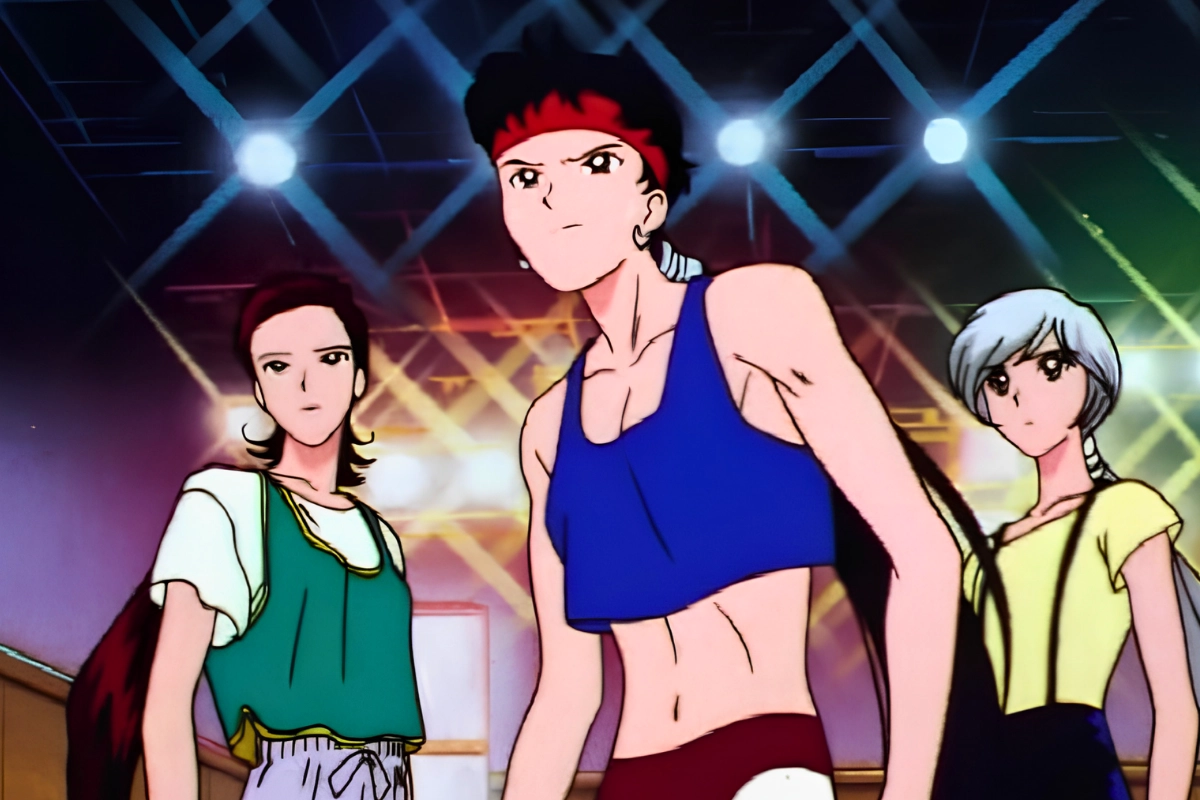
The fifth and final arc of the story pits Usagi and the other teammates against Sailor Galaxia and introduces the Sailor Starlights, Guardians from beyond our solar system. On their arrival on Earth, the trio (Sailor Star Fighter, aka Seiya Kou, Sailor Star Healer, aka Yaten Kou, and Sailor Star Maker, aka Taiki Kou) disguise themselves as men and form the boy band the Three Lights.
At least, that’s in the manga. In the 1990s anime, all three physically change gender during their transformations: they are men when powered down, and women in their Starlight incarnation. Their leader, Seiya, becomes deeply attached to Usagi — and with Mamoru absent, she is more than a little torn by her attraction to Seiya. Even when Seiya’s gender-changing transformation is revealed to the Sailor Guardians, none of them (least of all Usagi) seem to care about it. To them, Seiya is Seiya, first and foremost.
5. Haruka, Michiru and Setsuna’s Co-Parenting Household
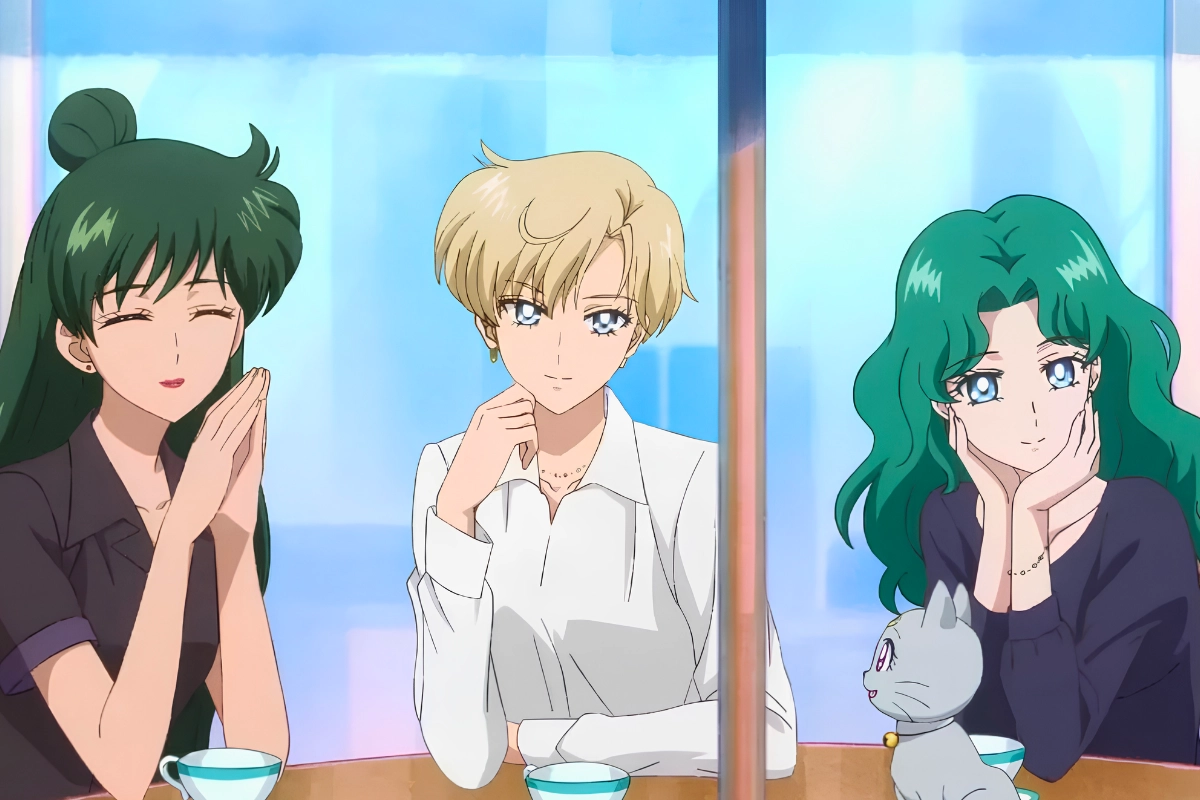
The Three Lights aren’t the only trio defying traditional gender roles. Following the events of the third story arc, Hotaru Tomoe, who transforms into Sailor Saturn, is reborn as an infant after an act of self-sacrifice.
Although she is first seen cradled in Sailor Moon’s arms, she is soon adopted by Haruka, Michiru, and the final outer Guardian, Sailor Pluto, the alter ego of Setsuna Meioh. Together, these three women raise Hotaru as her three parents, all living together in the same house. But while they have a non-traditional familial structure, how does Sailor Pluto fit into the relationship romantically? Is she a part of Michiru and Haruka’s partnership? No, she has her own thing going on.
6. Reading Sailor Pluto as Aroace
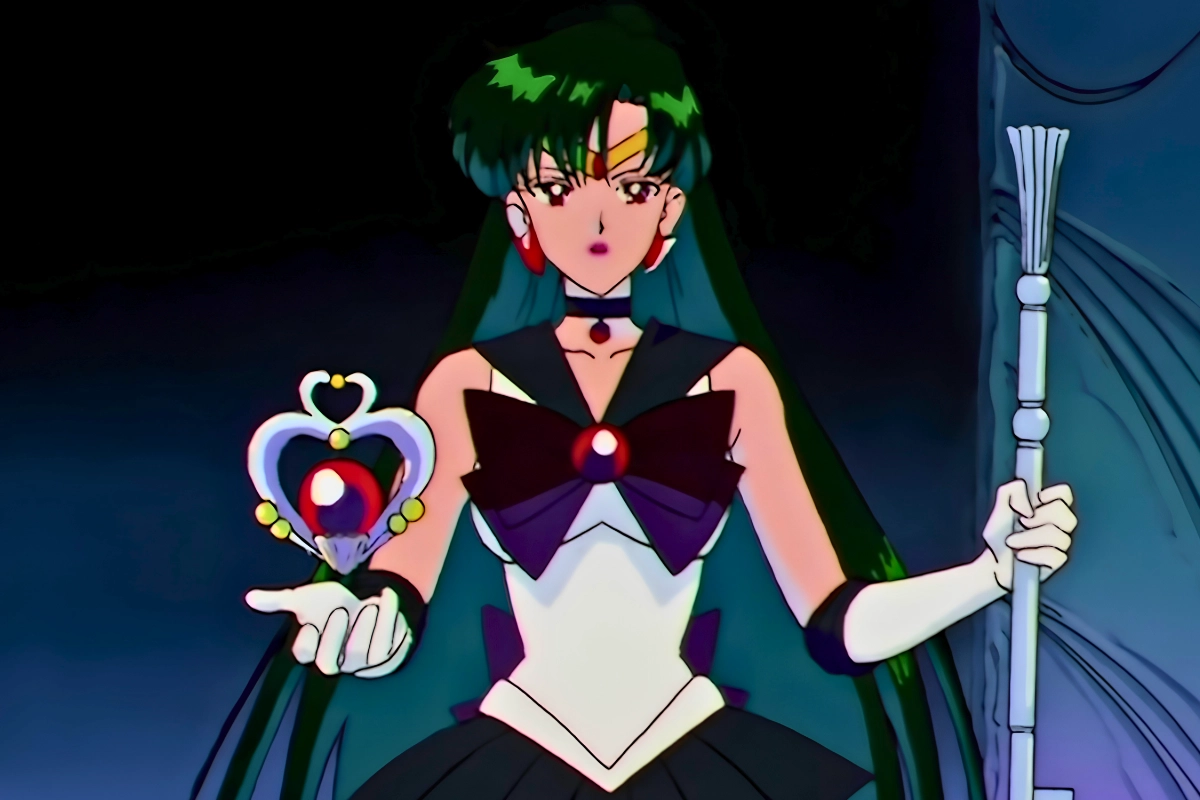
Setsuna is the Sailor Guardian of time and is the first of the outer Guardians to be introduced. Her duties include guarding the door of space and time to ensure that nobody passes through it. However, when she passes her time on Earth living with Haruka, Michiru, and Hotaru, she is notable for being the only Guardian who does not seem to have any romantic interest: or, indeed, any interest in romance. While she is never said to be aromantic and/or asexual outright, this has become a reading among some fans.
The manga and Sailor Moon Crystal suggest that she may have a slight crush on Mamoru’s future form, King Endymion, but this is never followed up on in subsequent story arcs, and the ‘90s adaptation omits this detail entirely. Romantic attraction is not indicative of sexual attraction, in any event.
7. Sailor Mercury: A Demisexual Interpretation
Another character whose actions lend themselves to fan readings of an unconventional sexuality. One of the most popular Sailor Moon characters in Japan, Sailor Mercury, known as Ami Mizuno, is also the most intelligent of the main cast, and plainly values understanding people and acting on thoughts rather than feelings — or, at least, letting her feelings be guided by her thoughts.
While the inner Guardians regularly gossip about guys they think are hot, or girls they think are cute, Ami is usually fairly silent on the subject. She even seems irritated that the discussion is about pop stars or classmates when they should be studying. However, when Makoto Kino, AKA Sailor Jupiter, goes on a “date” with Haruka, and her friends ask, “has [Makoto] changed her orientation?”, Ami interjects, “that doesn’t matter.”
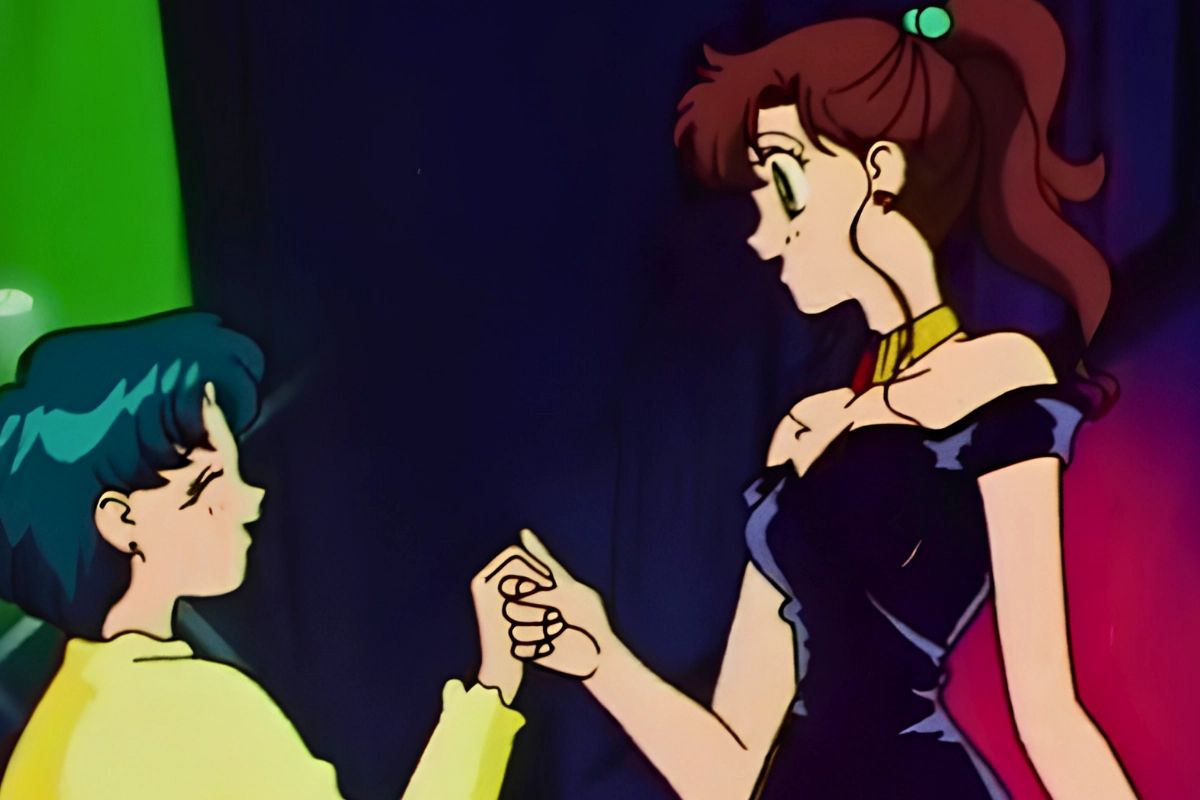
Ami hates getting love letters, and doesn’t know how to react to them. However, she does show romantic interest in men, just certain men. She becomes romantically interested in Ryo Urawa, who is also very intelligent and empathetic. And though she never meets him, she becomes infatuated with test-taking rival Mercurious, the only person who can tie with her intellect. But intelligence isn’t all she is looking for: in a scene that launched a thousand ships, when Ami sees Makoto Kino all alone at a disco, she takes her hand and dances with her. Many fans, therefore, consider her to be demisexual, or feeling attraction based on emotional bonds — the kind that fans think Ami would be likely to form when she meets intellects on her level.
As an aside, is Makoto a lesbian? Well, she is notorious for her doomed crushes on men, so probably not. Then again, she does love dancing with Ami, and gets flustered in a scene when she catches a glimpse under Ami’s skirt… but doesn’t look away. Ami’s rival might not be the only one who is Mer-curious.
8. Zoisite, Kunzite and Fish Eye: Queer Villains in the 1990s Anime
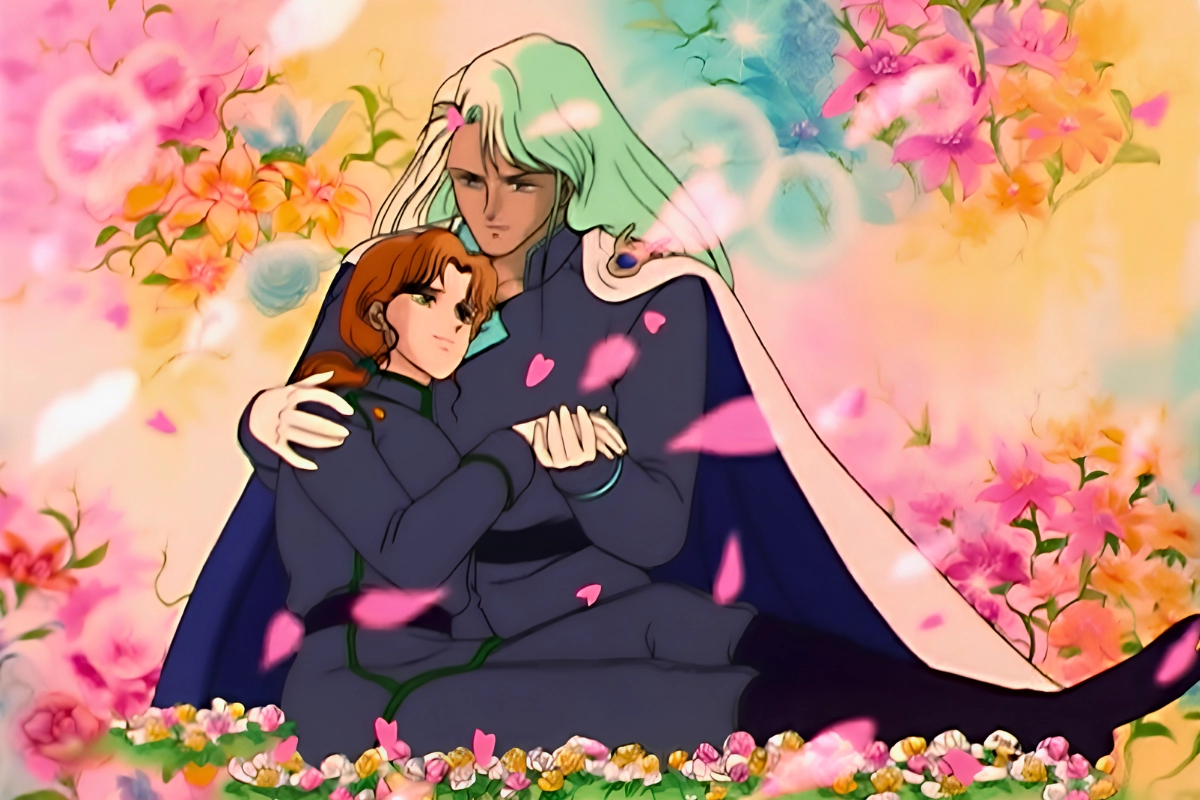
Sailor Moon villains are just as likely to be queer as the heroes. And unlike queer-coded villains in Disney films of the 1990s, like Scar from The Lion King, or Ursula of The Little Mermaid, Sailor Moon’s queer villains were often presented as sympathetic and relatable.
Zoisite, for example, is the lover of Kunzite (renamed Malachite in the first English dub, where he was not portrayed as gay), another of Queen Beryl’s generals, and Fish Eye, a member of the Dead Moon Circus, is a man with an extremely feminine presentation. The series doesn’t mock or belittle its villains for their identity, but instead marks them as villains due to their actions: they’re bad not because of who they are, but what they do. Even then, they are usually given sympathetic motives.
9. Reading Sailor Moon’s Transformations as Queer
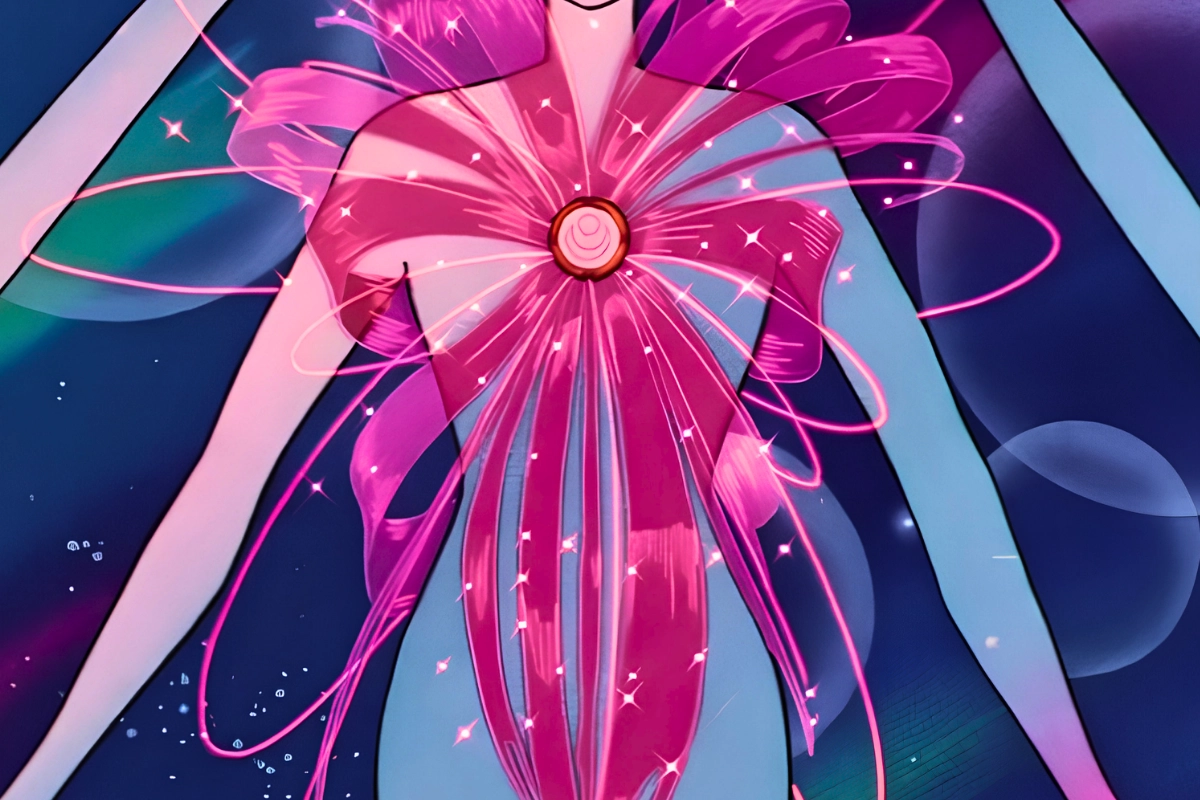
The transformations of the Sailor Guardians are gay as heck. They’re about these people coming into their power by putting on their true face. “Make up!” is the final call of any transformation, and what is make up but a mask that reveals the truth beneath the face? And it would be remiss not to note that the rainbow is everywhere during these transformation sequences.
They have also helped shape the creation of contemporary queer media. ND Stevenson has cited Sailor Moon’s transformations as an inspiration for their wildly popular and incredibly LGBTQ+ friendly cartoon She-Ra and the Princesses of Power for the henshin moments in that show. I’m not about to argue with the person who gave us Scorpia. Are you? No.
10. Why Haruka and Michiru Became Cousins in an Older English Dub
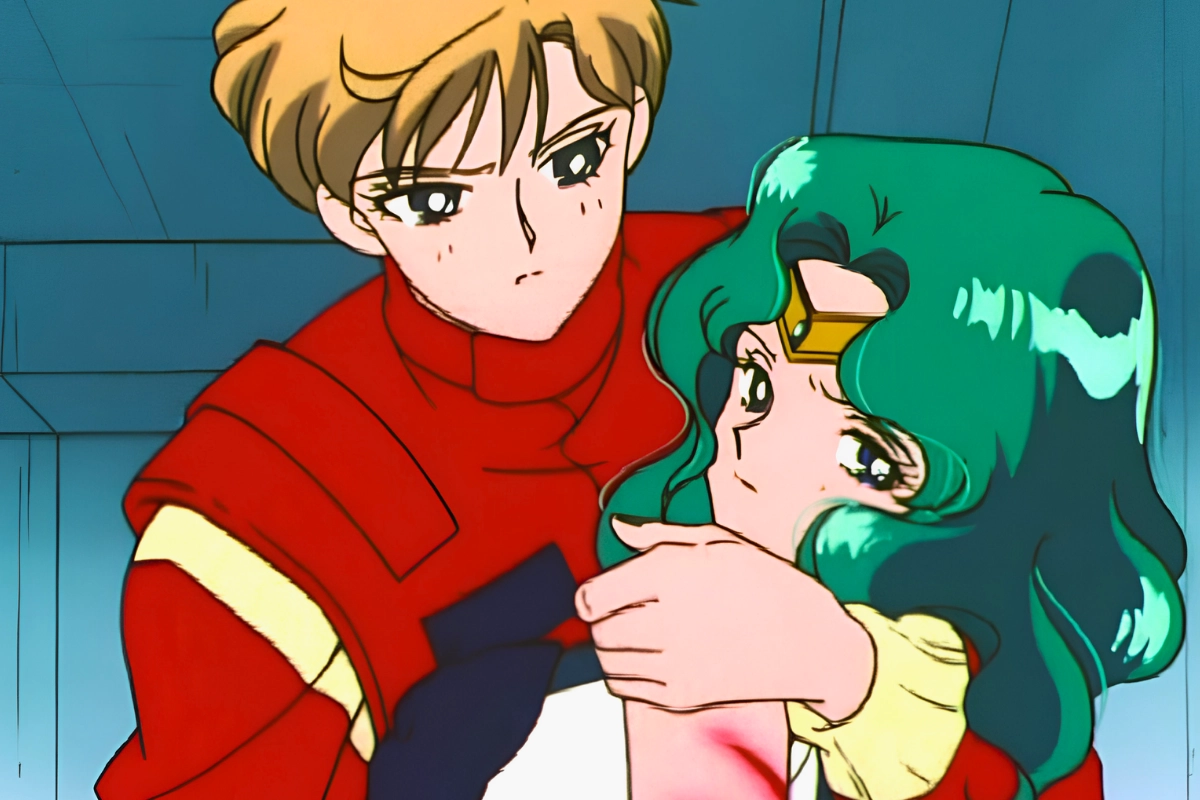
The real proof that Sailor Moon is queer, however, is that in the US, they censored or altered a lot of the LGBTQ+ content. As mentioned, Haruka and Michiru became cousins in the Cloverway dub, where Haruka was always a woman. In the DiC dub, Zoisite wasn’t an effeminate man, but was a straight woman. And Sailor Moon Stars, the final (and, to many, best) season of the show, with gender-changing Guardians who flirt with men and women alike? Not translated at all at the time.
In time, though, all of this has been corrected: under VIZ Media, faithful Sailor Moon dubs in English have been released, and Sailor Moon Stars was finally released on physical media in the US and elsewhere, genderfluid Starlights and all.
Sailor Moon Will Always Celebrate Miracle Romance
Naoko Takeuchi and Toei may not have intended to make characters and a show that has been an inspiration for LGBTQ+ people around the world, but they did anyway. Sailor Moon is deeply interested in diversity and brazenly enthusiastic about acceptance. The lyrics of ‘Moonlight Densetsu’ tell us that the heart is a kaleidoscope, something which, if you want to look through it, can show you all the colors of the world and of others through infinite variations. Maybe, one day, we will all be lucky enough to live in the Moon Kingdom.