



Japanese Trans Movie: Review of The Fish with One Sleeve

トビアス・ウォーターズ

It’s time to get our feet wet with this short film about the life of a transgender woman in modern day Japan. Today, we’ll be going over a critically acclaimed story from a queer director that explores the issues that many transgender women in Japan may face, with emotion, pathos, and care — and all in under 30 minutes. Let’s talk about The Fish with One Sleeve!

A Story of a Japanese Trans Woman

yu ishizuka

Our tale follows the life of Hikari Shintani, portrayed by Yu Ishizuka. Hikari is a young trans woman who has been out for a number of years, and now works as an on-call assistant for aquariums, having long since been a fan of fish.

Her life is not exactly turned upside down, but it is given a shake-up when she receives a call from an old classmate of hers inviting her to a reunion. While she can enjoy her life to a large degree, she still faces discrimination and micro-aggressions all the time: one client insists that she use the gender-neutral bathrooms in a different part of the building, or her coworker who tells her to “let her know” if public-facing work isn’t her style.

As the film progresses, she attends the reunion with her friend and old schoolmates, only to discover something that many transgender people experience: superficial acceptance. While her old schoolmates are friendly, they nevertheless see her as, essentially, a sexual object, rather than their friend… or even a person.

The story takes us through the difficulties that trans women in Japan experience, but also the small joys of community.

Background of an Indie LGBTQ+ Movie

One of the most moving aspects of this film is that the director, Shôji Tsuyoshi — who also directed Old Narcissus and the upcoming Tonari no Trans Shojo-chan — made history by exclusively asking for trans women to play the role of Hikari. As was reported by the Asahi Shimbun, Tsuyoshi observed that ” transgender roles are played by cisgender actors who feel comfortable with their gender identity at birth, providing less employment opportunities for transgender actors.”

This is a mindset that has become more popular lately, but has been historically rare. Many directors prefer to go for big names among those who can “pass” as transgender (in something of a cruel reversal of the experience of transgender people). Tsuyoshi, himself a bisexual director, believes it is important for such roles to be portrayed by people who have such lived experience. Ishizuka also believes that, while one’s direct lived experience is not necessary, opportunities are.

“When it comes to what makes an actor feel happy and fulfilled, it is only natural for us to want to play characters who are so different from ourselves, and I also feel the same way,” Ishizuka said. “But first of all it would be better if the industry also opened up to transgender actors and allowed a wider variety of people to work.”

Thoughts and Feelings on this Japanese Trans Movie

kumanomi

The Fish with One Sleeve is, in some ways, a very difficult film to watch. This is not to say it is a bad movie: far from it. The elegance and subtlety with which it portrays the micro-aggressions and small prejudices that transgender people face is as effective as it is affecting. Rather than characters outright “hating” Hikari, instead she is treated as an object, or a pleasant but disposable pet. Throughout, we feel her frustration at having to navigate this world that is so hostile to her, even if the people in it don’t realize how hostile they are.

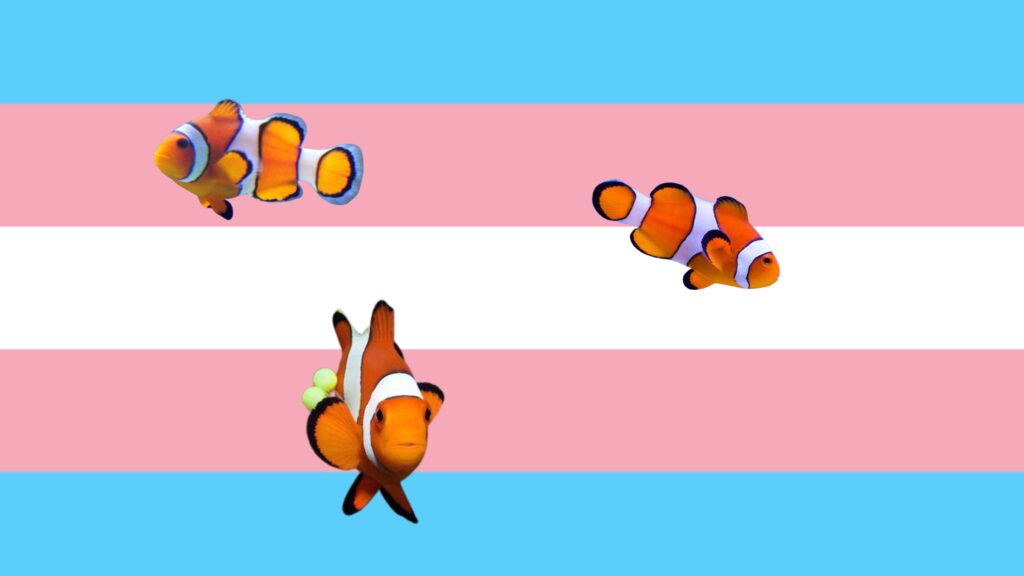
This is especially well demonstrated in the sound design. Hikari is an expert on fish, and is especially fond of clown fish, which can change their gender. However, when she suffers discrimination, the sounds and voices around her fade away, replaced by the sounds of bubbling breath and the vague thickness in hearing that once experiences underwater. It made me feel that Hikari was thinking, “I am a fish, I have changed my gender… so why am I still drowning in this world?”

In our conclusion, though, our adored heroine comes to the conclusion that, while there are people who won’t accept her the way she wants, that doesn’t mean things are over. She is hungry. Hungry for acceptance, and for joy. Luckily, her friends can cook.

The Fish with One Sleeve is short but sweet — bittersweet, but sweet nonetheless. At just 30 minutes in length, there is no excuse not to enjoy this fresh exploration of transgender life in modern Japan.

トビアスは編集者、ライターとして10年以上働いており、ロンドンの法律系出版社でキャリアをスタートさせた後、2019年に東京に拠点を移した。 日本の首都に移ってからは、自動車、医療、ビデオゲーム、経済、ワイン、教育、旅行など、さまざまなテーマの記事を執筆または編集している。日本で初めて発売されたCBDビールをレビューしたこともある! 余暇は映画鑑賞、ビデオゲーム、カラオケ、銭湯通い。好きなポケモンはシンクス、好きな食べ物はカレー。2008年の金融危機がいかに現代世界のすべてに影響を与えたかについては、決して黙っていない。