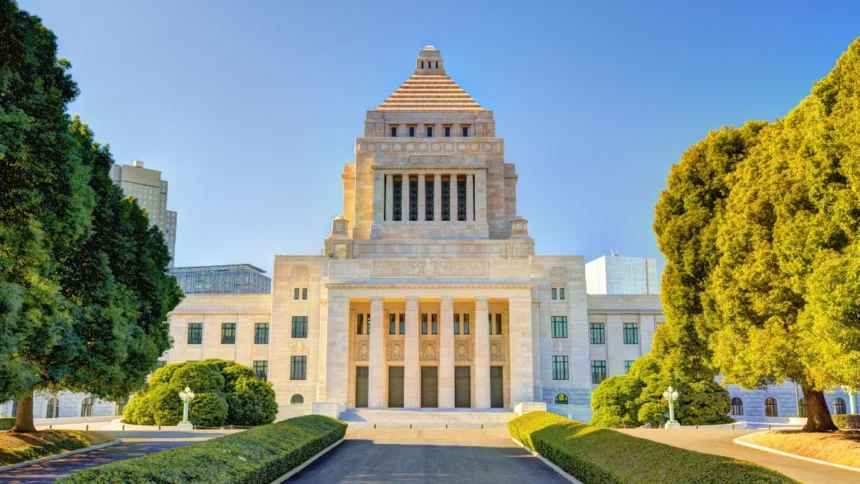

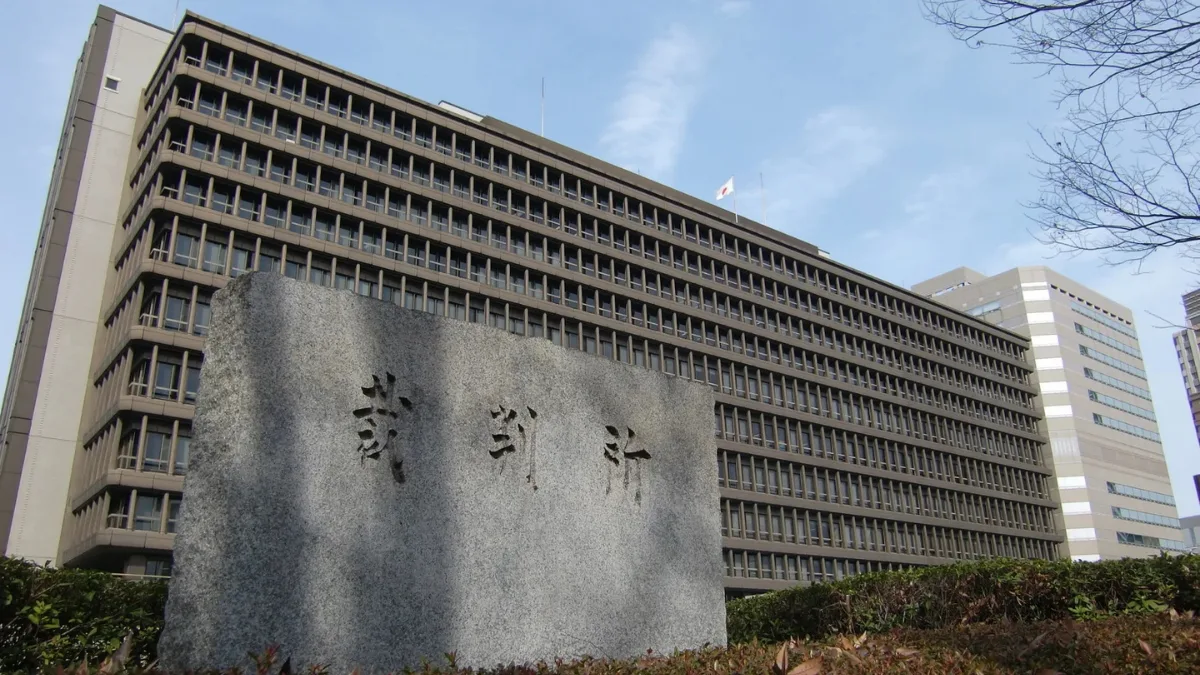

In May 2026, the Osaka High Court ruled that the Japanese family-registration system (koseki) does not reflect the reality of non-binary people and their identity in Japan.
A petitioner to the court argued that they could not properly describe themselves as a non-binary person in the existing family system. This is because the Kyoto family register, known as the koseki only recognizes relationships of “son” or “daughter” in connection with parents. However, the petitioner wished to be registered as the “eldest child,” or a similar gender neutral term instead.
The court accepted the validity of the petitioner’s claim. It agreed that the koseki using only a gender-binary violated the petitioner and others’ constitutional right to equality.
However, the court stopped short of ordering changes. It agreed with the Kyoto Family Court ruling that without legislative guidelines the way koseki registrations are made cannot be changed.
Let’s examine the case in more detail.
What the Osaka High Court Ruled

The most positive aspect of the court’s ruling is that it acknowledged that the petitioner and those like them have had their constitutional rights violated.
Masahiro Oshima, the presiding judge, handed down the court’s decision that gender identity is “directly linked to an individual’s personal existence and is an important legal interest.”
This means that, as non-binary people can’t register themselves accurately, the status quo “violates the spirit of Article 14, Paragraph 1 of the Constitution, which establishes the principle of equality, and should be rectified.”
This is a significant step towards broader legal recognition of non-binary rights and identity in Japan. The recognition that non-binary identities (sometimes called x-gender in Japan) do not have equality under the law may help to pave the way towards greater equality for non-binary people.
However, the court ruled that there could be no immediate relief, as it would require changing how the koseki functions as a whole. The court believed that guidelines from the legislature would be needed, as the local government did not have the authority to make the changes by itself.
This is not an uncommon situation in Japan. Unlike other countries, such as the US, Japanese courts have less power to compel actors to take or cease action based on their rulings. Another example involves voting rights. The court ruled in 2011 that voters in rural areas had more voting power than those in urban areas. It ordered the Diet to make laws to fix the disparity, but to date there have been no changes.
What the Case Was About
As with many Japanese legal cases, the privacy of non-public figures is essential. This means the name of the petitioner to the Osaka High Court has not been revealed, but we can tell you the facts of the case.
The petitioner was assigned female at birth, but is a non-binary person in their 50s, and are registered in the koseki family registry as their family’s eldest daughter. But because they do not identify as a woman, they also do not identify as a “daughter,” and so assert that their registration is inaccurate.
First, they petitioned the Kyoto Family Court in December 2024 to have their registration be “eldest child.” In March 2025, however, this application was rejected.
They later issued a statement describing their plight in this case and about their life as a non-binary person in Japan as a whole. They said, “Passports and other official documents only have a gender field of either male or female, and I have felt that my existence is not recognized. I want to be guaranteed the right not to be treated as either male or female.”
They did not give up, however, and immediately appealed to the Osaka High Court to try and have the ruling overturned.
What Is Japan’s Koseki Family Registry?
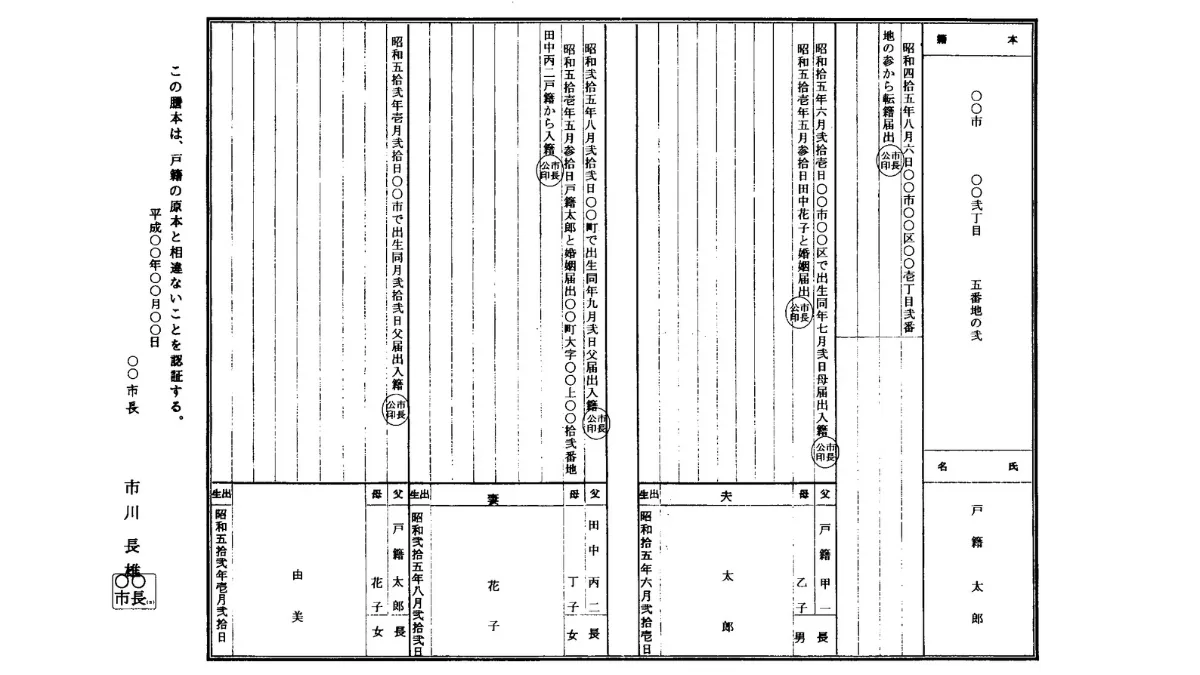
The family registry is more or less what it sounds like. It is a record held by local authorities that lists all changes to residents’ major relationships to one another and/or the state. These include changes such as births, adoptions, marriages, divorces, and deaths.
Under Article 13 of the Family Registration Act, one’s relationship to their parents must be noted in the local authority’s register. However, while the law does not require it, many registries use descriptions like “eldest son” or “second daughter” to both describe the relationship and the gender of the person registered at once. Combining the birth order and gender is said to help the government keep accurate records.
It was on this basis that the Kyoto Family Court dismissed the petitioner’s request to be listed as “eldest child.” It believed that there are insufficient guidelines from government authorities on how to accurately register non-binary people.
Why the Ruling Does Not Change the Registry Yet
The Family Registration Act does not insist on a gender registration, therefore, it does not legally disallow the use of non-binary identities. However, without legislation to formalize the process nationwide, it could lead to inconsistencies across prefectures or cities.
This is why the Osaka High Court ruled that non-binary people should be able to register as non-binary in principle, but still upheld the Kyoto Family Court’s ruling that the local authority could not fix it itself. Therefore, granting relief and giving non-binary people their full constitutional rights (at least with regards to the family registry) will require the legislature to act.
Why the Decision Matters for Non-Binary Recognition in Japan

This decision, which agrees with the petitioner but still declines to take action, is understandably frustrating for non-binary people in Japan. If it wants to, the government can ignore or stall on issues such as this — not an unlikely outcome, given the history of the current executive.
However, Shun Nakaoka, the attorney for the plaintiff (and a trans woman herself) told the Japan Times that this ruling was a significant first step toward legal recognition. She said that until now “the existence of nonbinary gender has been legally unrecognized.” She also announced that they would file a special appeal to the Supreme Court against the rejection of their petition.
In summary, the court gave a favorable opinion, but without being able to force any action. Still, it is important because it includes non-binary people in the national conversation about equality. More, the case could be heard in the highest court in the land.
What Happens Next?
As with all Supreme Court cases, the appeal process will take a long time, and there is no guarantee that the Supreme Court will agree to hear the case. The Ministry of Justice has also not commented on the ruling. Further, no legislative action to formalize non-binary identities has been put forward in parliament.
As such, the situation remains murky for now. The court accepted that the rights of non-binary people are not being recognized, but no action is being taken to rectify the situation. It is unlikely that the conservative Sanae Takaichi’s administration will be taking any positive steps towards addressing the situation.
Additionally, the nature of the Japanese legal system means that even a Supreme Court ruling is no guarantee of change. All the government needs to do is report to the court periodically that it is making efforts, and these efforts don’t need to be substantial.