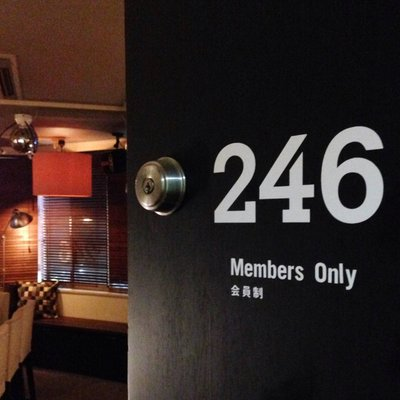


In Japan, you may come across a bar with a ‘Members Only’ sign displayed outside. But what does it mean?
A ‘Members Only’ sign usually means entry is restricted as part of the venue’s own access rules. It does not always mean that first-time visitors cannot enter. Some bars allow newcomers through arrangements they specifically accept, such as an introduction, an accompanying member or approved guest entry.
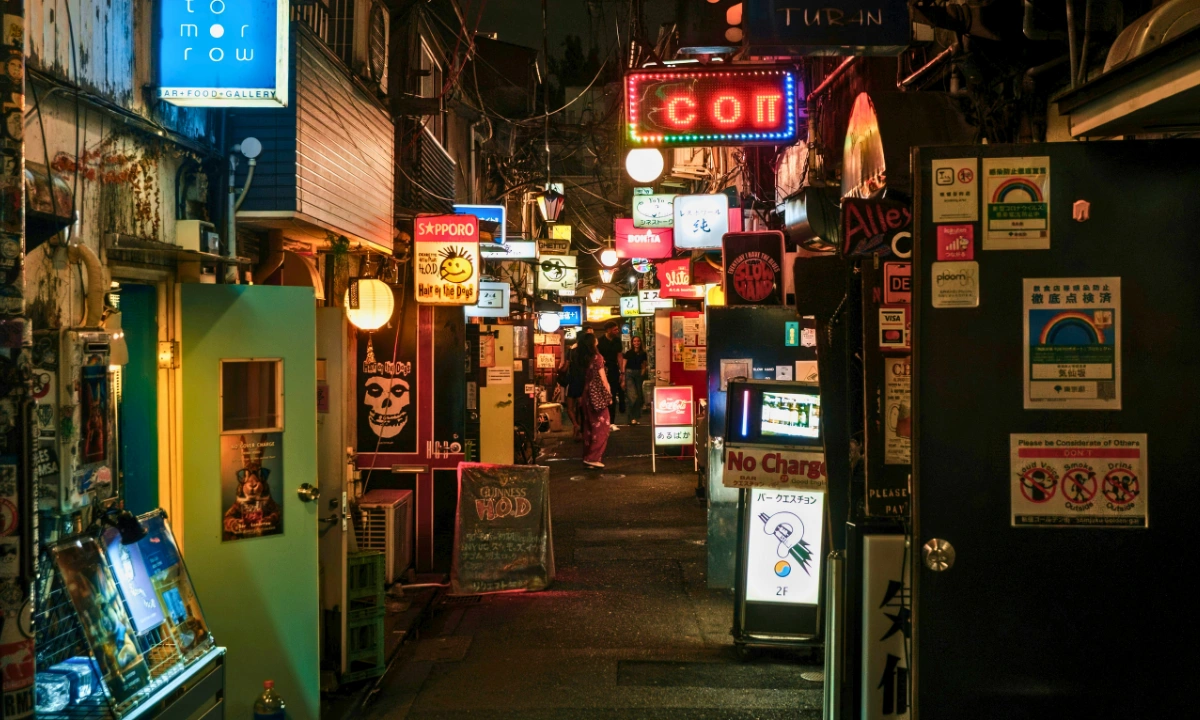
What it does mean is that you should not assume you can just walk in. Some bars in places such as Shinjuku Golden Gai are open to everyone, while others are restricted to members.
The important question is whether that particular bar accepts someone in your situation. Below, we explain the different types of restrictions you may see and how to check whether you can visit or whether you would be refused entry.
What “Members Only” Means at a Japanese Bar
The Japanese term 会員制 (kaiinsei) means a membership system. However, there is no single set of rules that applies to every members-only bar. Each venue decides how membership works and whether guests or non-members can enter.
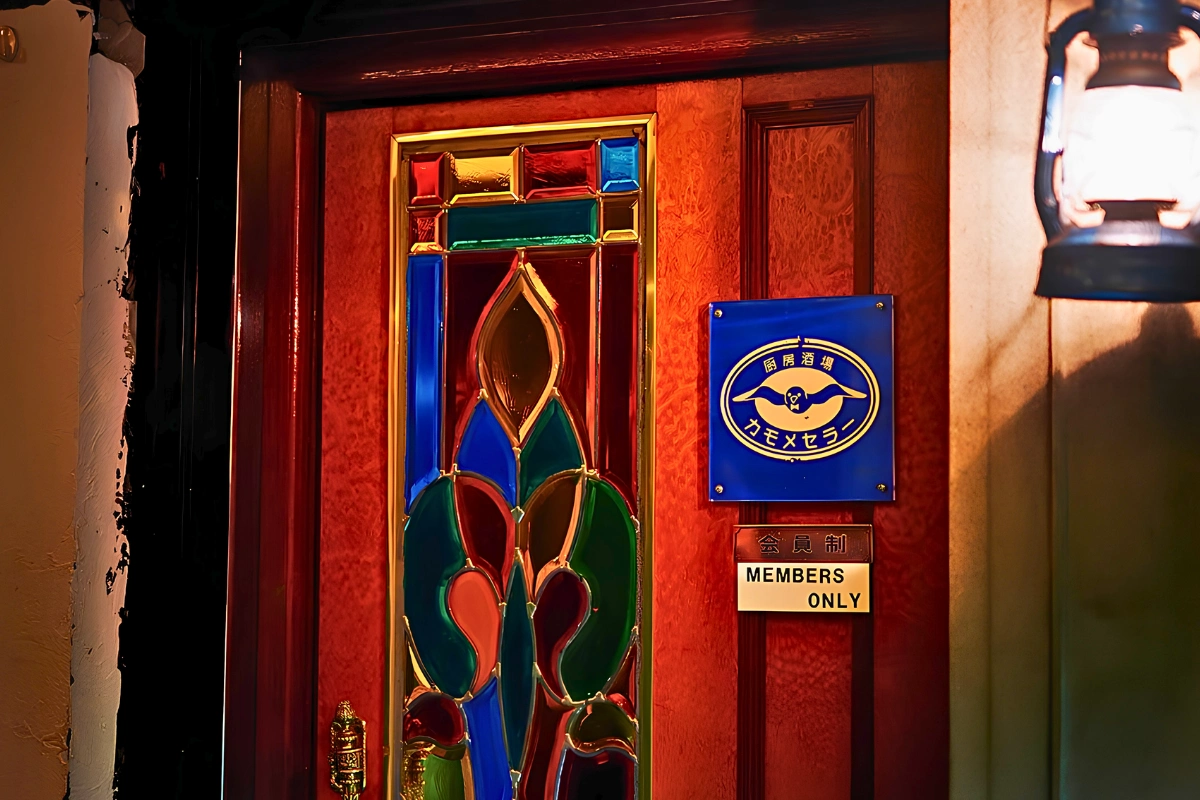
You may also see 紹介制 (shōkaisei), meaning an introduction or referral system. This usually means that access is connected to being introduced by someone the venue already knows or accepts.
This is different from 一見さんお断り (ichigen-san okotowari), which refers to unfamiliar first-time customers being refused. An ichigen-san is generally someone with no known previous connection to the venue. Depending on the venue, an accepted introduction or accompaniment may provide a route to a first visit.
You may also encounter terms such as ‘regulars only’ or ‘invitation-only’. Their meaning can vary depending on the venue using them, so it’s best to check their own entry rules.
It is also worth separating membership benefits from restricted admission. Some membership systems allow non-members to use the venue while offering additional benefits to members.
So, the wording on the door is only the starting point.
Can Visitors or First-Time Customers Enter?
Sometimes, yes. Some members-only bars allow newcomers through a member’s introduction, accompaniment, an invitation from the venue or another approved guest arrangement. Others require visitors to complete their own membership process before entry.
The sign alone does not tell you which system applies.
For example, in Tokyo’s Kita-ku, La pucelle d’Orléans states that entry normally requires an introduction from a member, accompaniment by a member or an invitation from the bar. Its policy also provides limited guest entry for first-time non-members when space is available, so long as the venue approves at the time of the visit.
A trial visit may also be an option at some venues. Bar Ochaya publishes a process that begins with booking a trial visit through its official LINE account before moving to the next stage of membership.
The same applies to tourists. Being a tourist or foreign visitor does not automatically mean you will be refused by a bar with a ‘Members Only’ sign. The sign does not mean the same as ‘No tourists’ and does not, by itself, explain whether foreign visitors are eligible. The main issue is whether the venue accepts first-time or non-member guests and what arrangements it requires.
A reservation or willingness to pay also does not replace confirmation from the bar.
If the rules are not clear, the best approach is to ask about the specific point you need to know.
What to Do If the Entry Rules Are Unclear
If you cannot tell whether you are allowed to enter, follow these steps:
- Check the posted instructions. Look at the bar’s official website, social media, booking page or contact information
- Look for first-visit arrangements. Check whether the venue mentions nonmembers, guests, introductions, accompaniment or trial visits
- Contact the venue through its stated method. If the route is unclear, ask before visiting
- Ask about your eligibility. Find out whether a first-time nonmember can visit and whether an introduction or accompaniment is required
- Follow the confirmed arrangement. A booking or contact channel does not automatically mean entry has been approved
If you are already at the entrance and staff are available to respond, a brief question is appropriate and can help clarify things. Remember, you are asking about eligibility, not requesting special treatment.
You could ask:
| Japanese | Romaji | English Meaning |
|---|---|---|
| 初めてでも入れますか? | Hajimete demo hairemasu ka? | ‘Can I come in even though it is my first visit?’ |
| 紹介は必要ですか? | Shōkai wa hitsuyō desu ka? | ‘Is an introduction required?’ |
Once permission has been confirmed and you can enter the venue, the next step is understanding etiquette. If you are visiting a gay bar, check out Japan Gay Guide’s guide on Japan Gay Bar Etiquette.
If the answer remains unclear or the venue refuses entry, thank the staff and leave. Choose another bar rather than assuming the restriction can be ignored or negotiated.