
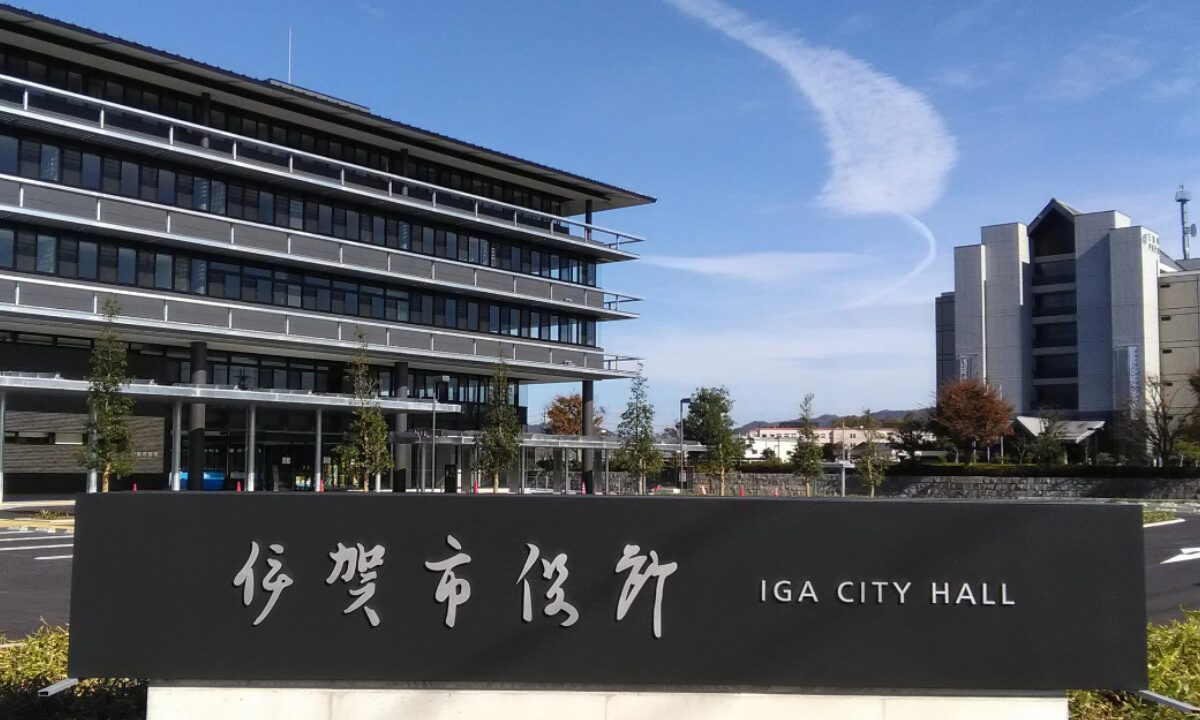

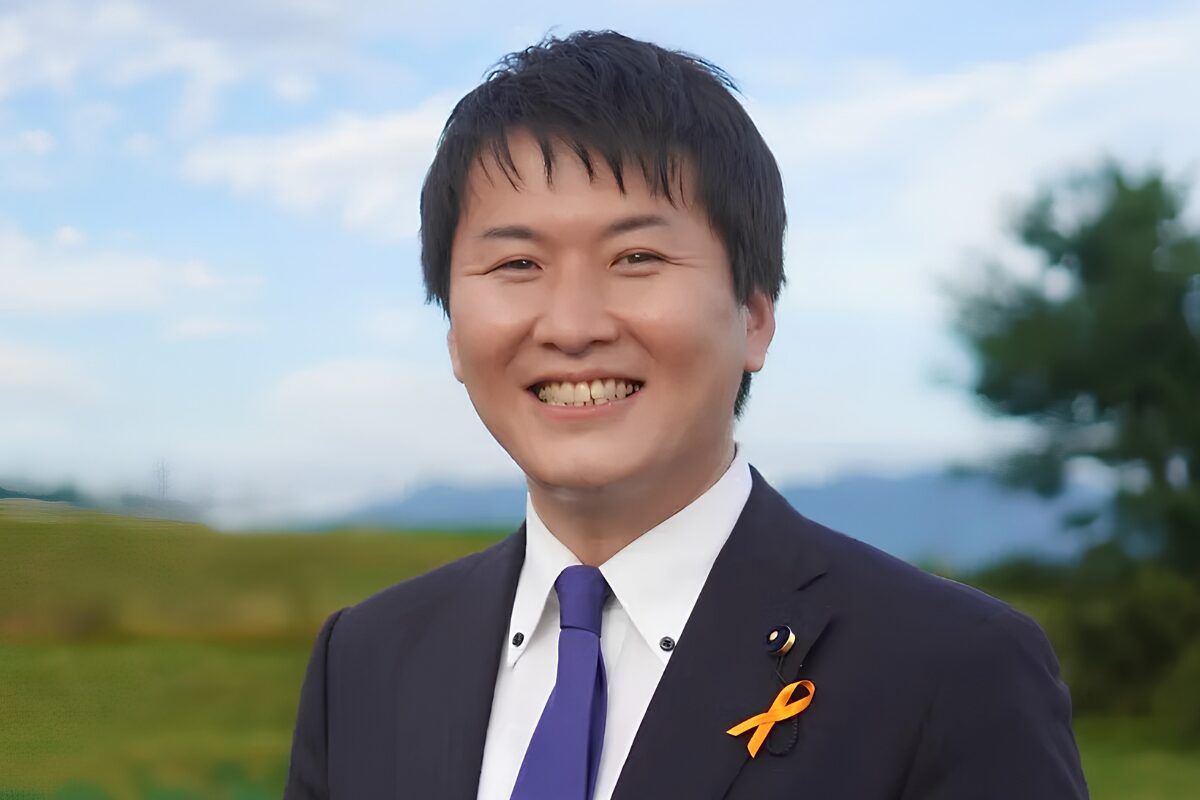
On 4 August 2026 the Mayor of Iga City in Mie Prefecture personally received a marriage notification from a resident gay couple in the city. Mayor Toshinao Inamori said that he would immediately begin talks with the appropriate national authorities to confirm how the city could formally accept the notification.
Marriage notifications are needed to confirm and register a marriage. However, Inamori’s public receipt of the notification does not mean the couple is legally married. Read on to discover why Inamori’s action is nevertheless important to the national conversation about marriage equality.
What Happened in Iga?
At Iga City Hall, the couple, Mr. Kano and Mr. Shimada presented Mayor Inamori with a marriage notification. They moved to Iga from Osaka in 2016, after Iga became the third city to issue Partnership Oath Certificates.
In Japan, a marriage notification (kon-in todoke) must be submitted to local authorities for a marriage to be legal and recognized by the state. This is not the first time a same-sex couple has submitted a marriage notification to local authorities, but it is the first time a couple has not been turned away.
Kano and Shimada also addressed the public while presenting Mayor Inamori with the notification.
“While heterosexual couples have their forms accepted, same-sex couples are not recognized as legally married. Many times, we have felt we are not treated the same as heterosexual couples. But we don’t want to simply dismiss this as ‘just the way things are.’
“We are deeply grateful to the mayor and the city staff for taking the time to allow us to submit our marriage registration in this way.”
Inamori replied, “I would very much like to accept it,” and promised to “engage in discussions with the national government to secure acceptance of the application in this specific case.”
On Facebook, Inamori explained his reasoning for accepting the notification:
“Article 14 of the Constitution enshrines equality under the law, and Article 24 guarantees the freedom of marriage. There are no laws prohibiting same-sex marriage. Excluding same-sex couples from the marriage system simply because of their status as a same-sex couple clearly violates constitutional principles.”
Seeking advice from the national government makes this event more than a symbolic act. Now, the authorities must begin to take action ahead of the Supreme Court’s expected ruling on same-gender marriage in 2027.
This is not the only example of Iga City being forward thinking on LGBTQ+ matters. In 2025 it began issuing resident certificates listing those with Partnership Certificates “unregistered husbands/wives.” This recognizes the relationship of the couples living together with Partnership Certificates, who had previously been listed as “cohabitants.”
Does This Mean the Couple Is Legally Married?

While this is a big step forward in the national conversation regarding marriage equality, Kano and Shimada are not yet legally married. The city would need to accept the notification formally to make the marriage official.
While the couple have submitted the notification, and it has been received, it has not yet been officially accepted. For that, they need official guidance from higher authorities to make the acceptance legitimate. That is the next step Inamori aims to discuss with the national government.
One potential barrier is that the Family Register Act requires family unit registrations to have one husband and one wife in the Family Register Book. However, this is more of an administrative procedure, rather than a matter of settled law.
The registration process in Iga considers a marriage legal from the submission of the notification if successfully accepted. Therefore, if it is accepted, their marriage could be considered to have been legal from 4 August 2026.
Why Articles 14 and 24 Matter
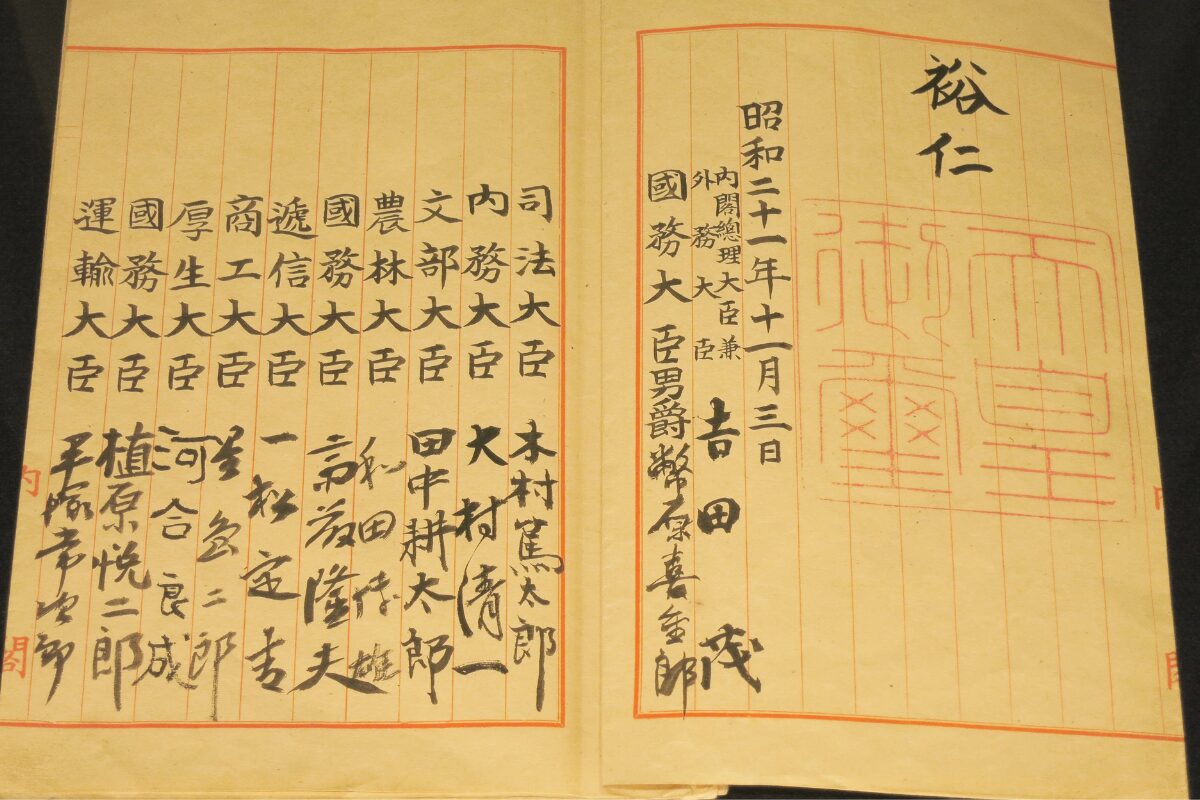
As noted above, Inamori specifically cited Articles 14 and 24 of the Japanese Constitution as providing reasons that the marriage notification should be accepted. But what are these articles? What do they say? Why do they support the case for establishing marriage equality?
Article 14
Article 14 reads, in part: “All of the people are equal under the law and there shall be no discrimination in political, economic or social relations because of race, creed, sex, social status or family origin.”
Inamori’s interpretation appears to be that denying marriage to same-gender couples clearly demonstrates inequality. Straight people being permitted to marry the person of their choice while LGBTQ+ people cannot is clearly discriminatory.
Article 24
Article 24 reads, in full: “Marriage shall be based only on the mutual consent of both sexes and it shall be maintained through mutual cooperation with the equal rights of husband and wife as a basis.
关于配偶的选择、财产权、继承、住所的选择、离婚以及其他与婚姻和家庭有关的问题,应从个人尊严和两性基本平等的角度制定法律。
Inamori seems to interpret the second clause regarding the choice of spouse and the right to individual dignity as supportive of marriage equality.
The most obvious obstacle is the first clause reading in part, “both sexes” and “husband and wife.” However, it has been argued that this wording, drafted in the 1940s, was not designed to exclude LGBTQ+ people from marriage. Instead, it was designed to prevent forced and abusive marriages.
Thus far, the importance of these Articles has been argued six times in Japan’s High Courts (Japan’s intermediate appellate courts). Five ruled that denying same-gender marriage was unconstitutional. Only one, a second ruling at the 东京高等法院, ruled that it is not.
As a result, the Supreme Court will rule on the constitutionality of marriage equality. A decision is expected to be published as early as 2027.
接下来会发生什么?
As with any major legal case, much of what comes next is a matter of ‘wait and see.’ Inamori’s receipt of the notification does not change the couple’s legal status or the legality of same-gender marriage in Japan. However, it puts pressure on the national government to acknowledge the situation while promoting the cause for marriage equality.
The big answer will likely come from the Supreme Court, and the government’s reaction if it rules marriage equality constitutional.
Although there is no immediate change, Kano, Shimada, and Inamori have made a noteworthy contribution to the fight towards equality. With luck, Kano and Shimada will be able to celebrate their first wedding anniversary on 7 August 2027.