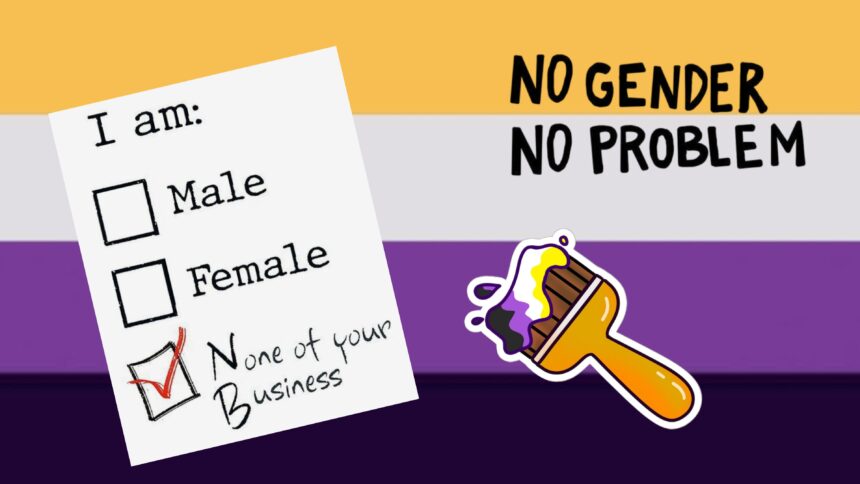

Non-binary Flag: Meaning and History

托比亚斯-沃特斯

What is the Non-binary Flag?

This is an article where JGG regrets to admit that it has been remiss: despite a number of articles about various pride flags, we have yet to write one for our non-binary siblings. So, what is the Non-binary Pride Flag? Why does it have the colors it does? And where can we see it flown?

How Do I Spell “Non-binary?”

One thing that we should mention is that the term”non-binary” itself has many different variations in spelling, and so you may encounter different versions, depending on what you’re reading and who is writing it. “Non binary,” with a space, is typically considered a touch anachronistic, and is not usually the preferred means of communicating the identity of those who do not fall into the common binary expression of “woman” or “man.”

These days, “non-binary,” with a hyphen, is the more traditional means of spelling the term, and is the way it is currently presented on your source of knowledge and ours, Wikipedia. However, it is becoming more commonplace — and it is often the preference of the community — to exclude both a hyphen and a space, and write, “nonbinary.” We are using the hyphen in this article, as it seems to garner the most attention, and as an educational article, we want to reach the most eyes.

The History of the Non-binary Flag

Created in 2014 by Kye Rowan, as with many relatively recent Pride flags, it was first posted to the extremely pro-LGBTQ+ social media platform Tumblr. It came about as, while there was a genderqueer flag, it did not correctly represent the experience of non-binary people specifically. As The Mary Sue reports, the first genderqueer flag’s colors have been co-opted by the TERF movement in the UK, and as such it has now become (to say the least) an understandable sore spot for many LGBTQ+ people.

Meaning Behind the Non-binary Colors

As with every pride flag, each color has a particular meaning and significance. And if you think we’re going to leave our dear audience hanging, then you clearly don’t know us as well as you think you do!

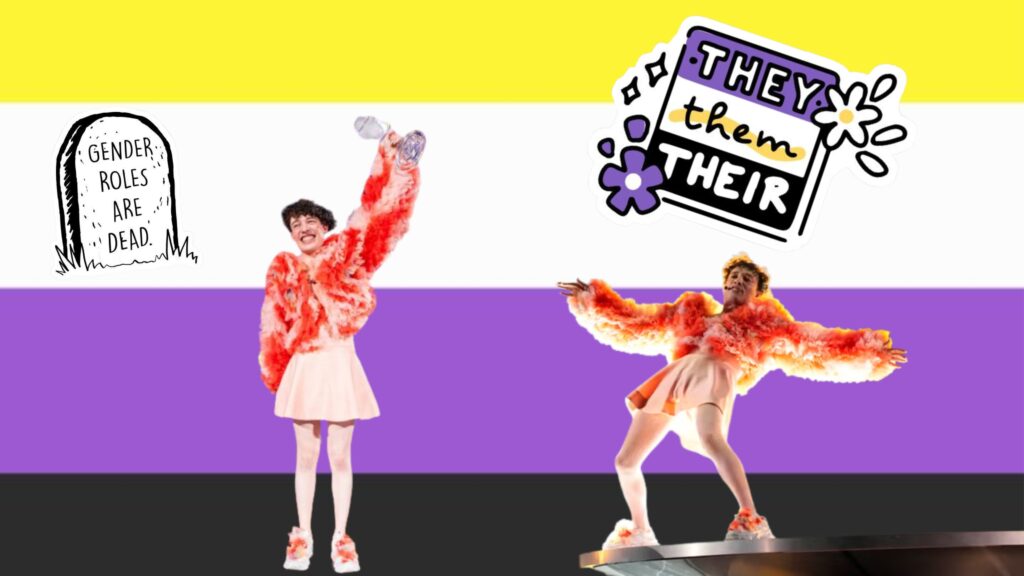
First of all, the yellow that sits atop the flag represents those who exist outside of the often-accepted gender binary, being neither connected to red or blue in hue. As with many pride flags whose creation came about in the Internet age, people share its hex triplet coce, which we are happy to share with you now: #FFF433.

Beneath is white. This represents those who are of multiple genders, which is to say, men, women, and more at once, and has the code #FFF8E7.

It is followed by lavender. This represents those who identify as being both a blend of man and woman simultaneously. It is also a reference to, and a reclamation of, the term “lavender” being used as a pejorative for LGBTQ+ people — most notably in the concept of a lavender wedding. This color goes by the code #9B59D0.

Finally, the black line at the bottom exists to represent agender people: those who do not identify with any gender at all. The code for this one is #2D2D2D.

Notable Flying of the Non-binary Flag

nemo swedish

Being less well-known than the Progress Pride Flag, the non-binary flag is not so often a point of focus as the Progress Flag or other Pride Flags, there are fewer examples of its being highlighted in the media when it is. However, it does occasionally attract national — or even international attention. One example is the 2024 Eurovision Song Contest, when Nemo, the first openly non-binary musician to represent their native Switzerland, snuck a Non-binary Pride Flag into their celebration, even after being told they weren’t allowed.

It was also flown in 2025 outside of the Seattle Federal Building in protest at the actions of ICE. It was specifically flown upside-down, an internationally recognized sign of distress.

The Non-binary Pride Flag: In Conclusion

utada

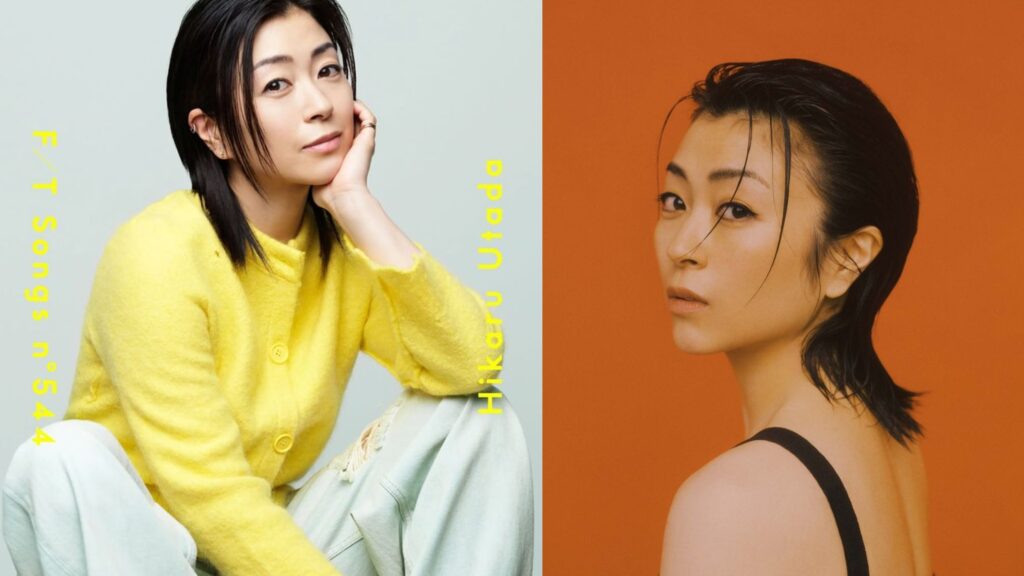
While it is not as well known as other Pride Flags, the Non-binary Flag is slowly growing in recognition, and you can (hopefully) expect to see it flown in more and more places — including in our beloved Tokyo, where people who are non-binary are being increasingly visible. Read more about non-binary star Hikaru Utada 这里!

托比亚斯从事编辑和作家工作已有十余年,最初在伦敦一家法律出版社工作,2019 年移居东京。 搬到日本首都后,他撰写或编辑了各种主题的文章,包括汽车、医药、电子游戏、经济、葡萄酒、教育和旅游。他甚至评论了日本推出的首款 CBD 啤酒! 业余时间,他喜欢看电影、玩电子游戏、唱卡拉 OK 和去当地的温泉。他最喜欢的神奇宝贝是神狐,最喜欢的食物是咖喱。他从不谈论 2008 年金融危机如何影响了现代世界的一切。