

In October 2026, a skit on the US comedy show 周六夜现场 nearly fell apart. It happened when, rather than laughing at the notion of Link “the twink” of Nintendo’s Legend of Zelda series dunking on the protagonist of Grand Theft Auto VI, the audience instead roared in approval. Video games, especially those from Japan, are no longer seen as a niche hobby for weird losers, but are a major part of many people’s lives. Naturally, this includes LGBTQ+ people.
Today, video games are increasingly being created with queer audiences in mind. Today, representation in the form of queer characters is no longer just relegated to head canon among fans. There are several prominent LGBTQ+ characters in Japanese video games, from indie darlings to massive franchises. Today, we’re going to help you get your queer gaming level up by going through some of the most important queer characters from some of our favorite games.
What Counts as LGBTQ+ Representation in a Video Game?
Before we press start to get this game started, let’s go over our instruction manual to confirm our parameters for LGBTQ+ characters in games. The characters we’re going to discuss in this article are going to start with those whose LGBTQ+ identity either has textual evidence or confirmation from the creators. We’ll also be including characters whose sexuality can be influenced or decided by the player, and we’ll note where localization can — or, indeed, has — altered a character’s identity.
However, this list won’t include head-canon, no matter how obvious it may be to me that Luigi is a pansexual icon. To save space and time, we’ll also be omitting characters like Metal Gear Solid 2’s Vamp, whose bisexuality sadly isn’t explored beyond two sentences of dialogue. Sorry Vamp!
Confirmed LGBTQ+ Representation in Japanese Video Games
Alright, now that you know that these characters aren’t going to be random encounters, here are the LGBTQ+ game characters we’ve chosen for our party.
Persona 2: Innocent Sin: Tatsuya and Jun
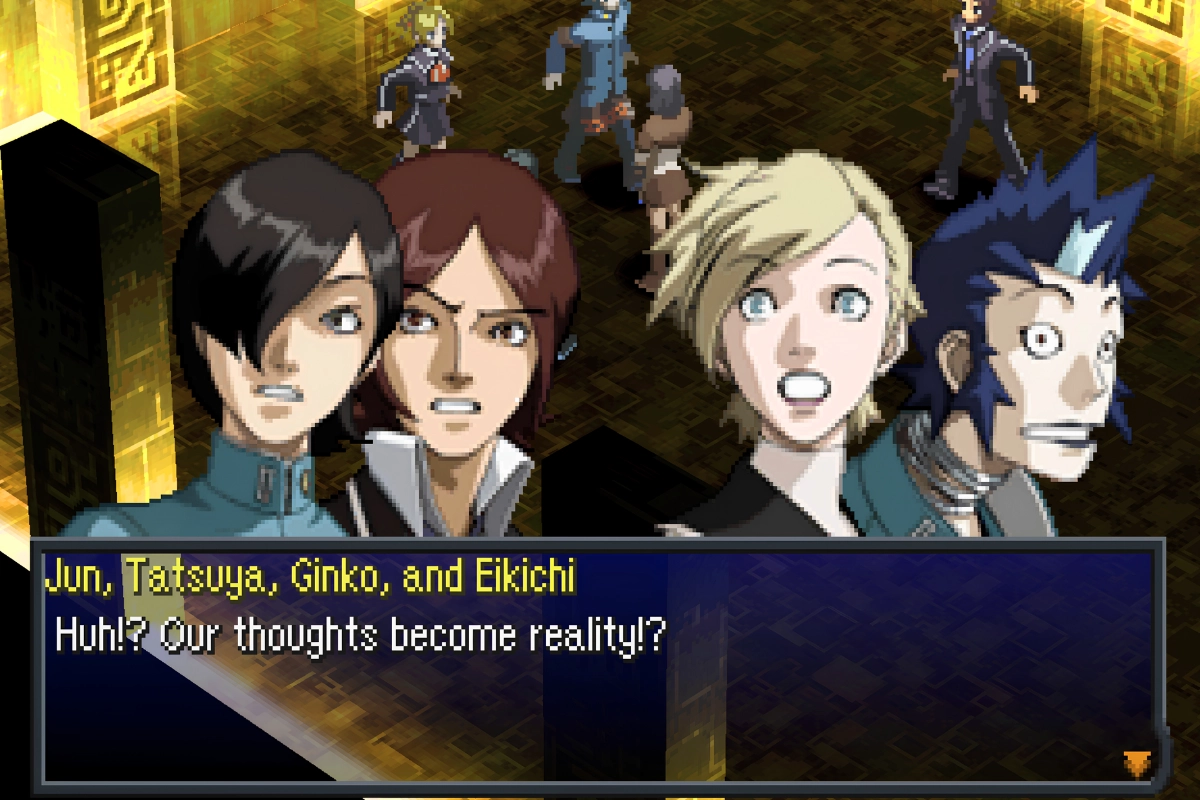
Published in 1999, Persona 2: Innocent Sin is the second game in the now-iconic series by Atlus. The Persona series is notable among Japanese RPGs for the way it combines dungeon-crawling, turn-based combat phases with high school life simulator sections. Naturally, these can include, for those who want to, the option to romance non-player characters.
In recent years, the Persona games have been limited to heterosexual-only relationships between the player character, but this was not always the case. In this game, the main character, Tatsuya Suou, is something of a loner and is uncomfortable being directly courted by other characters, either for friendship or romance. The one exception to this rule, however, is his relationship with Jun Kurosu. The two are childhood friends and are described by other characters as being very similar and having a close relationship.
Jun, understandably, becomes the series’ first same-gender romance option. Something especially notable is that this option is not treated as a joke or as bizarre by either other characters or by the game itself. In 20th-century Japan, while homosexuality was never criminalized, it was often depicted as something to be made fun of and played for laughs. Indeed, this same attitude can persist to the present day, but before the “LGBT Boom” of the 2010s, it was far more prevalent. This makes Persona 2: Innocent Sin and the relationship between Tatsuya and Jun historically important, as well as personally satisfying for the player.
Fire Emblem: Three Houses: Byleth
Fire Emblem: Three Houses is one of the best-selling and most highly acclaimed games on the Nintendo Switch. The sixteenth entry in the long-running series, it continues the tradition of allowing characters to develop “support” bonds. The stronger these bonds are, the more benefits players get, such as the characters becoming more powerful if they are near to one another in battle.
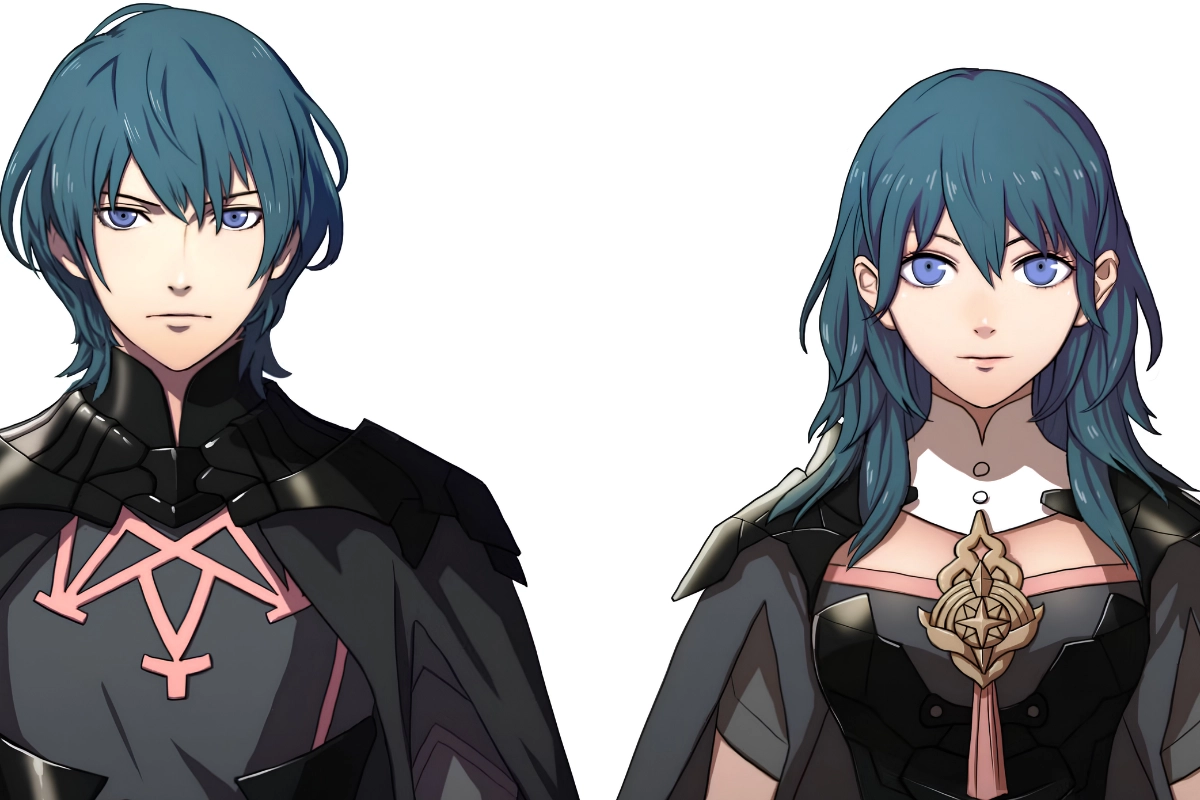
Many of these bonds are romantic in nature for the main character, Byleth. Fire Emblem: Three Houses is not the first game in the series to have same-gender relationships, a distinction that went to its predecessor, Fire Emblem Fates. However, it marked a milestone for the series in that there was more than one queer option for the player to choose from… eventually.
Byleth, whose gender can be chosen by the player, can start a relationship with most characters of the opposite gender, while only a select number of the same gender can be romanced. For those playing as a woman Byleth (nicknamed “Bylass” or “Girleth” by some fans), there are five sapphic options to choose from. These are Edelgard von Hresvelg, Mercedes von Martritz, Dorothea Arnault, Rhea, and Sothis. All five of these options were available on the game’s release.
Conversely, the male Byleth (”Bylad” or “Boyleth”) has just three romanceable men: Linhardt von Hevring, Jeritza von Hrym, and Yuri Leclerc. However, the second of these was only dateable after an update to the game on 8 November 2019, over three months after its 26 July release. The third, Yuri, is a character only available through paid downloadable content, essentially paywalling a gay romance option.
It was a little disappointing, then, that the gay relationships in Fire Emblem: Three Houses are more limited than the lesbian relationships, as well as having a more staggered start. Nevertheless, having multiple queer options for the player was a significant step for the series.
Guilty Gear Strive: Bridget
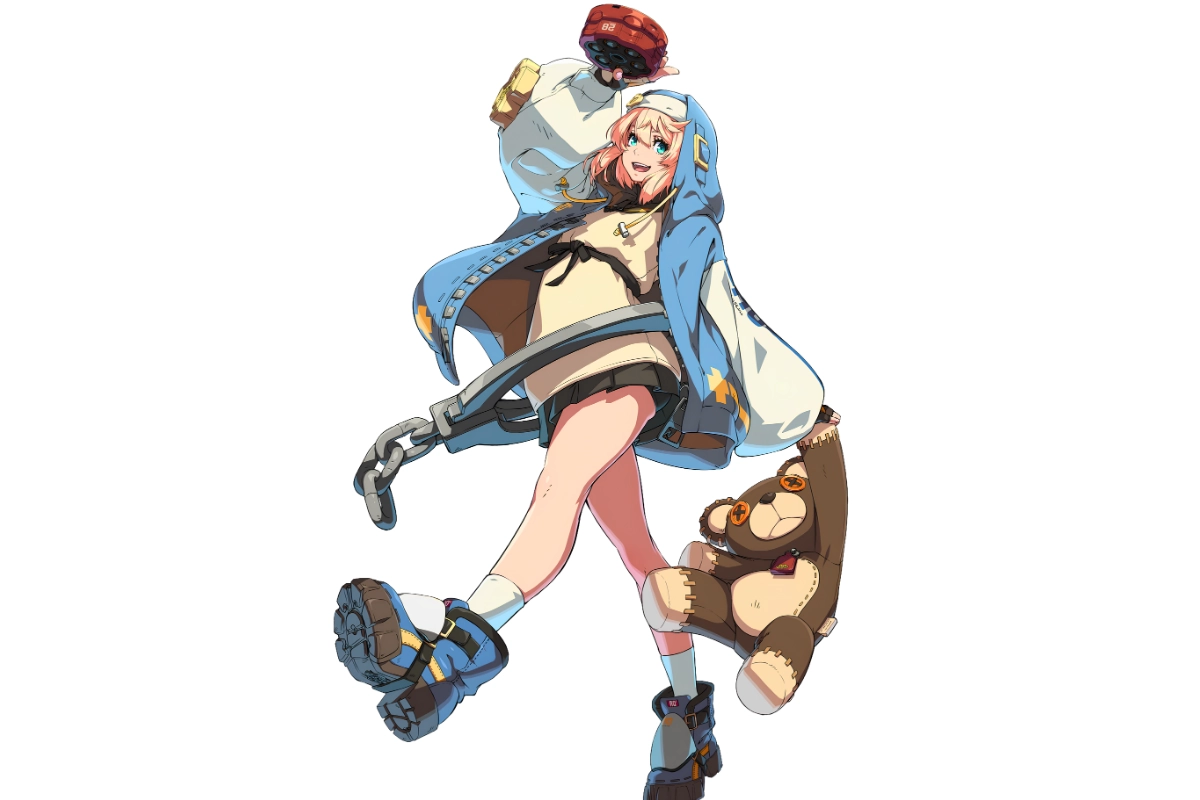
Debuting in 2002’s Guilty Gear X2, Bridget has been through a long journey, both in her in-game continuity and in the real world. In continuity, Bridget is born as a twin brother into a village that believes a superstition that twins of the same gender are an omen of ill-fortune. To prevent the village from meeting a terrible fate, her parents dress and raise Bridget as a girl. Eventually, Bridget becomes a skilled fighter and hunter, and reveals their origins as proof that the supposed curse is fake.
Her story became one of the most potent sources of discourse in the fighting game community for years. Many asserted that Bridget was a cross-dressing man, while others believed that she was a trans woman. For years, the arguments went back and forth, until Guilty Gear Strive finally settled the discussion once and for all in 2022.
The game’s Arcade Mode features short scenes that follow the story of the character the player chooses. When playing as Bridget, if you finish Arcade Mode on hard mode, you’re treated to a scene where Bridget, who has been struggling with her gender identity throughout the story, accepts and embraces her identity as a girl.
This is not just textually confirmed, but series creator Daisuke Ishiwatari confirmed that Bridget identifies as a woman — and that this is not a “Bad End” or a mistranslation, contrary to what some “fans” have written online.
Final Fantasy XVI: Dion Lesage
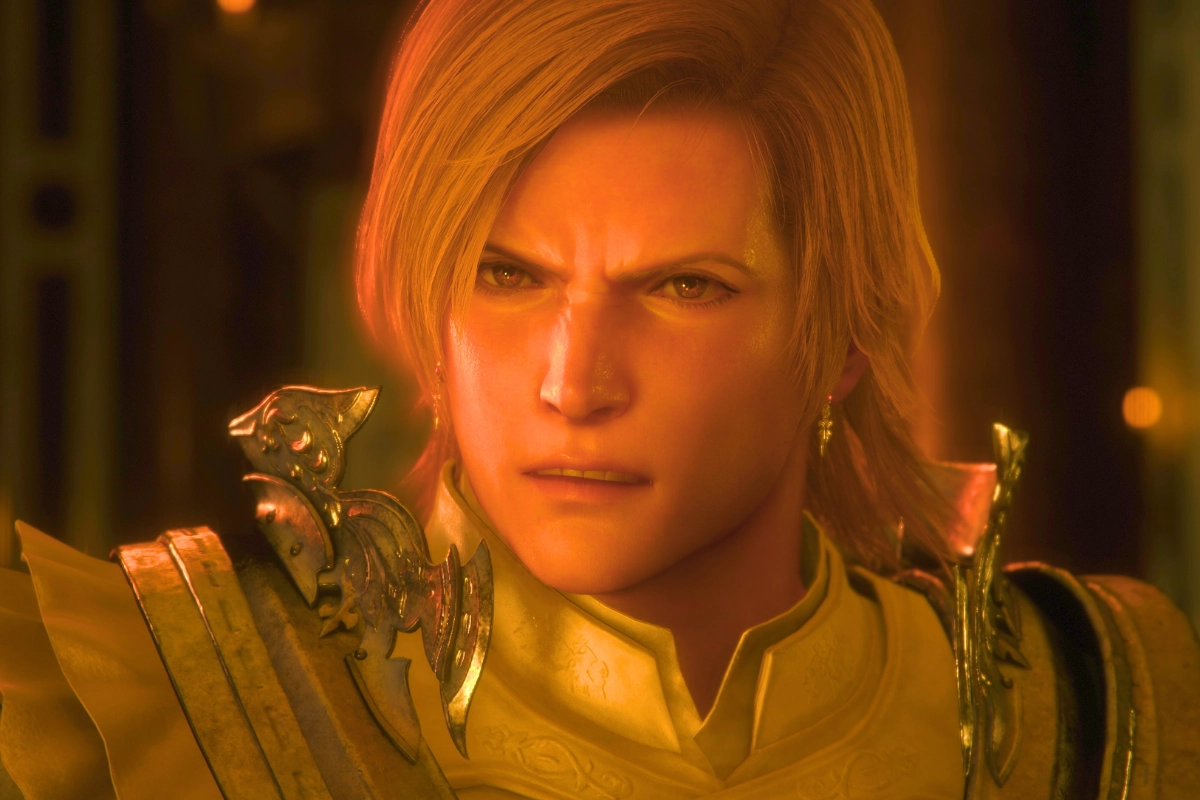
"(《世界人权宣言》) Final Fantasy series has had some memorable characters or moments that play with sexuality or gender. Fans will fondly remember 最终幻想VII’s mini-arc where players had to convincingly pass protagonist Cloud Strife as a woman. But it wasn’t until 2023’s Final Fantasy XVI that the series saw its first openly gay main character in a mainline numbered game.
Dion Lesage is the leader of the Holy Order of the Knights Dragoon in the empire of Sanbreque, and is the son of the Emperor, Sylvestre. His second-in-command, Sir Terence Bellamie, is his lover, and the two share intimate (though not sexual) scenes during the game.
Dion has been highly praised for his characterization. His sexuality is an important part of who he is, and is not pushed into the background or treated as an unimportant detail. At the same time, it is not all that there is about him, and he shines as a forthright, noble, “Superman”-like character, in contrast to the game’s darker, edgier protagonist, Clive. His English language voice actor, Stewart Clarke, noted that he was especially happy that Dion’s sexuality was not left implied or open to interpretation.
Something many fans of the series found interesting is that the game was banned in Saudi Arabia — and no reason, other than “the publisher’s unwillingness to make the necessary modifications,” was given. While this means the actual reason may never be known, many speculate that it was owing to Square Enix’s refusal to censor Dion and Terence’s relationship.
Paper Mario: The Thousand-Year Door: Vivian
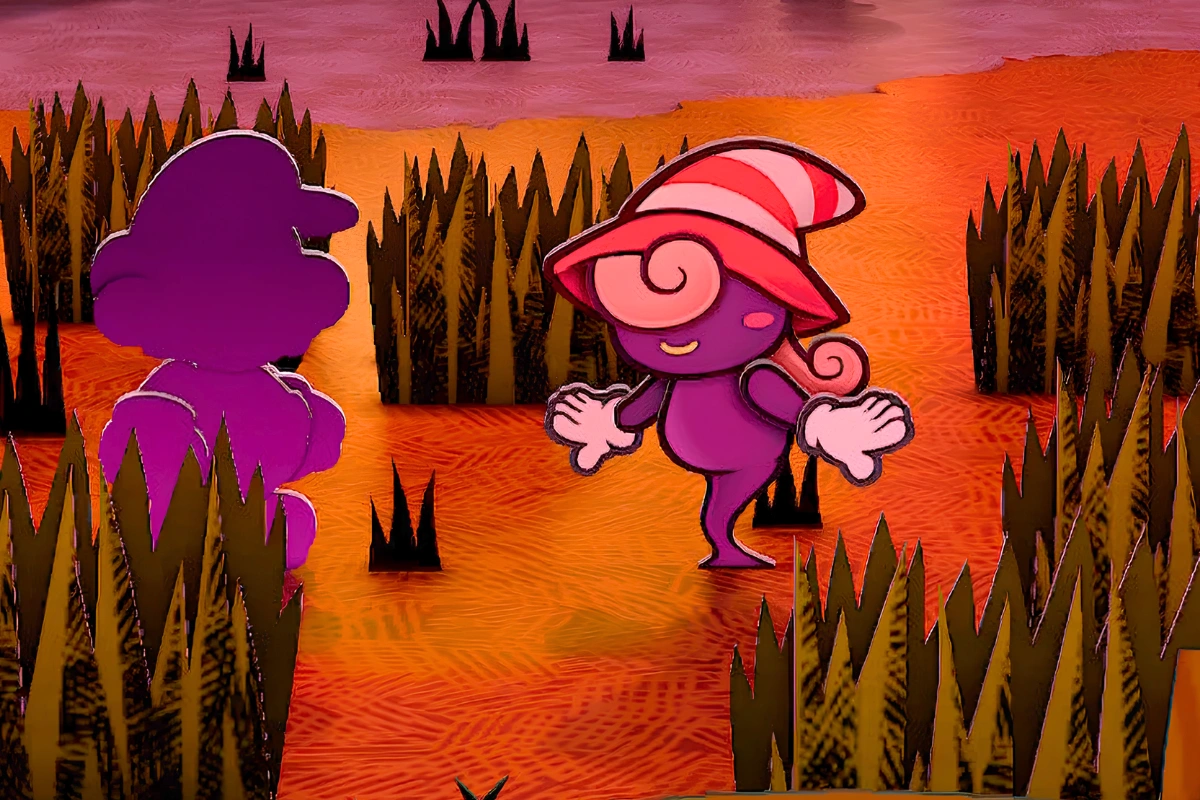
The wholesome and cute world of Mario is open to everyone, though as Nintendo’s flagship franchise, it has generally shied away from gender- and sexuality-related issues beyond the puppy-love romance of Mario and Peach. However, the recent re-release of the cult classic Paper Mario: The Thousand-Year Door has shone a spotlight on the transgender character Vivian, to the delight of fans across the world.
Vivian’s transgender identity being confirmed in the 2024 release of the game is especially notable. It highlights an issue that LGBTQ+ representation in Japanese games has occasionally had to contend with: localization. In the original 2004 GameCube edition of the game, Vivian was portrayed in Japanese as a character who identified as a woman, but was dismissed as one by her abusive sisters. In the dialogue, she was repeatedly misgendered as a way to hurt her feelings. Conversely, in the original English and German translations of the game, she is referred to explicitly as a woman, with any gender-based insult being replaced with more generic attacks on her appearance.
However, times have changed, and the 2024 remake saw the much-loved game not only get more streamlined gameplay and a visual makeover, but an overhaul to the script as a whole. It seems that fan disappointment with the previous translation was listened to and appreciated. Now, Vivian is confirmed to be a trans woman, confessing to Mario at one point “Truth is, it took me a while to realize I was their sister…not their brother” when discussing her siblings.
This affirmation of her identity has been well received, with many critics and reviewers highlighting it as improved over the original script. Paper Mario: The Thousand-Year Door was even nominated for the 2025 GLAAD Media Awards for Outstanding Video Game on the strength of Vivian’s depiction, saying, “After 20 years, Paper Mario: The Thousand-Year Door has corrected a stain on its otherwise spotless legacy. No gaming franchise in the world is more iconic than Mario, and by including an authentic and respectful depiction of a trans character in this cherished series, Nintendo has strengthened its reputation in making games for everyone, acknowledging the LGBTQ players who have been core to their fandom from the beginning.”
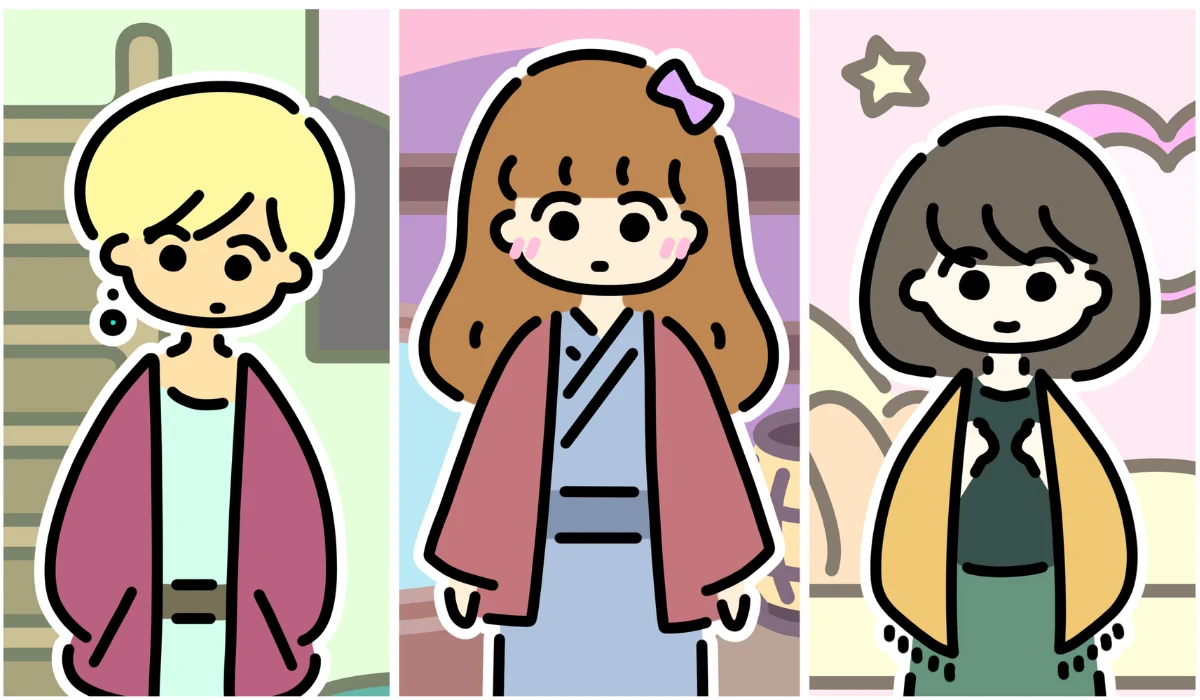
泉水之年: The Cast
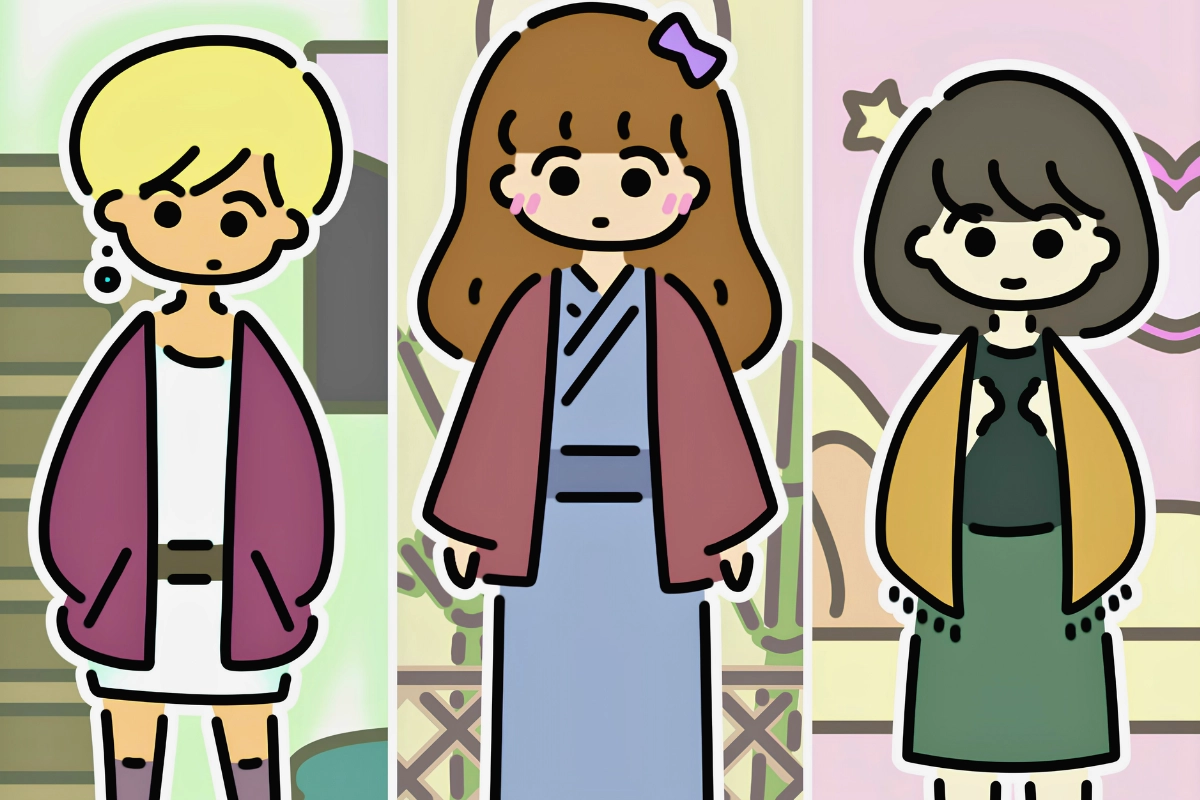
泉水之年 is a visual novel that explores the lives and stories of three LGBTQ+ young women at the dawn of a new era in Japan. Split into one chapter per character, it explores themes of anxiety, belonging, and change for young people navigating modern life together.
The game starts off putting the player in the shoes of Haru, a transgender woman who is nervous about visiting a hot spring bath with her friends. As Haru, you deal with major anxieties that transgender people must face in everyday life, such as how accepting public facilities will be. But you must also confront the small things, such as whether an establishment will ask for a legal name. These are the kind of things that might go unthought of by people who don’t live with the daily microaggressions that transgender people face.
The second is focused on Erika, who is occasionally the accidental instigator of these kinds of microaggressions. Erika doesn’t care about labels for herself and isn’t concerned if she’s called bisexual, pansexual, or anything else. As such, she can sometimes be clumsy when trying to help and understand her friends.
Finally, Manami is, by and by, obliged to confront some uncomfortable truths about herself and her sexuality. Her chapter handles aspects of coming out and self-discovery rarely handled this delicately — and seldom this well in video games.
The game is one of the relatively few that explicitly center queer experiences and identity as the core of the narrative. Not only that, but it tackles the relatively niche concerns of someone who is asexual and what that can mean for them and their relationships. The story is especially resonant for our current moment, as it emerged from direct observations of npckc, the Japan-based creator of the game.
These are just a few of the many LGBTQ+ characters that one can find in Japanese video games. While the range and quality of depictions are still…variable, shall we say, these examples are proof that there is a desire and ability within Japan to create nuanced and sympathetic LGBTQ+ characters. Hopefully, with LGBTQ+ representation continuing to increase in Japanese media, we can look forward to LGBTQ+ lives and personalities in greater number and detail going forward.