
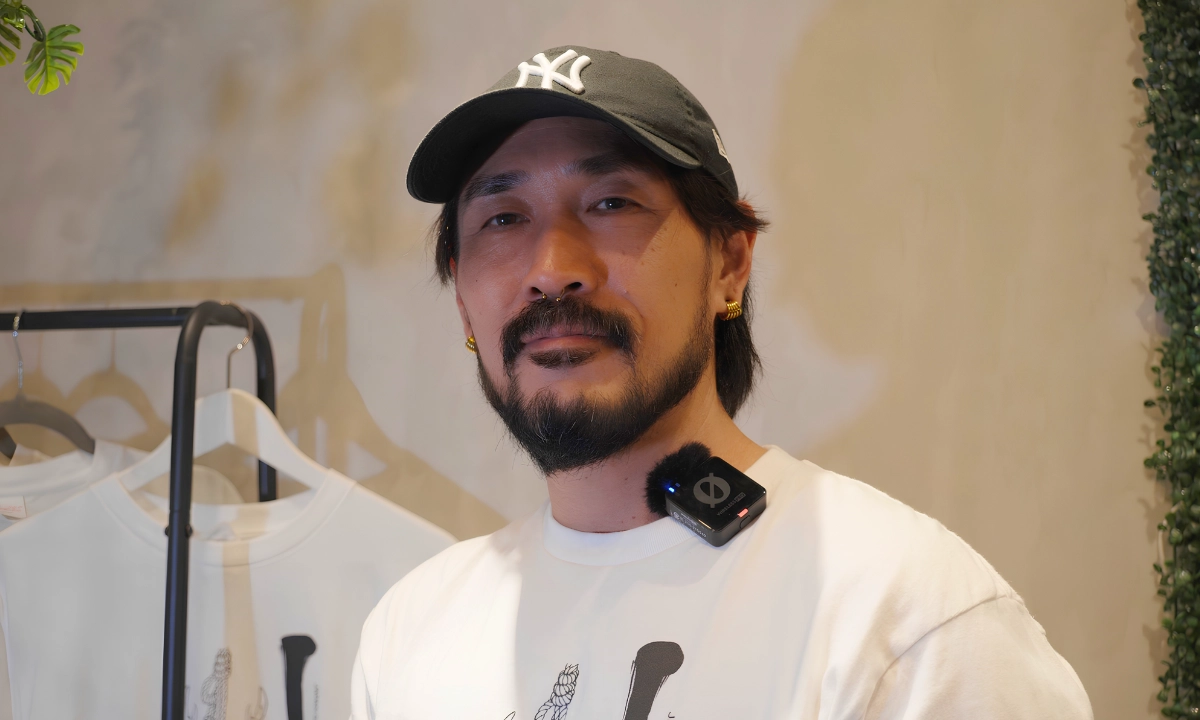

If you’ve recently been in Shinjuku Nichome, you may have seen some sexy new items in gay casual wear: The Finest Pine, Samurai Warrior, Disgrace或 Sakaime t-shirts. All of these bear the steamy shibari stylings of Japan-born, New York-based artist Hiroki Otsuka. Otsuka is a critically acclaimed fine artist, as well as a celebrated manga creator.
We sat down with Otsuka to discuss his life, his work, what the Japanese art of rope bondage means to him, and why he incorporates it into his art.
Early Life and Work
Born in 1974, Otsuka came of age in Shiga Prefecture, where he was very close to his older brothers. Looking up to them as he grew, they had a strong influence on his artistic aspirations.
“Both of my older brothers were aspiring manga artists,” he says. “And that inspired me to become a manga artist myself.”
Naturally, Otsuka was influenced by the Japanese culture and art around him — but he was eager to find and depict the negative space between Japanese high culture and pop culture.
“I grew up looking at ukiyo-e woodblock prints, Japanese temples, and of course manga and anime,” he says. “I’ve lived within a world of popular culture, but there’s also subculture within that world. I think I’m always looking at the space somewhere between the two, and through those influences, I find inspiration to express myself.”
Honing his craft all through school, he made his debut as a manga artist at the age of 18. He began creating “shojo” manga, aimed at young girls, as well as works that focused specifically on gay and transgender issues. Soon, however, he branched out into creating erotic manga (known as eromanga) under the pseudonym Pirontan — eromanga that was aimed at a straight audience.
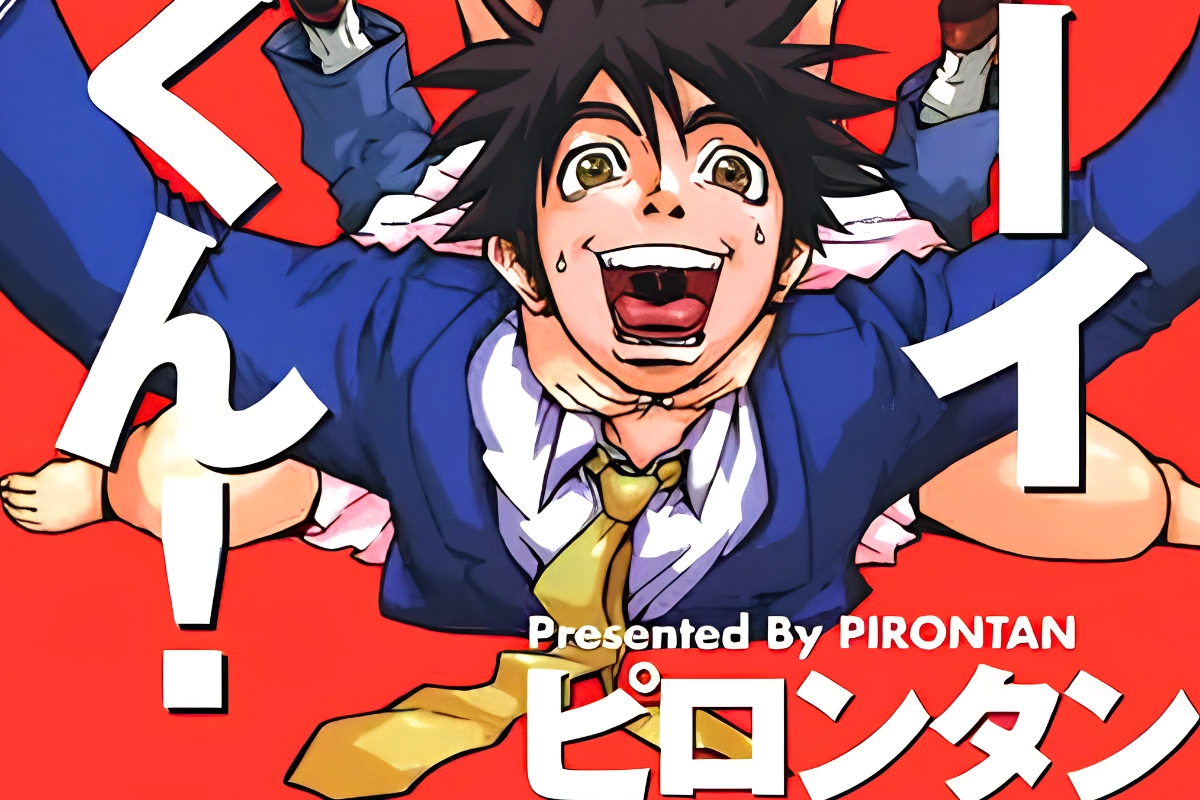
“Writing eromanga for straight people was my job,” he says. “But I was trying to add content like gay characters to it, to see how straight people would react. For example, I created a story where a straight character fell in love with a trans woman. So, compared to other eromanga artists at the time, I was very different. I was always trying to break the boundaries, especially for straight readers.”
To Otsuka, whether his work is gay or straight in nature is not the most important aspect of his work. To him, the vitality of art is the ability to deliver a message to his audience and to express himself.
“As I’ve grown older and continued creating work, I’ve rarely stopped to ask myself why I do it. I’ve come to realise that wanting to draw, wanting to express myself, is as natural to me as breathing — to the point where, if I don’t draw, I begin to feel suffocated. That’s why I keep drawing.”
At the age of 28, after ten years of drawing manga, Otsuka made two major decisions. The first was to come out as gay to his family (though he says they all knew already: they gave him the time and space to tell them in his own time). The second was to move to one of the world’s top destinations for producing fine art: New York.
New York State of Mind
Having worked creating manga for a decade, Otsuka says he was feeling a little burnt out, and decided on a change of scenery and focus. He moved to San Francisco to study English in 2002, but after a classmate invited him on a trip to New York, he fell in love with the city.
“Once I arrived, I met so many different artists, and the experience was incredibly inspiring and exciting. I also happened to meet two Japanese sisters who were living in New York. They told me they were looking for a roommate, and without giving it much thought, I immediately decided to move to New York,” he explained. “My personal motto has always been ‘Go with the flow,’ so I think I simply followed my intuition and let life take me where it wanted to go.”
He soon found himself immersed in the city’s art community and found it very different to the one back home.
“In New York, I feel there are probably more artists who take up social issues and political issues in their work. After all, it’s a place where identity is very important, and where people really express themselves. In the Japanese art scene, I think there’s perhaps more of an emphasis on entertainment.”
He soon began to focus on creating fine art, using Japanese sumi ink. Usually used for the art of calligraphy, he found that creating artwork with sumi ink allowed him to infuse his spirit onto the canvas in a way that other materials simply didn’t.
“I’ve always felt that sumi ink absorbs something of the artist’s own energy. Even when I was drawing manga with traditional pens, I preferred using sumi ink. Later, when I started exploring sumi-e (Japanese ink painting), I discovered something special about the process,” he says.
“When I work with the different shades, contrasts, and shadows of sumi ink, I feel as though my own energy gradually leaves my body and becomes part of the ink itself. It’s almost as if the ink carries that energy and expresses it on the paper.”
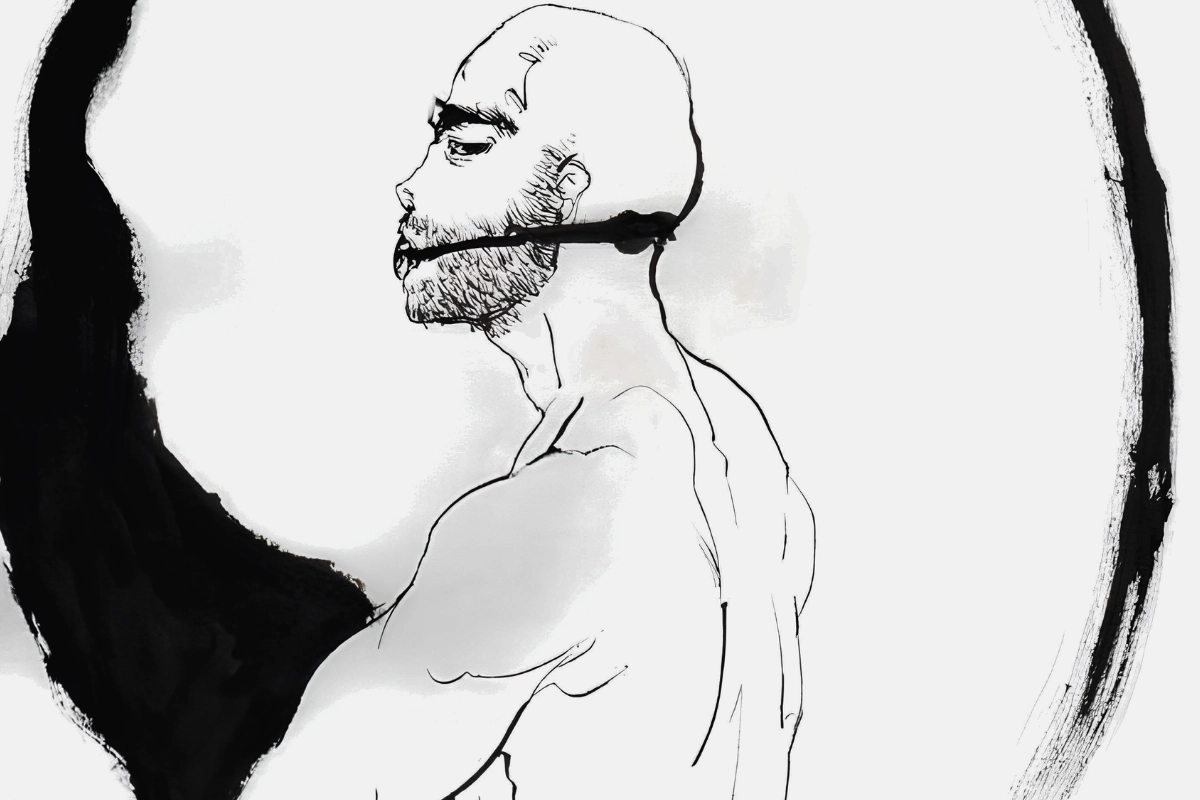
Not long after, he made his solo art debut in NYC in 2005 with an exhibition at the Stay Gold Gallery in Brooklyn. A big success, The New Yorker said that his work “push[ed] the populist youth quotient through the roof.”
Since then, his work has gone on to be featured in major public and academic galleries across the US and Japan, including The Museum of Contemporary Art in Los Angeles and the University of Pittsburgh Art Gallery. He also created the illustrations for there is no end to more, a multimedia dance work by award-winning choreographer Jeremy Wade.
Throughout his career, however, he has avoided stamping any definitive meaning to his work, no matter the message he is attempting to convey. Taking a cue from Roland Barthes’ The Death of the Author, he instead believes that meaning should be the sole preserve of the observer.
“Whether it’s my art or my manga, whenever I try to convey a message through my work, that message is part of the inspiration and creative energy behind the work,” he says. “But the person receiving it doesn’t necessarily interpret it the way I intended, so I leave it all up to the viewer. However they choose to see it, whatever interpretation they arrive at, that’s fine. And when those people grow older and look at the same work again, they may receive it differently. That’s why I leave the interpretation to them.”
His success in this field doesn’t mean that he has abandoned his first love of creating manga, though. Notably, he worked with acclaimed comic book writer and artist Chuck Austen to create Boys of Summer, an English-language manga about the life of a college freshman and his relationships with women and his baseball team.
“Working with Chuck Austen was an interesting and valuable experience because it gave me an opportunity to approach storytelling from a different cultural perspective. As a manga artist from Japan, I was used to working within the Japanese manga industry, so creating work for an American audience was a new challenge.
“My manga often explored gay characters and their lives, but I never wanted the stories to be exclusively about sexuality. I wanted to portray universal human emotions such as love, loneliness, vulnerability, relationships, and the desire to be understood.”
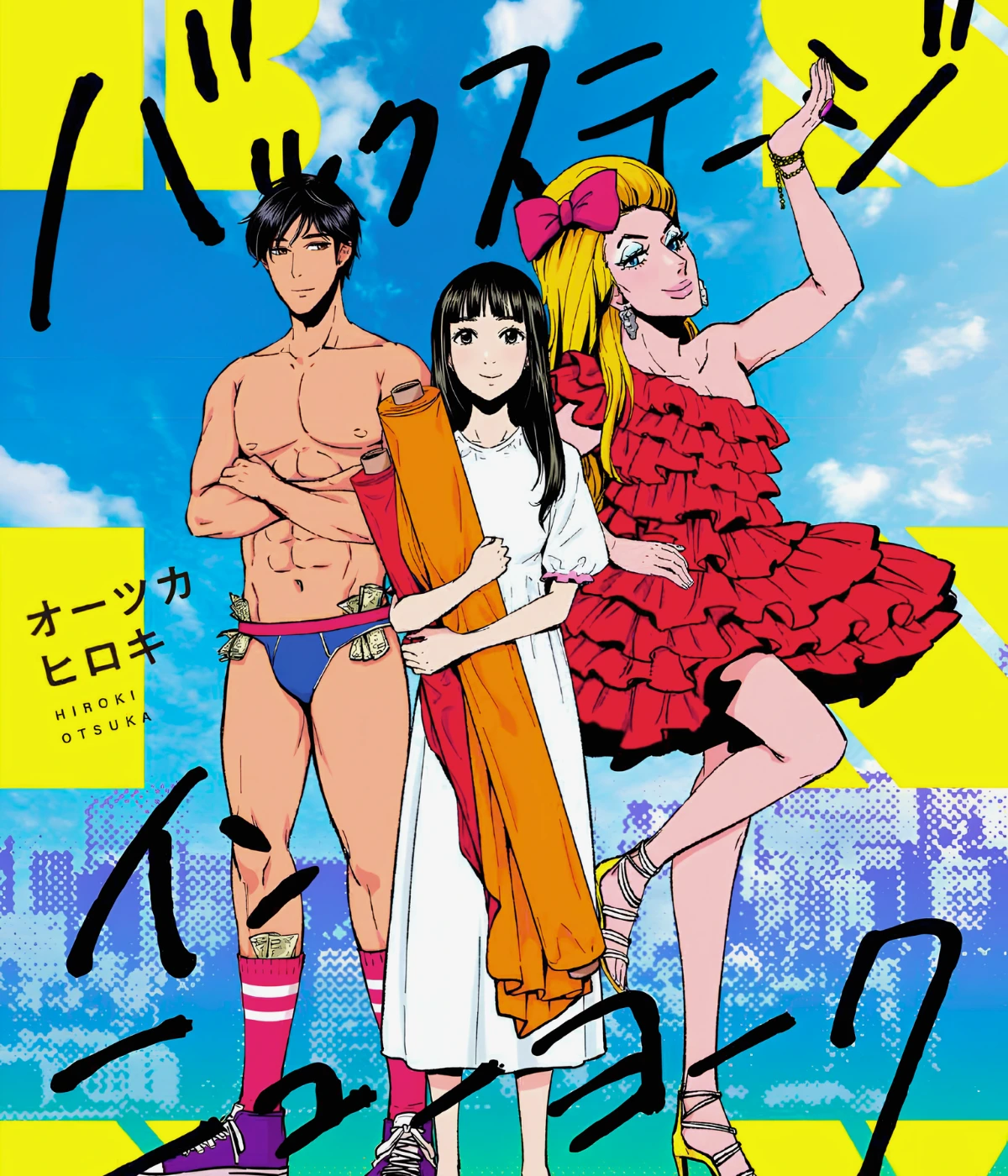
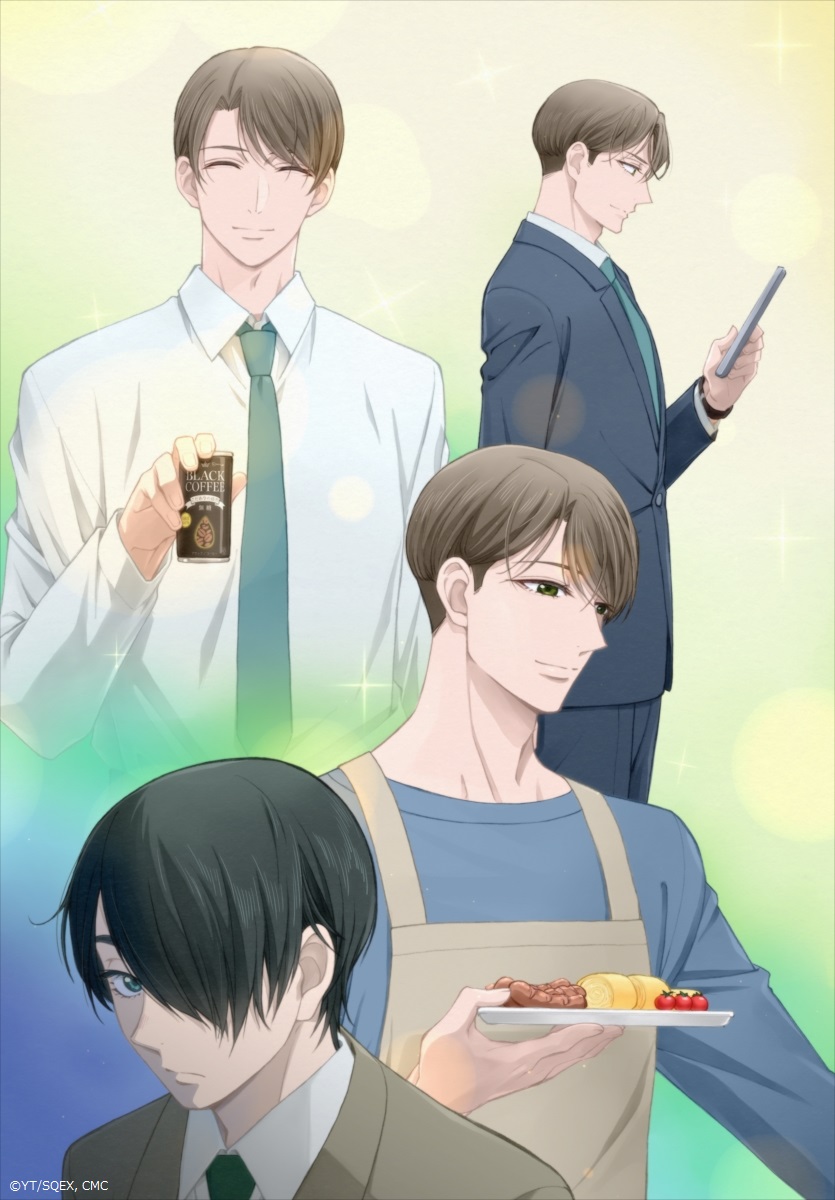
His most recent manga, partly based on his own experiences, is Backstage in New York. It tells the tale of Sachi, a Japanese woman who comes to New York to study fashion. After a stranger named Paul saves her from some trouble, she moves in with him… and discovers that he is a drag queen! As she starts to help him with his costume, she begins to feel excitement come back into her life. In 2023, it was adapted as a TV drama in Japan under the name Jiyū na Megami: Backstage in New York.
Within his work, whether fine art or manga, human connection is the key theme — and he explores these connections in the depiction of another uniquely Japanese art form: shibari, Japanese rope bondage.
The Ties That Bind
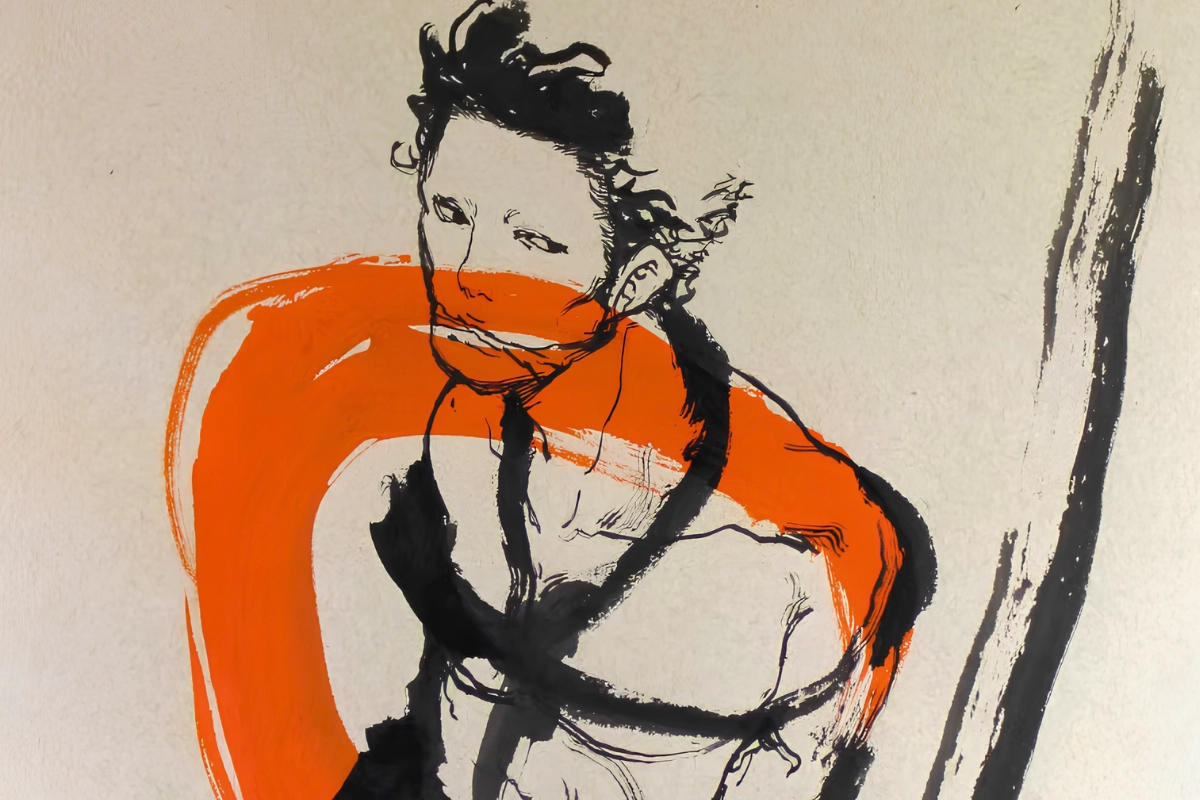
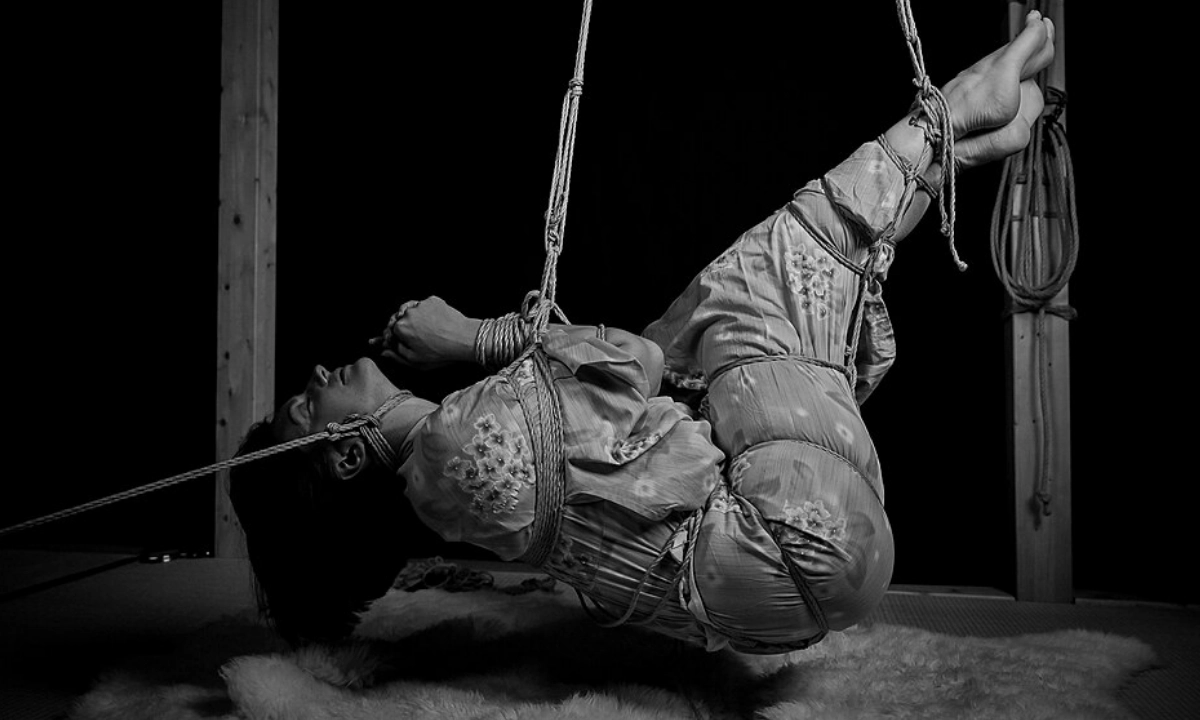
Shibari has long been a subject of fascination for people in the West. To those not in the kink community, it carries an air of the exotic alongside the erotic. Anyone who has had some experience tying or being tied in shibari, however, will know that it is more than a simple act of binding. Restraining someone for sexual pleasure, after all, can be done with handcuffs or duct tape — and done much more easily. What sets shibari apart, Otsuka believes, is its intimacy.
“When I look at shibari, there’s something in particular that interests me,” he says. “Through the act of tying, there’s communication between the person doing the tying and the person being tied. From that communication, trust develops. And then there you discover the expressions that appear on the face of the person being tied, and the human body can take on forms through being tied that it couldn’t otherwise create.”
Part of the attraction of shibari to Japanese practitioners is the transience of those expressions, those human shapes. Just as cherry blossoms are beloved in Japan for their fleeting loveliness, so does Otsuka think that shibari can evoke the same beauty for both the beholder and the bound.
“It’s something that exists only temporarily,” he says. “I think the actual tying probably lasts just a few minutes. But that moment is incredibly beautiful, almost like the time between a flower blooming and its petals falling.”
What’s more, while rope may restrict the movement of one person, it is the bonds between two partners that truly come together more tightly.
“When my husband and I first met, naturally, there were things we were both afraid of. Would we hurt one another? How could we build a life together and spend time with one another? That’s where bonds begin to form,” he says. “And perhaps that’s what I see when I look at ropes and shibari. By building those bonds, one by one, you can create a relationship. Maybe shibari represents some of those bonds. The same applies to both human relationships and society. Those are the kinds of things I think about when I consider shibari.”
"(《世界人权宣言》) After Dark: Hiroki Otsuka x Japan Gay Guide collection showcases a selection of Otsuka’s artistic and exciting shibari designs. Get yours today.
Additional reporting by Benji Hau, Abe Lee, and Shen Osaki.