

It is no secret that, over the past few years, transgender people have been increasingly under attack from the state, especially in the West. Barriers to transitioning, whether they be legal or social, are increasing. While Japan is, naturally, not subject to the same laws as the USA or the UK (currently two hives of transphobia and villainy), in many ways the government seems to be taking cues from its overseas partners, and many are concerned that the same fate may await transgender people in Japan.
It is against this backdrop that last year saw the release of 蓝男孩试验, directed by Kasho Iizuka, which dramatized the court case against a doctor who provided gender-affirming care (including surgery) to trans women in the 1960s. This film was met with critical acclaim, and launched trans woman actor Miyu Nakagawa to stardom. But what do we think? In short, this is an excellent film and essential viewing for anyone interested in Japanese LGBTQ+ history. Allow us to make our case, but be prepared for spoilers.
Focus of the Film
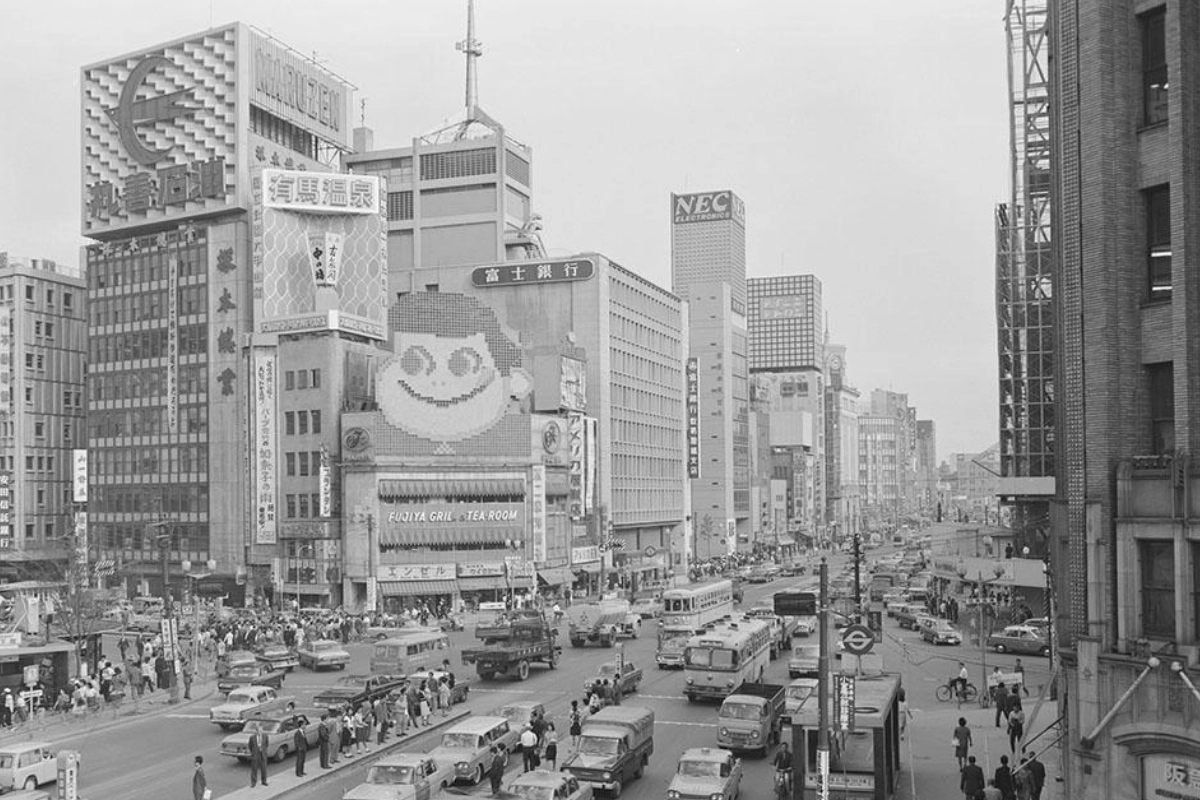
We have covered the broader historical context of the Blue Boy Trial 这里, but we’ll present a brief summary. As a result of the economic recovery of Japan in the post-war decades, including the successful hosting of the 1964 Olympics, Japan was keen to present a “clean” image to the world, which included cracking down on prostitution.
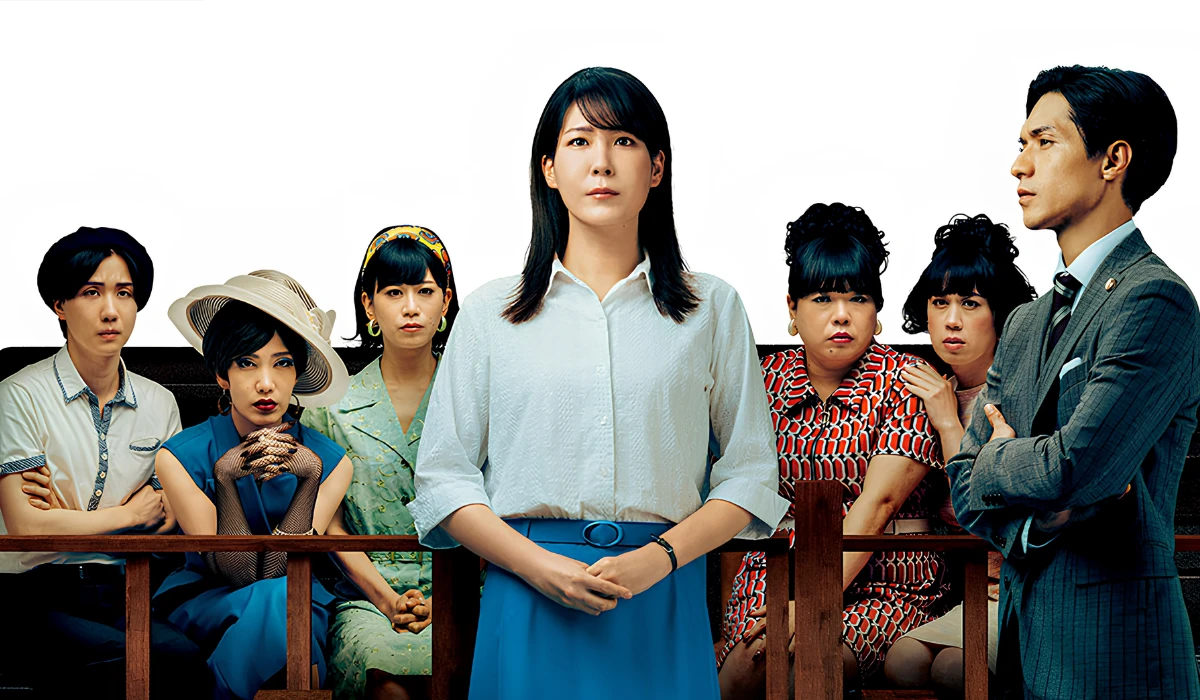
However, since the 1956 law outlawing prostitution was made to prevent women from selling sex, it was not enforceable on transgender ladies of the evening (known as “blue boys”), as they were still registered as male in their family registry. In what many have interpreted as a desire to try and stop more trans people from existing in Japan, as well as get revenge for embarrassing the police, the doctor who gave care to these women was taken to court. That court ruled that despite gender incongruence being worthy of treatment, the doctor had violated the Eugenic Protection Law.
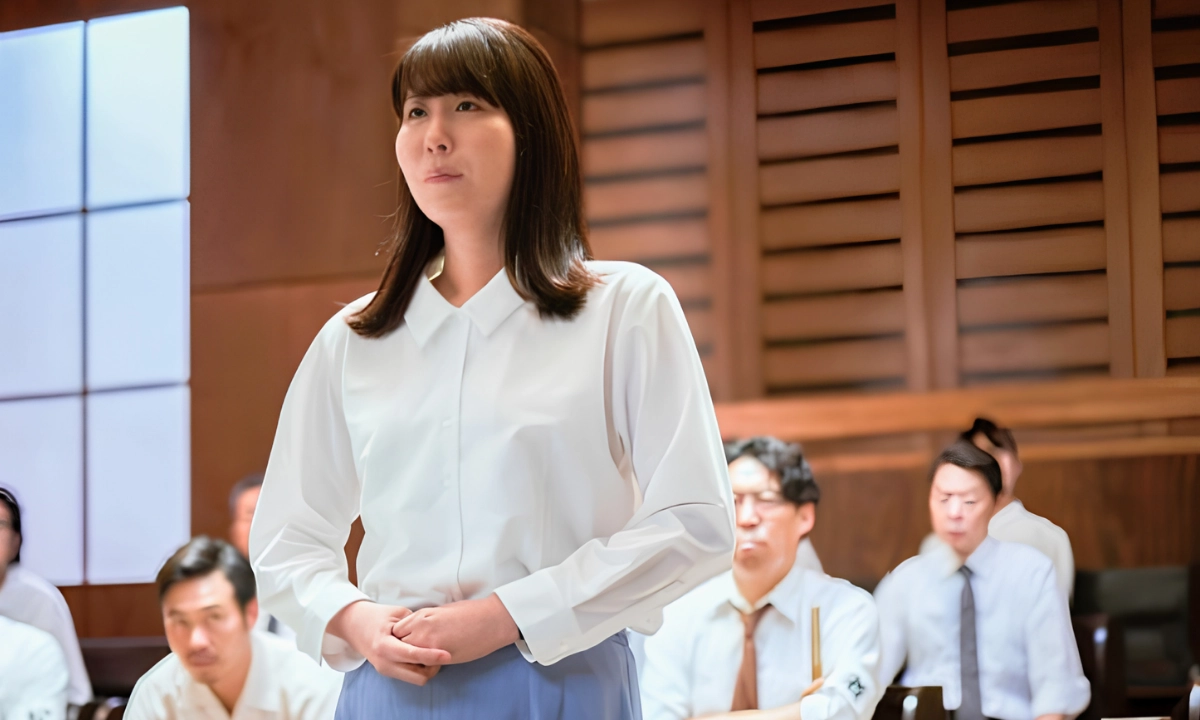
Rather than focusing on the doctor or his actions, however, as was done to a fair degree in This is I with Dr. Koji Wada, the defendant is given relatively scant screen time. Instead, we focus almost entirely on our main character, Sachi, portrayed by Miyu Nakagawa, and the personal and societal pressures and problems she and other trans women face when asked by the defense lawyer, Taku Kano, to testify on behalf of the doctor (in this film, Dr. Masao Akagi, though in real life his name was never disclosed to the public).

Decentering the legal drama is, in my view, the best decision that the film makes. It is instead concentrated almost entirely on how trans women were treated in the 1960s, and the ways that they are forced to choose between personal safety now and potential problems later — as well as the knowledge that by staying quiet, they could be dooming future trans people in Japan.
Sachi is chosen as a witness specifically because she is living a pretty normal life: she works as a waitress, and is living with her boyfriend. However, the other women that Dr. Akagi helped were sex workers, and Kano believes that their testimonies will carry less weight in court. Sadly, he is proven correct: when Sachi’s friend A-ko takes the stand, she is ridiculed and humiliated by the prosecution. After her time at the trial is done, she gets into a drunken altercation with a group of men who are mocking her. She is later found murdered, and her killers are never brought to justice.
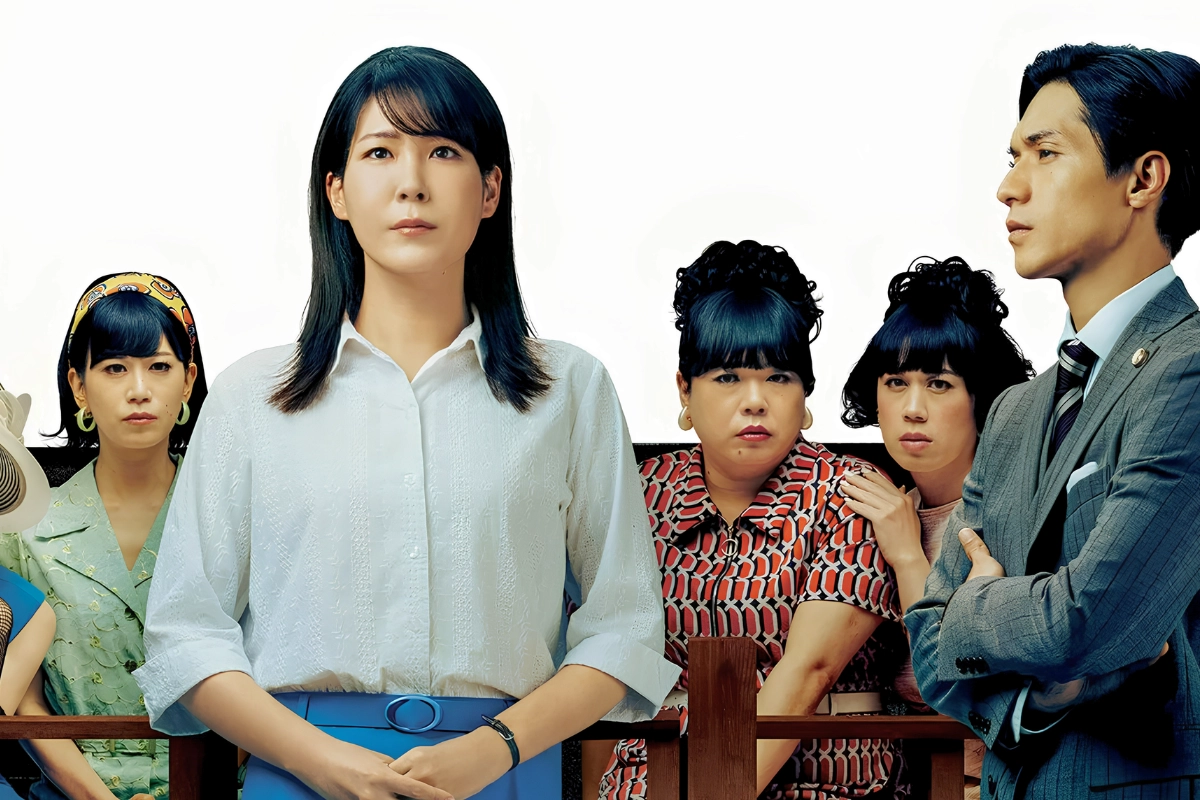
It is this reckless hatred that convinces Sachi that, no matter the hardships, she must give the evidence that she can. In the course of doing what she knows to be right, she and her boyfriend are forced into the public eye, and both lose their jobs — and nearly their relationship — as the weight of the transphobia threatens to bring down everything Sachi has built for herself.
As this is a historical drama, we know the outcome of the trial: the doctor is found guilty and given a fine and suspended sentence. Gender-affirming care was deemed to be potentially medically legitimate, but the caveats and regulations stipulated in the wake of the trial (as well as the publicity it attracted) meant that such procedures were not officially carried out in Japan until 1998, nearly 30 years after the trial’s conclusion.
The movie ends on something of a mixed note: transgender care suffered a setback in Japan that lasted decades, and there is still much to do today. However, Sachi and her partner are together at the close of the film, and while there is still more to be done to guarantee safety and dignity for trans people, the first steps to guaranteeing their happiness have already been taken.
演出
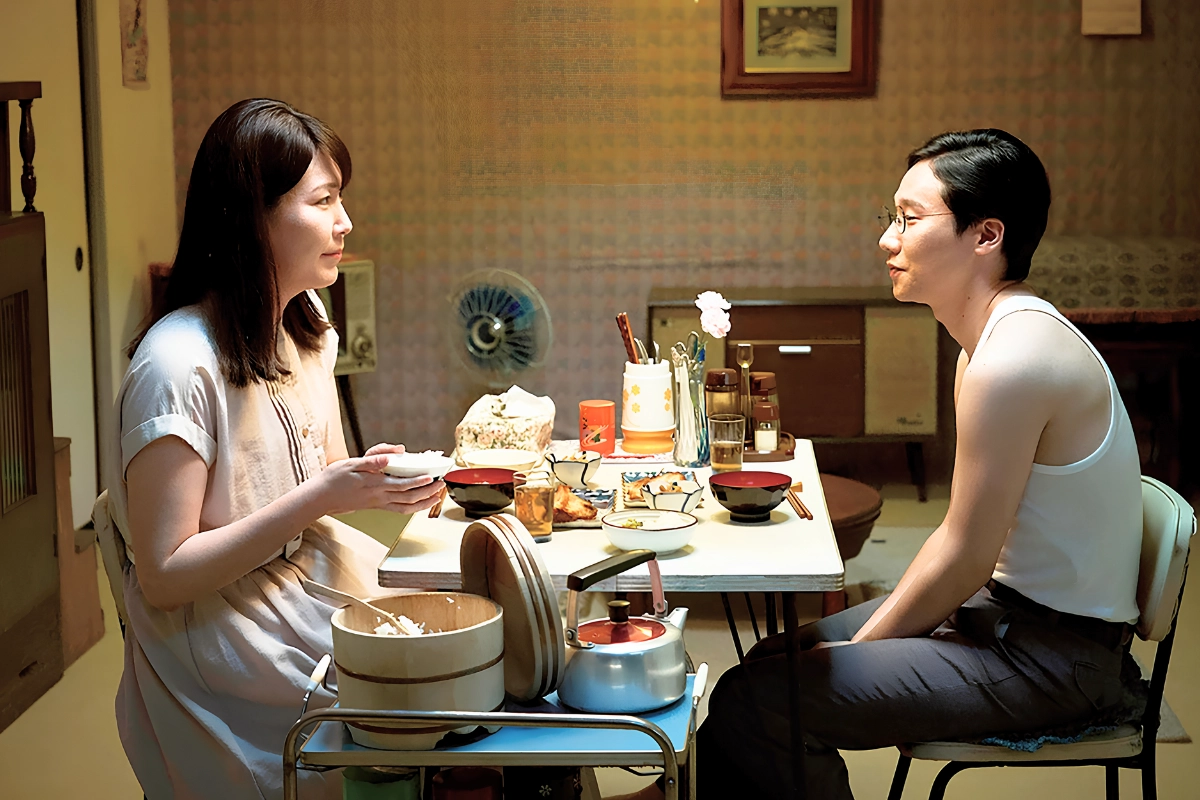
Miyu Nakagawa won an award for her acting in this film for a reason. Her performance as Sachi was both nuanced and powerful: she does an excellent job of portraying someone who doesn’t want to upend the happy life that she has built for herself after her gender confirmation treatment, where she works a satisfying job and is happy with her partner — though he alone knows that she was assigned male at birth.

She also shines during the trial scenes. Giving testimony, she endures dehumanizing questions and insults with such strength that only the most stone-hearted of viewers would not be moved by the dignity and fortitude that Nakagawa infuses into Sachi’s character. The final round of questioning, from the defense lawyer, is especially moving as she describes her journey, and how it has led to her happiness.
Her supporting cast also put on an impressive show. Ko Maehara, who plays Sachi’s boyfriend, Atsuhiko Wakamura, is pitch-perfect as a loving partner, at first wanting Sachi not to testify to protect her from the prying eyes of the world, but who comes to wholly support her once she makes the decision to go ahead with it.
Ryo Nishikido portrays defense lawyer Taku Kano, and it is very satisfying to see his character change from being a somewhat reluctant lawyer just doing his job representing Dr. Akagi to coming around to being a genuine ally. Spending time with Sachi and realizing how trans women are being treated convinces him of the injustice being done to them — with the murder of A-ko being a particularly strong catalyst.
We would be remiss, of course, not to note the performances of both A-ko’s actor, Izumi Sexy, whose anger and frustration when being subjected to humiliating questions during the trial is palpable, and Naka Nakamura, who plays May, the de facto head of the blue boys, and in some senses, a voice of negativity, but only because her cynicism comes from a place of love, which is expressed clearly in Nakamura’s performance.
Our Verdict
It will come as no surprise (especially since I basically said it in the introduction) that this film is incredibly good. A very moving portrait of people struggling against the oppressive conditions around them, that is unflinching in its portrayal of the consequences that trans women of the era could suffer just for living as who they are, but also the courage they showed in fighting to change the world for the better. Riveting from start to finish, you cannot miss this one.