


Down the Aisle, Down in History?
The life of an idol in Japan is often a difficult one. Sure, there’s a lot of fame, but the gruelling hours, constant high-energy performances, and the payday not always being as substantial as many may assume means that the glitz and glamour can also seem like a gilded cage. This is especially true when it comes to relationships: most idols, both men and women, have contract stipulations that prohibit them from getting into romantic relationships — so the announcements of an idol getting married is always big news.
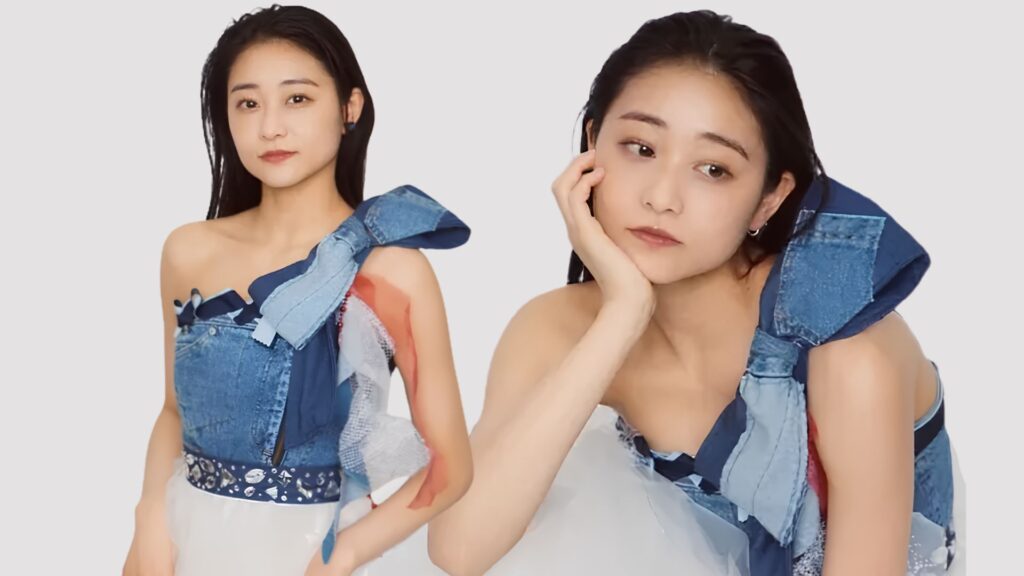
So it was for idol Ayaka Wada, who announced on 17 April that she had gotten married — news that was even more explosive when she revealed that she had married a Taiwanese national, in Taiwan, not Japan. So why did she choose to wed in the Republic of China? And why is your faithful Japan Gay Guide reporting on it? Read on…
Who is Ayaka Wada?

Born in 1994, in Gunma Prefecture, Ayaka Wada (known to fans as “Ayacho”) joined Hello! Pro Egg, a pre-debut training group for singers and a part of the all-women musical collective, Hello! Project in 2004, at the age of just nine. In 2009, she made her debut as the leader of the new group, S/mileage. The group, which added members over the years, was reborn as Angerme in 2014. The name, rather than alluding to some kind of challenge, as many English speakers may assume, actually comes from a combination of the French “Ange” (angel) and “Larme” (tear).
In 2019, Wada graduated from Angerme and Hello! Project, being the second longest member of the collective, and losing out on the top spot to Momoko Tsugunaga. After this, she went on to open her own personal social media account, YouTube channel, and website. She also began solo performances, and also lent her name to progressive causes, including protesting the cancellation of subsidies for an exhibition that criticized the role of Japan in the Second World War, and joined the #NoBagForMe 2020 Project, which sought to discuss healthy period habits and challenge the taboo of talking about periods.
She has been highlighted for her activism by outlets such as Forbes Japan, and has become an independent musical artist, but it was her marriage announcement this year that seemed to bring newfound attention to her — but in fact, she is bringing attention to inequalities in Japan.
Why Did She Wed in Taiwan?
The obvious answer is that her spouse is Taiwanese, and as she acknowledge on her social media, that is certainly a part of it. However, there are other reasons. Firstly, while she has confirmed that her partner is from Taiwan, she has declined to identify their gender. Though we cannot therefore confirm or deny anything from this, it is worth noting that she highlighted the fact that Taiwan supports marriage equality as a major factor in her decision. Another reason that she chose to tie the knot in Taiwan is that it allows for married couples to retain their surnames.
Marriage Restrictions in Japan

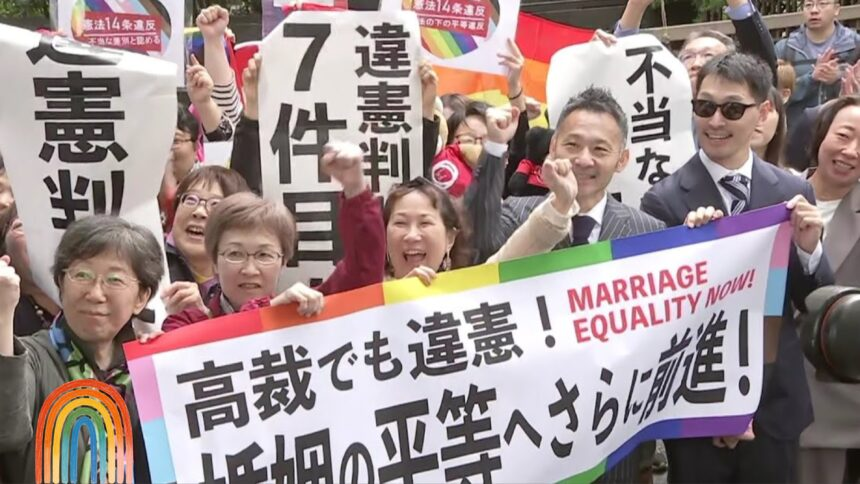
As readers will be well aware, Japan is the only nation in the G7 not to have legal protections for same-gender couples, and following five high court rulings on whether not recognizing marriage equality is constitutional — with four favorable rulings and one unfavorable — the issue is going to be heard by the Supreme Court. Although this could be a positive development, with Japan having recently elected a highly conservative prime minister at the head of a conservative government, many are concerned.
That isn’t the only restriction, however: as you may have guessed from above, it is also the case that in Japan, couples must take one surname. While in theory this means that couples could take the wife’s name, in practice this almost never happens, and compels women to give up their maiden name, even if they don’t want to, a system vocally supported by the Prime Minister (even if during her first marriage, Takaichi continued to use her maiden name for public purposes).
Although it would have been possible for Wada to keep her surname, as foreign spouses are not on Japan’s family registry, she declined to do so, as she felt that it would be wrong to take advantage of a loophole that would benefit her before such freedom is available for everyone in Japan.
JGG not only wishes Wada and her partner a long and happy marriage, but salute her for her activism and efforts to bring awareness — in Japan and overseas — to inequalities and injustices experienced by sexual minorities and women all across Japan.