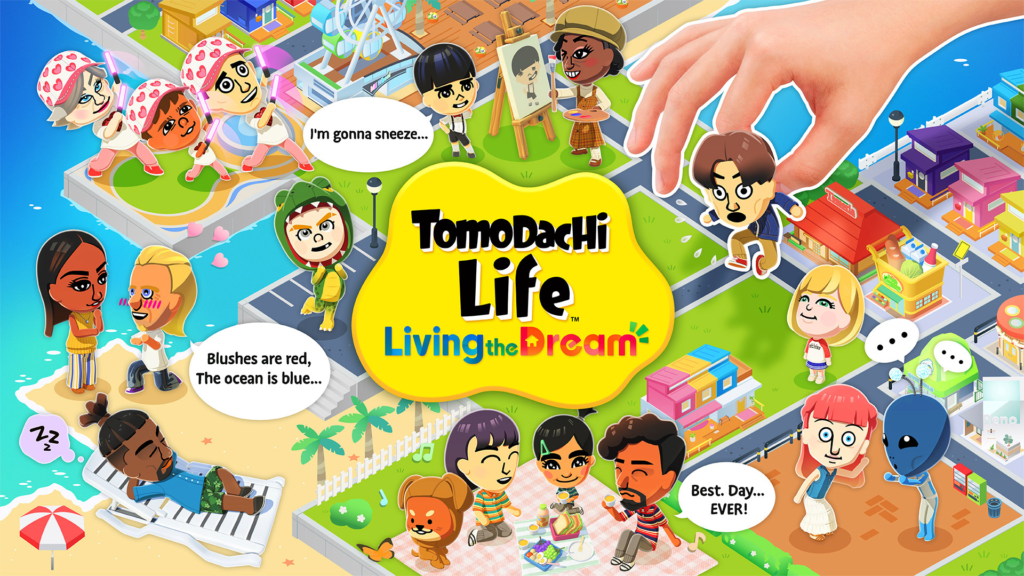

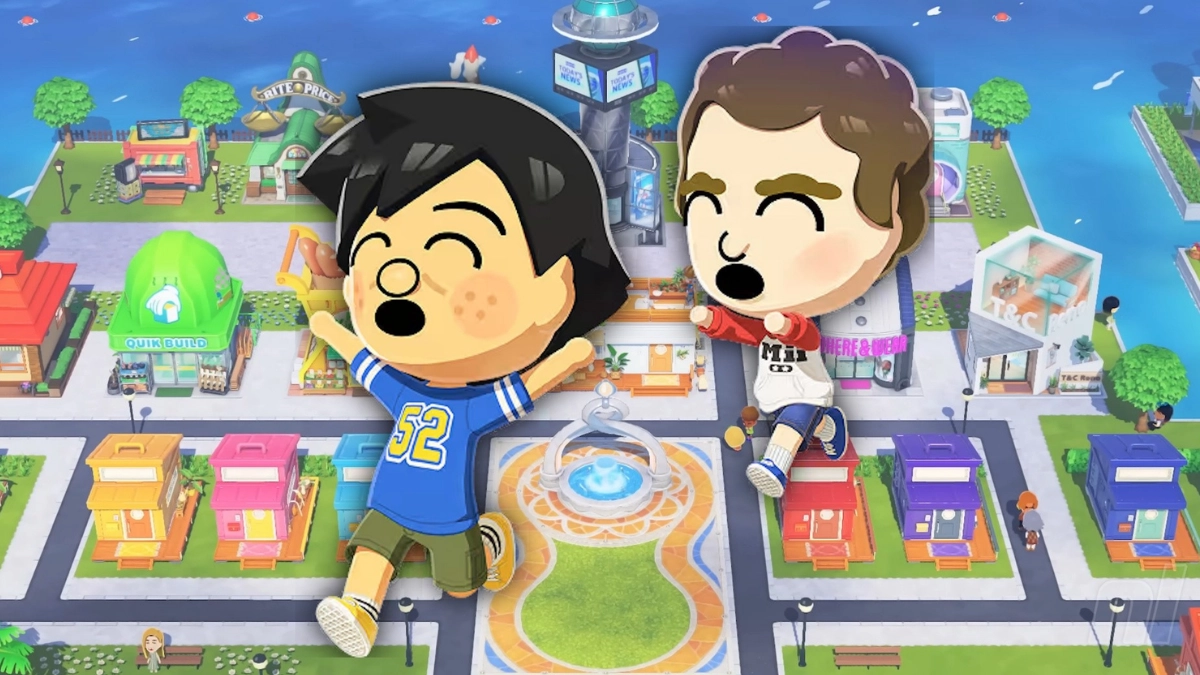

Announced in March of 2025, Nintendo’s upcoming Tomodachi Life: Living the Dream for the Nintendo Switch and Nintendo Switch 2 has been the subject of much speculation among the LGBTQ+ fans of the series for nearly a year now. After some controversy among gamers for the previous entry, many were wondering if the newest game would be inclusive. On 29 January, Nintendo gave an online presentation on their new game… and fans are very happy.
Tomodachi Life: A Brief History

消息来源Nintendo
Tomodachi Life: Living the Dream is a direct sequel to 2013’s Tomodachi Life for the Nintendo 3DS. In the game, you are a semi-omniscient viewer who oversees the lives of Miis (which are Nintendo’s stylized avatars) who live together and interact with one another. In this new version, players can take more of an active role in how they control the lives of the Miis, rather than relying on chance.
As the first new entry in the series in over a decade, fans of the previous game (and its own predecessor, the Japan-only Tomodachi Collection for the Nintendo DS) were immediately hype after last year’s surprise announcement, but queer fans in particular were excited.
Despite its popularity, the 3DS entry attracted controversy for not permitting same-gender relationships or marriage. In the Japanese version, there was a sneaky work around players could use, where two opposite-gender Miis could get married, and then the player would change the gender of a Mii after the fact — but this was “fixed” for Western releases. Nintendo offered an apology at the time, and while they said it was impossible to rectify, they promised to make the next game more inclusive.
So, how did they do?
New Game, New Attitude
LGBTQ+ gamers across the world rejoiced when the presentation made it clear that Nintendo had learned its lesson and then some. On the Mii creation menu, not only can you create Miis that look like yourself, your friends, or any celebrities you like, but you can choose their dating preferences.
Not only that, but you can choose their gender expression. While this is common in many games, Tomodachi Life: Living the Dream exceeded the expectations of many fans by offering male, female, and non-binary options, for both expression and romantic preference. Additionally, it is no a question of one or the other: you can choose any combination of the three, or none at all: perfect for our agender, aromantic friends.
This inclusivity has been met with huge approval on social media, with users on Twitter, Reddit, Instagram and more thrilled by the approach. As one Twitter user succinctly put it: “WE WON!!!!"
Nintendo and the LGBTQ+ Community
Despite the criticism the company faced in 2013 for its handling of same-gender relationships (or rather, the lack thereof) in Tomodachi Life, Nintendo has enjoyed a fairly strong reputation for its LGBTQ+ efforts in recent years.
At a corporate level, Nintendo of Japan has recognized the same-gender relationships of its employees since 2022, despite marriage equality not yet being permitted in Japan. Nintendo of America also sponsors the Pride Parade in Seattle, where the subsidiary is based — and similarly, Nintendo of Europe attends the Frankfurt Pride Parade.
Within their games, the recent entries in the Fire Emblem series have made increasing efforts to have characters that can be romanced by avatars of the same gender. Additionally, the Pokemon series has had a non-playable trainer whose identity cannot be interpreted as anything but transgender, and 2024 saw the re-release of Paper Mario: The Thousand Year Door, which confirmed that fan favorite character Vivian is a trans woman.
Tomodachi Life: Living the Dream is just one of a number of games with LGBTQ+ characters, but every addition is welcome. The amount of love that has been received has been moving, and the game isn’t out yet.