
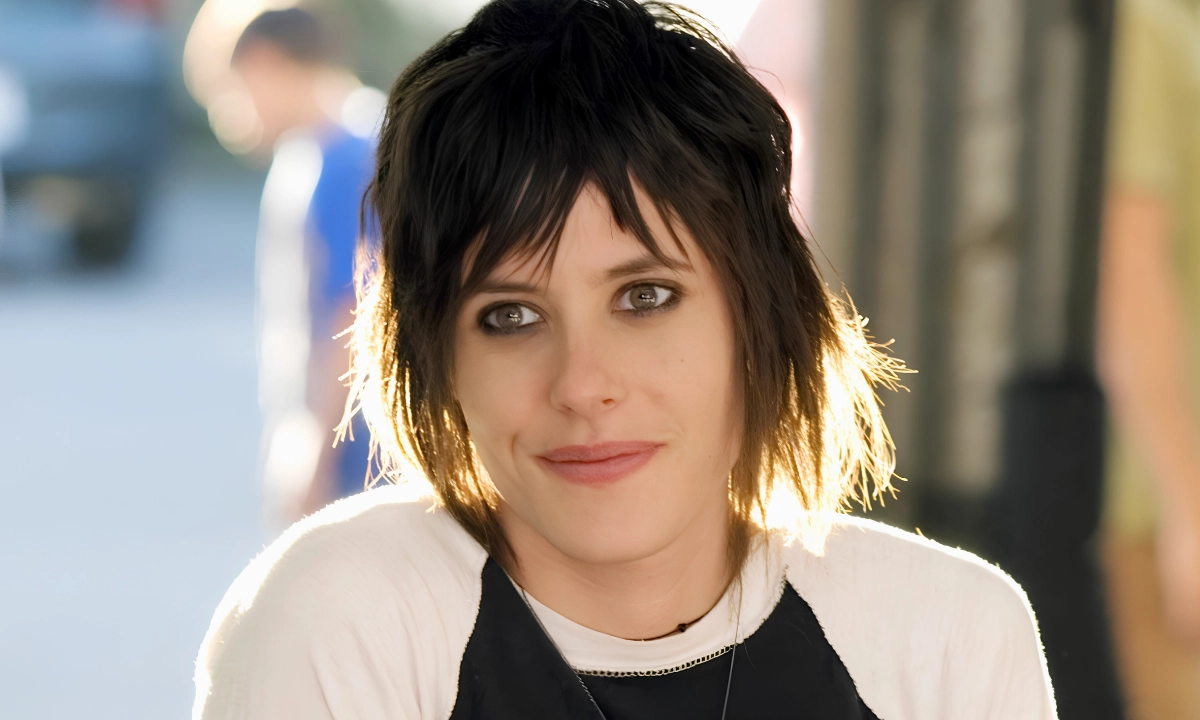

A masc lesbian is a lesbian who relates to masculine or masculine-leaning gender expression. Some people use Masc mainly to describe how they present themselves. Others also use it as a personal label.
There is no required haircut, clothing style, body type, personality, pronouns, or relationship role that makes someone masc. Two masc lesbians can look very different.
Butch overlaps with Masc, but the terms are not perfect synonyms. Butch has particularly strong historical and cultural roots within lesbian and queer communities. For some people, it is also a distinct identity.
Someone may use Masc, Butch, both terms, or neither. The most useful way to understand the difference is to look at how each term is commonly used.
What Does Masc Lesbian Mean?

The word Masc is short for masculine. In LGBTQ+ communities, it commonly describes a masculine or masculine-leaning way of expressing oneself.
For a lesbian, lesbian describes their sexual or romantic orientation, while Masc usually describes their gender expression or how they choose to present themselves.
Masc can relate to things such as:
- Clothing
- Hairstyle
- Grooming
- Overall presentation
These are examples, rather than requirements. Someone can have a masculine style without using the word Masc for themselves, while someone else may call themselves masc without matching a particular stereotype of masculine appearance.
The term is also not limited to lesbians. Although Masc has strong historical and contemporary use in lesbian and sapphic communities, it’s now used more widely across LGBTQ+ communities. UCSF similarly notes that LGBTQ+ terminology changes over time and that definitions are not fixed rules for every person.
A related phrase you may come across is ‘masc girl’. It can refer to a girl or woman who presents in a masculine way. It is not a separate identity category, and Masc is not limited to women or girls.
🗣 Masc describes a relationship with masculinity. It does not, by itself, tell you someone’s gender identity, pronouns, sexuality, or their relationship role.
Butch vs Masc: What’s the Difference?
The clearest way to understand Butch vs Masc is to start with their overlap.
Both terms can relate to masculinity and gender expression. Masc is broad language around masculine expression and can also be used as a personal label. Butch also relates to masculine expression, but has particularly strong historical and cultural roots within lesbian communities.
Butch has been an important identity within lesbian culture for decades. Its meaning has also changed over time, rather than having one fixed definition.
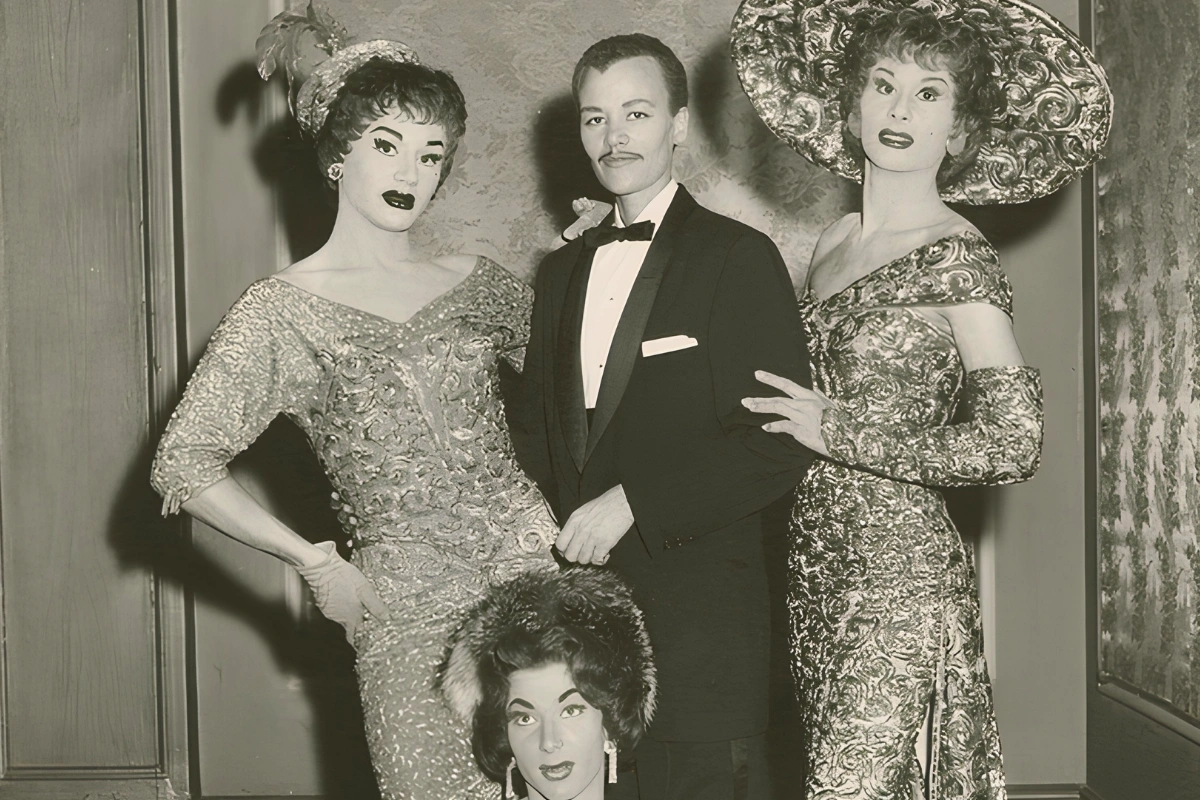
That history is part of what can make Butch feel different from the broader word Masc. For some people, Butch is more than a description of masculine presentation. It can be a meaningful identity with a strong connection to lesbian community and history.
But this is not a strict dividing line. Both Masc and Butch can describe expression or personal identity, depending on the person.
| Masc | Butch | |
|---|---|---|
| Basic meaning/common use | Broad language around masculine or masculine-leaning expression. It can also be used as a personal label | Masculine expression and a term with longstanding significance in lesbian and queer identity |
| Expression and identity | Can describe gender expression, personal style, or how someone identifies | Can describe expression and can also be a deeper personal identity |
| Historical/community context | Widely used in contemporary LGBTQ+ communities, with strong use in lesbian and sapphic spaces | Has particularly strong historical and cultural roots within lesbian communities |
| Overlap and self-identification | Can overlap with Butch, and some people use both | Can overlap with Masc, and some people use both. The person decides which label fits |
The table is a guide to common usage, not a set of rules. Neither term has one universal boundary.
Can Someone Be Both Butch and Masc?
Someone can identify as both Butch and Masc.
They might use Masc to describe their masculine expression and Butch as a more meaningful connection to lesbian identity or community. Someone else might use only one of the terms.
People can also have similar-looking presentations but choose completely different labels. Someone who looks masc or Butch is not automatically either one.
This is why self-identification matters. The University of York’s terminology guidance specifically advises against using Butch for someone unless you know that they identify with the term and are comfortable with it.
If you want to explore the term in more depth, read our guide to Butch lesbian meaning and history.
Masc vs Soft Masc
Another term you may come across is Soft Masc.
Soft Masc is a related term for a form of masculinity that may feel softer, more understated, fluid, or mixed. It can describe someone’s presentation, style or gender expression.
The distinction is flexible. There is no single visible feature that makes someone Soft Masc. Someone might have a masculine silhouette while also enjoying softer styling, feminine details or a less traditionally rugged presentation.
Like Masc, Soft Masc can be used in different ways, including as a style description or as a personal label. If you want to explore the term in more detail, read our guide to what Soft Masc means.
Related Lesbian Terms and Guides
If you want to explore more lesbian terminology, these guides cover some of the labels you may come across: