



A 腐女子 (腐女子, ふじょし, phonetically ‘foo-joh-shee’) is a Japanese term commonly used for a woman or girl who enjoys ボーイズラブ(BL) media or imagined male-male fictional pairings. BL is a genre of Japanese media centred on romantic or sexual relationships between male characters.
The word 腐女子 (腐女子) is a deliberate play on the older Japanese term 婦女子 (also 腐女子). Both are pronounced the same, but changing a single kanji changes the meaning completely. In 婦女子, 婦 (fu) means woman or wife, while 女子 (joshi) means girl or woman. In 腐女子, the first character is replaced with 腐 (fu), meaning ‘rotten’ または ‘decayed’.
That creates the joke behind the term: a 腐女子 is literally a ‘rotten woman’ or ‘rotten girl’.
The literal translation, however, is only part of the meaning. The ‘rotten’ joke has often been used in humorous and self-deprecating ways to describe women’s enthusiasm for male-male fiction, particularly when those interests sit outside conventional expectations.
重要なことに、, not every woman who enjoys BL identifies as a fujoshi. The word can be a proud self-description, an in-group joke, or, depending on the context, a label applied by someone else.
| Field | Answer |
|---|---|
| Japanese | 腐女子 |
| Hiragana | ふじょし |
| Pronunciation | fujoshi, or phonetically ‘foo-joh-shee’ |
| Literal wordplay | ‘Rotten woman’ or ‘rotten girl’ |
| Common meaning | A woman or girl who enjoys BL media or imagined male-male fictional pairings |
| Usage | Often self-identified; meaning and tone depend on context |
What Does Fujoshi Mean in Japanese?
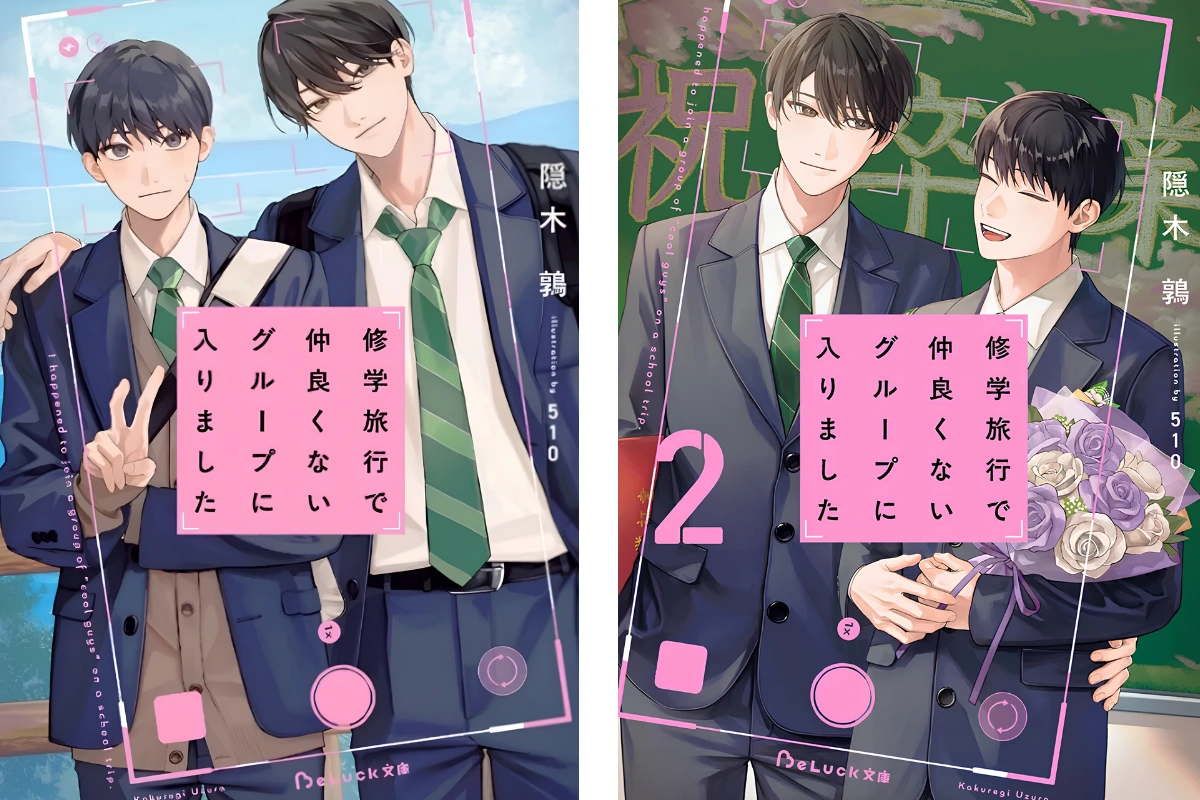
The meaning of 腐女子 (腐女子) comes from a Japanese pun.
The older word 婦女子, also pronounced 腐女子, has traditionally been used as a formal term for women and girls. Its first character, 婦 (fu), refers to a woman or wife, while 女子 (joshi) refers to a girl or woman.
In the fandom term 腐女子, that first character is replaced with 腐 (fu), meaning ‘rotten’ または ‘decayed’. Because the pronunciation remains the same, the spelling turns the original word into the humorous idea of a ‘rotten woman’.
The ‘rotten’ idea is part of the term’s self-deprecating humour. It can suggest that a fan is so enthusiastic about male-male fictional relationships that her imagination or interests have become ‘rotten’. Rather than being a literal description of someone’s character, it is a playful piece of fandom wordplay.
Over time, 腐女子 became strongly associated with women who enjoy ボーイズラブ(BL) and related male-male fictional pairings. The wordplay is still important, though, because it explains why the term can sound playful, teasing, self-mocking, or insulting depending on who is using it.
‘Rotten woman’ is wordplay, not the complete definition of fujoshi. In contemporary usage, 腐女子 is a fandom term conventionally used for a woman or girl interested in BL or imagined male-male fictional pairings. It describes a fandom interest, not someone’s morality, personality, or sexual orientation.
Where Did the Term Fujoshi Come From?

Women and girls were participating in Japanese manga, anime, and male-male romance fandom long before the word 腐女子 became widespread. In other words, the history of BL fandom is older than the term itself.
Scholarship commonly links the spread of 腐女子 への Japanese online culture around the turn of the millennium, including communities such as 2channel.
However, the exact first use of the word is difficult to establish. It is also unclear whether the term began mainly as an insult directed at female fans, as a humorous self-description, or as some mixture of the two.
By the mid-2000s, 腐女子 was becoming more visible outside online fan communities through publishing, journalism, and popular media. As the term became more widely recognised, some fans adopted it as a self-description and reclaimed the joke for themselves.
Is Fujoshi a Gender or Sexuality Label?
Fujoshi is a fandom label, not a sexual-orientation or gender-identity category.
In conventional Japanese usage, the term is gendered: 腐女子 generally refers to a female BL fan. Some scholarship has proposed broader interpretations that include fans outside this conventional female category, although that usage remains contested.
Enjoying BL, or describing yourself as a 腐女子, therefore does 違う tell you someone’s sexual orientation. Fictional interests and real-life sexuality are not automatically the same thing.
The same applies to the phrase ‘fujoshi girl’. Because 腐女子 already conventionally refers to a female fan, adding ‘girl’ repeats information that is already contained in the word. Someone might still use the phrase in English for clarity, but it is not necessary to define the term.
Nor should being a 腐女子 be treated as evidence that someone is automatically supportive of, or hostile towards, real gay men. An interest in fictional male-male relationships does not by itself establish someone’s views about real LGBTQ+ people.

Fujoshi vs. Fudanshi: What’s the Difference?
Fujoshi (腐女子) is conventionally used for a female BL fan, while fudanshi (腐男子) is conventionally used for a male BL fan.
Both are fandom labels. Neither determines a person’s sexual orientation.
Not every BL fan uses either term. Some people simply describe themselves as a BL fan, while others use broader fandom language such as shipper, particularly when a gendered label does not fit them.
What Does “Fujoing Out” Mean?
‘Fujoing out’ is a newer English-language fandom expression derived from fujo, a shortened form of 腐女子.
To ‘fujo out’ or be ‘fujoing out’ generally means becoming intensely excited about male-male romantic relationships or pairings, usually in fiction. The expression is documented online by at least 2016, although that does not establish exactly when or where it was coined. It became more visible in wider internet discourse during the 2020s.
There is an important difference between the two terms. Conventional Japanese 腐女子 is gendered, whereas ‘fujo out’ can be used humorously by English-speaking fans of different genders. Someone saying they are ‘fujoing out’ does not necessarily identify as a 腐女子.
The expression is therefore best understood as a more recent English-language development rather than part of the historic meaning of 腐女子. Its tone is usually playful and informal, especially when someone is excited about a fictional pairing.
How Should You Use the Term Fujoshi?

The safest way to use 腐女子 is to pay attention to who is using the word and in what context.
Some fans proudly call themselves 腐女子. Others use it jokingly or as a form of self-deprecating fandom humour. In other situations, the same word can be used as a stereotype or even an insult.
For that reason, it is best not to assume that every girl or woman who enjoys BL wants to be called a 腐女子. When describing someone else, BL fan is usually the more neutral choice unless you know they use 腐女子 for themselves.
It is also worth keeping the distinction between fictional relationships and real people in mind. Enjoying male-male fictional pairings does not automatically tell you someone’s sexuality, beliefs, or attitudes towards LGBTQ+ people.
Ultimately, 腐女子 is best understood as a term from the culture of BL fandom: one built around a deliberately ‘rotten’ pun, shaped by internet and fan culture, and capable of sounding affectionate, humorous, self-deprecating, or insulting depending on who uses it.
For more context, see our page on gay manga and BL guides and explore our guides below: