

一目でわかる
| Question | Answer |
|---|---|
| What does GMPD mean? | Gacchiri, mucchiri, pocchari, and debu |
| Where is it used? | Within parts of Japan’s gay community |
| Is it an official classification? | いいえ |
| Are the categories fixed? | No, they overlap |
| Is GMPD the same as bear? | No, although some traits may overlap |
| Is GMPD used by everyone? | No, it is one type of community shorthand |
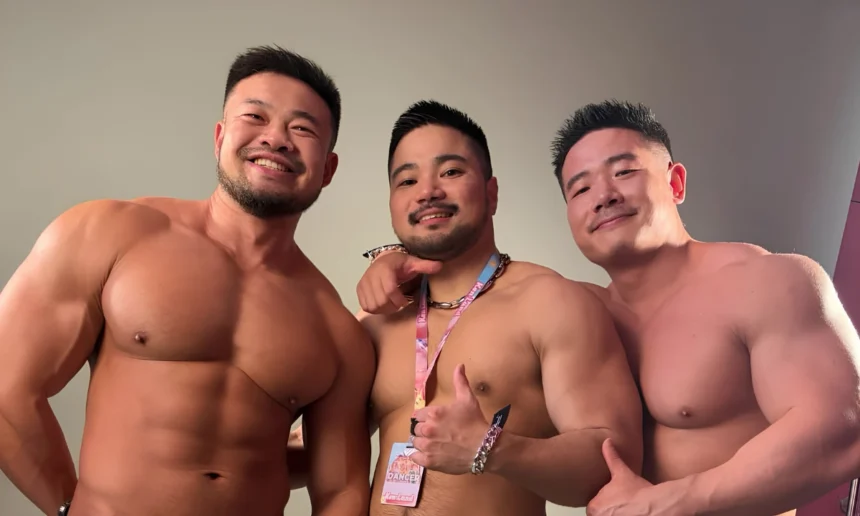
GMPD is an informal term used within parts of Japan’s gay community to describe a range of larger, fuller, sturdier, or more muscular body types. The letters stand for gacchiri (ガッチリ), mucchiri (ムッチリ), pocchari (ぽっちゃり)そして debu (デブ).
You may encounter GMPD in dating profiles, social media, event descriptions, or conversations within parts of Japan’s gay community. Understanding the term can help you recognise this shorthand without assuming everyone uses or identifies with these labels.
GMPD Meaning: Gacchiri, Mucchiri, Pocchari, and Debu
Below is a breakdown of the meanings of each of these terms. The English descriptions are approximate explanations rather than exact translations. These categories are best understood as broad descriptions rather than fixed types. It’s possible for some people to identify with more than one.
| Letter | Full term | Japanese term | General meaning | Important nuance |
|---|---|---|---|---|
| G | Gacchiri | ガッチリ | Solid, sturdy, muscular build | Focuses more on structure and strength than extreme definition |
| M | Mucchiri | ムッチリ | Full, thick, or substantial build | Can combine softness and muscle |
| P | Pocchari | ぽっちゃり | Chubby, plump, fuller build | Softer wording than direct terms for fat |
| D | Debu | デブ | Fat | Direct and can sound blunt or insulting depending on context |
G: Gacchiri (ガッチリ)

日常の日本語では、, gacchiri describes something solid, sturdy, or firmly built. When used to describe a person, it suggests a strong or well-developed physique rather than simply someone who is slim or delicate.
In GMPD usage, gacchiri is commonly used for someone with a broad, robust, or muscular build. The emphasis is usually on overall presence rather than highly defined muscles or a bodybuilder physique. Someone with a strong frame and noticeable upper-body development may be described as gacchiri.
Gacchiri may overlap with mucchiri when someone has both visible muscle and noticeable fullness.
M: Mucchiri (ムッチリ)

日常の日本語では、, mucchiri describes something full, firm, or with noticeable substance. It is related to the expression muchimuchi (むちむち), which can describe a body with a sense of fullness or softness. The exact impression depends on the context in which it is used.
Within parts of Japan’s gay community, mucchiri generally refers to a physique that appears fuller or thicker rather than lean. It may suggest a combination of firmness and softness, creating a physique that appears substantial rather than lean. English terms such as ‘thick’ or ‘thicc’ may help some readers understand the general idea, but neither is an exact translation.
Mucchiri may overlap with gacchiri when muscle is more noticeable, or with pocchari when the emphasis is on softness or roundness.
P: Pocchari (ぽっちゃり)
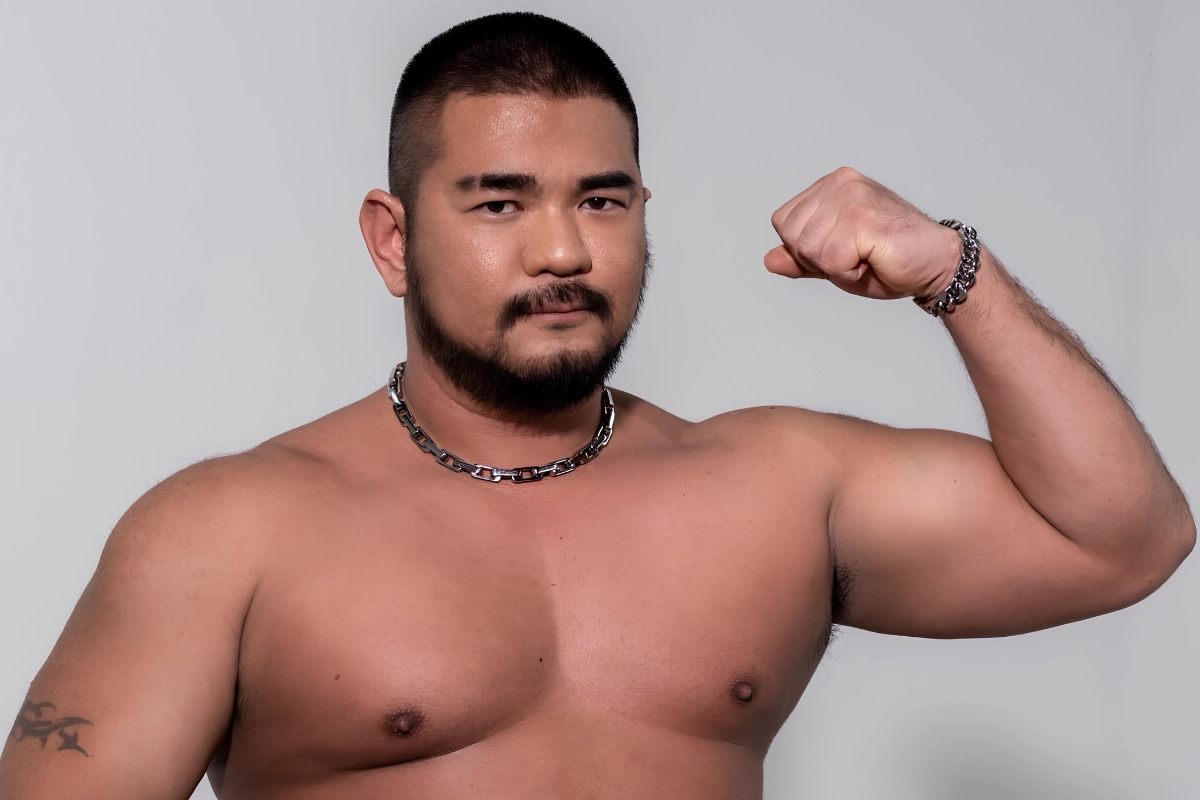
Pocchari is commonly used to describe someone chubby, plumpあるいは softly rounded. Compared with more direct words for describing fatness, it often has a gentler or more euphemistic tone. It’s used in everyday Japanese conversation, advertising, and personal descriptions. However, the impression it gives depends on the situation and the relationship between the people involved.
Unlike some GMPD terms, pocchari is not specific to Japan’s gay community. It is a general Japanese word used in a variety of contexts to describe a fuller body shape.
Within parts of Japan’s gay community, pocchari usually refers to a fuller or rounder build and may overlap with mucchiri. Depending on the speaker and situation, it may sound neutral, affectionate, tactful, patronising, or unwelcome.
D: Debu (デブ)

日常の日本語では、, debu is a direct word used to describe a fat person. Compared with softer expressions such as pocchari, it is more blunt and has a greater chance of sounding negative, though tone depends on the situation and relationship between people.
Some people use debu to describe themselves, particularly in familiar community contexts or personal descriptions. This term may also be heard outside of the LGBTQ+ community within Japan. However, using the word for someone else without their invitation can sound blunt, insulting, mocking, or demeaning.
If someone uses debu to describe themselves, that reflects their own choice of language rather than a general invitation for others to use the term. When unsure, it is better to follow the language a person uses for themselves rather than assigning a label based only on appearance.
How GMPD Is Used in Japanese Gay Culture
Like many communities, Japan’s gay scene has developed its own vocabulary for describing appearance, attraction, and social groups. GMPD provides shorthand that some people find useful, although not everyone uses these labels.
Within parts of Japan’s gay community, GMPD can be used in several ways. You may encounter the acronym or individual letters in profiles, social media biographies, community descriptions, statements of attraction or preference, and event names.
One common use is self-description. Someone may describe themselves using one of the individual terms or use GMPD more broadly to indicate that they identify with these body type categories.
The terms can also express preference. Someone may mention that they are attracted to GMPD men or to one of the individual categories. In these cases, the label describes an aspect of attraction rather than a person’s entire dating identity.
GMPD may also function as community shorthand, helping identify an audience, group, event, or social space. In some cases, it is used loosely as an umbrella term for larger, fuller, sturdier, or more muscular body types without separating every category.
However, GMPD is not used by everyone. Not every larger gay man identifies with these labels, and some Japanese gay profiles do not include body type terminology at all. Some people use one letter, several terms, or no labels whatsoever.
Is GMPD the Same as a Bear?

So, is GMPD a Japanese bear term? Although GMPD そして bear terminology can overlap, they do not mean the same thing.
GMPD is an acronym grouping four Japanese body type terms: gacchiri, mucchiri, pocchari, そして debu. It primarily describes aspects of physical build.
Bear is a broader LGBTQ+ community term. While body size and build may be part of the description, bear identity can also involve factors such as body hair, age, masculinity, personal style, social identity, and participation in a community.
A person described as GMPD is not automatically a bear, and a bear is not necessarily represented by one GMPD category. For international readers, bear may be a useful comparison point for understanding some overlap, but it should not be treated as a direct translation of GMPD.
Are GMPD Categories Strict or Overlapping?
GMPD definitions are not strict and often overlap. GMPD is informal community shorthand, not an official classification system. There are no fixed measurements for weight, muscle, body fat, height, or clothing size, and no authority determines which body belongs to which category.
Instead, the terms describe general impressions. Factors such as physique, proportions, presentation, and personal preference can influence which label someone uses. Because of this, two people may describe the same body differently.
The categories overlap because they are not separate boxes with clear dividing lines. Someone may feel that more than one term applies to them, or may choose a label that reflects how they personally see their own body.
For this reason, a person’s own self-description is usually more meaningful than someone else’s visual judgement. GMPD works best as flexible shorthand rather than a fixed system for categorising people.
How to Use GMPD and Debu Respectfully
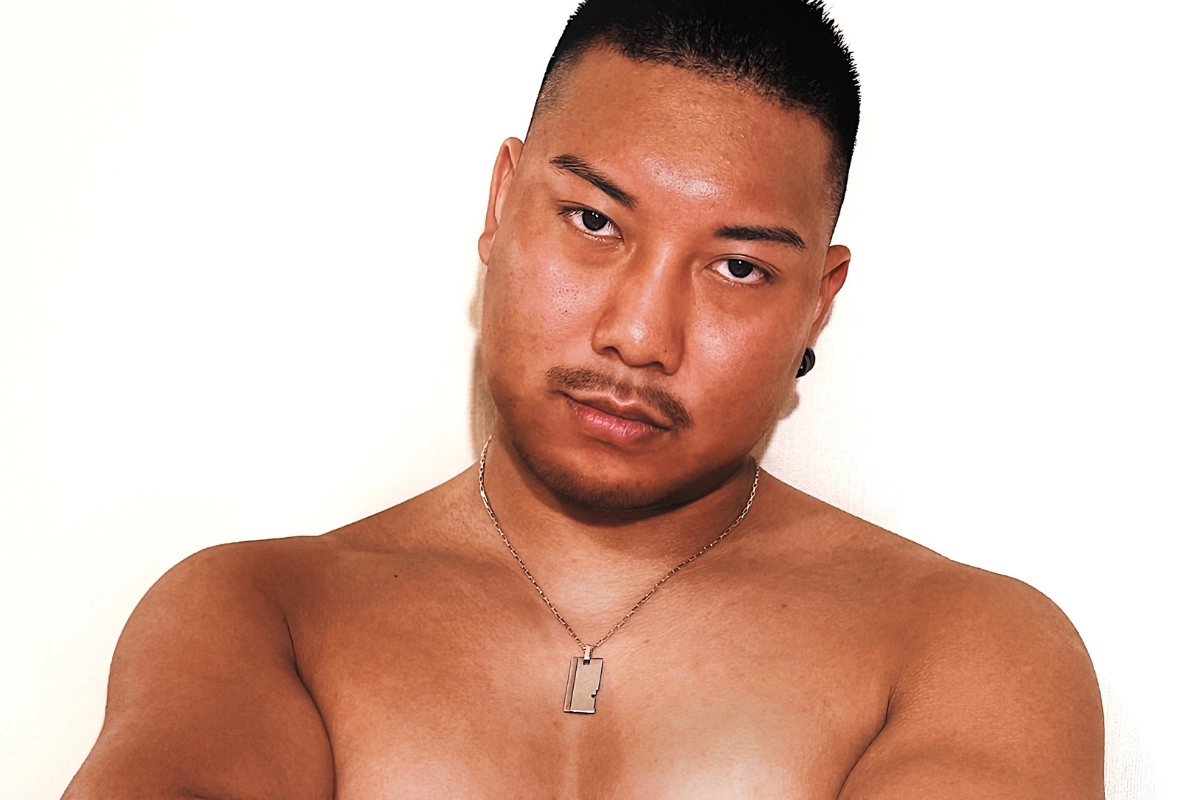
If you encounter GMPD terminology in Japan’s gay community, the best approach is to follow the language people choose for themselves. Some people find these labels useful, while others prefer not to use body type terminology.
Avoid assigning a GMPD category to someone based only on appearance. Because the boundaries between terms are flexible, your interpretation may not match how someone describes themselves.
Take particular care with debu. Although some people use the term for themselves or within familiar community settings, that does not automatically make it appropriate for strangers to use. Depending on the situation, it may sound blunt, insulting, or demeaning.
Body type labels describe appearance, not personality, lifestyle, confidence, masculinity, sexual role, or health. They should not be used to make assumptions about a person beyond the description they have chosen.
For a broader introduction to Japanese gay nightlife and where to meet different types of gay men, see our guides to the best gay bars in 東京, 大阪 そして 京都.