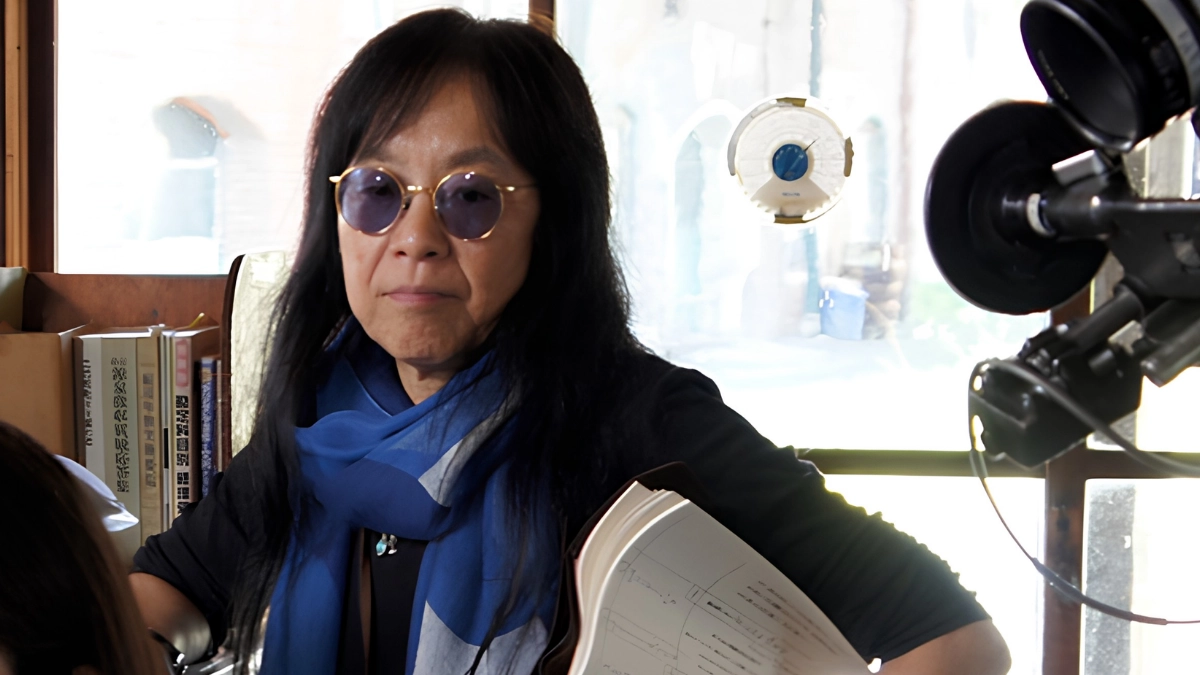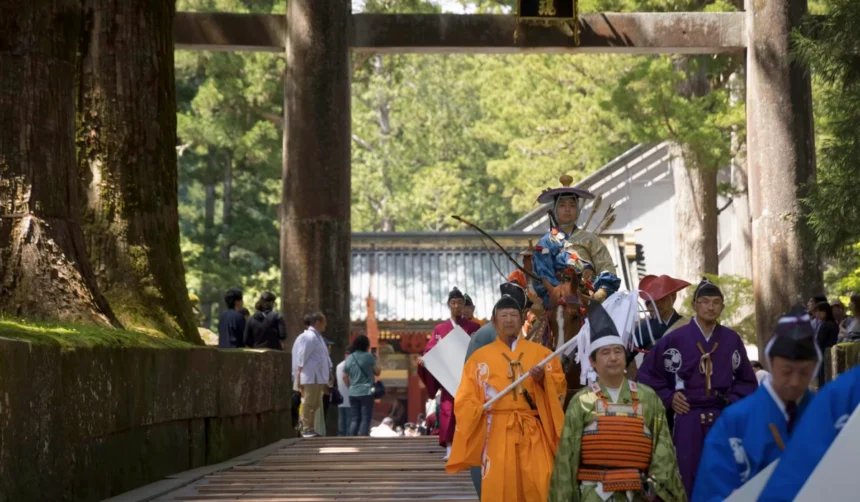



Japan’s entertainment industry includes LGBTQ+ singers, actors, television personalities, and so much more. This guide introduces a curated group of LGBTQ+ Japanese celebrities, from postwar performer Akihiro Miwa to XG rapper Cocona.
Each profile explains what the person is known for, the identity language they have used publicly, and why their public presence matters. This is a curated, non-exhaustive list. Inclusion is based on public statements, official material, or strong, reputable reporting.
How This List Was Selected
The people included in this guide have either spoken publicly about their identity or are supported by reliable reporting. When someone has described their identity in their own words, we use their current wording where possible. Older terms are only included when they help explain an important part of the person’s history.
Sexual orientation, gender identity and gender expression are different things. One does not establish another. Drag, crossdressing and queer roles do not, by themselves, establish that someone is LGBTQ+. This is especially important when writing about entertainers whose public image may involve gender presentation.
LGBTQ+ Japanese Entertainers Across Generations
Akihiro Miwa (美輪明宏)
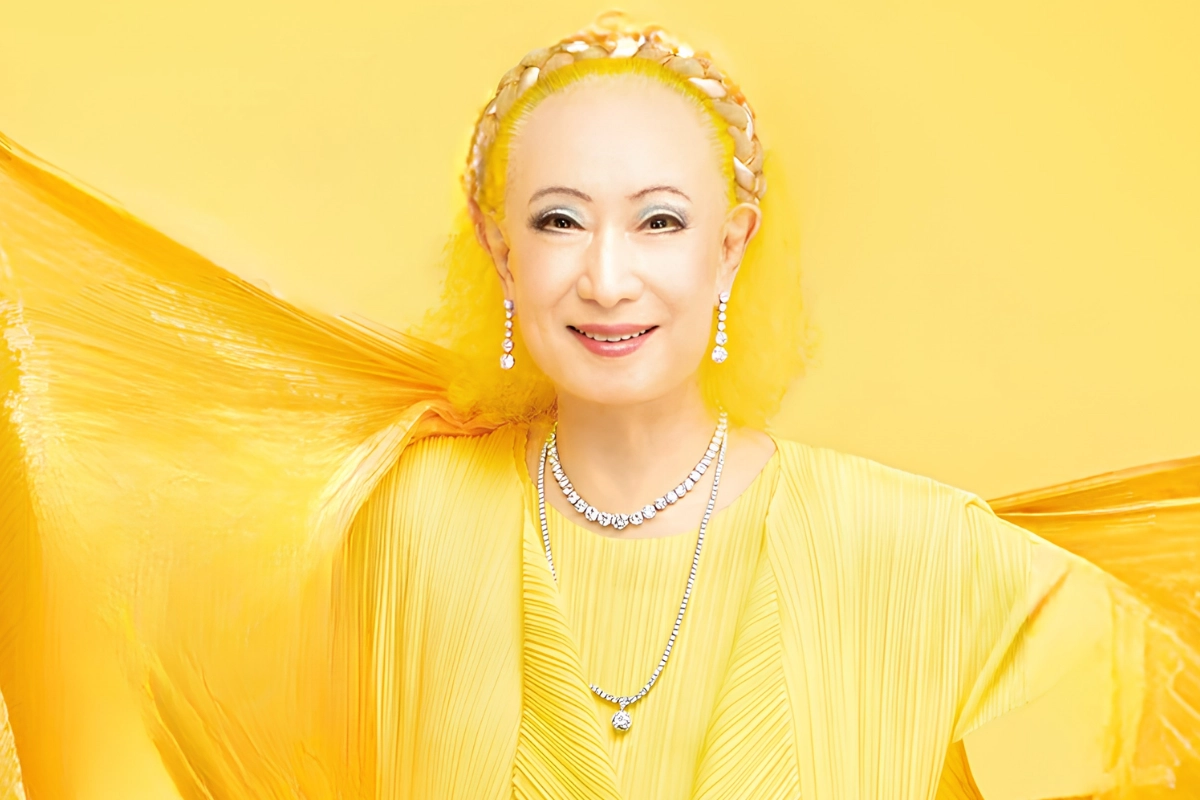
Known for: Chanson, stage and film work, plus voice roles in Studio Ghibli’s Princess Mononoke and Howl’s Moving Castle.
Akihiro Miwa was a singer, actor, author and voice performer whose career stretched across many decades. He became an important figure in Japanese entertainment after the Second World War and was publicly known as a gay or homosexual man.
Miwa also became known for a bold gender-nonconforming appearance. His significance lies in the length of his career and in how openly he discussed homosexuality at a time when public conversations about LGBTQ+ identities were very different from those today.
Miwa died on 20 June 2026, aged 91. His career remains an important part of the history of LGBTQ+ visibility in Japanese popular entertainment.
KABA-chan

Known for: Choreography for dos, long-running variety television work and later acting.
KABA.chan first became widely known as a choreographer and television personality. Their career later expanded into acting and other entertainment work.
KABA.chan publicly disclosed their gender identity in 2002. In 2016, they underwent gender-affirming surgery and legally changed their gender.
Their transition took place alongside a successful career in mainstream entertainment, where KABA.chan has continued to work in television, choreography and acting.
Matsuko Deluxe (マツコ・デラックス)
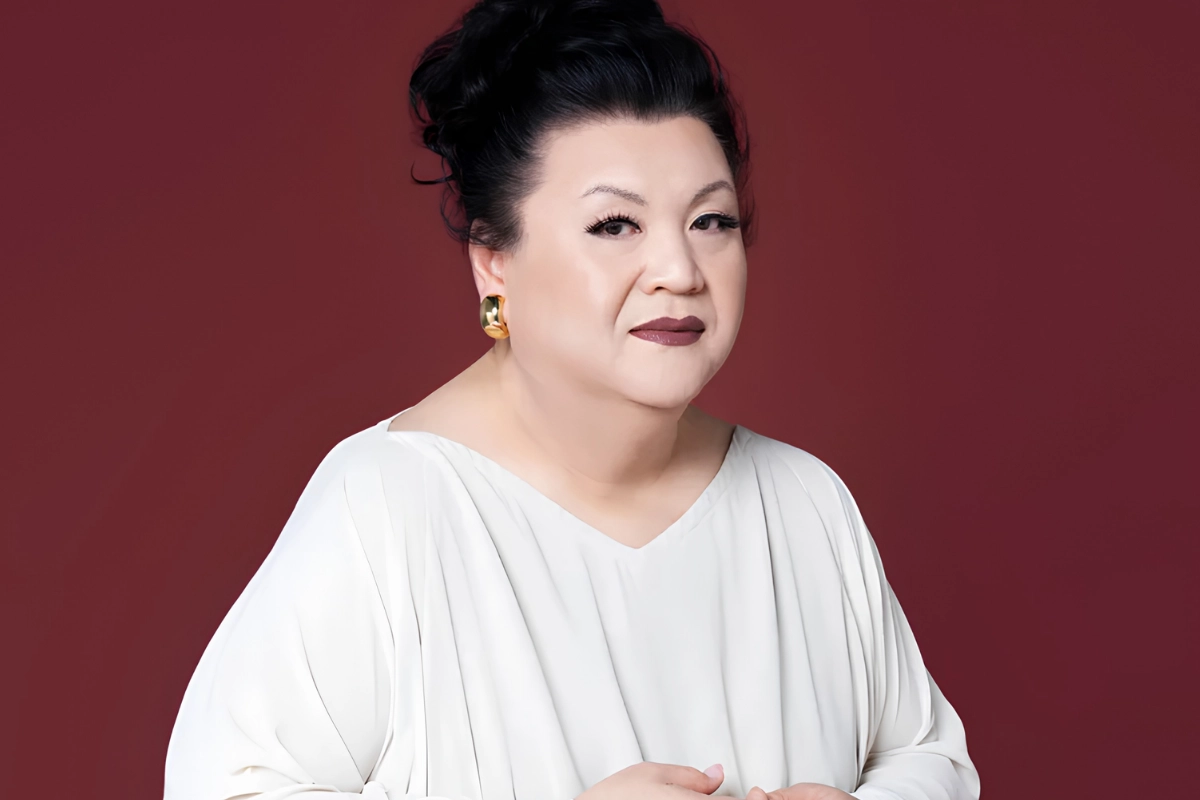
Known for: Television commentary, variety shows and a highly recognisable public persona.
Matsuko Deluxe is one of Japan’s best-known gay television personalities. His crossdressing persona has also been a major part of his public image.
Matsuko is described as a gay man, but he has also made clear that he has never wanted to become a woman. His long television career has made him one of the most recognisable gay figures in Japanese entertainment.
Mitz Mangrove (ミッツ・マングローブ)
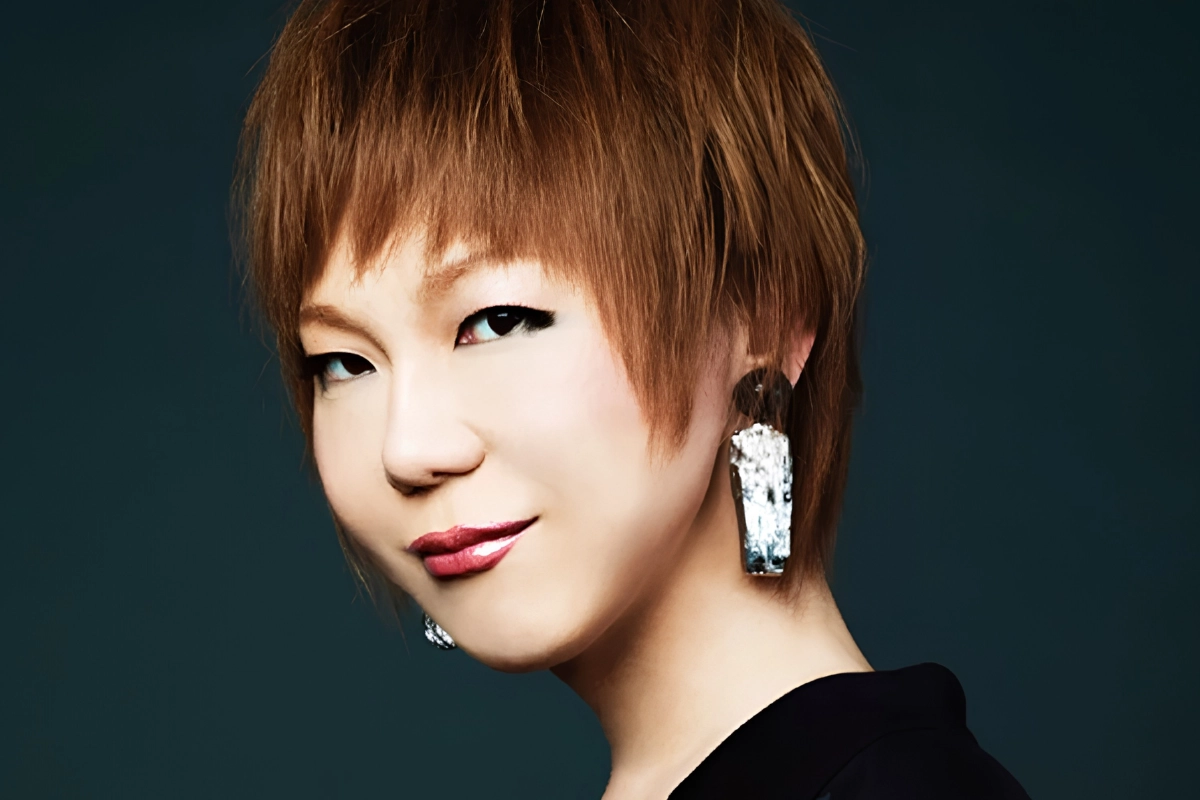
Known for: Television and radio commentary, music, drag performance and the vocal group Hoshikuzu Scat.
Mitz Mangrove is a television personality, singer and drag performer. He has also worked in music and radio, including as part of Hoshikuzu Scat.
Mitz has described himself as a gay or homosexual man. He has also spoken about entering drag culture and working as a cross-dressing performer, both of which have become part of his public career.
Ai Haruna (はるな愛)

Known for: Variety television, ‘Air Ayaya’, singing and winning Miss International Queen in 2009.
Ai Haruna became a familiar face on Japanese variety television through comedy and performance. She later built a career in singing and other entertainment work, and won Miss International Queen in 2009.
Haruna’s own language about gender is more nuanced than a single label can suggest. She has placed herself within the ‘T’ in transgender, while also explaining that the category does not feel completely sufficient to describe her.
Rather than imposing a simpler label, her own explanation gives a clearer picture of how she understands herself.
Her life is also the subject of the 2026 Netflix drama This is I. The film is a biographical drama based on Haruna’s life, rather than a documentary. It has also brought her story back into the spotlight more than three decades into her entertainment career.

Ataru Nakamura (中村中)

Known for: ‘Tomodachi no Uta’, singer-songwriter work, acting and major television and music appearances.
Ataru Nakamura is a singer-songwriter and actor whose career spans music, television and stage work.
Nakamura publicly disclosed her transgender identity in 2006. Her official English biography describes her as a transgender woman and uses she/her pronouns.
She has since built a long career in music and theatre, including an appearance on Kōhaku Uta Gassen.
Kayo Satoh (佐藤かよ)

Known for: Modelling, television, gaming and fashion.
Kayo Satoh first became known as a model and television personality before moving into gaming and fashion.
Satoh has spoken publicly about being transgender. She has remained active across entertainment, including ABEMA and television appearances in 2025 and 2026.
Ayaka Ichinose (一ノ瀬文香)

Known for: Talent and gravure work, acting, MC work and LGBTQ+ media appearances.
Ayaka Ichinose publicly came out as lesbian in 2009. She has since continued to work across television, acting and MC roles while maintaining a public career as a lesbian entertainer.
Kazlaser (カズレーザー)
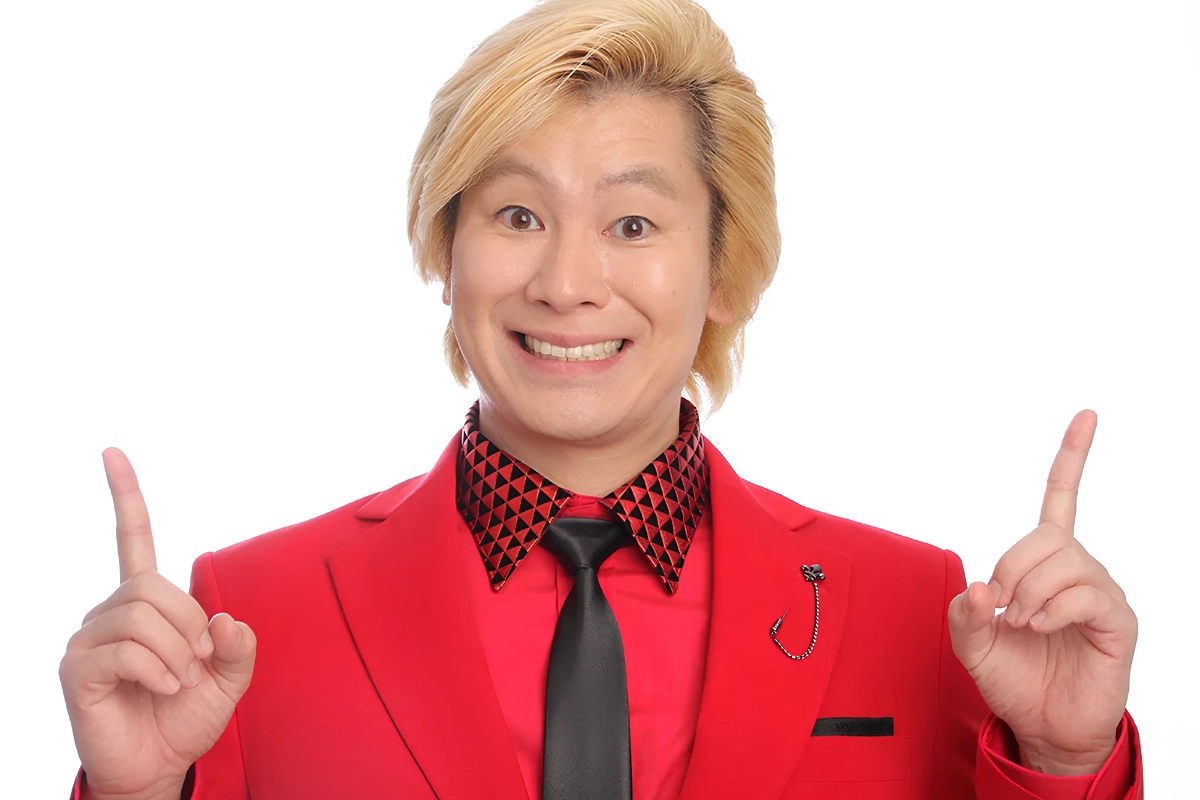
Known for: The comedy duo Maple Chogokin, quiz shows and variety television.
Kazlaser is a comedian and television personality. He is one half of the comedy duo Maple Chogokin and regularly appears on Japanese television.
Kazlaser has publicly identified as bisexual and has spoken about his bisexuality straightforwardly in national entertainment coverage.
Moga Mogami (最上もが)

Known for: Dempagumi.inc, television, modelling and acting.
Moga Mogami first became known as a member of the idol group Dempagumi.inc. She has since worked in television, modelling and acting.
Mogami has described herself as bisexual. She has also said that gender is not the deciding factor in who she is attracted to. Notably, she did not see her own announcement as a traditional ‘coming out’, showing that people can describe and share their sexuality in different ways.
For a more detailed look at bisexual celebrities in Japan, see:

kemio
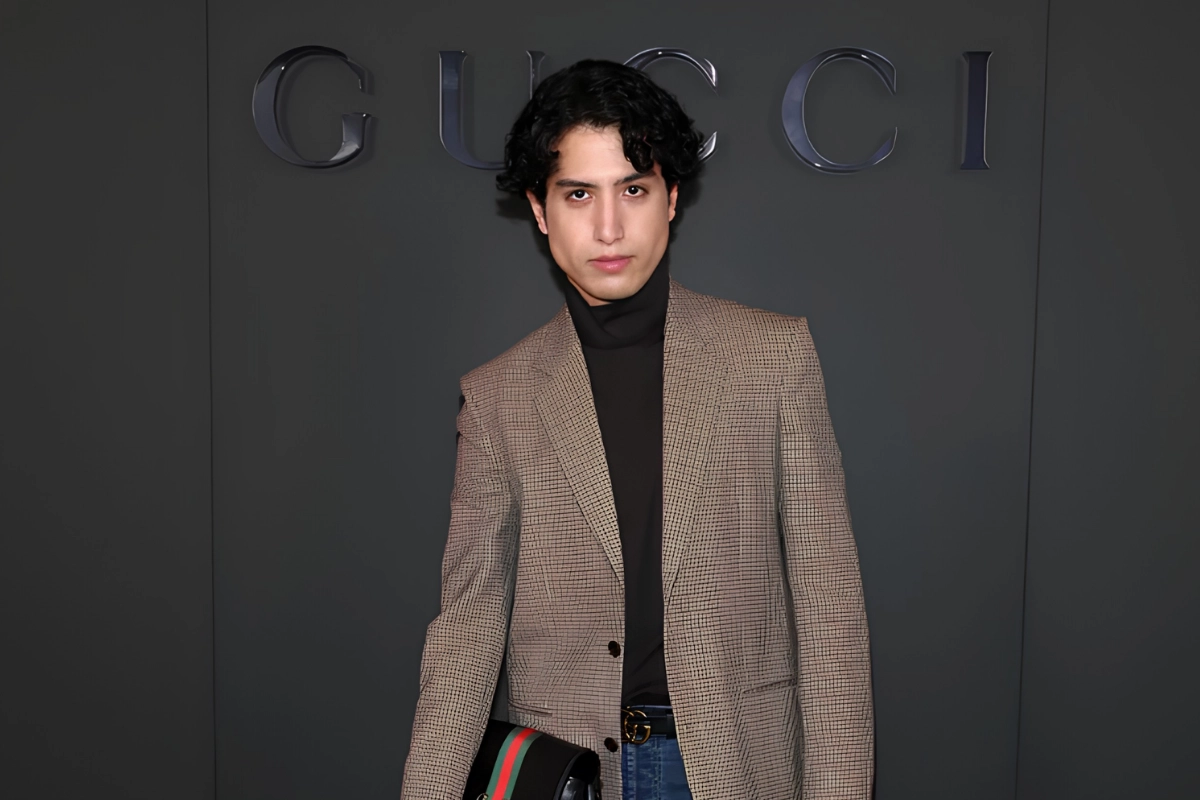
Known for: Social media, video creation, modelling, fashion and entertainment.
kemio built his career through social media and online video. He has also worked in modelling, fashion and other areas of entertainment.
He has spoken publicly about being gay and about a time when he tried to hide his feelings. His career is also an example of how LGBTQ+ entertainers can build large audiences outside traditional television and music.
Satsuki Nakayama (中山咲月)
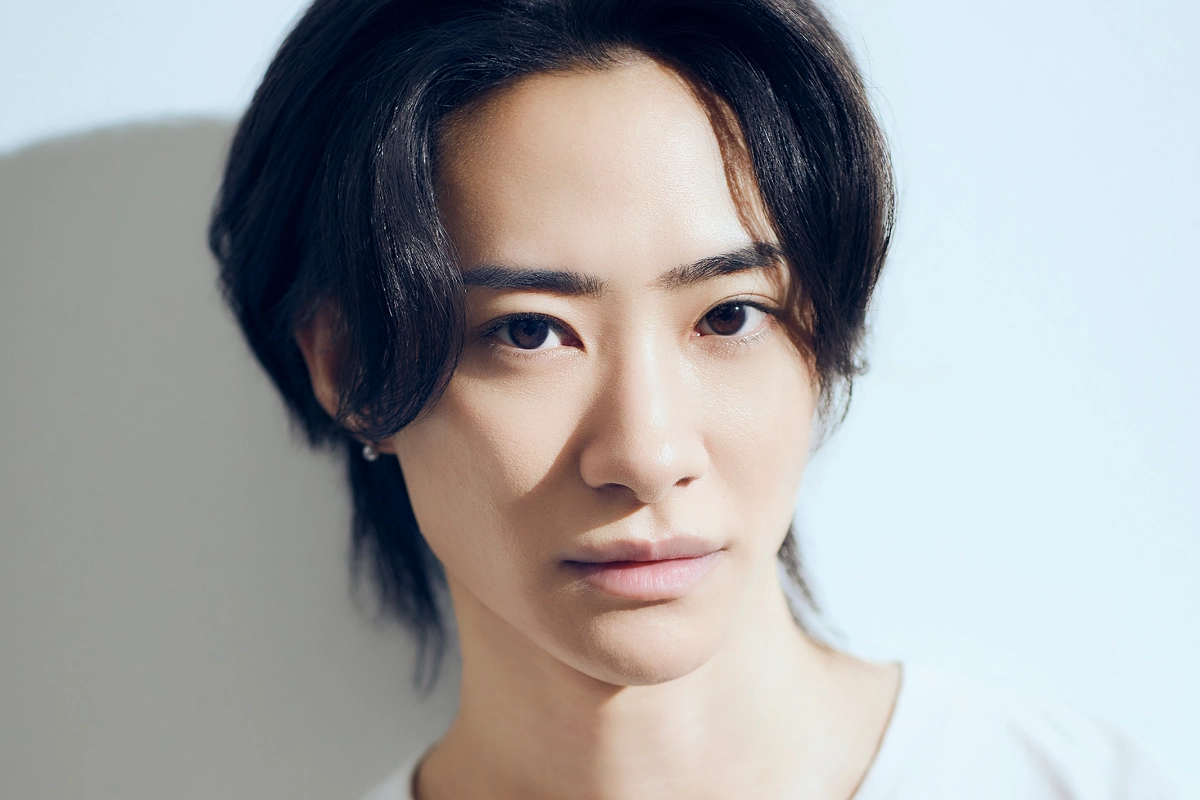
Known for: Kamen Rider Zero-One, acting, modelling and stage work.
Satsuki Nakayama is an actor and model whose career includes Kamen Rider Zero-One, modelling and stage performances.
Nakayama has described themselves as transgender and asexual and has also spoken about living as male.
Earlier Japanese media used the term ‘genderless girl’ to describe Nakayama. Nakayama later rejected that description and explained their identity in their own words.
Hikaru Utada (宇多田ヒカル)

Known for: First Love, J-pop and the Kingdom Hearts theme songs.
Hikaru Utada is one of Japan’s best-known singer-songwriters. Their career includes the hit song First Love and music for the Kingdom Hearts series.
Utada has publicly identified as non-binary. They have also spoken about their pronouns in an Apple Music interview.
You can read more about Utada in our guide: in our guide to Hikaru Utada’s non-binary identity and career.

Shinjiro Atae (與真司郎)
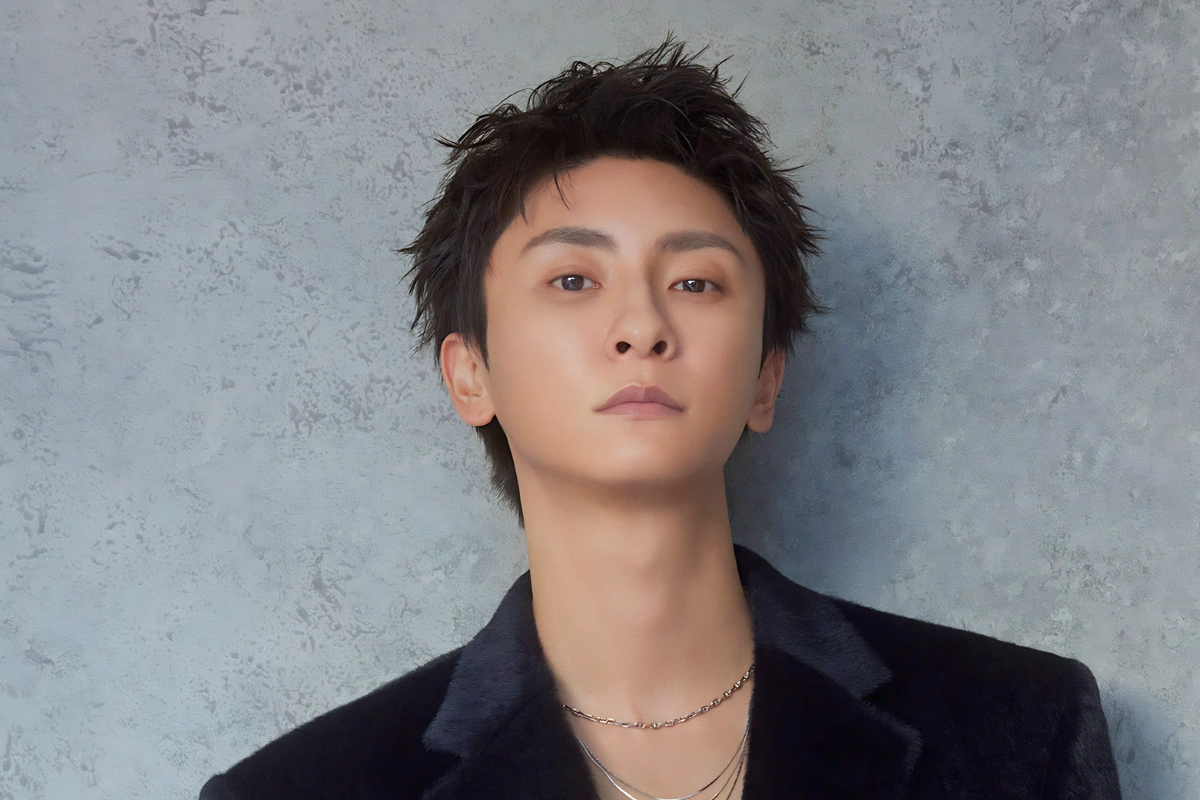
Known for: Member of AAA and a solo music career.
On 26 July 2023, Shinjiro Atae told fans at an event in Tokyo that he is a gay man. By then, he was already well known as a member of AAA and had begun a solo music career.
The announcement became an important moment in his career. He has since continued to speak about his life before and after coming out.
Cocona of XG
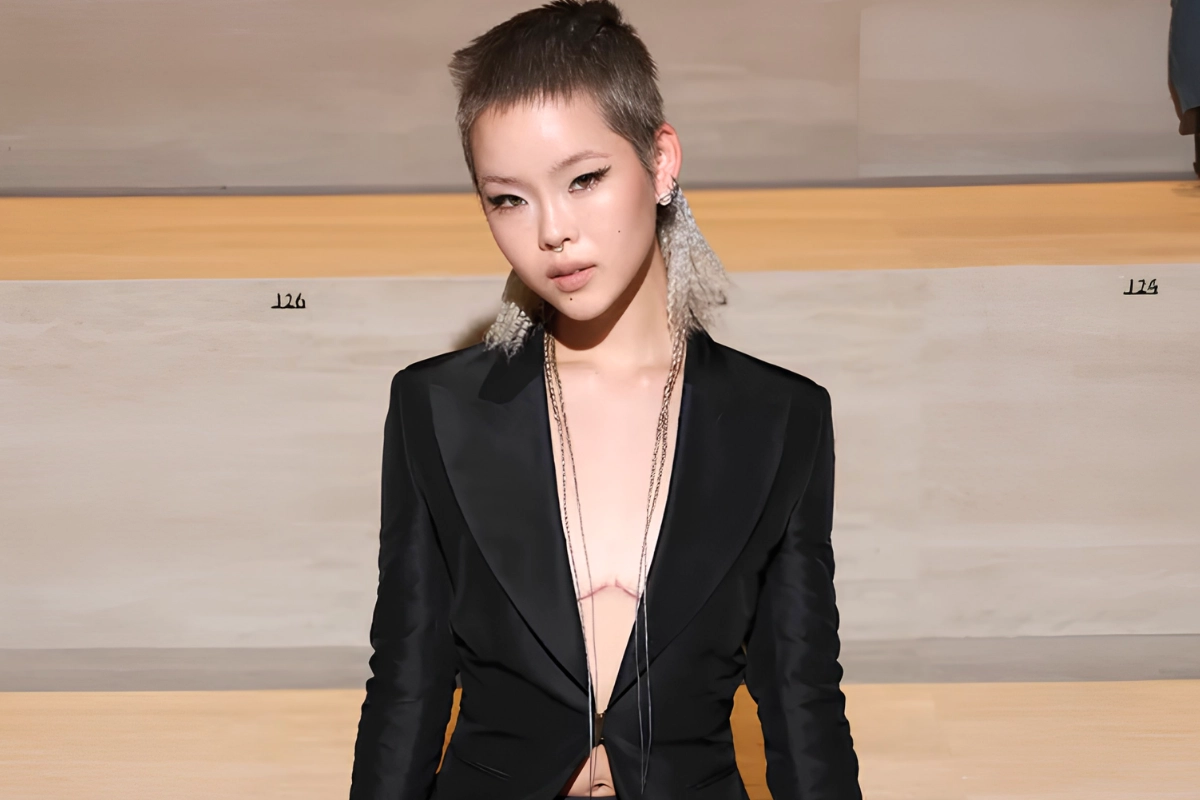
Known for: Rapping and performing as a member of XG.
Cocona is a rapper and performer in XG. The group released THE CORE – 核 in January 2026, which reached the Top 100 of the Billboard 200. XG also began its second world tour in February 2026.
On 6 December 2025, Cocona publicly identified as AFAB transmasculine non-binary. This is the wording Cocona used to describe their identity. It should not be shortened to ‘trans man’, as this would leave out the non-binary part of their identity.
Cocona is one of the most recent examples in this guide, bringing LGBTQ+ visibility into a current generation of Japanese popular music.
What Celebrity Visibility Can – and Cannot – Tell Us
LGBTQ+ visibility in Japanese entertainment has taken many forms. Miwa represents a long career in postwar entertainment, while figures such as kemio and Cocona come from a newer, more digital media environment. Matsuko Deluxe and Mitz Mangrove also show how sexual orientation and gender presentation can both be part of a public image without meaning the same thing.
This list cannot show the full number or diversity of LGBTQ+ people working in Japanese entertainment. It can, however, help readers find visible examples across different generations and areas of the industry. Identity is only one part of any performer’s story.
For more LGBTQ+ culture coverage, explore our guides: