
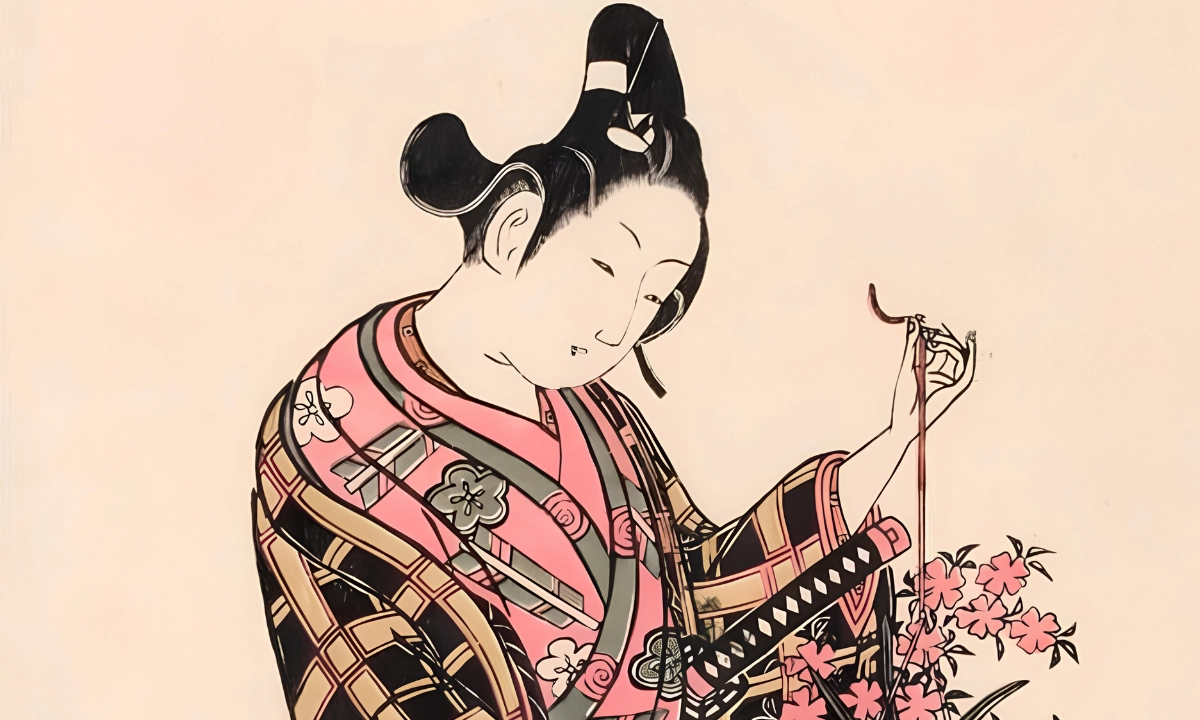

Japan’s history of gender diversity does not begin with modern hormone therapy, surgery, or legal gender recognition.
Long before contemporary transgender terminology existed, Japanese society included gendered roles, expressions, and ways of living that don’t fit into the categories used today. But that does not mean historical figures or practices such as the Edo-period wakashu or kabuki onnagata can be relabeled as ‘transgender’.

The more useful history is one of both continuity and change.
Gender diversity has deep roots in Japan. However, the language, social structures, and medical practices around it have changed over time.
This history begins in a society where age and social status could shape gendered roles, passes through Japan’s modernization and the rise of new medical classifications, and eventually reaches the emergence of postwar gender-diverse communities, modern transgender identities, gender-affirming healthcare, and legal recognition.
Can We Call Premodern Gender Expression ‘Transgender’?
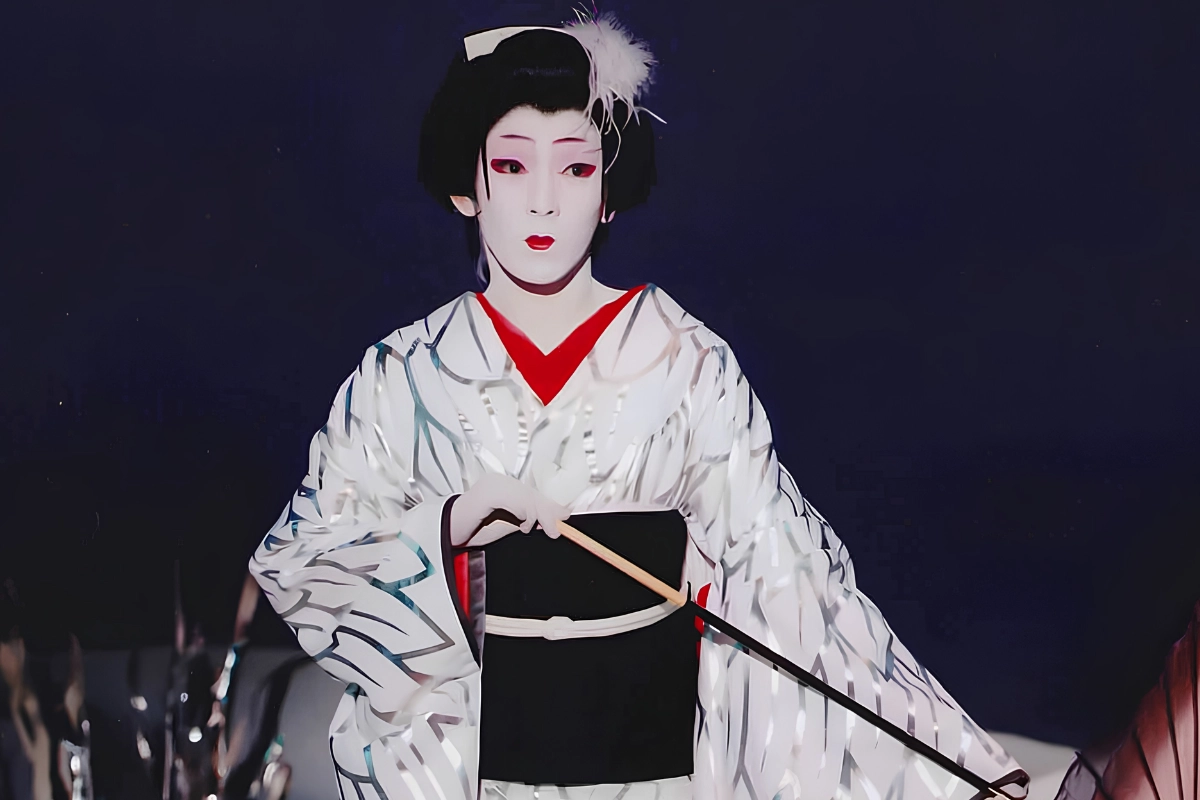
It can be tempting to look at historical examples of gender diversity in Japan and describe them using the word ‘transgender’.
The difficulty is that the term belongs to a much more recent framework for understanding gender.
People in premodern Japan did not divide gender, sexuality, social roles, and personal identity in the same ways that many people do today. Historical categories therefore cannot always be translated directly into modern ones.
That distinction is particularly important when discussing wakashu or onnagata. Their experiences may tell us a great deal about how gender could be organized, expressed, and performed in Japan. They do not, however, automatically correspond to a modern transgender identity, nor does this mean that gender diversity was absent from historical Japan.
Gender in Edo Japan (1603 – 1868)
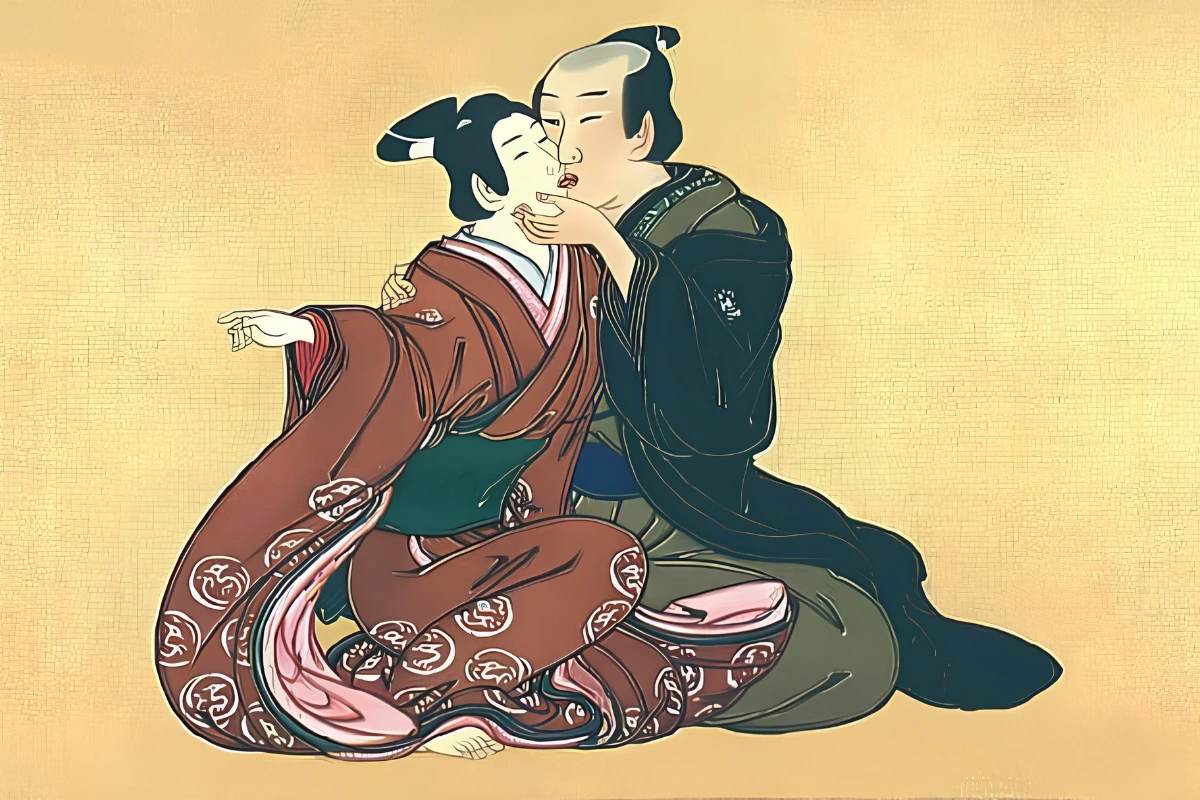
The Edo period provides one of the clearest examples of how differently gender could be organized before modern systems of classification developed.
In Edo society, age, appearance, social status, clothing, hairstyle, and gendered roles could all influence how a person was understood.
Categories existed that do not map neatly onto the modern distinction between men and women.
Two particularly important examples are wakashu and onnagata:
- Wakashu was a social category closely connected to youth, appearance, and gendered status.
- Onnagata developed as a highly specialized form of theatrical gender performance.
Together, they demonstrate that gender in Edo Japan operated through cultural systems very different from those familiar today.
Wakashu and the Age/Gender System
One of the clearest examples is the wakashu (若衆), a category of male youth with a distinct social and sexual position in Edo-period society.
A wakashu was not simply defined by their young age. Age, appearance, clothing and hairstyle helped distinguish this status from that of an adult man. Growing into adult male status was highlighted through changes in these characteristics.
This meant gendered roles were not organized solely around the categories of ‘man’ and ‘woman’ in the way modern readers might expect. Wakashu occupied a distinct position within the social and erotic structures of the period. Academics have therefore examined Edo Japan through an age/gender system, rather than assuming a straightforward modern binary.
At the same time, being a wakashu did not confirm someone’s sexual orientation or indicate a sexual relationship. The category described a social and age-based status, not a modern identity label.
That is what makes wakashu so useful for understanding this history. The category resists a simple modern translation and shows how gender, age, appearance, and sexuality could intersect in ways that do not map neatly onto contemporary categories.
For a closer look at wakashudō and male sexuality in samurai history, see our guide to gay samurai and Japan’s homosexuality history.
Onnagata and Gender Performance
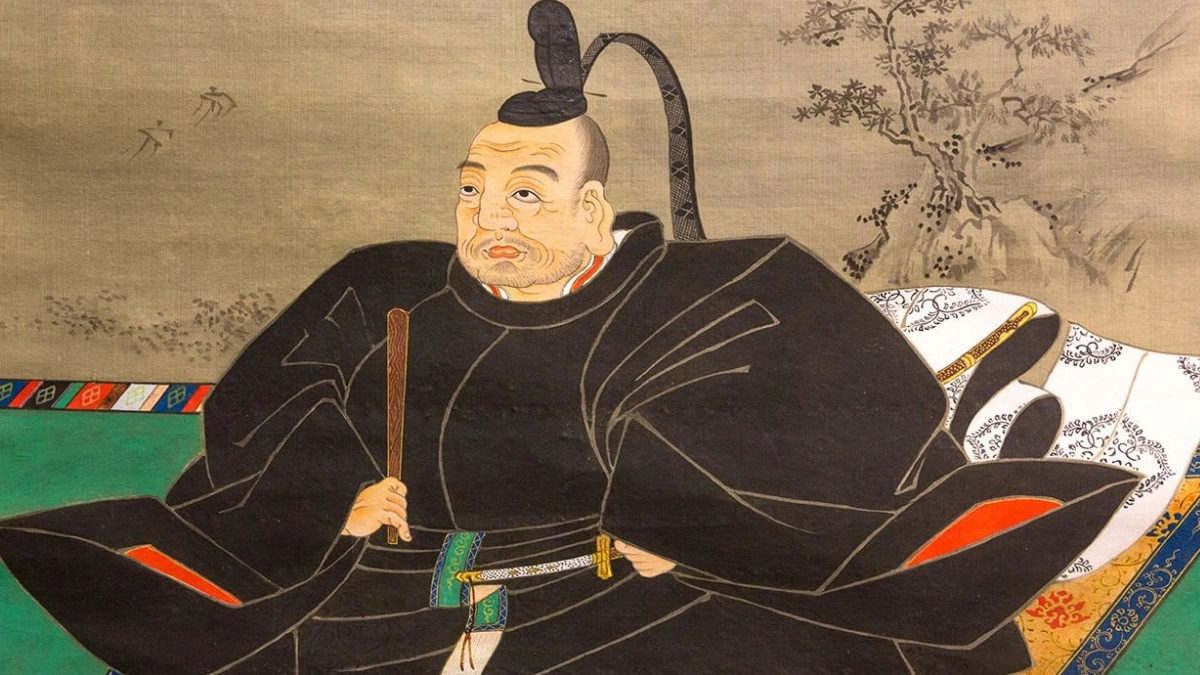
Another important example from Edo-period Japan is the onnagata (女形), a kabuki actor who specializes in playing female roles.
Rather than simply imitating women, onnagata developed highly stylized techniques for performing femininity through movement, voice, clothing, gesture, and appearance.
This tradition matters to the history of gender in Japan because it shows that ideas about femininity could be deliberately constructed, taught, and performed. Kabuki developed its own techniques for representing women on stage, creating a form of femininity shaped by both theatrical practice and everyday life.
However, performing a female role did not indicate that an actor identified as a woman. The onnagata tradition tells us more about gender performance and cultural ideas about femininity than it does about the gender identities of individual actors.
Together, wakashu and onnagata show why Edo-period gender history cannot simply be translated into modern categories. Both belonged to institutions and social frameworks that would change significantly as Japan entered the modern period.
How Modernization Changed Gender and Sexuality in Japan
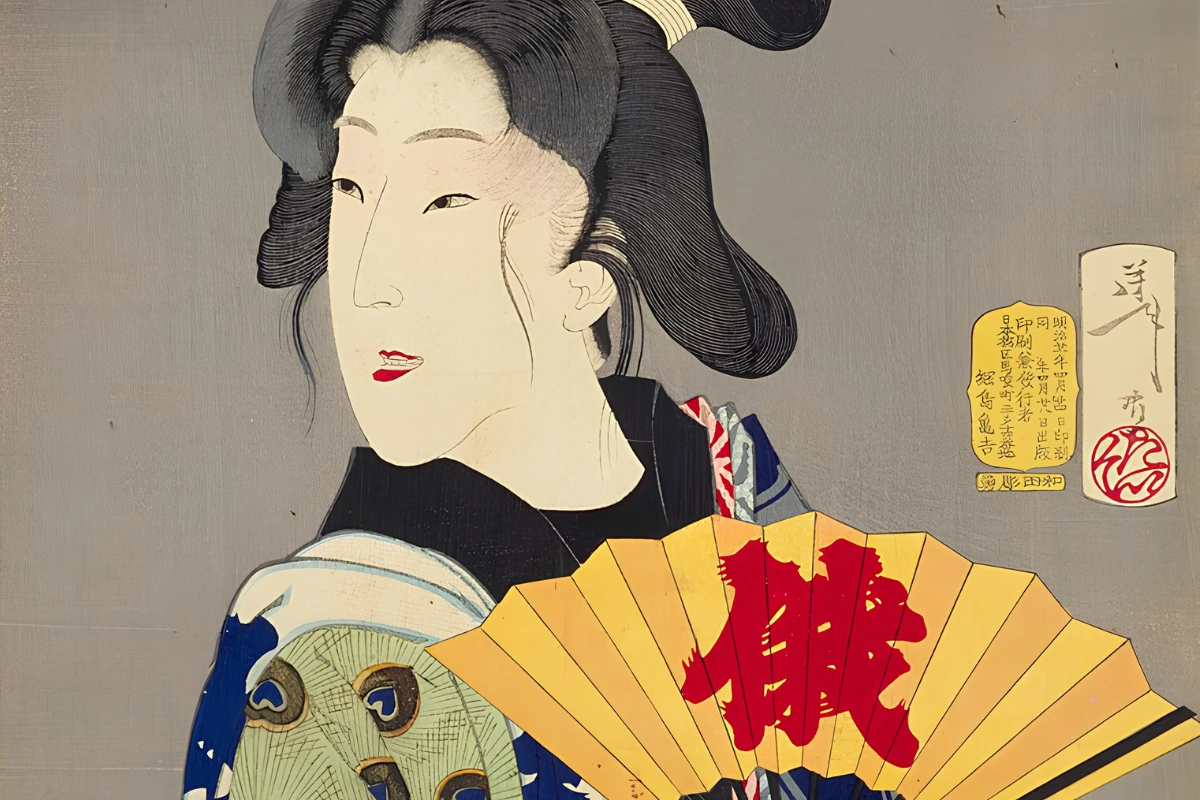
The gender norms of Edo Japan did not continue unchanged into the modern era.
During the Meiji period (1868–1912), Japanese society was increasingly organized through standardized legal and administrative categories. This included more clearly defined classifications of man and woman, as well as new systems for formally recording a person’s age.
The changes reached far beyond legal documents. Education, administration, medicine, clothing, and expectations around bodily presentation all changed, becoming part of a broader process of defining how people should be classified and how men and women were expected to behave.
This was not simply the replacement of a once ‘fluid’ Edo society with a rigid gender binary. Older systems based on age, status, and social role were being reorganized into new legal, administrative, medical, and social frameworks.
These changes also shaped how sexuality and gender variance were understood. By the late 19th and early 20th centuries, medical classifications were providing new ways of describing sexuality and gender, creating categories that differed from those previously used in Japanese society.
That shift became increasingly important throughout the 20th century. New identities, communities, and forms of activism continued to emerge alongside changing ideas about gender and sexuality.
Postwar Transgender Life, Medicine, and Terminology
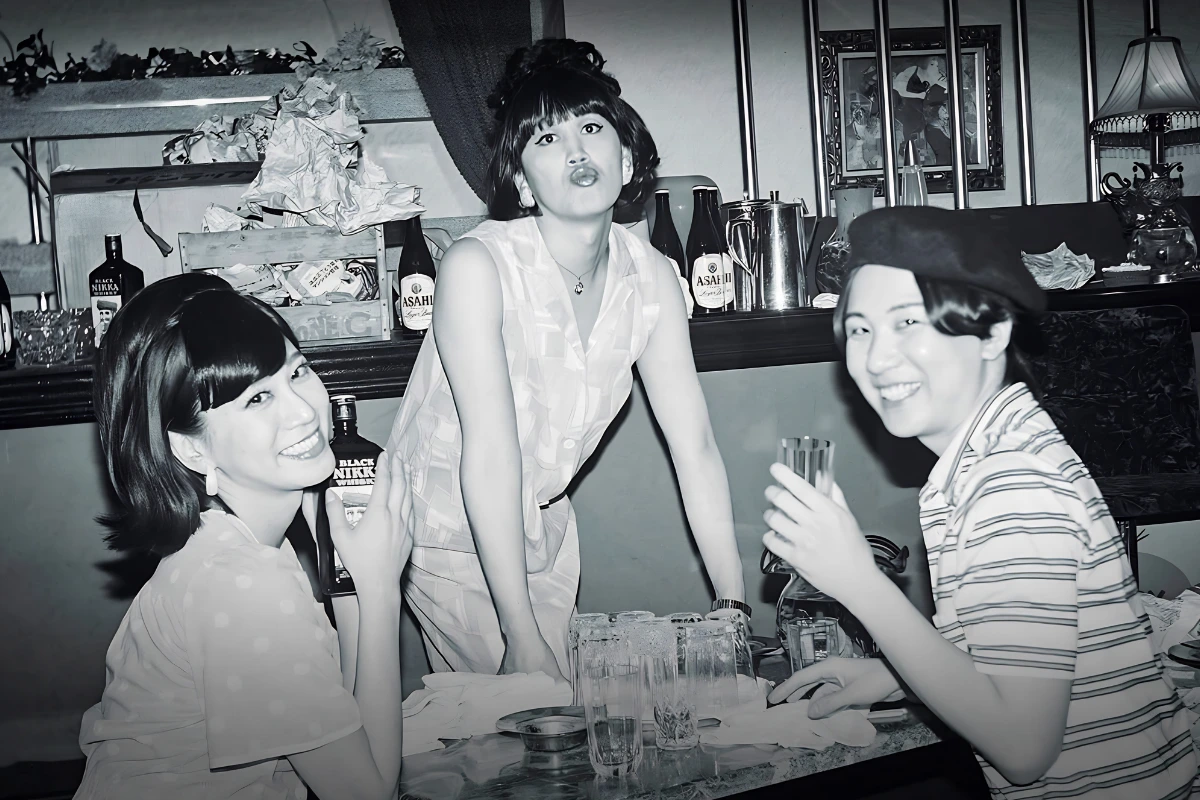
Japan’s postwar period brought growing visibility to gender-diverse people, particularly in entertainment, nightlife, and sex work.
Different communities and industries developed their own terms for people who did not fit conventional gender roles. These included burū bōi (‘blue boy’), okama, and later new-half. The term ‘onabe’ — a counterpart to okama — also began to be used to describe transgender men.

These terms did not all mean the same thing, and they should not be treated as earlier Japanese versions of the modern word ‘transgender’. Some were popular or entertainment terms, while others were used within particular communities.
At the same time, another way of understanding gender variance was developing: doctors were beginning to create medical frameworks for people who sought physical transition.
This produced an important tension in postwar Japan. Gender-diverse people could be visible in popular culture and the media while still having limited access to medical treatment.
Postwar Transgender Communities
Postwar gender-diverse communities also developed outside medical institutions. Nightlife, entertainment venues, publications, and community spaces provided places where people could encounter others with similar experiences and explore different forms of gender expression and identity.
Tokyo’s Shinjuku became particularly significant as a center of gender-diverse nightlife and communities. These spaces did not necessarily use the modern language of transgender identity, and not everyone who participated in them would have understood themselves in the same way.
This distinction is important. Some people were part of entertainment or nightlife cultures. Others were seeking to live permanently in a gender different from the one assigned to them. The development of these communities helped create a social context in which newer forms of transgender identity could emerge alongside the medical frameworks developing at the same time.
The Blue Boy Trial and Medical Gatekeeping
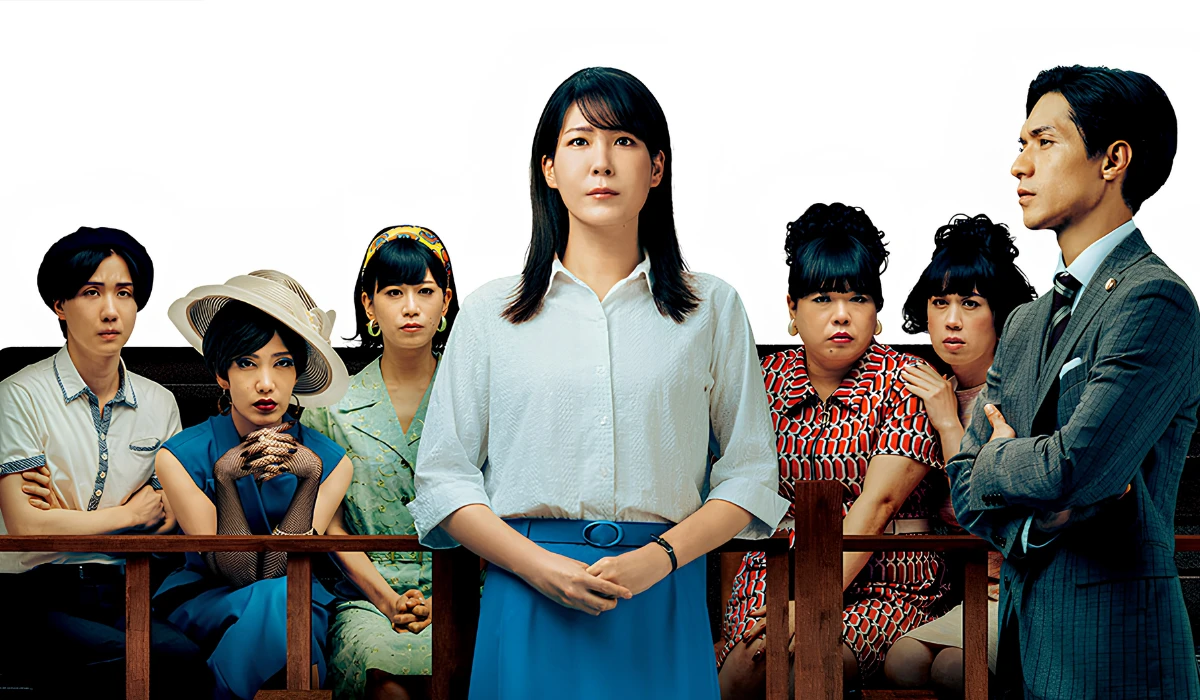
A major turning point came with the Blue Boy Trial in the 1960s.
A doctor had performed gender-affirming surgery on three people who were described at the time as “blue boys.” He was prosecuted under Japan’s Eugenic Protection Law and was ultimately convicted, receiving a suspended prison sentence and a fine.
The trial has traditionally been described as creating a long period in which Japanese doctors were unwilling to perform gender-affirming surgery. The Japanese Society of Psychiatry and Neurology later referred to this period as a kind of ‘dark age’ for gender-affirming treatment.
More recent research, however, has complicated the longstanding interpretation of the trial as effectively prohibiting gender-affirming surgery.
Historian Seong Un Kim notes that the court did not rule that gender-affirming surgery could never be legitimate medical treatment. Instead, it focused on whether the operations had been carried out using appropriate medical procedures.
The decision therefore left open the possibility that such surgery could be legitimate when carried out with appropriate examination, observation, consultation, and consent. In later decades, university-based gender clinics developed formal processes of diagnosis, assessment, and professional approval. This became known as a medical gatekeeping model.
1970s – 1980s: Changing Visibility and Medical Discussion
During the 1970s and 1980s, Japan’s nightlife and entertainment industries became important spaces for gender-diverse people, particularly at a time when visibly gender-nonconforming people could face discrimination in mainstream employment. Transgender women had already begun working in Japanese entertainment from the 1950s, with their presence expanding through gay bars in the 1970s and pubs and entertainment venues in the 1980s.
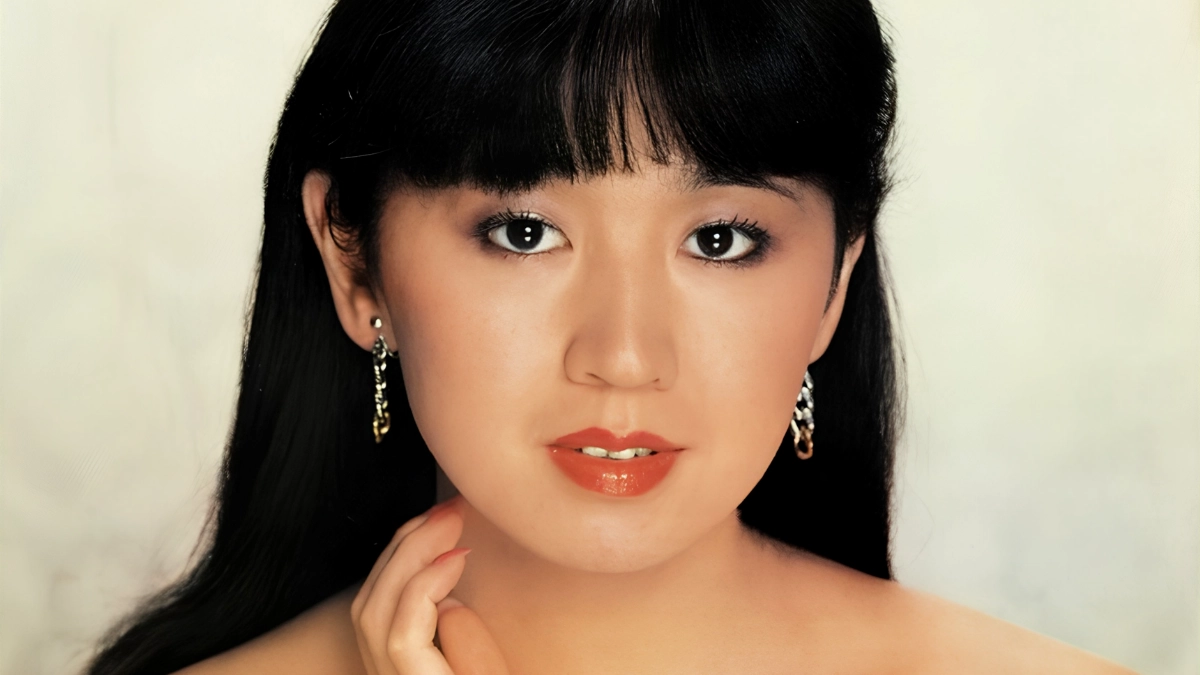
The early 1980s also saw the growing popularity of the term new-half, which was used for transgender women and other transfeminine performers in Japan’s entertainment industry. The term became particularly visible through media coverage of figures such as Matsubara Rumiko, who became a prominent new-half celebrity after being selected as a model for the Roppongi Bijin promotional campaign in 1981.
Japan’s entertainment industry also attracted Filipino transgender women, many of whom migrated to Japan during the 1980s and 1990s to work as entertainers. However, this visibility existed alongside significant discrimination. Researcher Tricia Okada examined the experiences of Filipino transgender women who worked as entertainers in Japan in her peer-reviewed study, ‘Gender performance and migration experience of Filipino transgender women entertainers in Japan’. The study was based on interviews with 14 Filipino transgender women and explored the reasons they migrated to Japan, their experiences working in the entertainment industry, and how migration affected their ability to express and affirm their gender.
In the interviews, several participants described difficulty pursuing professional careers in the Philippines while living openly as women, making entertainment work in Japan one available alternative. The study also identifies economic goals and opportunities for gender expression as important motivations for migration. For some participants, earnings from entertainment work helped make gender-affirming surgery possible. At the same time, Okada’s research shows that entertainment work was not simply a safe or empowering environment: performers remained subject to expectations around appearance, performance, and employment conditions.
By the late 1980s, gender-nonconforming aesthetics were also becoming increasingly visible in Japanese popular culture. The rise of Visual Kei, with its androgynous and gender-bending visual style, challenged conventional ideas about masculine appearance and influenced youth culture. This did not necessarily represent transgender identity, but it was part of a broader cultural environment in which gender presentation was being more openly questioned and experimented with.
The Emergence of Gender Clinics and GID
By the 1990s, attitudes within parts of the Japanese medical community were beginning to change.
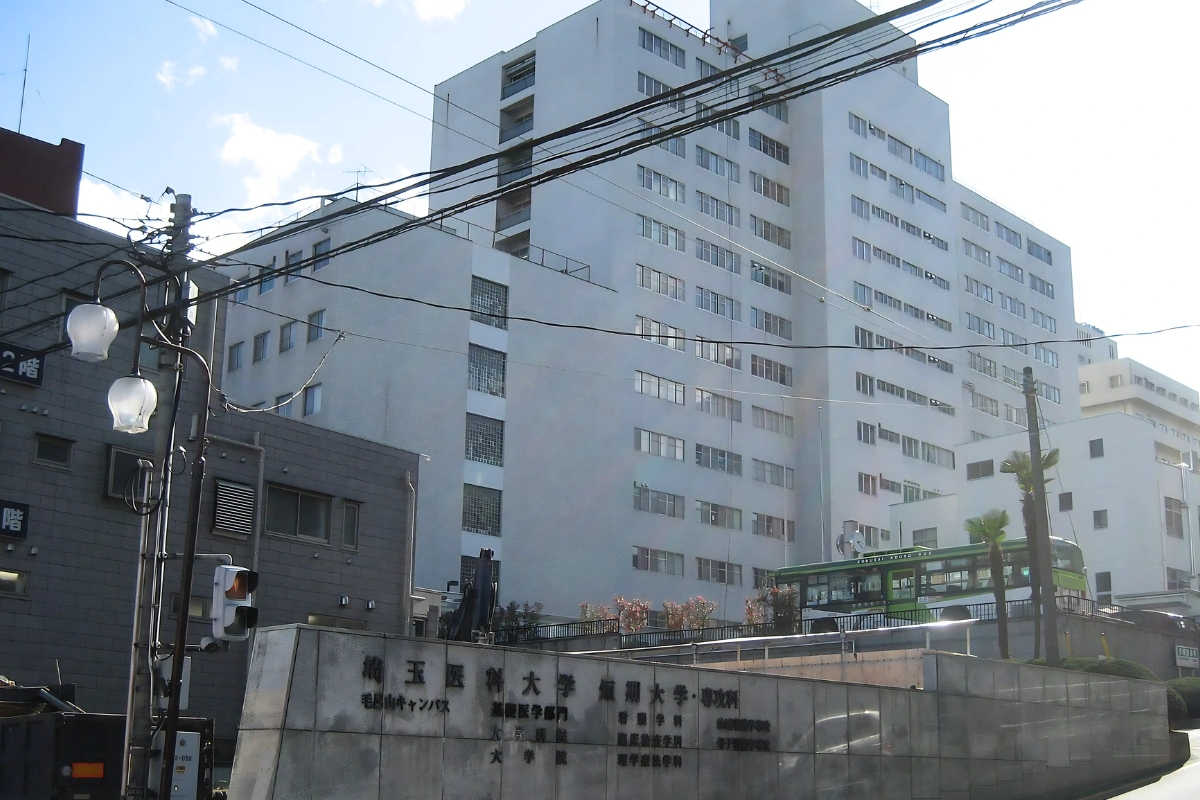
Saitama Medical University became particularly important. The university began examining gender-affirming treatment in the mid-1990s, and in 1996 its ethics committee concluded that surgery could be considered a form of medical treatment under certain conditions. A retrospective account of the development of treatment at Saitama Medical University records that the process had begun several years earlier. In 1992, a female-to-male (FtM) patient seeking phalloplasty consulted physician Takao Harashina, becoming an important part of the history that eventually led to the university’s clinical framework.
The development of this medical framework took place alongside emerging networks of transgender men. Masae Torai, who had undergone gender-affirming surgery in the United States, became an important figure in Japan’s FtM community. He later established FTM Nihon, a magazine written and read primarily by transgender men from the 1990s onward. Research examining all 60 issues of the publication shows how transgender men used the magazine to discuss GID, hormone therapy, surgery, and different understandings of gender transition.
A major development followed in 1997, when the Japanese Society of Psychiatry and Neurology published its first guidelines for the diagnosis and treatment of what was then called Gender Identity Disorder (GID). The guidelines gave Japanese medical institutions a formal professional framework for assessing and treating people seeking gender-affirming care.
The emergence of GID also changed how gender diversity was discussed. Gender identity was increasingly treated as something distinct from sexual orientation. At the same time, the system remained highly medicalized, with access to treatment shaped by diagnosis, medical assessment and professional approval.
Then, in October 1998, Saitama Medical University performed Japan’s first officially recognized gender-affirming surgery as treatment for a medical condition. The first patient was the same FTM patient who had approached Harashina in 1992, linking the early development of the university’s treatment program directly to the later clinical milestone.
This marked an important transition: gender-affirming surgery was now being carried out within an established medical framework. That framework would also influence the development of Japan’s legal gender-recognition system, introduced in 2003.
From GID to Transgender
The language used to describe gender identity also changed during this period. GID was a medical diagnosis used within Japan’s healthcare system, rather than simply another Japanese word for transgender.
As transgender communities and terminology developed, gender identity increasingly came to be discussed outside the medical framework. This helped create a distinction between being transgender as an identity and receiving a particular diagnosis or form of medical treatment.
The change also exposed the limits of a system designed primarily around movement between male and female categories. Contemporary Japanese gender diversity includes people who identify as transgender men and women as well as people whose identities do not fit exclusively within those categories.
For example, X-Gender is a Japanese identity term used by some people whose gender does not fit exclusively within male or female categories. This term, which emerged from Japan’s Kansai region, is more or less an equivalent to the English-language term “non-binary.” Today, “non-binary” is more prevalently used in Japan to describe the experience of people who do not identify as being a man or a woman, though “X-Gender” may still be used by people from Kansai, or older non-binary Japanese people.

Legal Gender Recognition in Modern Japan
Legal recognition developed relatively recently, creating another major stage in the history of transgender life in Japan.
The 2003 Law and 2008 Amendment
In 2003, Japan established a formal legal mechanism for transgender people to seek recognition of a gender change.
The Act on Special Cases in Handling Gender Status for Persons with Gender Identity Disorder created a process through which applicants could obtain a ruling to change their legal gender status. The system came into operation in 2004.
In addition to meeting the Act’s diagnosis-based definition of Gender Identity Disorder, the original law required applicants to:
- Be 20 or older
- Be unmarried
- Have no children
- Have no reproductive glands, or have permanently lost their reproductive function
- Have external genitalia resembling those of the gender they wished to be legally recognized as
A 2008 amendment changed the children requirement from having no children at all to having no minor children, allowing people with adult children to qualify. The minimum age was later reduced from 20 to 18.
These requirements became a defining part of Japan’s legal gender-recognition system. In the years that followed, some would face constitutional challenges.
The system remained closely connected to medical and physical requirements even as transgender communities and public discussions of gender identity continued to develop. During the following two decades, challenges to requirements increasingly reached the courts, eventually leading to a series of significant rulings in the 2020s.
Legal Challenges and Changing Advocacy
The legal framework introduced in the 2000s did not end debates about transgender rights in Japan. Transgender people and advocates continued to challenge requirements that made legal recognition dependent on particular family circumstances or physical characteristics.
These challenges increasingly focused on the relationship between legal gender recognition, bodily autonomy, medical treatment, and the right to determine one’s own legal identity. Over time, individual cases brought these questions before Japanese courts and contributed to the legal challenges that would become particularly significant in the 2020s.
The 2023 Supreme Court Ruling and Later Court Decisions
A major change came on 25 October 2023.
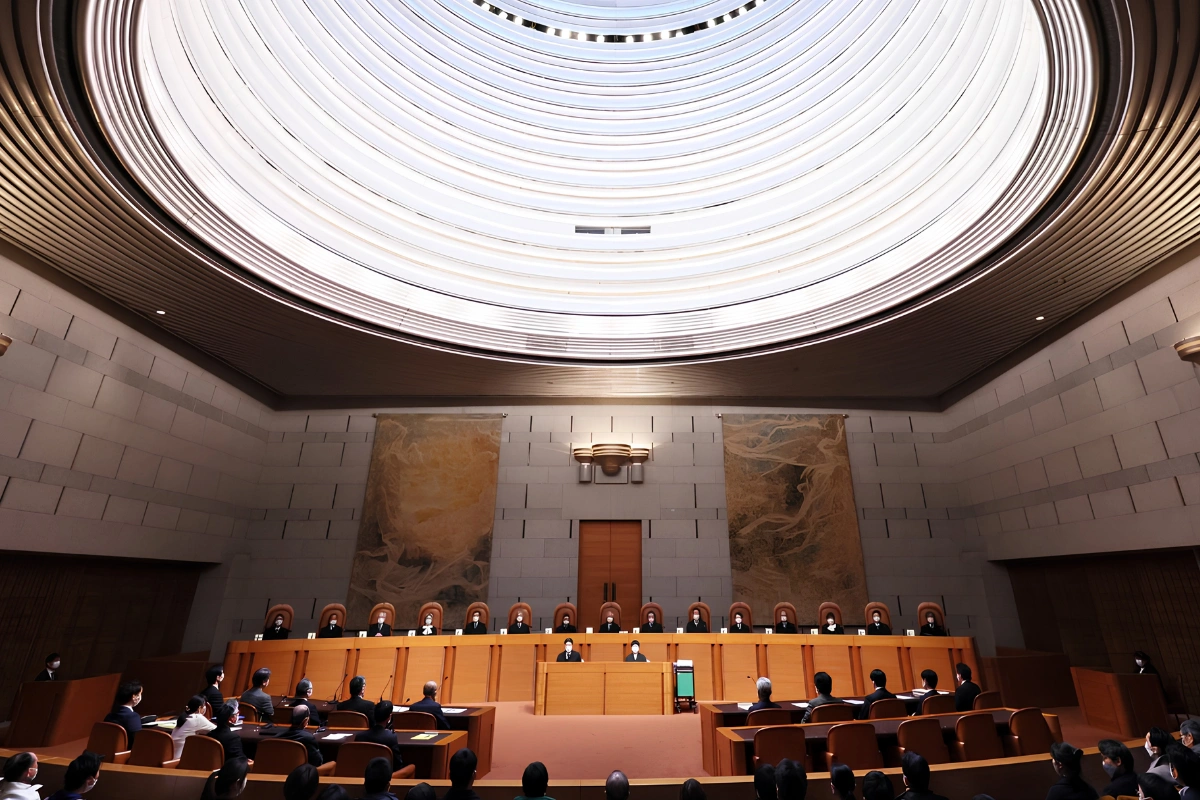
Japan’s Supreme Court Grand Bench ruled that the requirement for people seeking legal gender recognition to have no functioning reproductive glands, or to have permanently lost their reproductive function, was unconstitutional under Article 13 of the Constitution.
The requirement was therefore declared invalid.
This removed one of the most significant physical requirements from Japan’s gender-recognition system. It did not abolish the system itself, nor did it automatically remove its other requirements.
The practical impact became visible soon afterwards.
In February 2024, the Okayama Family Court’s Tsuyama Branch approved transgender man Tacaquito Usui’s request to change his legal gender without undergoing surgery to remove his reproductive organs.
Usui had first applied in 2016. His application was rejected by the family court in 2017, and he subsequently pursued appeals. His case reached the Supreme Court, which rejected his appeal in 2019.
After the Supreme Court’s 2023 ruling, he made a new application. This time, it was approved.
The case demonstrated how the Supreme Court ruling could affect individual applications in practice. However, Usui still had to meet the other requirements of the system. The decision did not mean that surgery was no longer relevant to every aspect of legal gender recognition.
His case became an important example of how changes to Japan’s legal gender-recognition system could affect transgender men in practice, particularly those who did not undergo surgery to remove their reproductive organs.
A further development came in July 2024, when the Hiroshima High Court allowed a transgender woman to change her legal gender without undergoing gender-affirming surgery. The court found that interpreting the appearance requirement as always requiring surgery raised constitutional concerns. They noted that the applicant had undergone hormone therapy and developed physical characteristics associated with her affirmed gender.
The ruling was significant because it showed that the appearance requirement remained subject to constitutional challenge even after the Supreme Court’s 2023 decision on the separate reproductive-function requirement.
The appearance requirement then faced a further constitutional challenge in September 2025, when the Sapporo Family Court ruled it unconstitutional in two cases.
This requirement concerns having external genitalia resembling those of the gender a person wishes to be legally recognized as. The court found that requiring people to undergo physical treatment to satisfy the condition could interfere with their bodily autonomy.
However, this was a decision in individual cases rather than a ruling by the Supreme Court. It therefore did not itself rewrite the national statute.
The Current Position
As checked on 29 September 2026, the Courts of Japan’s official guidance continues to list the statutory criteria for legal gender recognition. It notes that criterion 5, concerning the reproductive glands, is invalid following the Supreme Court’s 2023 ruling. The appearance requirement remains listed as criterion 6 despite the 2025 Sapporo Family Court decision.
A 2025 bill proposed removing the minor-children requirement, the reproductive-function requirement, and the appearance requirement. However, the official House of Representatives record shows that the bill was not enacted.
At the time of writing, the underlying statute has therefore not been comprehensively rewritten to reflect the recent court decisions.
What This History Means for Transgender Life in Japan Today

The history of gender diversity in Japan is long and complex. But it is not a single, unbroken story of people having the same experiences under different names.
People in different periods used different language, lived within different social expectations, and understood gender in different ways.
What we now think of as transgender life in Japan developed through several overlapping changes: older forms of gender diversity, modernization and reclassification, the emergence of postwar communities and terminology, the development of medical gatekeeping, and the gradual recognition of transgender identities in law.
Understanding that history puts contemporary transgender life into context.
Today’s transgender communities and identities are part of a much longer history, while also being shaped by the specific social, cultural, medical, and legal environment of modern Japan.
Today, transgender life in Japan encompasses diverse experiences, including those of transgender women, transgender men, and people whose identities fall outside a strictly binary framework. Their experiences with healthcare, legal recognition, family, work, and community can differ considerably.
If you’re looking for practical information about transgender life in Japan today, see our dedicated guide. You can also explore our guides to X-Gender identity in Japan and accessing gender-affirming HRT in Japan. Also, read our coverage of Japan’s transgender history exhibition.