


Netflix’s “Midnight Swan” is a must-watch Japanese transgender film
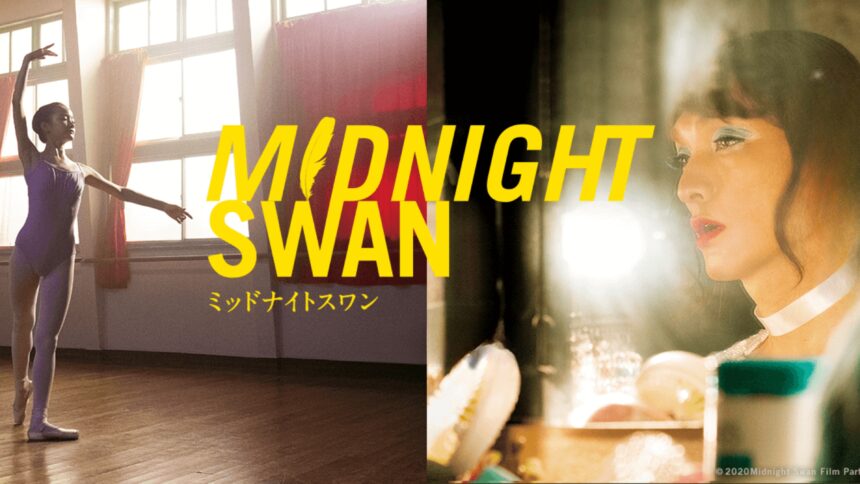
Midnight Swan is a Japanese film about Nagisa, a transgender woman living quietly on the outskirts of Tokyo. One day, she ends up taking in a neglected young girl named Ichika, and the two unexpectedly begin living together.
At first, things are awkward between them since they’re basically strangers. But over time, through everyday life, they slowly grow closer. Ichika eventually discovers ballet, which becomes a way for her to express her emotions and find her place in the world. At the same time, Nagisa, as a transgender woman, begins to confront her own loneliness and the challenges she faces in society. Having someone she wants to protect starts to change her.
However, their peaceful life doesn’t last long, and they’re both forced to face harsh realities. Their relationship, which goes beyond their relationship, leads them toward a bittersweet and deeply emotional turning point.
This transgender-themed film is available exclusively on Netflix. Originally released in 2020, it stars Tsuyoshi Kusanagi, with Hana Hattori delivering a powerful and delicate performance alongside them. Directed and written by Eiji Uchida, the film quietly but deeply explores human emotions. Set in Tokyo, it’s a transgender human drama that focuses on identity, family, and survival.
The difficulty of living as a transgender person
What does it really mean to live as your true self as a transgender person?
This film shows just how difficult life can be for transgender individuals.
What stood out to me most is how those struggles become even more intense within close relationships, especially with family. For many transgender people, it’s not just society but also family expectations that create deep emotional conflict.
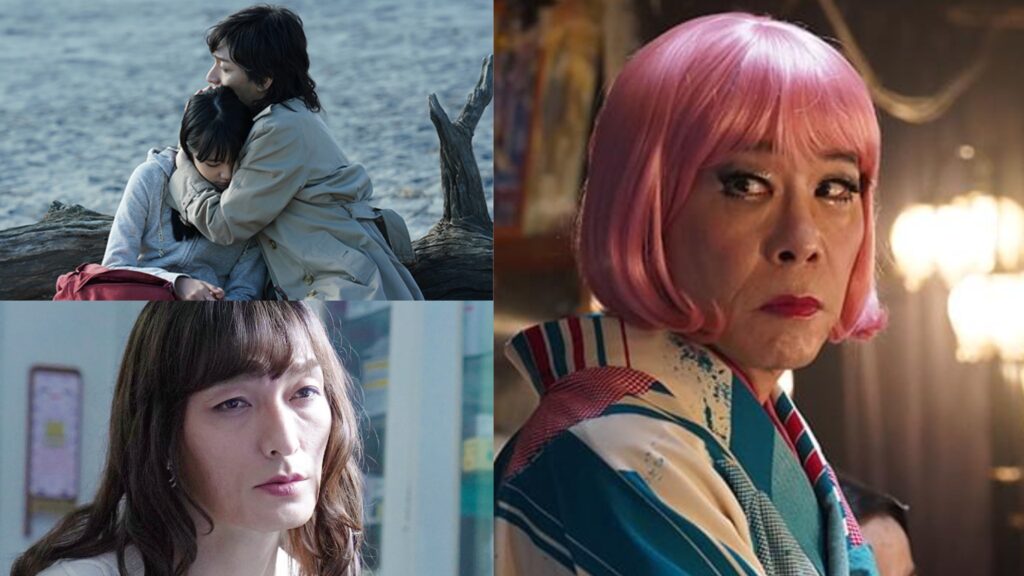
One of the film’s biggest strengths is how it portrays a form of family that isn’t based on blood. Nagisa, a transgender woman, and Ichika start as strangers, but through the time they spend together, they build a bond that doesn’t need many words. It’s subtle, but it hits hard emotionally.
Ballet is also more than just a hobby for Ichika. It becomes a way for her to express herself and grow. Through her journey, the film adds another layer to its transgender narrative by showing how identity and self-expression can evolve.
The film also highlights real issues that transgender people face, along with the harsh environments some children grow up in. It never feels overly dramatic or preachy. Instead, it presents these transgender experiences in a quiet, honest, and realistic way.
If you’re into emotional, character-driven dramas, this is definitely for you. It’s especially powerful if you like slower, more reflective films that leave a lasting impression. It also makes you think deeply about what it means to be transgender, what family really is, and what it takes to live authentically.
“The Naked Director “ Eiji Uchida

Japanese film director and screenwriter Eiji Uchida was born in Rio de Janeiro and spent his early childhood moving around Brazil because of his father’s job. He returned to Japan at the age of 10 and grew up in Oita Prefecture, where he reportedly experienced bullying due to language differences. During middle school, he became fascinated with movies, which eventually led him into the world of filmmaking.
After attending a vocational school, he entered the TV industry and worked on variety shows before spending time traveling abroad. He later worked as a writer, made his debut as a screenwriter in 1999, and became a film director in 2004. In the 2010s, his films like Greatful Dead 和 Lowlife Love gained recognition at international film festivals, bringing him global attention.
In 2020, Midnight Swan, which he both directed and wrote, won Best Picture at the Japan Academy Awards and became a major talking point.
Uchida also worked as a supervisor and writer on the Netflix series The Naked Director. The show is based on the life of real-life adult video director Toru Muranishi, and it explores the behind-the-scenes world of Japan’s adult entertainment industry, as well as his rise to success under strict regulations. While the content is quite explicit, it gained a lot of attention both in Japan and internationally for its mix of entertainment and strong human drama.
Overall, Uchida is known for portraying people on the margins of society and those struggling to find their place. This theme is clearly reflected in both Midnight Swan 和 The Naked Director.
Thoughts on transgender identity and my impressions of the film

This is not a movie you can sum up in just one sentence. Prejudice and discrimination against transgender people are certainly even more complex in the real world, but this film portrays that pain in a way that feels almost too real. At times, it’s honestly hard to watch, and that’s what makes it so impactful.
One thing I personally felt, even if it’s not the main focus of the film, is that the child is forced to carry way too much of the burden created by adults. Seeing Ichika affected by the choices and struggles surrounding a transgender life and the adults around her was really heartbreaking.
What stayed with me the most, though, was Nagisa’s love as a transgender woman. The idea that someone cannot be a mother simply because they are transgender or not biologically related is deeply questioned in this film. It shows that love is not defined by gender or biology.
The film makes it clear that even as a transgender person, the desire to protect someone and the willingness to sacrifice everything for them are real. That kind of unconditional love is at the heart of this story.
Everyone will take something different from this transgender film, but it’s the kind of movie that I think everyone should experience at least once.
It’s an easy recommend!