

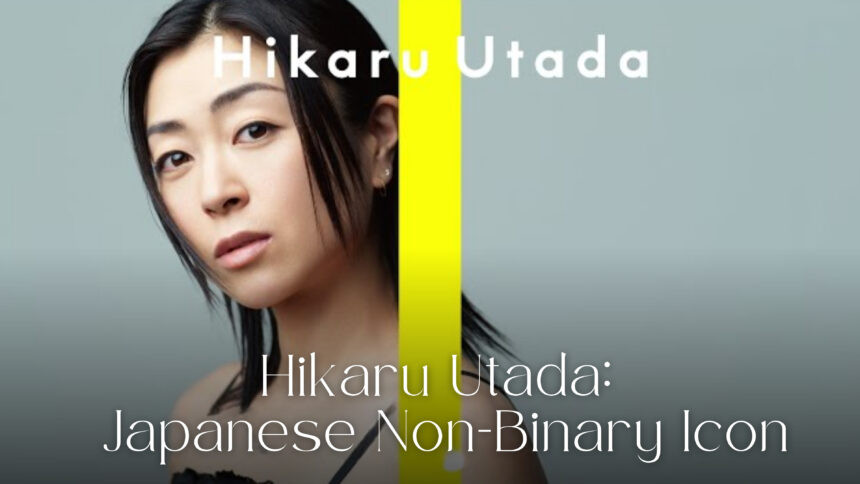

One of the most prevalent lies peddled by weirdos on social media is that in Japan, so-called “Western gender issues” don’t exist. Anyone who has lived here for any significant amount of time knows that this isn’t true in the slightest. One of the prime examples of this is one of Japan’s most iconic singers and public figures, Hikaru Utada. Let’s take you through the life and times of our favorite non-binary pillar of the Japanese entertainment world!
Career and Music
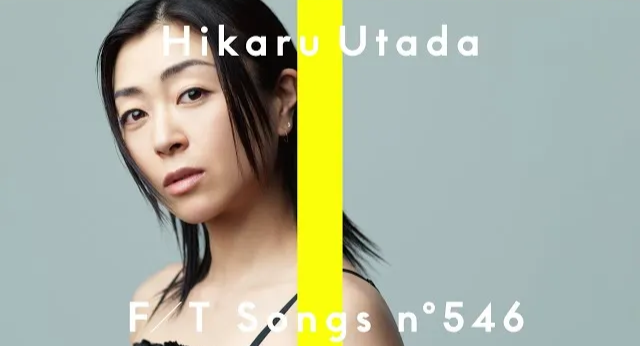
Born in the big 1983 to Japanese parents in New York City, their parents were already deeply involved in the Japanese music industry, as their father was a producer and their mother was a famous enka singer (a form of traditional Japanese music and singing that is considered extremely beautiful, but very difficult to do).
As such, they were introduced to music from an early age. Aged just 15, the bilingual Utada signed they first record contract to release Precious, their English-language debut album. The next year, they released t debut Japanese-language album, First Love. It has since gone on to become the best selling Japanese album of all time.
Their follow-up album, Distance, went on to become Japan’s fastest-selling album ever, and was also a smash hit in other countries. They were such a smash hit that their talent was specificially requested to create not one, not two, not even three, but four theme songs for the smash hit Kingdom Hearts video game series by SquareEnix.
At the end of the 2000s, they were declared to be “the most influential artist of the decade” when it comes to Japanese music — and they weren’t done yet. They have continued their streak as one of the most successful musical artists in Japanese history well into the 2020s. So iconic that they are also known by the mononym “Utada,” they have become something of a living legend both in Japan and abroad for their talent and dedication.
Non-Binary Royalty
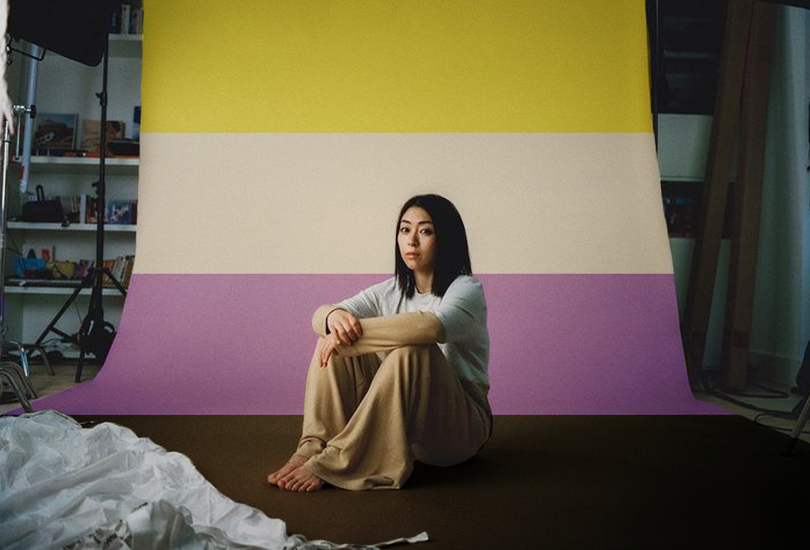
In 2021, Utada revealed on a livestream that they are non-binary, and while they use she/her pronouns, their preference is they/them, though it’s not especially important to them. They later clarified that they don’t especially care for gendered honorifics in English, such as “Ms.” or “Mrs.”, explaining:
“It makes me uncomfortable to be identified so markedly by my marital status or sex, and I don’t relate to any of those prefixes. Every time, I feel like I’m forced to misrepresent myself… After writing thus far I looked it up and discovered that “Mx.” (pronounced as “mix”) has been suggested! That’s awesome and I hope it becomes more widely used.”
The strength of Utada’s personality, talent, and position in the industry meant that people stood up and took notice. In 2022, they responded to their staff using their pronouns correctly in a Tweet saying:
“I just noticed they’re using ‘they/them’ for me! I’m personally not so hung up on pronouns, but it’s really cool for a Japanese label to be doing this :😎:”
Our beloved monarch has also recently said that they identify as “tri-bi: bisexual, bilingual, and non-binary.”
Such a prolific and adored figure as Utada being so open and honest about their identity is something of a rarity in Japan, but it is also deeply appreciated. As one Twitter user wrote:
“It feels meaningful because conversations around gender identity are still so rare in Japan. I hope more people there, everywhere, get the freedom to define their gender.”
Utada is not just the Japanese songstress of a generation (sorry, Ayumi Hamasaki) but is also one of the most high-profile people challenging the gender binary in a nation that has still yet to even recognize marriage equality, let alone widely accept non-binary or X-gender people. For many non-binary people — in Japan and elsewhere — who are looking for recognition, they are an inspiration to Keep Tryin.