
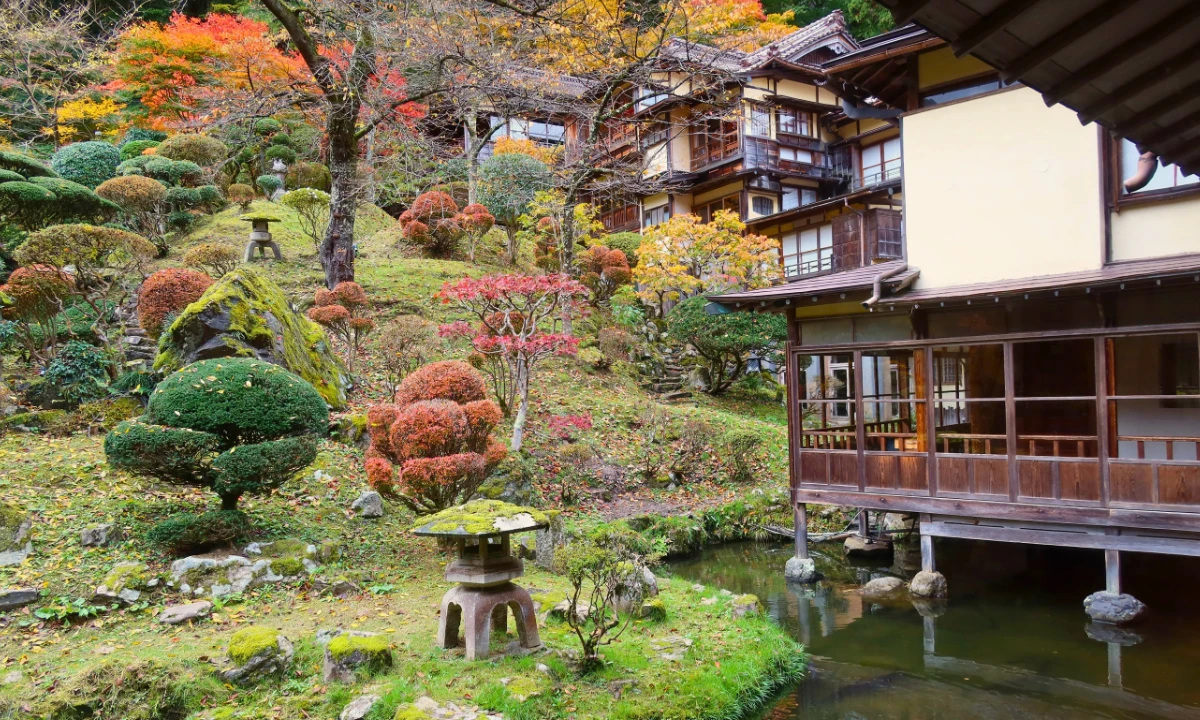

Spending some time relaxing at a traditional Japanese ryokan during your busy trip to Japan sounds like a slice of heaven. But is it possible for LGBTQ+ travelers to enjoy this experience?
Simply put: yes. LGBTQ+ travelers and same-sex couples can stay at ryokan in Japan, although the evidence of how welcoming each property is varies.
Some ryokan explicitly identify as LGBTQ+-friendly, others are recognized as such by tourism organizations or booking platforms, and some offer private baths that may make the stay more comfortable.
This guide focuses on ryokan with clear evidence of LGBTQ+ inclusion. We’ll also look at private bathing options, which can be particularly important for couples, transgender travelers, and nonbinary guests.
How We Chose LGBTQ+-Friendly Ryokan
Rather than listing every ryokan with a private bath, we’ve selected properties with identifiable evidence that they welcome LGBTQ+ guests.
Each ryokan falls into one of three categories:
- First-party LGBTQ+ statement: the ryokan itself explicitly communicates LGBTQ+ welcome or inclusion
- Official tourism designation: an official tourism organization identifies the property as LGBTQ+-friendly
- Booking-platform LGBTQ+ policy: a major accommodation platform states that the property welcomes LGBTQ+ guests or guests of all sexual orientations/gender identities
These categories describe where the evidence comes from, not how welcoming one ryokan is compared with another.
Private bathing is considered separately. Having a private bath can make a stay easier, but it doesn’t automatically mean a ryokan is LGBTQ+-friendly.
Our list is intentionally selective. Properties without sufficiently clear LGBTQ+-welcome evidence have been left out, and inclusion here does not mean Japan Gay Guide has rated these ryokan for luxury, food, service, price, or overall quality.
| Ryokan & area | LGBTQ+ evidence | Private bathing | Best practical fit/key limitation |
|---|---|---|---|
| Kirishimaya Ryokan – Kusatsu, Gunma | First-party LGBTQ+ statement; publication/update date not established; last checked September 2026 | Private bath available; the property also discusses individual bathing concerns | Best for: readers prioritizing direct inclusivity evidence. Individual arrangements should still be confirmed |
| Sawanoya Ryokan – Yanaka, Tokyo | Official tourism designation; current listing checked September 2026 | Two reservable private baths; not documented as onsen | Best for: a traditional Tokyo stay with private bathing |
| Minamitei – Izumisano, Osaka Prefecture | Booking-platform LGBTQ+ policy; current policy checked September 2026 | Official material documents gender-separated hot-spring baths; no private bath mentioned as being included | Best for: an onsen ryokan near Osaka for travelers who do not require verified private bathing |
| Okada Ryokan/Warakutei – Hirayu Onsen, Gifu | Booking-platform LGBTQ+ policy; current policy checked September 2026 | Reservable private onsen, plus Warakutei rooms with private hot-spring baths | Best for: travelers prioritizing private-onsen access |
Ryokan With Credible LGBTQ+-Welcoming Evidence
Kirishimaya Ryokan, Kusatsu
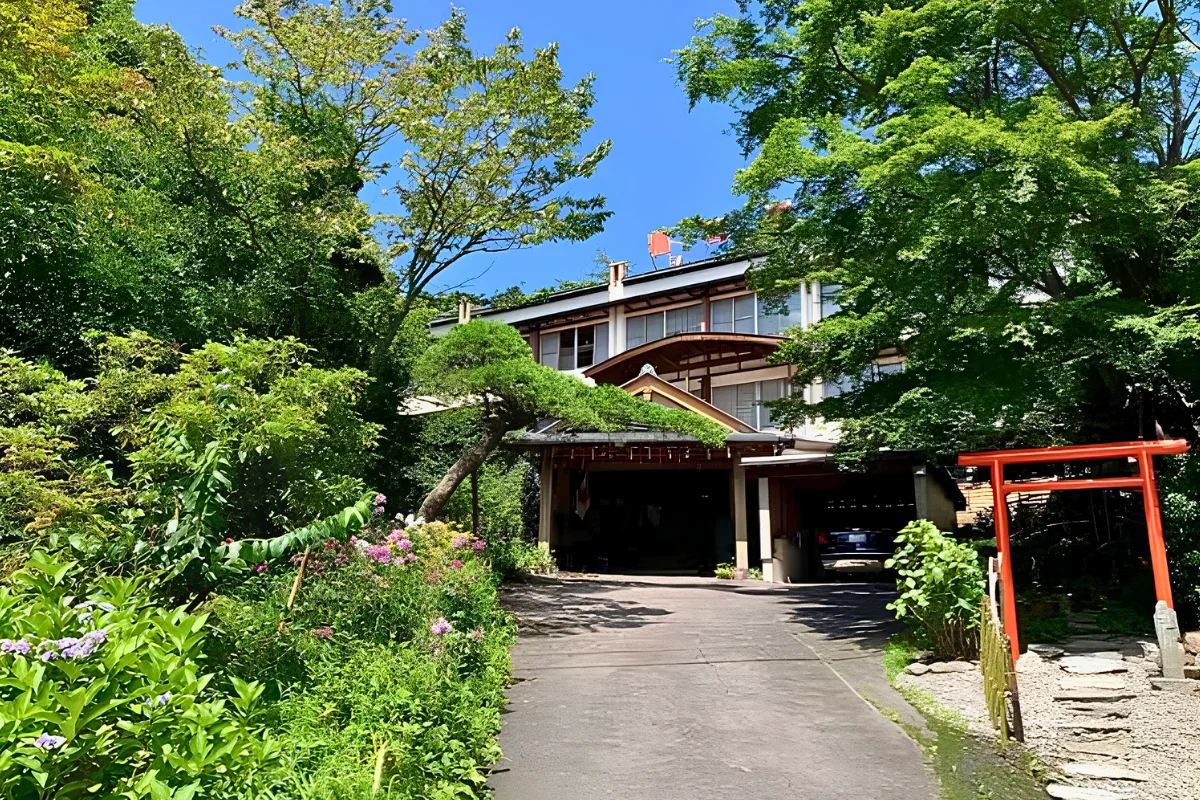
Evidence type: First-party LGBTQ+ statement
Kirishimaya Ryokan is a traditional ryokan in Kusatsu Onsen, Gunma, with explicitly welcoming LGBTQ+ language on its own website. The property says it supports a society free from LGBTQ+ discrimination and supports marriage equality. It also directly addresses transgender guests who may feel uncomfortable using a shared bath.
Kirishimaya has shared bathing facilities, as well as a private bath available for groups of one guest or more. The ryokan also explains that, depending on the timing, staff may sometimes be able to arrange private use of a shared bath. This gives guests options to discuss their individual needs with the property rather than assuming that everyone must use the shared facilities.
Good fit for: readers who place a high value on direct, property-level LGBTQ+ inclusion language and want a traditional onsen destination with private-bathing options
Sawanoya Ryokan, Tokyo
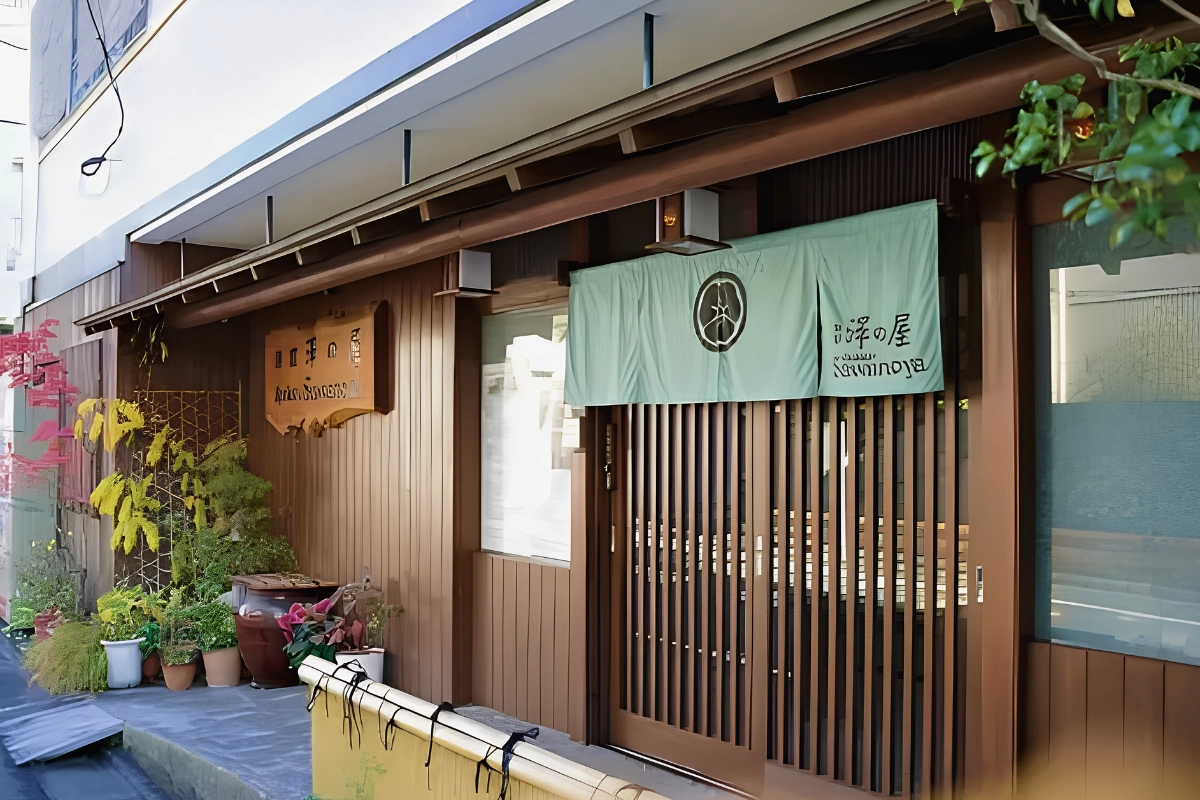
Evidence type: Official tourism designation
Sawanoya Ryokan is a family-run traditional ryokan in Yanaka, Tokyo. Tokyo Tourist Information explicitly labels Sawanoya “LGBTQ friendly,” providing a useful LGBTQ+ designation from an official tourism body rather than a claim made by the ryokan itself.
For guests looking for privacy, official Tokyo tourism information also documents two reservable private baths. This can be particularly useful for couples or anyone who would prefer to bathe privately during their stay.
There is an important distinction, however: Sawanoya is not an onsen resort. The Japan Ryokan and Hotel Association lists the property with two private baths but does not list it as having an onsen.
Good fit for: travelers prioritizing a traditional Tokyo ryokan, an official LGBTQ+-friendly tourism designation, and reservable private bathing rather than an onsen-resort experience
The GO TOKYO information was updated on 25 December 2025. Japan Gay Guide last checked these details in September 2026.
Minamitei, Osaka Prefecture
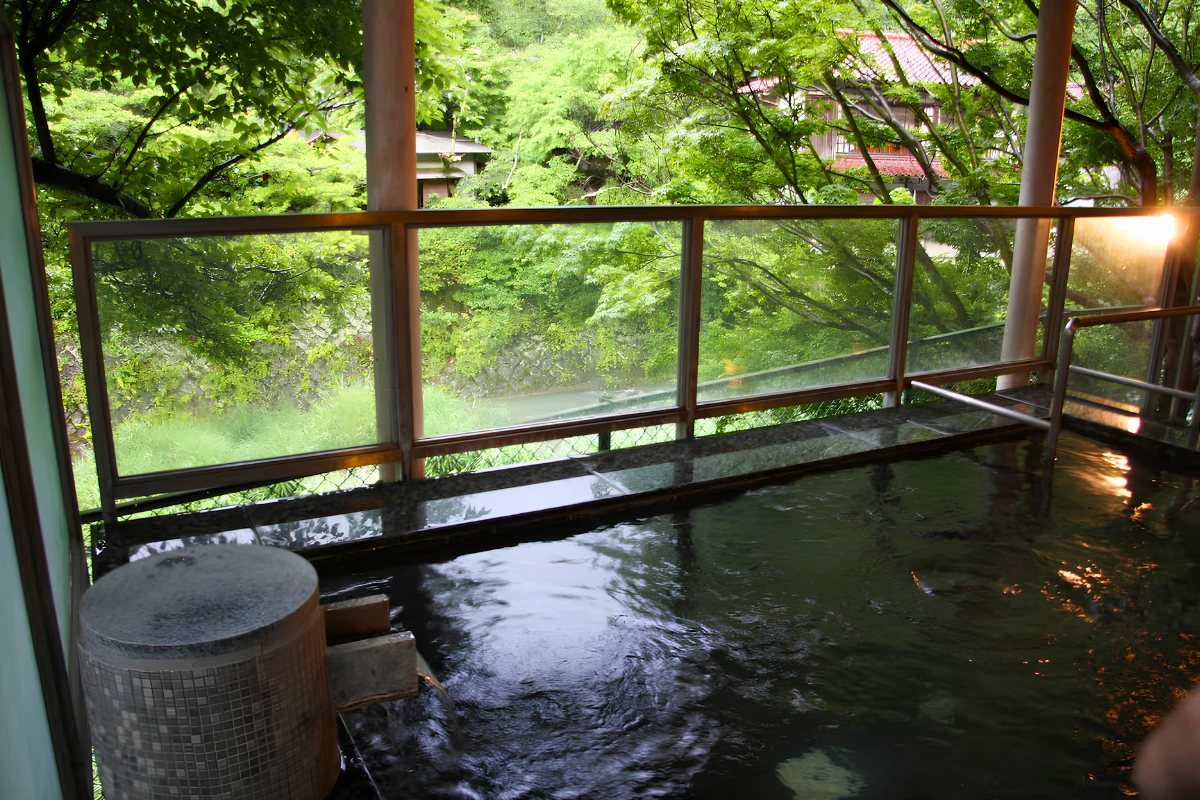
Evidence type: Booking-platform LGBTQ+ policy
Minamitei is a ryokan at Inunaki-yama Onsen in Izumisano, Osaka Prefecture. Expedia currently states that Minamitei is affiliated with the International LGBTQ+ Travel Association (IGLTA) and welcomes LGBTQ+ guests. This information comes from Expedia, rather than from a direct LGBTQ+ statement on Minamitei’s own website.
For bathing, Minamitei’s official spa information describes separate men’s and women’s hot-spring facilities. No private bath has been verified in the approved source package, so guests who specifically need private bathing should confirm the current options directly with the ryokan before booking.
Good fit for: travelers who want an onsen ryokan within reach of Osaka and are comfortable with, or can use, the verified gender-separated bathing arrangement
The Expedia policy was last checked in September 2026. No publication or update date was established for the policy wording, so it should not be presented as newly issued.
Okada Ryokan/Warakutei, Gifu
Evidence type: Booking-platform LGBTQ+ policy
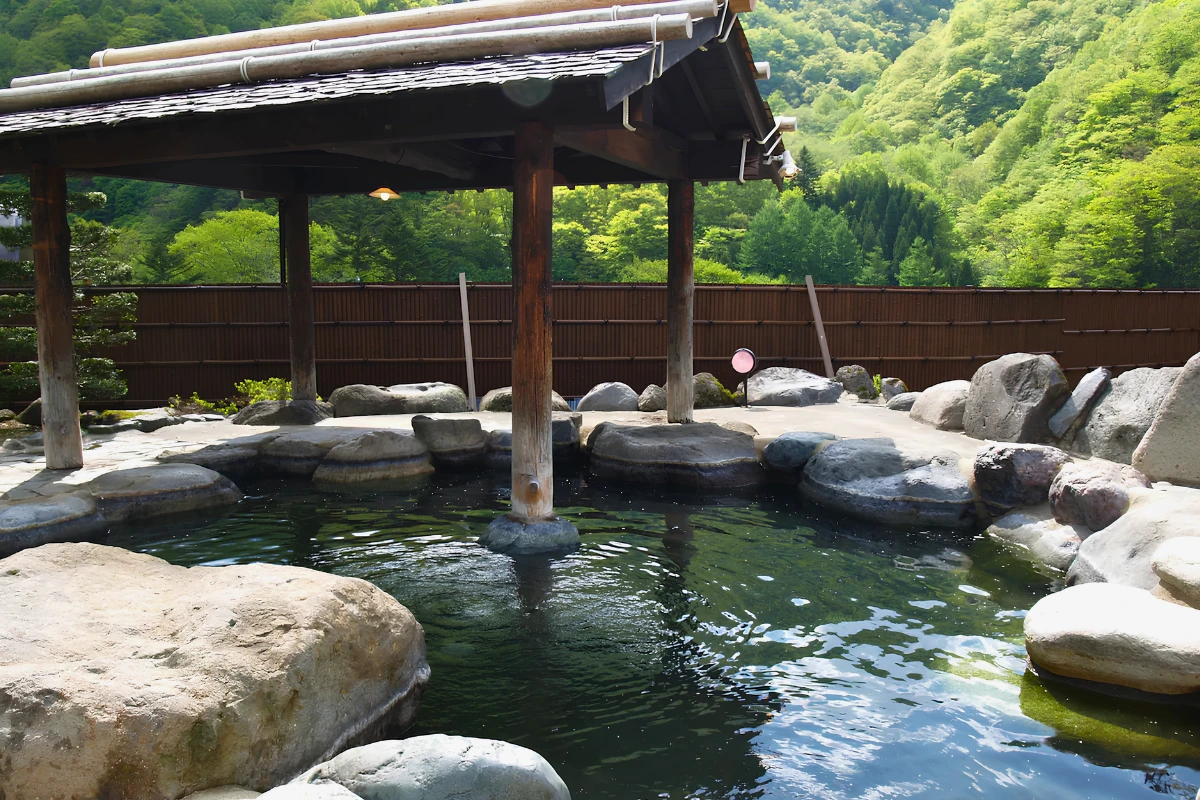
Okada Ryokan/Warakutei is located in Hirayu Onsen, Takayama, Gifu Prefecture. Hotels.com currently states that the property welcomes guests of all sexual orientations and gender identities. This LGBTQ+ wording comes from the booking platform, rather than the official ryokan website.
The property has particularly strong options for private bathing. Its official website describes reservable private hot-spring baths, while Warakutei also offers rooms with their own private indoor and open-air hot-spring baths. The reservable private baths are first-come, first-served and may not be available for guests checking in late, so planning is recommended.
Good fit for: couples or travelers who place a high priority on private hot-spring access and want either a reservable private bath or a room with its own hot-spring bath
The Hotels.com policy was last checked in September 2026. No publication or update date was established for the policy wording.
Private Onsen and Gendered Baths: What Changes for LGBTQ+ Travelers
Most public onsen baths and changing rooms in Japan are separated by gender, as described by the Japan National Tourism Organization.
For LGBTQ+ travelers, particularly transgender and nonbinary guests, this can raise questions about privacy, comfort, and access. Same-sex couples may also prefer a private bath where they can relax together rather than using separate communal facilities.
However, not every private bath is an onsen, so it’s worth understanding the terminology before booking.
- Ordinary private bath: A bath reserved for your own use, but the water does not necessarily come from a natural hot spring
- Reservable private bath (kashikiri): A bath that guests can use privately for a set period or when it is available. Reservation rules, fees, and session lengths vary
- Private open-air bath: A bath in an outdoor setting. This describes its location, not whether it uses hot-spring water
- Private onsen or private hot-spring bath: A private bathing facility that the property confirms uses hot-spring water
The ryokan in this guide show why these differences matter.
Sawanoya offers private baths, but they aren’t documented as onsen. Kirishimaya and Okada Ryokan/Warakutei offer private hot-spring options, while Minamitei’s verified bathing facilities are gender-separated communal hot springs.
Private bathing may allow couples to bathe together and can offer a more comfortable option for transgender or nonbinary travelers who would prefer not to use shared facilities.
Still, everyone’s needs are different. If a particular bathing arrangement is important to you, ask the ryokan about its facilities and access rules rather than assuming all properties operate in the same way.
Tattoos are another detail worth checking. Rules vary between properties and sometimes between different baths at the same property. Confirm the policy for the exact facility you plan to use.
Remember that private bathing and LGBTQ+ inclusion are separate considerations. Ideally, choose a ryokan that offers both a clear indication of LGBTQ+ welcome and bathing arrangements that meet your needs.
What to Check Before Booking a Ryokan
Once you’ve found a ryokan that appeals to you, a few simple checks can help you avoid surprises.
1. Check the LGBTQ+ evidence
Look at why the property is described as LGBTQ+-friendly.
Is there a direct statement from the ryokan, an official tourism designation, or a booking-platform statement?
These are all useful sources of information, but they don’t carry exactly the same weight. Check the original source where possible and see when the information was last verified.
2. Check exactly what type of bath is available
Don’t assume that “private bath” means “private onsen.”
Before booking, check:
- Is it an ordinary private bath or a hot-spring bath?
- Is it attached to your room or separately reservable?
- Can two guests use it together?
- Do you need to reserve it in advance?
- Is there a time limit or additional fee?
If using an onsen is one of the main reasons for your stay, confirming the water source is especially important.
3. Ask about communal bathing, if needed
If gender-separated bathing affects your comfort or access, contact the ryokan to ask about its facilities and procedures.
Some properties offer private bathing, while others may be able to discuss individual arrangements. Don’t assume that a general LGBTQ+-friendly statement answers every question about bathing access.
4. Check tattoo rules
If you have tattoos, confirm the rules for the bath you intend to use.
A property may have different rules for communal and private facilities, so a general statement about tattoos may not tell you everything you need to know.
5. Check the room type
Traditional ryokan rooms often have tatami flooring and futon bedding.
If you have a particular preference for bedding or room facilities, check what is included in the room you’re booking. This is especially important when choosing a ryokan that offers private hot-spring baths only in certain room types.
Where possible, use the ryokan’s official website for the latest information about rooms, bathing facilities, and reservations. If you need the property to confirm something important, keeping its written reply can also be helpful.
Useful questions to ask
If you’re unsure about a property’s facilities, a short message before booking can save you a lot of uncertainty.
Ryokan Booking Inquiry
English:
Hello,
We are two adults planning to stay in one room as a same-sex couple. We would like to use the [private reservable bath/in-room hot-spring bath] together.
Could you please confirm how to use or reserve it, whether there is a time limit or extra fee, and whether any tattoo or access rules apply?
Thank you.
Japanese (日本語):
こんにちは。
私たちは同性カップルの大人2名で、同じお部屋に宿泊する予定です。
2人で一緒に[貸切風呂/客室内の温泉風呂]を利用したいと考えています。
利用方法や予約方法、利用時間の制限、追加料金の有無、タトゥーや入浴に関するルールについて教えていただけますでしょうか。
どうぞよろしくお願いいたします。
Choose the type of bath you want to ask about before sending: 貸切風呂 (kashikiri-buro) means a reservable private bath, while 客室内の温泉風呂 means an in-room hot-spring bath.
If you’re concerned about gender-separated facilities, you can also ask:
English:
I would prefer not to use the shared gender-separated baths. Are there any private bathing options available?
Japanese (日本語):
男女別の大浴場の利用は避けたいと考えています。貸切風呂など、プライベートに入浴できる施設はありますか?
You don’t need to disclose personal details beyond what is necessary to explain your requirements.
With the right information and a little planning, a traditional ryokan stay can be a relaxing part of your trip to Japan.
And if a ryokan isn’t quite what you’re looking for, there are plenty of other accommodation options to explore. For more ideas, check out our guide to gay-friendly hotels in Japan.