


Kemono, literally the Japanese word for “beast” or “animal,” is now used by some as the Japanese equivalent of the furry subculture. It is more complicated than a straightforward translation, though. Those who are used to furry culture in the west will find some similarities, but more than a few differences.
Those who are new to or curious about the kemono subculture will also find a lot of terminology that can be confusing. What is kemonomimi? What is a kemonā? Where can you meet other kemono lovers in person? What kemono events can you attend? That’s what we’ll teach you in this article.
What Does Kemono Mean in Japanese Fandom?
As mentioned above, kemono can mean beast, or used as an alternative for animal, written using the kanji ‘獣.’ You should not assume that if you hear “kemono” while in Japan that that person is interested in furry culture. They may simply be using it to describe an animal.
However, when it is used to describe Japan’s furry (or furry-like) community, it is written in katakana, ‘ケモノ.’ This easily distinguishes it (at least online) from more generic usage of the word. The term kemono is used to describe not only the culture itself, but also as an adjective for art, characters, and events.
Like the western furry community, there is no ‘authority’ that makes hard and fast distinctions between what is and is not kemono.
For example, according to the Japan Meeting of Furries (JMoF), the broad definition of kenomo (or furry) is “an animal character that displays human characteristics.” This can include characters from the anime BEASTARS, in which animals that walk on two legs exist in an otherwise human-like world. But it can also include Kyubey from Magical Puella Magi Madoka Magica, a cat-like creature that can speak human language. They are very different types of character, but both can be considered kemono.
A benefit to this flexibility is that the kemono community is incredibly creative when it comes to creating characters, art, fursuits, and events.
Kemono vs. Furry: Same Idea, Different Context?
As mentioned, there is a significant overlap between the concepts of kemono and furries. Some people will use the terms as translations for one another in casual conversation. Many western furry fans will use the word kemono to specifically refer to the Japanese ‘furry’ subculture. This is much like how westerners will use the word “anime” to signal that a cartoon is from Japan. “Furry,” however, is often used internationally as an umbrella term.
The term “kemono-style” can similarly be used to describe artwork or other creations by a westerner in a more Japanese-looking style. “Kemono-style” may also describe a work that fans abroad may think of as kemono, but which the Japanese creator did not intend.
The influence of animation on furry and kemono culture is one major similarity that they both share. However, like animals with a common ancestor, their evolution has taken different branches, creating similar but distinct communities.
For example, one significant difference between the two is the relatively late blooming of open kemono events. In the US and western Europe conventions started in the late 1980s and have been growing in attendance, awareness and popularity to the current day. However, in Japan, conventions for the kemono community were rare until the late 2000s.
This gap has been partially attributed to the “Pokémon Doujinshi Incident.” In 1999, Nintendo sued an artist and a printing company who produced and sold a Pokémon fan-comic (known in Japan as 同人誌). Japanese creators have historically been somewhat lenient when it comes to fan works, and so this shocked the wider 同人誌 community, but especially those involved with kemono fan works.
The chilling effect that the lawsuit had meant that kemono fans were reluctant to hold a convention in Japan until the late 2000s. Today, however, there are many events in Japan where domestic and international kemono fans can gather. There are also many active online spaces for kemono fans.
What Is a Kemonā?
One term that those interested in kemono culture may have come across is “kemonā.” Kemonā (written ‘ケモナー’ in Japanese) is a term used to describe a fan of kemono works, or a member of the kemono community.
However, not all kemono fans identify as kemonā. Be cautious in applying the label to others in person: if someone mentions they enjoy Zootopia, that doesn’t necessarily make them kemonā.
Additionally, there is ongoing debate on who can or should be called kemonā. What is the difference between kemonā and another subcategory, kemonomimi?
Kemono vs. Kemonomimi
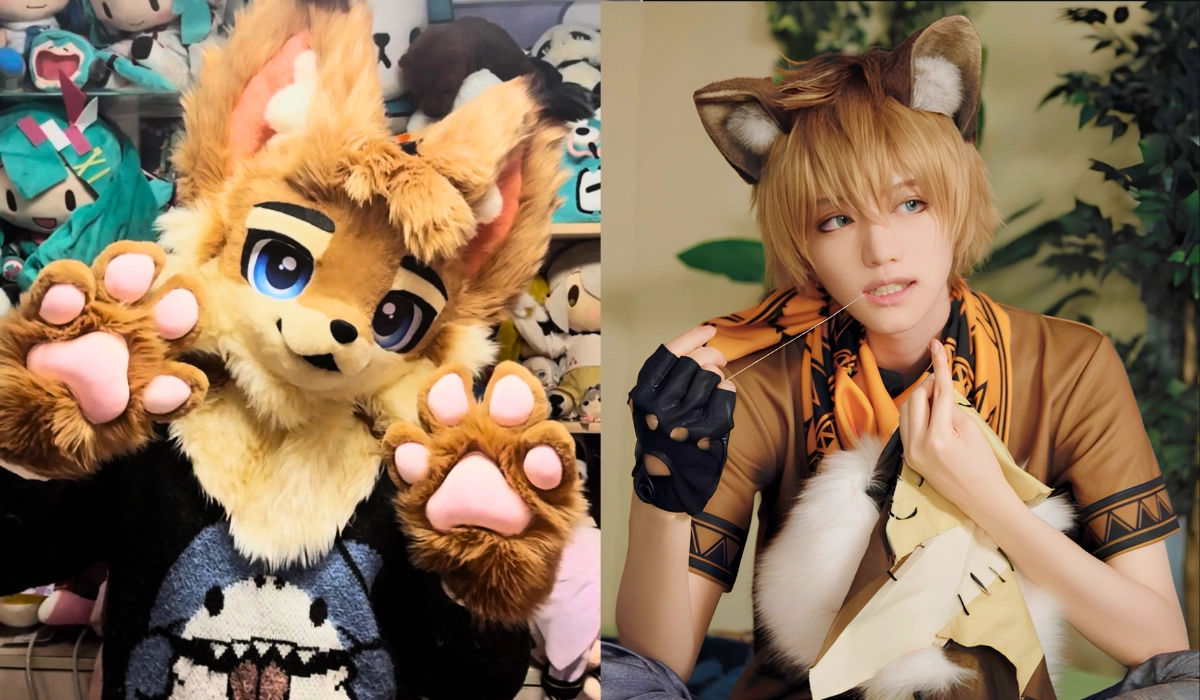
"Kemonomimi” literally means “beast ears.” It is used to describe characters, costumes or personae that are mainly human in appearance but with some animal attributes. These can include ears, tails, horns, or paws, for example. The character may also act in a stereotypically animalistic way. Examples of kemonomimi characters include the cast of the anime Umamuseme: Pretty Derby そして Felicia from the fighting game series Darkstalkers.
These are also flexible in definition, as where one person’s kemono ends and kemonomimi begins will vary depending on the individual. This flexibility, though, means there is some controversy regarding the kemonā definition.
Some kemonā believe that only fans of more animalistic kemono creations should be kemonā. They would regard fans of kemonomimi to be part of a different type of subculture, and don’t enjoy being described as having the same interests. These feelings will vary from person to person, however.
What Makes Kemono Art and Fursuits Look Distinctive?
Just as the interests and vocabulary between furries and kemonā have distinctive differences, so do kemono art and fursuits.
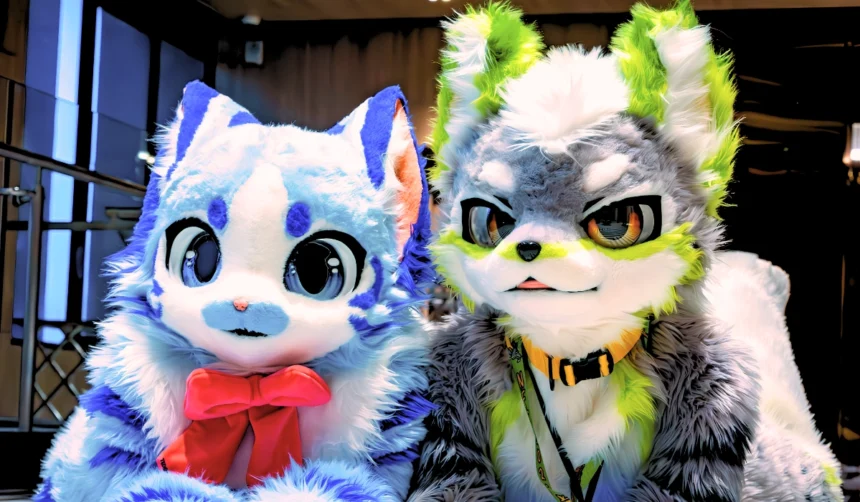
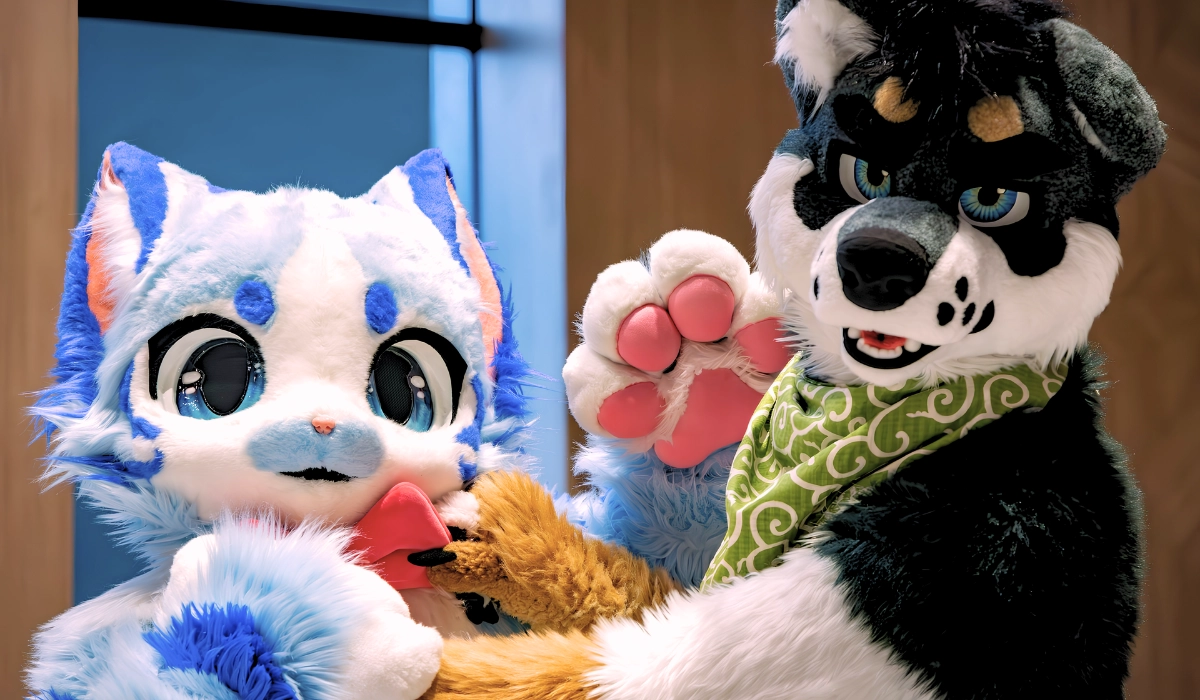
Due in part to the differences in western and Japanese animation, kemono works tend to be very colorful, have shorter muzzles, and have larger, more expressive eyes. This can be referred to as ‘kemono-style’ outside of Japan. That being said, what works well when drawn or animated does not necessarily translate well into a real-life costume. This means that there can be some differences in drawings and fursuits.
Nevertheless, fursuits in a kemono-style will often share similar attributes as kemono art. These will include exaggerated eyes, bright colors, and will often emphasize the “cute” aspects of the character. The pile length — the length of the ‘fur’ — will also typically be shorter than western fursuits. These are generalities rather than rules.
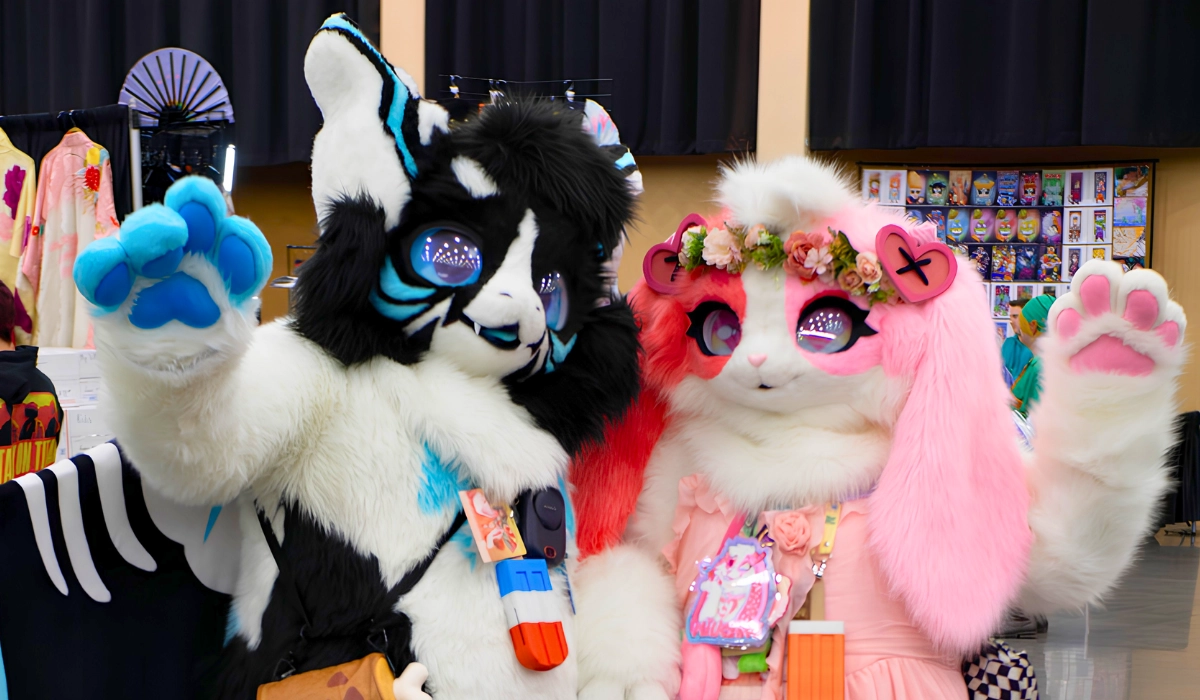
Fursuits are costumes made by furries and kemonā to dress as their favorite characters, or even their own creations. Many furries and kemonā consider them prized possessions, though one need not own a fursuit to be a furry or kemonā.
Similarly, a fursuit or work of art can meet any or all of these conditions (and more) without being kemono. Again, it depends on the views of the community and the creator, which may not always align.
How People Participate in Kemono Culture in Japan
Kemono culture has grown and spread over the past few decades thanks to online communities. But there are plenty of opportunities in real life for fans and participants to meet and have fun. Fursuits optional, of course!
There are formalised events, such as kemono conventions, that attract large numbers of fans. The same is true of 同人誌 conventions and markets. These are attended not only by visiting ticket holders, but by artists, performers, collectors, and photographers. Events like these are great places to make new friends and share your interests.
東京の gay district of Shinjuku Nichome is also home to 肉球. PAWPADS is a gay kemonā bar that sees LGBTQ+ nightlife and kemono culture crossover joyously. Anyone is welcome, and no fursuit is required!
Art, Original Characters, and Doujin Culture
Many people discover kemono culture through pre-existing characters through manga, anime, or games. Dedicated fans will often go on to create their own art of these characters or even create their own original characters, often called a ‘fursona.’
Popular kemono artists regularly attend kemono conventions. There, they will sell merchandise, artwork, 同人誌, and may even take commissions, so you can request a specific drawing. Kemonā coming together at these events helps to support and perpetuate the community. Not only are artists supported financially, but they also get a chance to interact with their audience and peers. This helps to improve their work, and makes the kemono community and culture richer.
Fursuits, Photography, Dance, and Performance
Homemade fursuits are usually labors of love, and so creators don’t want to keep them in their closet, gathering dust. Conventions and other public events are chances for those with fursuits to show off their character, their fursuit, and other talents.
Dancing and singing performances — both solo and in groups — are common at kemono conventions. If you are visiting a kemono convention, remember the golden convention rule: cosplay is not consent. Always ask permission to touch someone’s fursuit, or to take a picture outside of designated photography events.
Whether you’re participating in a fursuit or not, always check the convention rules for policies on changing rooms, photography, and safety measures.
Online Communities and Virtual Events
If you can’t attend a convention in person, do not worry. A lot of the kemono community meet and interact online. These can include streaming events, VR meetings, and even old-school chatrooms. You can also buy merchandise from many creators.
One benefit of engaging in kemono culture online is that it offers a degree of anonymity, for those who are starting their journey in the community. It also makes kemono culture accessible to those outside Japan. Be aware, though, that as with many online subcultures, things can and do change.
One such online community is Kemono Club, who hold regular online meet-ups.
The LGBTQ+ Overlap — and Its Limits
Kemono culture is, of course, not exclusive to the LGBTQ+ community, and anyone can join. However, research has shown that globally, queer people appear to make up a disproportionately large segment of the furry community.
In 2018, Furscience collated a number of online studies and surveys that found that non-heterosexual sexualities made up a majority of those who replied.
It is important to note, though, that these were global studies and do not necessarily reflect Japanese demographics. Additionally, an online survey focused on sexuality may attract a sample that is more likely to have LGBTQ+ respondents.
Major Kemono and Furry Events in Japan
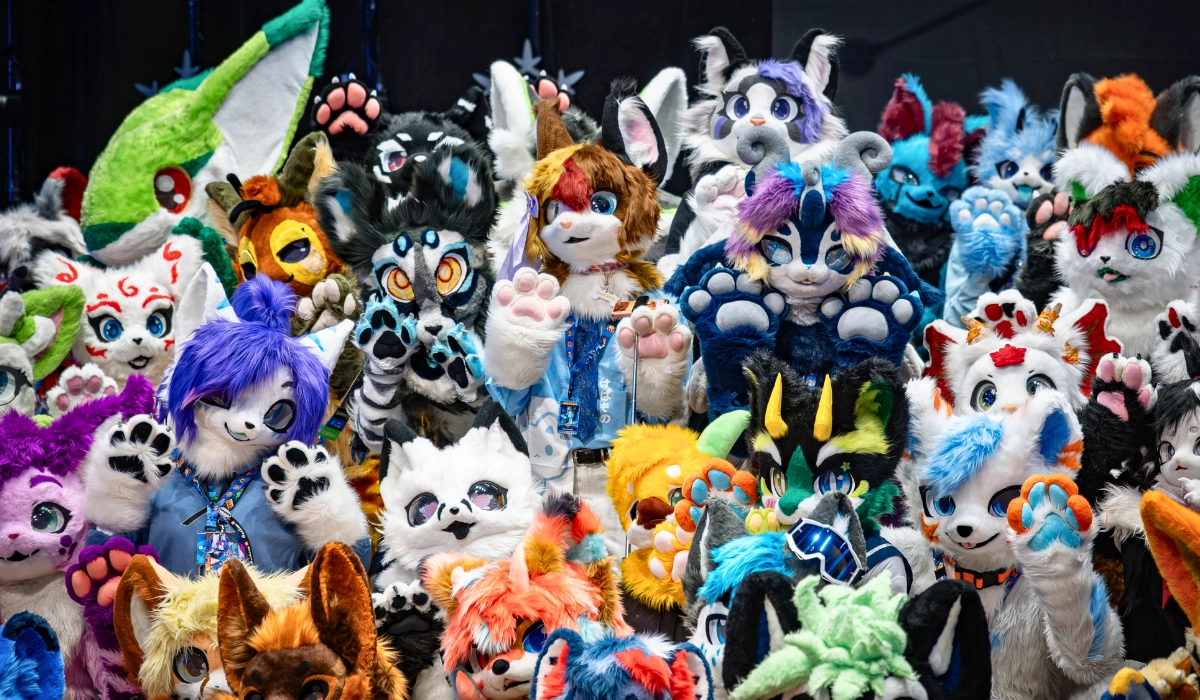
As mentioned, today there are several kemono conventions of varying size across Japan. As such, we cannot list all of them here. Instead, here are three established events that show some of the different ways people participate: the multi-day JMoF and Kemocon gatherings, and the creator-focused Kemoket. Make sure to check the events’ official webpages for up-to-date dates and timings.
Japan Meeting of Furries
First held in 2013, JMoF is a classic example of a major kemono event. A multi-day event, in 2026 it attracted over 2,500 visitors from Japan and abroad. The convention’s guiding principle is, “To make people laugh, to cultivate, and establish.”
JMoF is an event for “both humans and kemono” to see the wide range of fursuits that people have created, as well as discover kemono art from all around the world. Visitors can also take in talks and lectures, to indulge in the academic side of the kemono fandom.
Go to the official website これ for registration and the latest updates on the convention.
Kemocon
Kemocon is a long-running kemono event, and is primarily intended to be a celebratory gathering for fans. It lets members of the kemono community come together to play games and enjoy musical and dance performances. More information can be found on the event’s official website.
Kemoket
Kemoket focuses on kemono-related artwork and comics. It is not a ‘party’ in the same sense that Kemocon is, and so there are more restrictions on cosplay. It is an event meant to support kemono creators, and more specifically doujinshi artists. More information can be found on Kemoket’s official website.
Visitor Etiquette
We’ve touched on this above, but there are some basic niceties and rules that you should follow at a kemono convention:
Each kemono convention has its own rules, so check the official event website before attending. Registration procedures vary, and English-language information or support may also differ between events. If anything is unclear, contact the organizers directly.
Wearing a fursuit does not mean someone has consented to being touched or photographed. Ask before touching a participant or taking a close photo unless the event’s rules clearly state otherwise.
If you plan to wear a fursuit yourself, check the event’s changing and storage arrangements in advance. Some conventions provide designated changing rooms, but facilities and policies vary. Avoid assuming that wearing a fursuit in public outside the event is appropriate.
Hopefully, you should understand what kemono is and how you can be a part of it. If you are interested, why not join the community?