
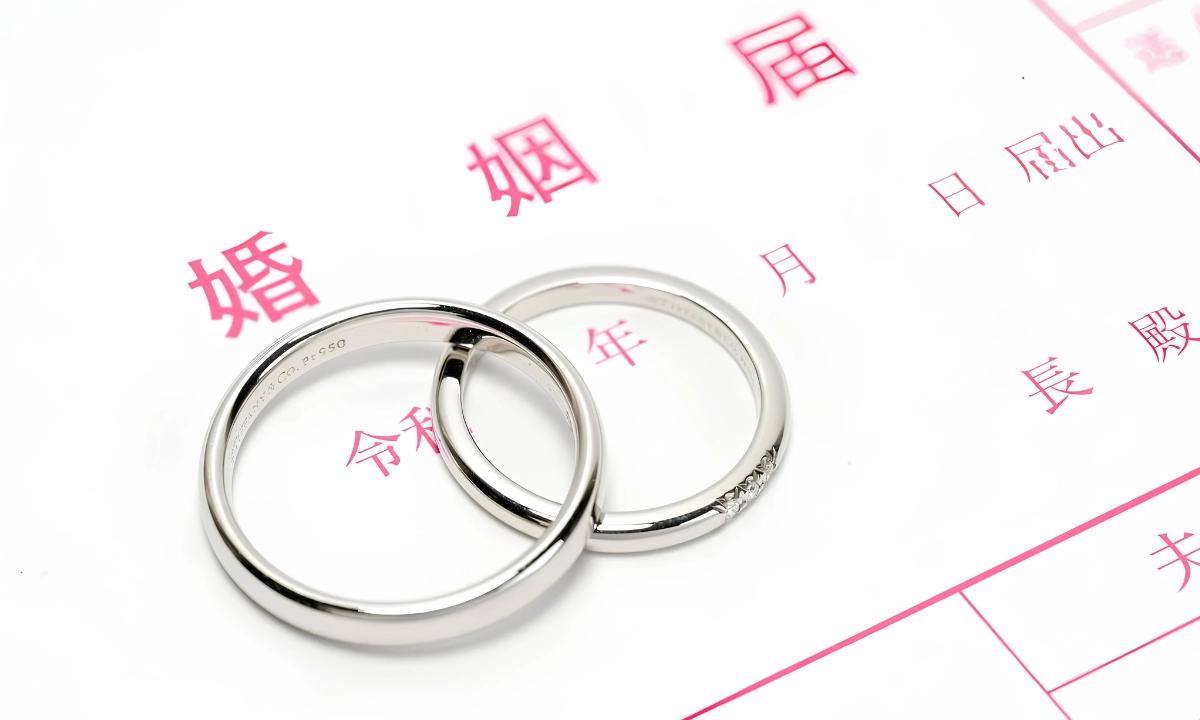

To put it bluntly: no. As of September 2026, same-sex marriage is not currently legal in Japan, and same-sex marriages that have taken place abroad cannot be registered as marriages in Japan.
Japan does have partnership oath systems, same-sex wedding ceremonies are possible, and several courts have ruled in favor of marriage equality. Legally, though, these do not amount to marriage equality being realized in Japan.
In this article, we’ll explain what that means for same-sex couples living and working here, what recognition is available, the progress of legal efforts, and what may happen next.
The Current Status of Same-Sex Marriage in Japan
Japan does not recognize same-sex marriage.
There are many facets behind Japan’s lack of recognition for marriage between people of the same sex. Although homosexuality itself has been broadly legally accepted (except for a brief period in the Meiji Era), marriage equality has never had official recognition.
Not only may you not enter into a same-sex marriage in Japan, but a married same-sex couple from abroad cannot register their marriage and will not enjoy the benefits of marriage that they otherwise would.
While there have been rulings in lower and appellate courts finding that the lack of recognition for same-sex marriage is unconstitutional, these decisions have not changed the existing laws under the Civil Code or the Family Register Act.
You may also have seen same-sex wedding ceremonies performed in Japan, or be aware of the Partnership Oath Certificate system. However, as we will explore further below, neither is the same as a legally recognized marriage.
Marriage equality is of vital importance to the LGBTQ+ community in Japan. It would not only create a national standard, rather than relying on local ordinances, but would also grant many rights not covered under the Partnership Oath Certificate system.
What Does This Mean for Same-Sex Couples?
This is not simply about the use of the word “marriage.” Some rights and responsibilities in Japan are reserved for legally recognized spouses.
Same-sex couples cannot register as a married couple on the koseki, Japan’s family register, which officially records family relationships such as marriage. Inheritance rights, tax benefits, and immigration rights can also differ or require separate arrangements because same-sex marriages cannot be registered in Japan.
Partnership Oath Certificates and some other forms of recognition may help in certain areas, but they do not provide all the legal rights of marriage.
To find out how the law applies to your specific situation, we advise contacting a government authority or lawyer directly. One good point of contact is the Lawyers for LGBTQ & Allies Network, which has English resources.
What Recognition Is Available to Same-Sex Couples?
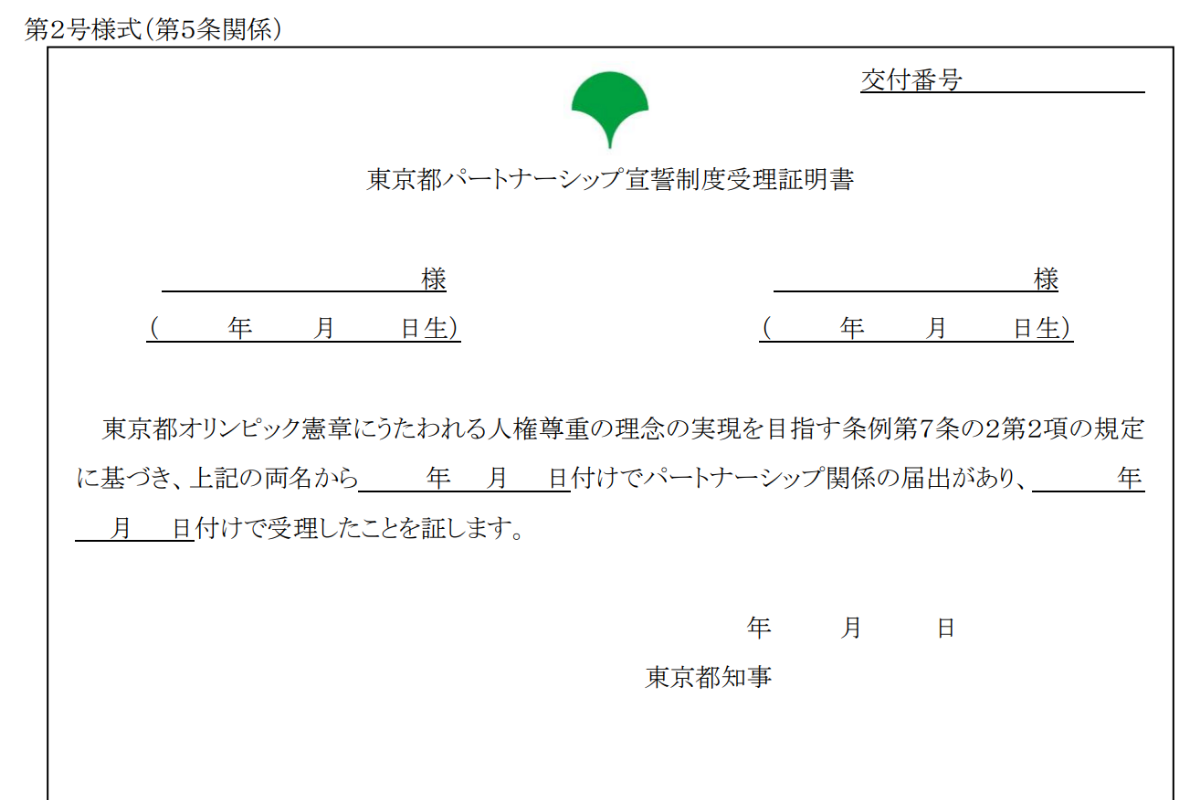
Recognition varies between local governments and organizations. The Partnership Oath Certificate system now covers almost all geographical regions of Japan, but you should check whether your local government has such a system in place and exactly what it offers.
Many companies also offer same-sex couples some or all of the benefits they provide to married couples. However, you will need to check your own company’s policies.
| Form of recognition or action for same sex couples | Available in Japan? | Does it create Japanese national marital status? | Need to Know |
|---|---|---|---|
| Marriage registration in Japan | No | No | Not recognized in Japan |
| Local partnership or familyship certificate | Yes | No | Available across most of Japan; benefits not equal to those of marriage |
| Wedding ceremony | Yes | No | Not offered by all shrines or temples |
| Same-sex marriage performed abroad | N/A | No | Valid where performed but does not create Japanese marital status |
While rare, there is another issue that can arise for couples in which one spouse transitions. Legal recognition of the transition may not be permitted if doing so would result in a legally recognized same-sex marriage.
What Have Japan’s Courts Ruled?

Japanese courts have increasingly ruled against the current lack of marriage recognition for same-sex couples.
There have been six High Court rulings on the issue. Five found the lack of recognition unconstitutional, while one, the second ruling from the Tokyo High Court, found the current system constitutional. Despite their rulings, these courts do not have the power to alter the laws as they stand.
On 25 March 2026, the Supreme Court resolved to consider the six consolidated cases in a Grand Bench hearing, where all 15 Supreme Court judges will convene. The decision of the court is expected in 2027.
The cases mainly concern two provisions of Japan’s Constitution: Article 14, which guarantees equality under the law, and Article 24, which states that marriage is “based only on the mutual consent of both sexes.”
However, even a Supreme Court decision favorable to marriage equality would not itself rewrite Japan’s marriage laws. The Diet would still need to pass legislation.
We have a more detailed article for you here.
Why Hasn’t Japan Legalized Same-Sex Marriage?
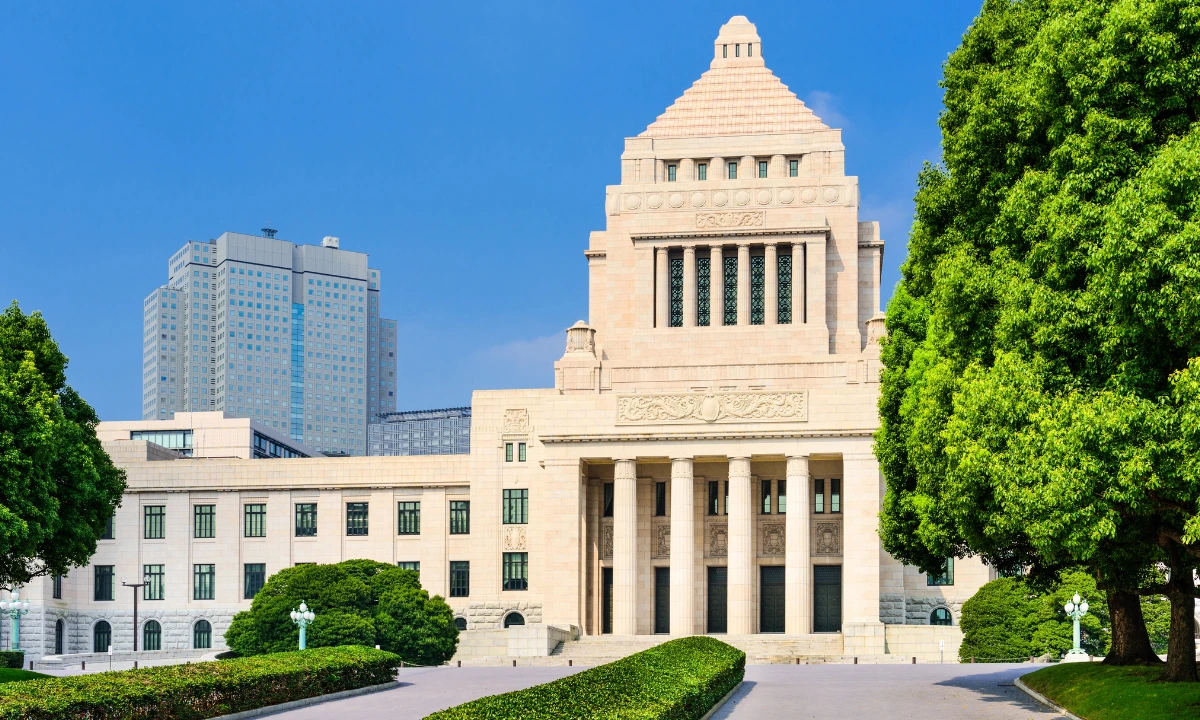
One major issue is that Japan’s Civil Code and Family Register Act currently treat spouses within the framework of opposite-sex marriage. Changing this would require legislative action by the Diet.
Political disagreement also exists over marriage equality and how Article 24 of the Constitution should be interpreted. Some argue that the article was intended primarily to protect individual choice in marriage, particularly by preventing arranged or coerced marriages. Others interpret its reference to “both sexes” as limiting marriage to men and women.
Until the law changes, same-sex couples will continue to rely on local partnership systems and other arrangements rather than having access to a single national system of marriage.
What Could Change Next?
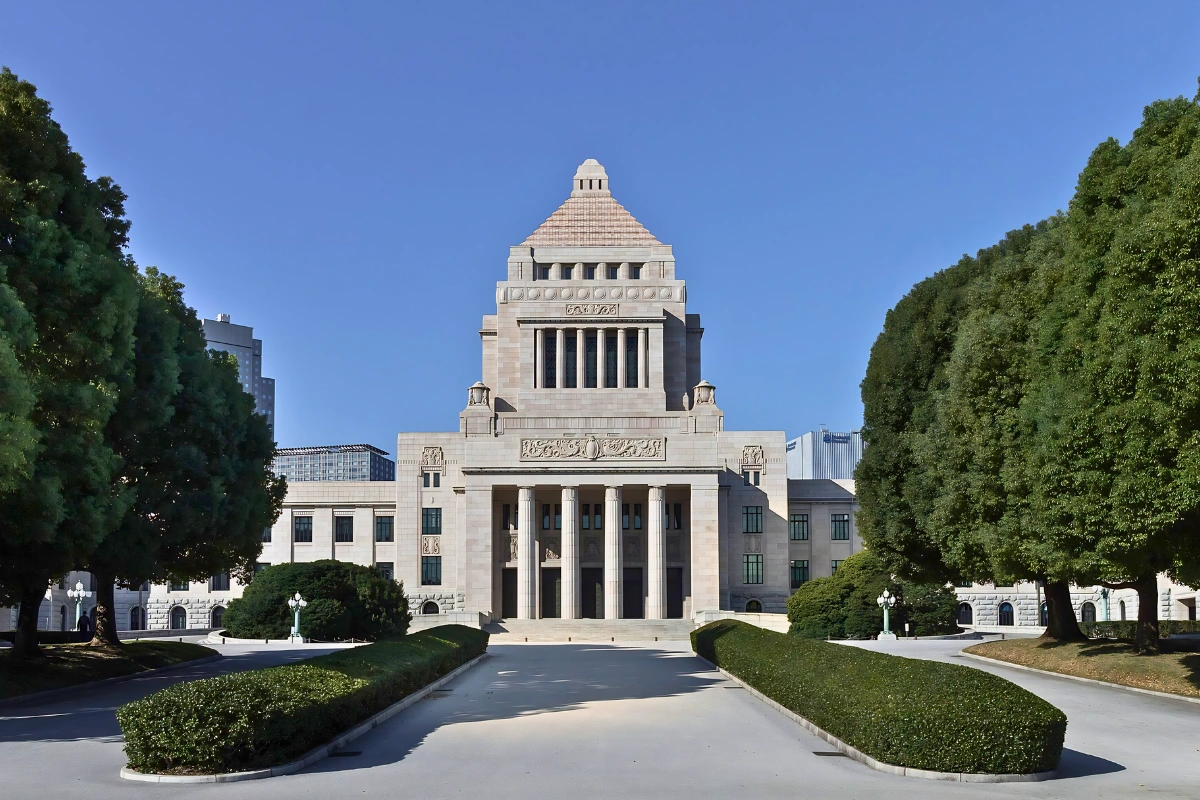
The next major development is expected to come from the Supreme Court, which is considering the constitutionality of Japan’s current marriage laws.
However, even if the Supreme Court delivers a favorable verdict, this does not mean that the law will change immediately. Legislation would ultimately be needed to establish same-sex marriage nationwide.
For now, same-sex marriage remains legally unrecognized in Japan.
Rest assured that we will update this page if, and when, there is new information.
Where to Find Current Information and Legal Help
For up-to-date information on your specific situation, your best course of action is to contact your local authority or the Lawyers for LGBTQ & Allies Network. Marriage for All Japan also provides regular updates on the ongoing legal situation in Japan.
We also have this article on broader LGBTQ+ rights in Japan at the current time.
? Last legally verified on 2 September 2026. This article is for general informational purposes and is not legal advice.