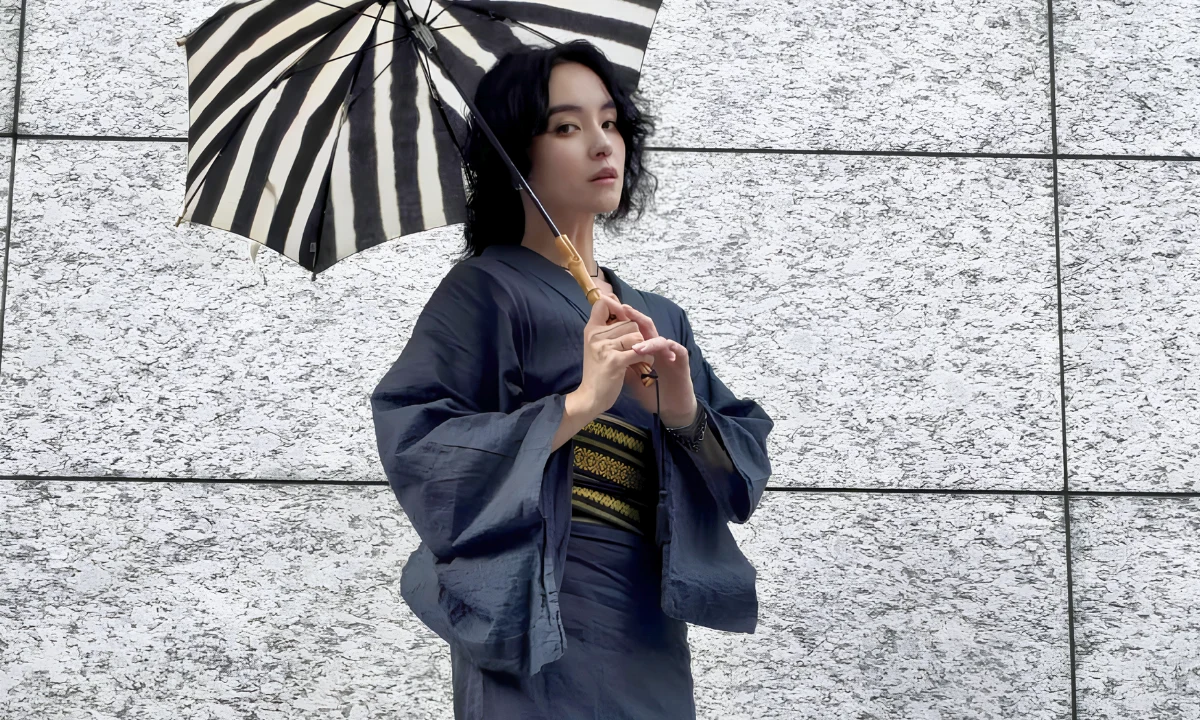

Have you ever looked at the kimono, Japan’s national dress, and thought to yourself, “that looks incredible… but I wish I could wear a kimono made for a different gender”? Well, you are in luck! In Japan, wearing a gender nonconforming kimono is acceptable in many different contexts, such as sightseeing, festivals, and rental experiences. Wearing a kimono that is not traditionally for your gender assigned at birth is not inherently disrespectful or taboo.
It isn’t necessarily a fashion choice that everyone will appreciate. Traditional Japanese clothing (or wafuku) gender conventions are still adhered to closely in some respects, and individual rental shops may have their own rules about who can hire what kimono. More formal occasions, such as weddings or tea ceremonies, may also come with stricter expectations.
Even so, in contemporary Japan, people have been known to use kimono to cross-dress — or even combine gendered aspects of kimono into one outfit. In this article, we’ll take you through what you can expect and what to keep in mind when wearing gender nonconforming kimono in Japan.
Is It Okay, Is It Rude, and Do Japanese People Do It?
Over the centuries, kimono has developed certain gender conventions. Not following them, however, is not generally considered taboo or disrespectful in itself.
Today, there is interest in — and there have been classes for — wearing kimono in ways that cross typical gender lines. This interest is shared by Japanese people themselves, as well as visitors and foreigners living in Japan.
In most casual contexts, kimono styling can therefore be a lot more flexible than you might think.
What Actually Changes Between Men’s and Women’s Kimono
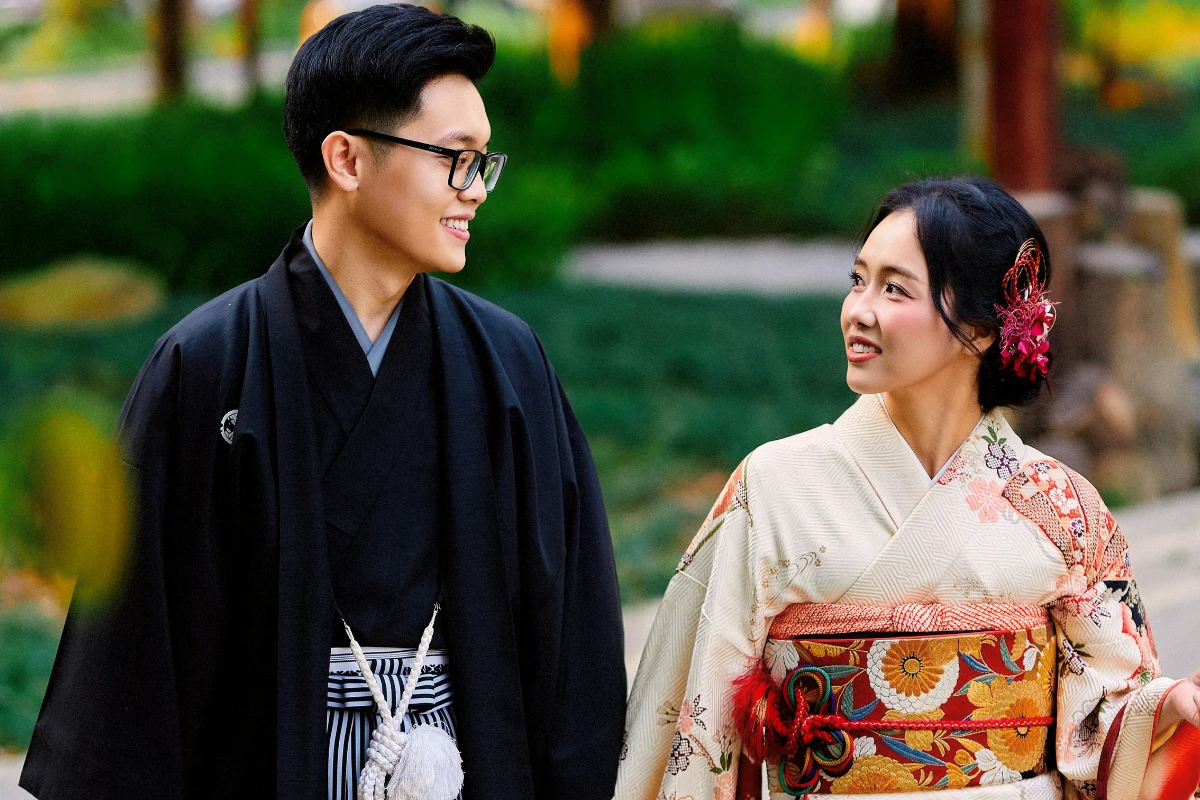
Before we can meaningfully transgress norms, though, we should be aware of what they are. What are the major differences between men’s kimono and women’s kimono?
The most immediately obvious differences to the layman are in the colors and patterns. Men’s kimono often feature darker, more muted colors and simple designs, such as geometric shapes. Women’s kimono, by contrast, often feature brighter colors and more detailed art, including natural imagery.
There are also differences in how the garments are cut, worn, and styled.
| Men’s Style | Women’s Style | |
|---|---|---|
| Length | Fit to height | Longer than body height |
| Has ohashori? | No | Yes |
| Sleeves | Sewn shut at the inner sleeve edge | Open at the inner sleeve edge |
| Obi width/position | Narrow / On the hips | Broad / Across the waist |
| Collar treatment | Worn close to neck | Worn away from neck |
Differences in Cut and Construction
Men’s kimono are generally cut to the length of the wearer’s body. Women’s kimono are traditionally longer than the wearer’s height, with the excess fabric folded around the waist.
This fold is known as ohashori. Historically, women might allow the bottom of the kimono to trail indoors and hitch it up outside to protect the fabric. Today, the ohashori is used to adjust the kimono to the wearer’s height.
The sleeves are also constructed differently. Men’s kimono sleeves are attached to the body down the inner edge, while women’s kimono have an opening between the sleeve and the body.
Obi and Outerwear
Women’s obi are usually wider, tied around the waist, and can feature elaborate knots depending on the occasion. Men’s obi are narrower, simpler, and worn lower on the hips.
Women’s obi may also be accessorized with an obiage and braided obijime, while men may wear hakama, an almost trouser-like garment, below the waist.
Both may wear haori jackets, though historically they were more closely associated with men.
Collar and Silhouette
Men typically wear their kimono with the collar close to the neck. Women usually wear theirs slightly away from the body to expose the nape.
The overall silhouette also differs. Women’s kimono are traditionally styled to create an almost cylindrical shape rather than accentuating curves. Men’s kimono tend to create a boxier silhouette.
All of this means that, if you are looking to subvert gender norms in your kimono, you may need to consider your body length, the garment’s proportions, and the skill of the kimono dresser. It can be a little more involved than simply walking into a rental shop and picking whichever kimono catches your eye.
These are, however, traditional conventions rather than unbreakable rules.
What If You Want an Androgynous or Mixed Look?
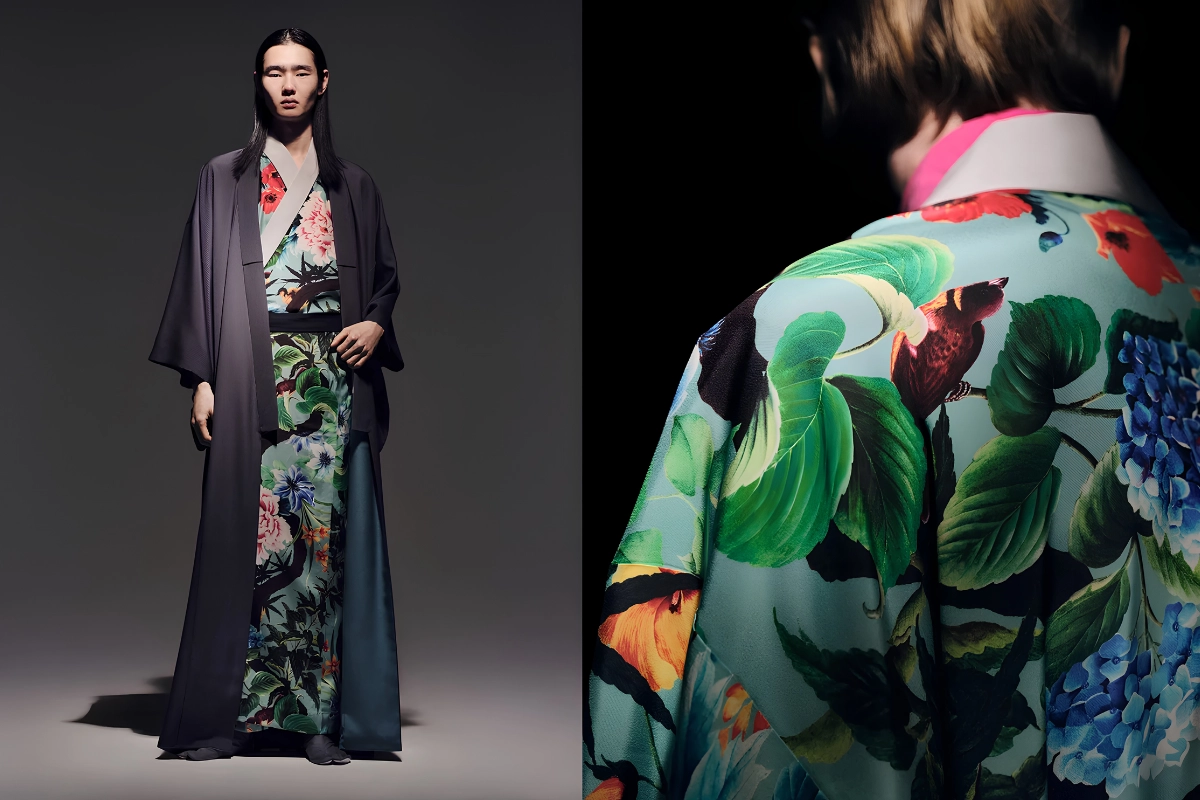
Elements from different gendered styles can be mixed, matched, combined, or omitted to create a unique style all your own.
For example, you might blend a man’s dark-colored kimono with a woman’s broad, colorful obi. Alternatively, you could try mixing a woman’s brighter kimono with a man’s haori or hakama. This kind of dress might work particularly well for nonbinary and genderfluid people.
The proportions and silhouette of your kimono will still be important, so it is a good idea to work with a dresser who can help shape the style you have in mind.
What About Yukata?
Yukata are more casual kimono, usually made from cotton and worn as a single layer. You will often see them at summer festivals, at ryokan (traditional inns), or as part of casual rental experiences.
Some of the same gendered conventions — such as differences in length, color, and obi styling — apply to yukata as well. However, being more casual, they also give you plenty of opportunities to play with your own style.
Rental Shops: Choice Is Possible, Policies Still Vary
There are kimono rental shops that allow customers to choose kimono regardless of gender. However, this is not a standardized practice across Japan.
Even where a dresser is happy to help you achieve the style you want, changing areas, sizing systems, booking plans, and other practical arrangements may still be divided by gender. Some shops may also offer options for one gender that they do not clearly offer for another.
For example, KanoWafuku will dress women in men’s kimono under the men’s plan, but its website does not make it clear whether it offers a similar service for men who want to wear women’s kimono.
Other stores explicitly welcome guests who want to wear gender nonconforming kimono. One example is the Kyoto-based Okamoto Kimono, which encourages customers to enjoy kimono without being bound by gender categories.
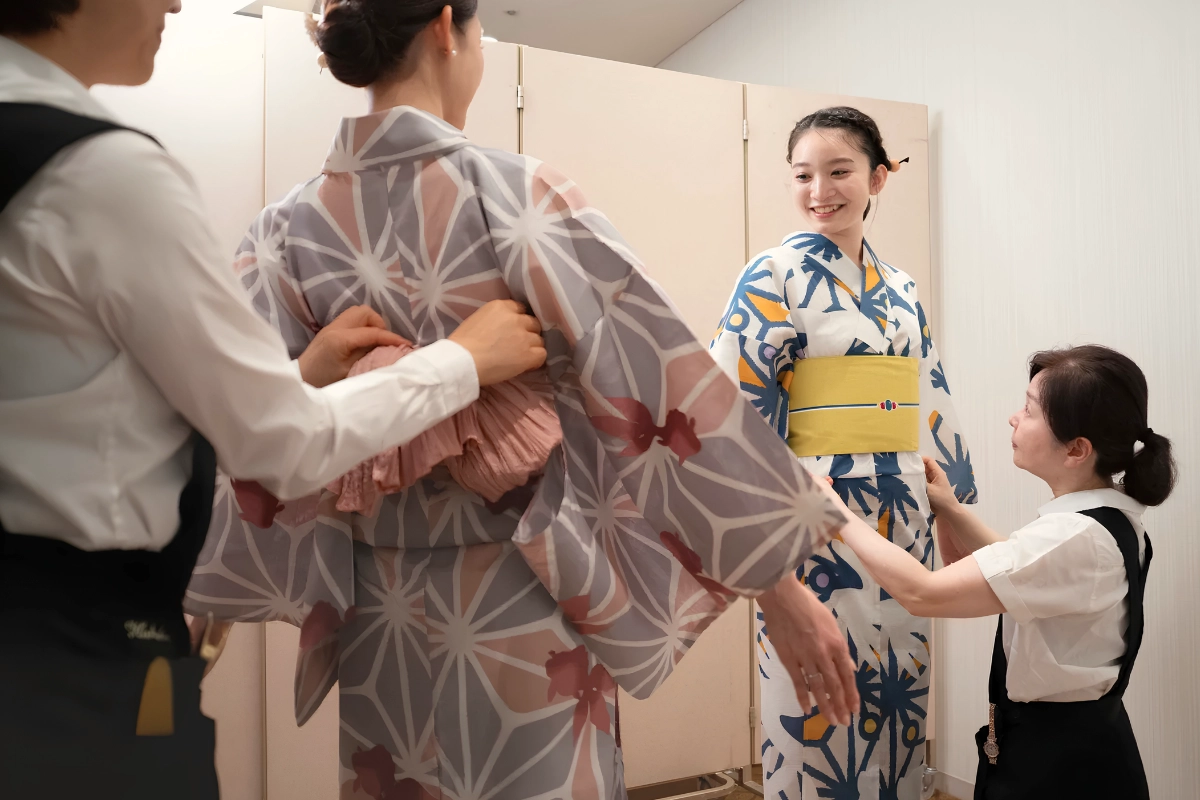
Because policies differ, it is wise to ask a few questions before booking if you want to play with wafuku gender expression:
- Can I choose the men’s/women’s kimono regardless of my gender?
- What body measurements or size ranges do you need from me?
- Can the dresser style the outfit in the presentation I want?
- Do I need to book a particular plan or gender category online?
- Can I choose the obi and accessories I want?
- Are hair and makeup services to match the style I want available?
- How are changing/fitting spaces arranged?
- Can a private changing arrangement be requested if needed?
Trans, Nonbinary, and Gender-Nonconforming Considerations
Even an accommodating kimono rental shop may still have booking systems, changing arrangements, or sizing assumptions based on sex. Transgender, nonbinary, and gender-nonconforming customers may therefore need to give the shop a little more guidance about what they need.
When booking, be clear about any practical requirements you have, as well as the way you want to present in your kimono. Asking about sizing and changing arrangements in advance can save a lot of uncertainty once you arrive.
Some kimono rental shops specifically welcome transgender, gender-nonconforming, and nonbinary people. Friend of JGG Blossom Kimono is one such establishment. Blossom Kimono is a kimono rental and dressing service by Tisha, a professionally accredited kimono expert who focuses on helping transgender, genderfluid, and nonbinary people. Tisha also offers photography and other experiences for clients who want to make more of their kimono day.
When Formality Matters More
By now, hopefully you’ve gotten the idea that wearing a kimono that is not traditionally masculine or feminine in style is not considered scandalous or offensive in and of itself.
This article, however, is mainly aimed at people who want to wear gender-nonconforming kimono while sightseeing, visiting festivals, or attending other casual events. More formal occasions can come with different expectations.
If you are attending a wedding, funeral, coming-of-age celebration, or tea ceremony, for example, you may be expected to dress according to more conventional standards. If you are attending such an event, check with the organizer what their expectations are of guests, and to what extent you can express yourself through your kimono.