
Being bisexual in Japan can be relatively straightforward in everyday life. However, that does not always mean bisexuality is fully understood or recognized.
Many people may experience little direct hostility. At the same time, bisexuality can be easy for others to overlook, misunderstand or make assumptions about. The gender of a person’s current partner can also influence how others interpret their sexuality. A bisexual person with a different-gender partner may be assumed straight, whereas someone with a same-gender partner may be assumed gay or lesbian.
This article focuses specifically on bisexual and bi+ life rather than LGBTQ+ life in general. It combines Japan-specific research and practical information with clearly identified personal experience.
In short
- Legal equality: Important gaps remain, particularly where same-sex relationships are concerned
- Community: LGBTQ+ communities exist across Japan, including some bi+ and pansexual-specific organizing
- Visibility: Bisexuality can be overlooked or misread, including through assumptions based on a current partner
- Everyday life: Experiences vary widely. Overt hostility is only one part of the picture
For more bisexual guides about Japan, visit the Japan Gay Guide Bisexual in Japan hub.
Everyday Bisexual Life in Japan
What bisexual life looks like in Japan can depend heavily on the situation.
Family, friends, workplaces and local communities can all make a difference. So can where someone lives and whether they choose to tell others about their sexuality.
For some bisexual people, sexuality may not come up very often. They may rarely experience direct hostility. At the same time, that does not necessarily mean other people understand or recognize their identity.
A common issue is assumption. Depending on their current relationship, a bisexual person may be read as straight, gay or lesbian. Correcting that assumption can mean explaining or disclosing something they had not intended to discuss.
Sexuality can also be discussed in binary terms, with people expected to be either straight or gay. This creates an important distinction between broad LGBTQ+ inclusion and bisexual visibility. A person may feel safe or accepted while still finding that bisexuality is misunderstood or treated as ‘temporary’.
One reason for this can be language. Japan has several words that may be used to describe bisexuality, but they do not all carry the same meaning or level of familiarity.
How Do You Say Bisexual in Japanese?
If you want to talk about bisexuality in Japanese, useful terms are generally the labels used in LGBTQ+ discussions.
It is also worth remembering that sexual orientation and gender identity are different things. Bisexual describes attraction. It does not describe a person’s gender.
Bisexual, バイセクシュアル and バイ
Bisexuality generally refers to romantic and/or sexual attraction to more than one gender. Not everyone who experiences attraction to more than one gender uses the label bisexual, however.
In Japanese, you may encounter:
- バイセクシュアル (baisekushuaru) – bisexual
- バイセクシャル (baisekusharu) – another katakana form
- バイ (bai) – a shortened and commonly used form
You may also see 両性愛 (ryōaisei) or 両性愛者 (ryōaiseisha), particularly in formal contexts. These are Japanese terms referring to bisexuality or a bisexual person.
In most everyday LGBTQ+ contexts, however, バイ or バイセクシュアル will usually be easier to recognize as an identity label.
Some older or slang expressions also appear online, but they need a little more care.
What Do 二刀流 and 両刀遣い Mean?
Two terms that can cause confusion are 二刀流 (nitōryū) and 両刀遣い/両刀使い (ryōtō-zukai).
二刀流 literally refers to a two-sword fighting style and is now widely used for someone who does two different things or excels in two roles. It can sometimes be used colloquially in a sexual or bisexual sense, but that is not its main modern identity use.
両刀遣い has a dictionary meaning referring to someone attracted to both men and women, alongside other meanings.
Neither term is generally the best choice when respectfully referring to someone’s identity. If you know how a person identifies, it is better to use their preferred term, such as バイ or バイセクシュアル.
Having the right vocabulary does not guarantee that bisexuality will always be recognized. That is where visibility and misunderstanding become more important.
Visibility, Bisexual Erasure and Misunderstanding
One recurring problem is that bisexuality can disappear from view even when a person has explicitly identified as bi.
It is also important not to assume that bisexuality is unusually rare in Japan. One national SOGI survey of 5,339 respondents found that 1.8% identified as bisexual or 両性愛者, compared with 0.4% who identified as gay, lesbian, or homosexual. Although these figures do not represent the entire Japanese population, they show why older claims that bisexuality is less common than homosexuality should be treated with caution.
A useful concept here is monosexism.
Monosexism is the assumption that attraction to only one gender is more normal than attraction to multiple genders. It can make bisexuality difficult for other people to understand, particularly when they expect someone to be attracted to one gender or another.
A 2026 Japanese qualitative study by Saki Yoshimoto explored this issue through interviews with 20 bi+ women in their 20s and early 30s.
Participants described having their bisexuality treated as illegitimate or nonexistent. Some felt caught between disclosing their identity and allowing others to assume something different. Others described difficulty feeling that they belonged fully in either heterosexual or queer communities.
The research is small and focused specifically on younger bi+ women, so it should not be treated as a description of every bisexual person in Japan. Its value is more specific: it illustrates how monosexism and bisexual erasure can affect everyday life.
Personal experience can illustrate this too. The author of an earlier Japan Gay Guide article on bisexual life described people being confused about bisexuality, including how their identity related to being married to a cisgender man.
That experience is personal rather than representative evidence. However, it shows how easily bisexuality can be misunderstood when other people expect someone’s current relationship to explain their sexuality.
Partner Assumptions and ‘Passing’
A person’s current relationship does not determine their sexual orientation. Yet other people often make assumptions based on the partner they can see.
A bisexual person in a relationship with someone of a different gender may be assumed to be straight. Someone in a same-gender relationship may be assumed to be gay or lesbian.
Correcting those assumptions creates another decision. Explaining that you are bisexual may require disclosing information about yourself that would otherwise remain private.
This is why some bisexual people choose not to correct every assumption. That does not necessarily mean they’re hiding their identity. It may simply reflect the effort involved in repeatedly explaining it.
Yoshimoto’s research captures this tension. Participants described being caught between disclosure and being read as attracted to only one gender. Neither option necessarily felt straightforward.
Being assumed to be straight or gay may make a social situation easier in the moment. However, it can also mean having an important part of your identity overlooked.
Well-Being, Visibility and Belonging
A separate 2026 study by Hyungjoo Baek, Nina Takashino and Minakshi Keeni examined life satisfaction among 400 adults aged between 18 and 50 in Japan.
Within the study’s sample, bisexual identity was associated with lower reported life satisfaction.
The researchers discuss limited visibility and exclusion from both heterosexual and homosexual communities as possible contexts for this finding.
There are important limits to what the study can show. It examined participants at one point in time, so it cannot prove that bisexuality causes lower life satisfaction. The study could also explain only part of the differences in life satisfaction between participants.
Alongside Yoshimoto’s research, it suggests that bisexual experiences should not simply be treated as interchangeable with LGBTQ+ experiences as a whole. Visibility, belonging and assumptions about bisexuality can create distinct challenges.
These questions can also affect whether, when and how someone chooses to tell others about their sexuality.
Coming Out, Privacy and Selective Disclosure
Coming out is a personal choice. It is not a required milestone, and it does not have to happen once for everyone.
Many people practice what could be described as selective disclosure. Someone may be open with close friends but private at work. They may tell a partner but not discuss their sexuality with family. Those choices can also change over time.
For bisexual people, there can be an additional complication: other people may believe that a visible relationship already tells them everything they need to know. It does not. Introducing a partner and identifying as bisexual are two different things.
Family and Friends
A family member or friend may accept someone’s partner while still misunderstanding the person’s broader sexual orientation.
There is no single way to handle this. Some people prefer to explain their identity directly. Others would rather discuss their relationships without attaching a label to themselves.
Family responses can vary widely, so it is better not to assume that relatives will be either conservative or accepting.
The same applies in professional life, where privacy can become part of a person’s everyday working boundaries.
Work and Professional Life
A person does not necessarily need to disclose their sexual orientation at work. For some people, sexuality may never become relevant to their professional relationships. For others, it may arise indirectly.
Colleagues may ask about a partner. Company social events may involve informal questions about relationships or family. Forms and benefits may make assumptions about what a relationship looks like.
A bisexual person may decide to correct assumptions, leave them unaddressed, or explain their identity only to selected colleagues. There is no universally correct approach.
Some workplaces may feel comfortable enough for openness. Others may not. Someone may also simply value privacy even in an otherwise supportive workplace. Disclosure does not need to be all or nothing.
Dating introduces its own questions, particularly around when bisexuality comes up and the assumptions potential partners may bring with them.
Dating and Relationships as a Bisexual Person in Japan
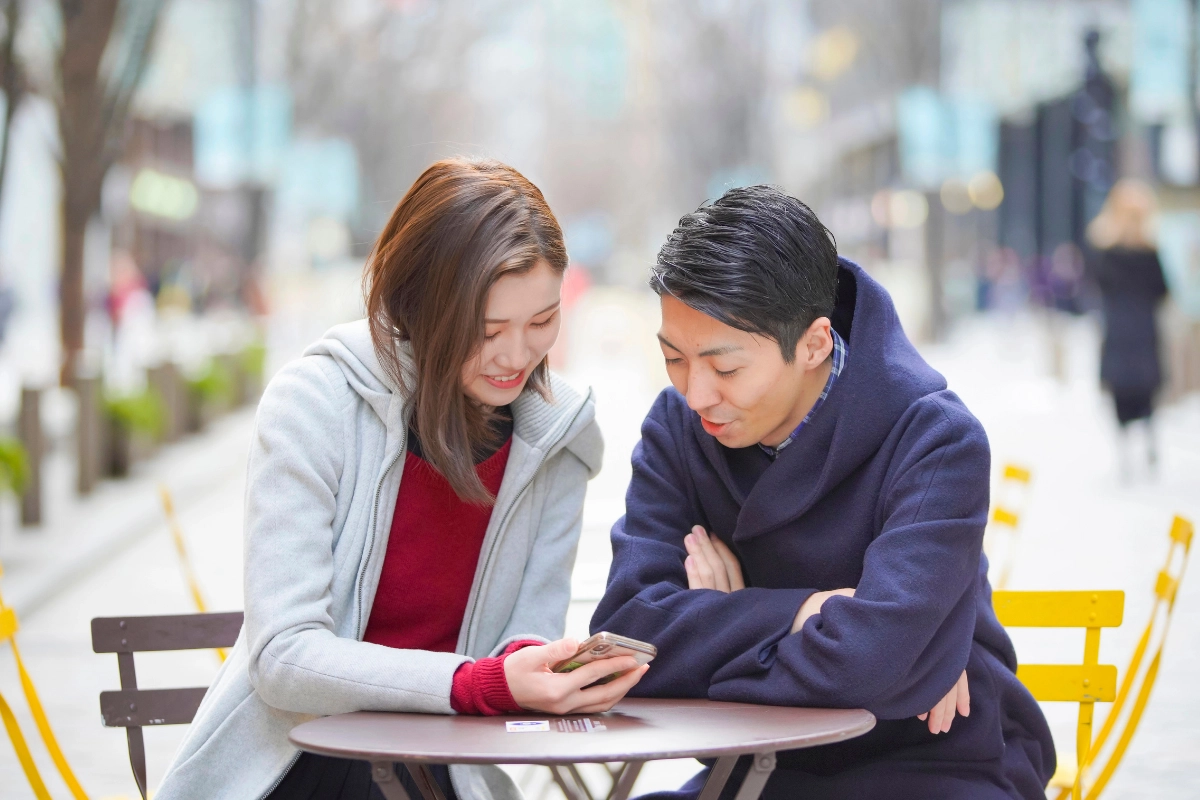
Dating can create situations where bisexual identity is discussed more directly. Someone might include their sexuality in a dating profile, mention it during an early conversation, or wait until they know the other person better. There is no universally correct timing.
The language used can also vary. Some people may identify as バイ, others as バイセクシュアル, and others may prefer another bi+ label or no label at all.
Bisexual people may also encounter stereotypes when dating. These can include assumptions that bisexuality means indecision, promiscuity or infidelity, or that bisexual people must be non-monogamous or equally attracted to different genders.
None of these assumptions defines bisexuality.
Likewise, entering a relationship does not make someone ‘formerly’ bisexual. A bisexual person in a same-gender or different-gender relationship is still bisexual if that remains the identity they use.
Yoshimoto’s research is relevant here too. The pressure to be read as belonging to one sexual category can affect relationships as well as broader social interactions.
Dating is only one way bisexual people can find connection, however. For many readers, community spaces may be just as important.
Finding Bisexual and LGBTQ+ Community in Japan
Finding explicitly bisexual spaces in Japan can be more difficult than finding broader LGBTQ+ ones.
That does not mean bi+ community does not exist. There are bisexual and pansexual-focused groups alongside wider LGBTQ+ centers, networks and events.
For someone looking for community, it can help to start with spaces that are specifically bi+ focused.
A Bisexual-Specific Example: バイセクシュアルの交流会
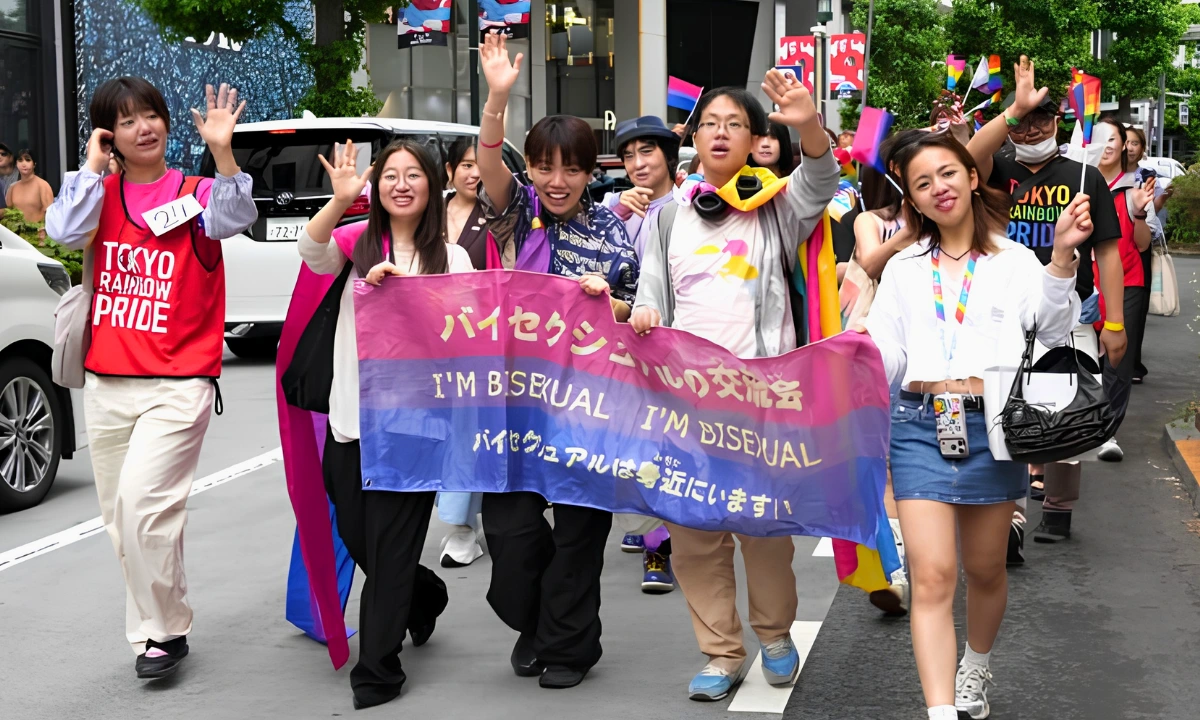
One example is バイセクシュアルの交流会, a group focused on bisexual and pansexual people.
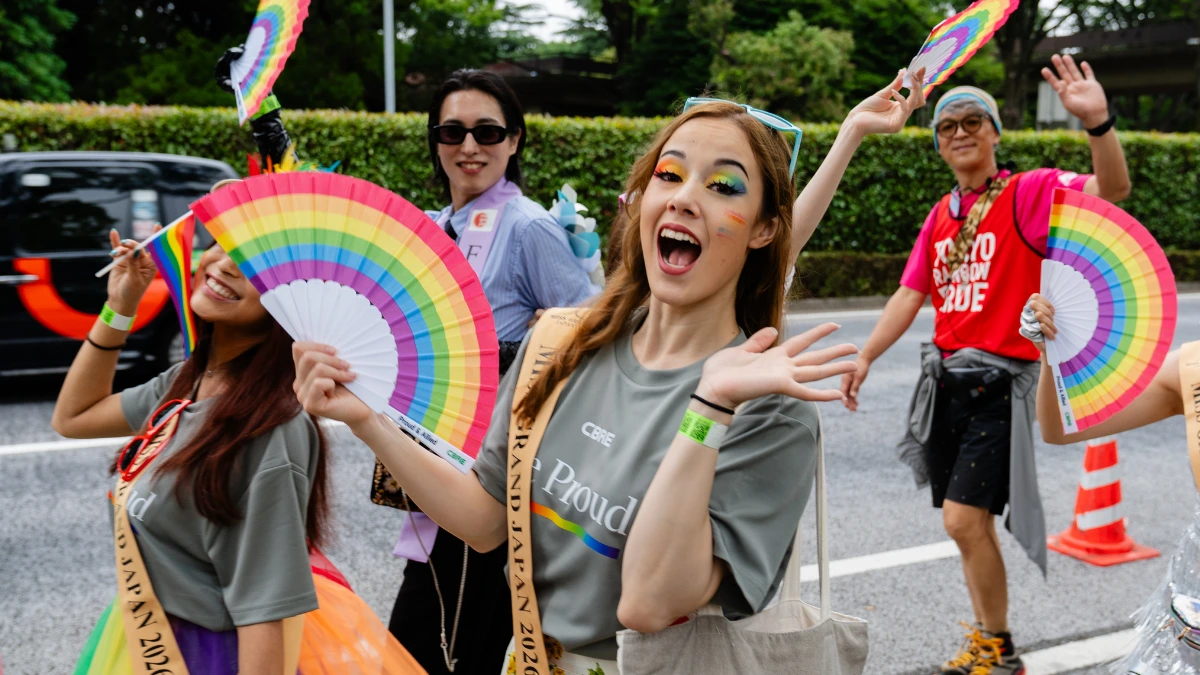
The group has taken part in Tokyo Pride events to increase bisexual and pansexual visibility. Tokyo Pride’s 2026 parade information described the group as participating because bisexual and pansexual people remain less visible. Its 2025 listing also highlighted visibility as an important theme.
This makes it a useful example of explicitly bi+ organizing in Japan.
However, public parade participation does not necessarily mean a regular meeting schedule. Anyone looking to attend an event or contact the group should check its latest information first.
Broader LGBTQ+ centers can offer another route to community, particularly for people who do not need a bisexual-only space.
Tokyo: Broader Non-Nightlife Community
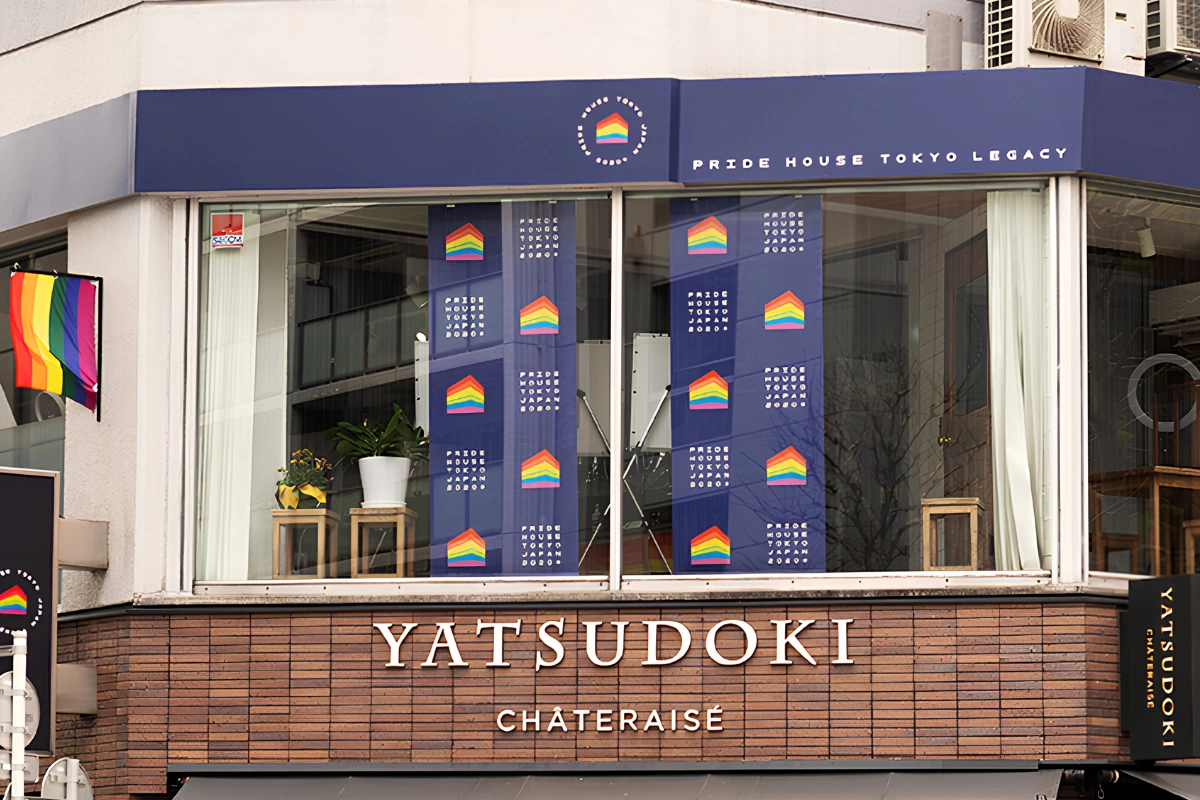
In Tokyo, Pride House Tokyo Legacy is one of the best-known permanent LGBTQ+ community spaces. It reopened on 6 June 2026 following a temporary closure for renewal and continues to operate as a broader LGBTQ+ community facility.
It is not bisexual-specific, but it can still be useful for people looking for LGBTQ+ information, events and community outside nightlife.
For readers mainly looking for bars or clubs, nightlife guides may be more useful. For community support, events and connections, organizations like Pride House Tokyo Legacy serve a different purpose.
Community options are also not limited to Tokyo.
Outside Tokyo: Osaka and Regional Networks
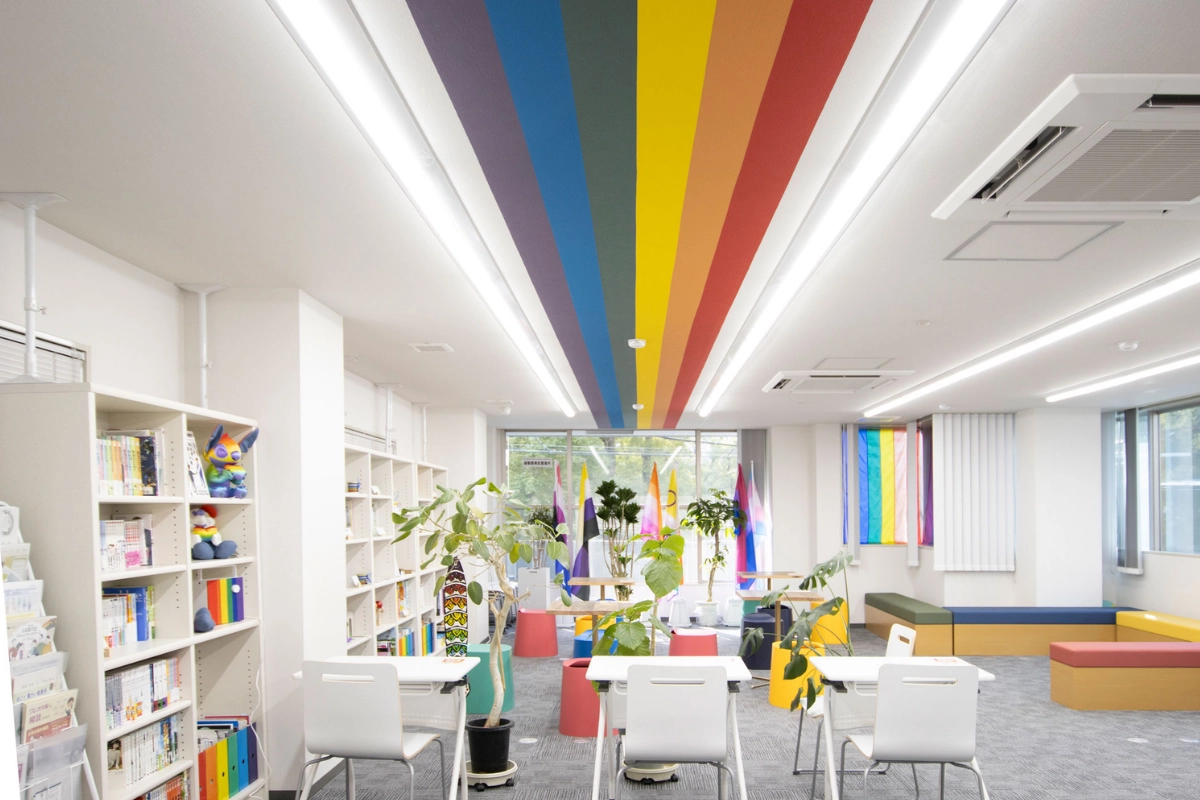
In Osaka, Pride Center Osaka provides a permanent LGBTQ+ community space in Tenmabashi.
Its current information describes the center as open to LGBTQ+ people, people close to them, and anyone who wants to learn more about LGBTQ+ issues. It also publishes opening information and community events.
Again, it is a general LGBTQ+ center rather than a bisexual-only one.
For international residents and English-speaking people, Stonewall Japan offers another route to community. Stonewall Japan operates as an LGBTQIA+ network across the country rather than focusing on one city. Its community is split into 11 regional blocks, allowing people to find local connections as well as national information and resources.
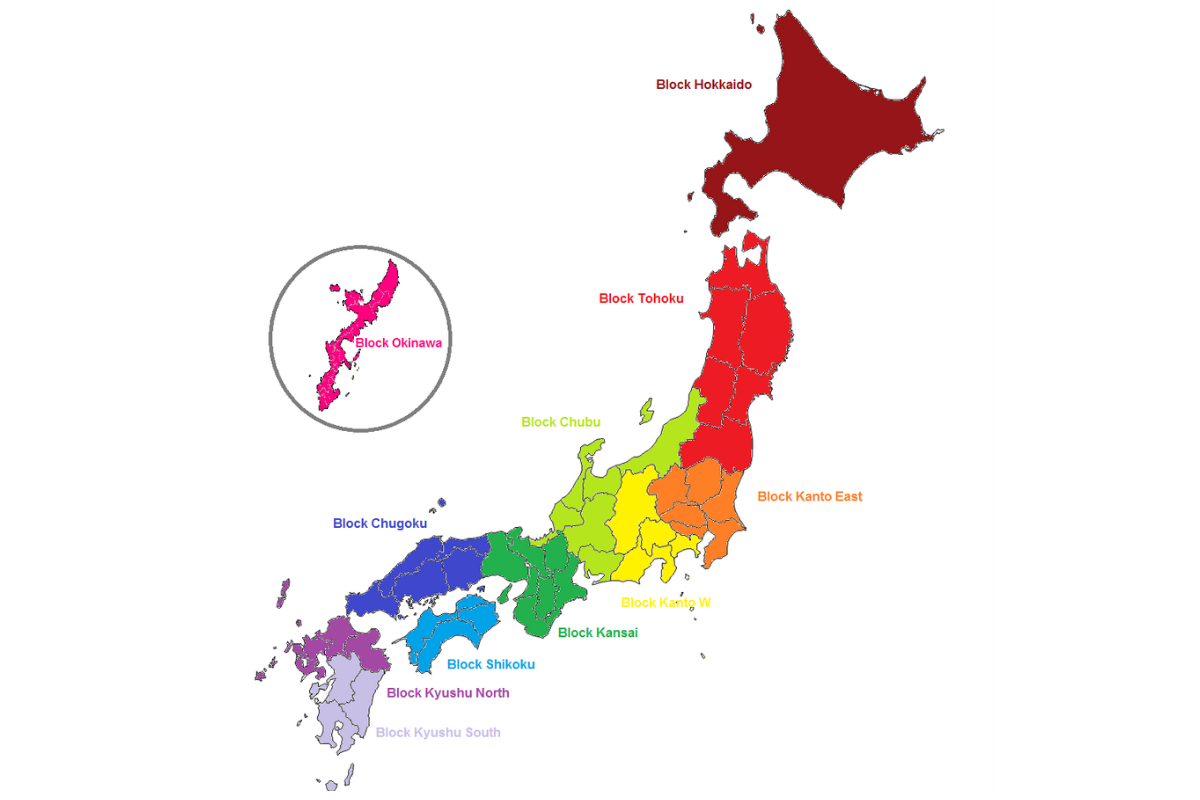
This can be particularly useful for people living outside Tokyo and Osaka, where dedicated LGBTQ+ centers may be less easy to find.
For a wider list of organizations, support services and community resources, see our guide to LGBTQ+ resources and support in Japan.
Rights and Social Context for Bisexual People in Japan
Community access is only one part of the picture. Legal rights can still depend heavily on the kind of relationship someone is in.
Bisexual people do not have a separate legal category in Japan. In most cases, the legal consequences depend on the relationship or family situation.
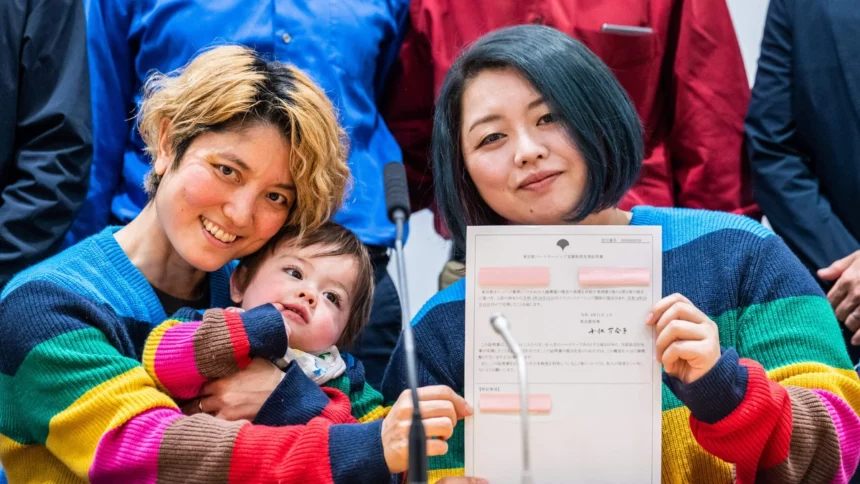
This can create an important difference between relationships. A bisexual person in a different-gender relationship may have access to legal marriage. Someone in a same-gender relationship does not currently have national marriage recognition.
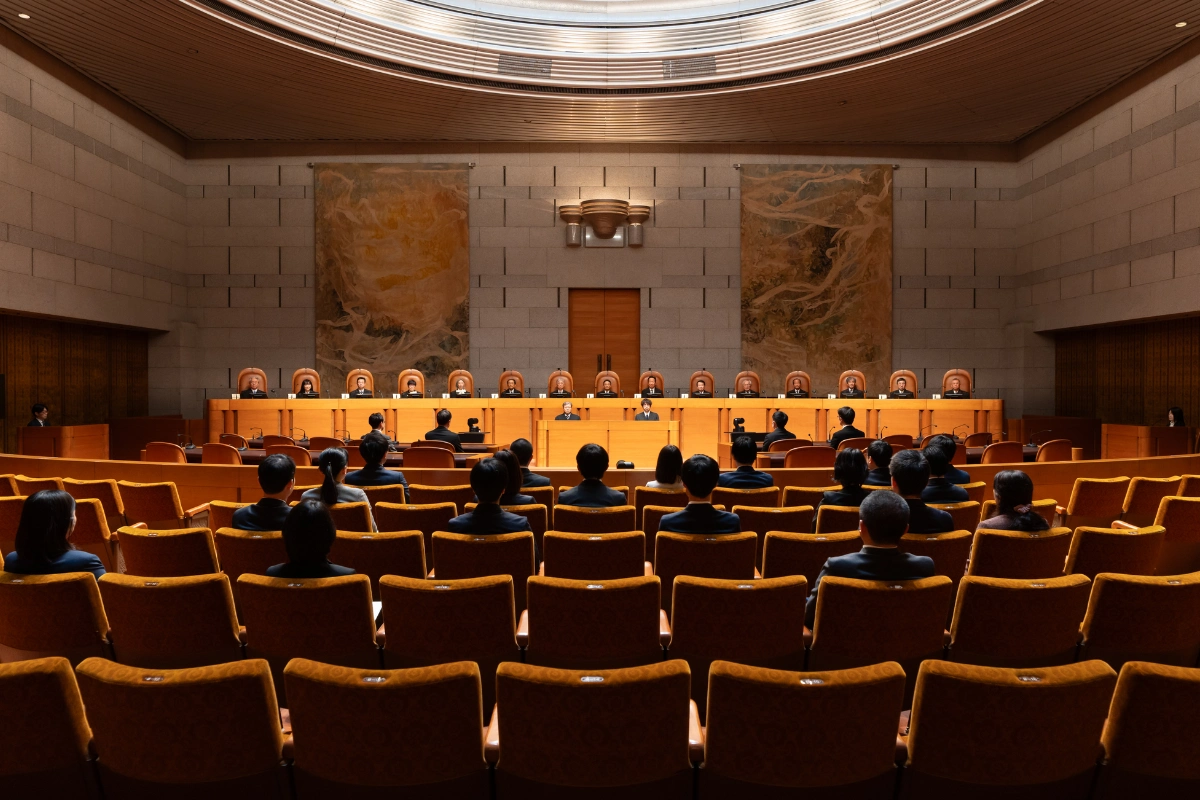
The legal position remains under review. In March 2026, six appeals were referred to the Supreme Court’s Grand Bench following a series of lower-court decisions. Five high courts had found the exclusion of same-sex couples from marriage unconstitutional, although the lower-court decisions were not entirely consistent. A final Supreme Court ruling has not yet been issued.
Japan’s 2023 Act on the Promotion of Public Understanding of Diversity of Sexual Orientation and Gender Identity, often referred to as the Understanding Promotion Act, is intended to promote public understanding. However, it is not a comprehensive anti-discrimination law and did not create new individual legal rights. Under the Act’s framework, the government approved its first Basic Plan on 16 June 2026, setting out national measures for promoting understanding of sexual orientation and gender identity.
Broader social attitudes are also mixed and can change over time. Ipsos’ 2025 reporting on Japan found that support for legal protections against LGBT discrimination in areas including employment and education had fallen by 15 percentage points compared with its 2021 measurement.
This is broader LGBTQ+ social-attitude evidence rather than bisexual-specific evidence, so it should not be taken as a measure of how all Japanese people view bisexuality. It does, however, provide wider context for the environment bisexual people may be navigating.
For bisexual people, the practical consequences of this broader legal and social picture may depend on who they form relationships or families with.
For a more detailed look at the broader LGBTQ rights, safety and legal context in Japan, see our guide to Is Japan LGBTQ Friendly? What LGBTQ Travellers Can Expect.
Is Japan Bisexual-Friendly?
So, is Japan bisexual-friendly? The answer is not simply yes or no.
Japan can be relatively easy to navigate in some everyday situations, while bisexuality is still not always visible, understood or treated equally.
Research has documented bisexual erasure, assumptions that people are attracted to only one gender, and difficulties feeling fully included in either heterosexual or queer communities. LGBTQ+ networks can also be easier to find than bisexual-specific ones, although bi+ and pansexual groups do exist.
Ultimately, everyday experience is highly context-dependent. Some bisexual people may encounter little direct hostility while still having their identity overlooked or misunderstood. Others may place more importance on finding bi+ community or deciding when they want to disclose their sexuality.
How openly someone lives and how involved they want to be in bisexual or LGBTQ+ communities are personal choices. There is no single bisexual experience of Japan.