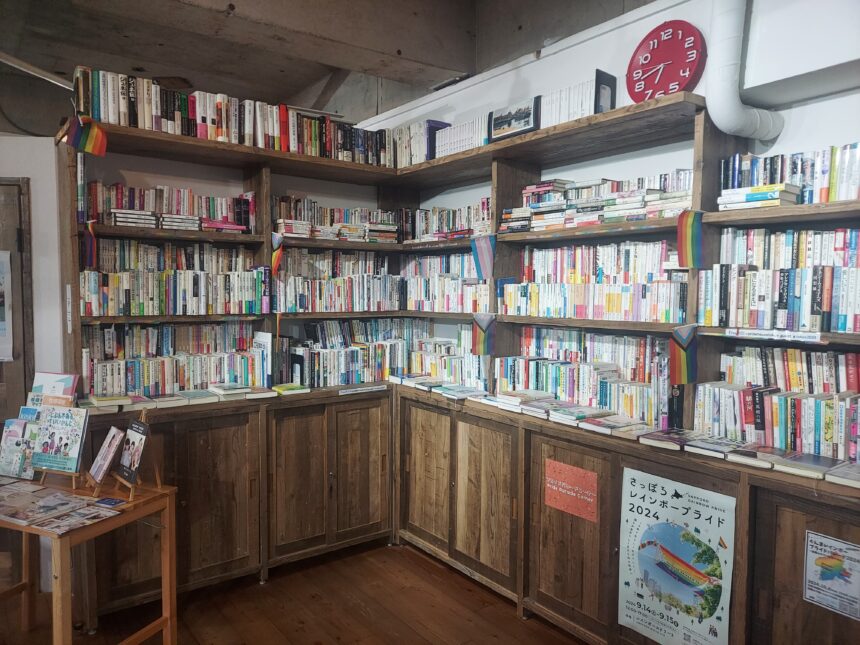


At a glance
- Physical safety: Generally very good
- Same-sex couples: Usually travel without difficulty
- Public affection: More restrained for all couples
- Hotels: Generally straightforward
- Onsen: May require additional planning
- LGBTQ nightlife: Strongest in Tokyo and Osaka
- Legal equality: Still limited compared with some other developed countries
Japan is generally a safe and comfortable destination for LGBTQ travelers. Most visitors experience little direct hostility or discrimination, especially in major tourist destinations. However, LGBTQ visibility is relatively low, social attitudes can be reserved, and legal equality still lags behind many other developed countries.
For travelers, LGBTQ-friendliness can be understood in three different ways: physical safety, social comfort, and legal equality. Japan performs differently across each of these areas – many visitors experience a safe and respectful environment, while LGBTQ visibility and legal protections continue to develop.
This guide explores what LGBTQ travelers can expect in Japan, including everyday experiences, public attitudes, accommodation, onsen etiquette, differences between destinations, and the current legal situation.
Is Japan Safe for LGBTQ+ Travelers?
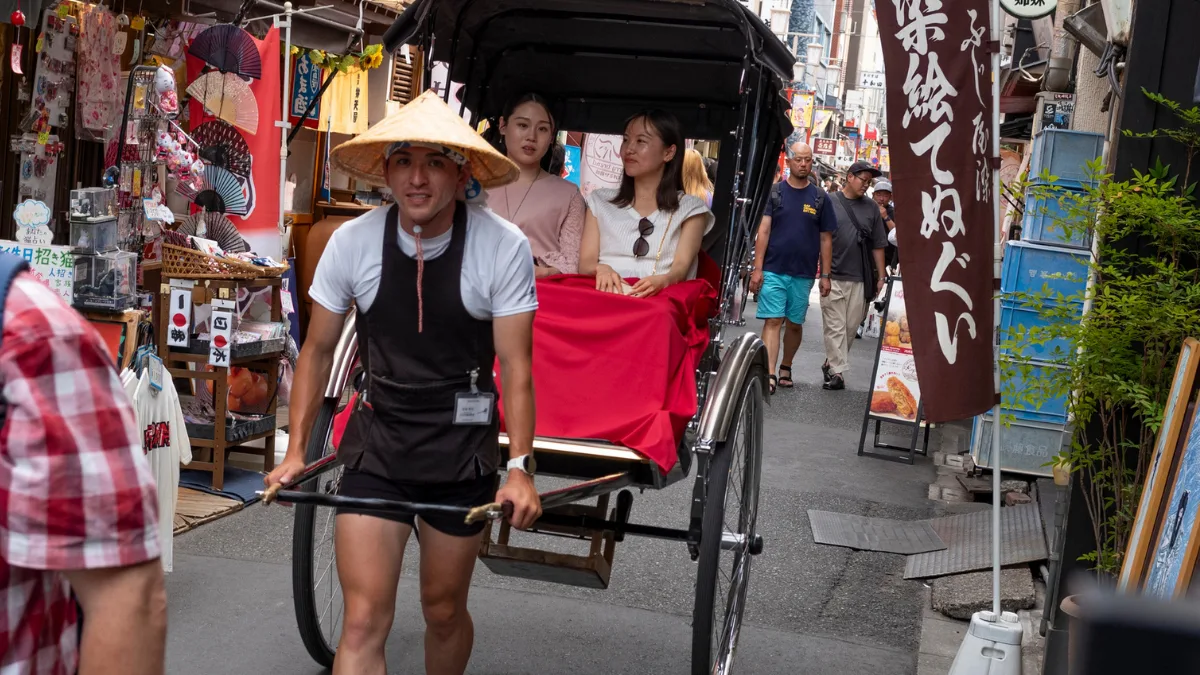
For most LGBTQ travelers, yes. Japan is widely regarded as one of the safest countries in the world, and many LGBTQ visitors travel throughout the country without experiencing direct hostility or discrimination. Violent crime is rare, and travelers usually report feeling comfortable exploring Japan’s cities, attractions, and using public transportation.
However, safety is about more than personal security. LGBTQ travelers may also wonder how comfortable they will feel being open about their identity. Many are also curious about how visible LGBTQ people are in everyday life, whether hotels or public facilities present any challenges, and what legal rights and protections exist.
The answer to these questions is more nuanced. Japan ranks highly in personal safety, but social visibility and legal equality are different questions. Many LGBTQ visitors would describe Japan as respectful and easy to travel in, while also noticing that LGBTQ people and relationships are less visible than in some other countries.
One explanation for this is Japan’s culture of privacy. Japanese people usually avoid commenting on strangers or drawing attention to others in public. As a result, LGBTQ travelers often experience polite and respectful interactions, even though open discussions about sexuality and gender identity are less common.
Throughout this guide, we explore LGBTQ travel in Japan through three key areas:
- Physical safety – how safe LGBTQ travelers generally feel while visiting Japan
- Social comfort – what to expect in everyday interactions, public spaces and relationships
- Legal equality – the rights, recognition and legal protections currently available
What Is It Like to Be Openly LGBTQ in Japan?
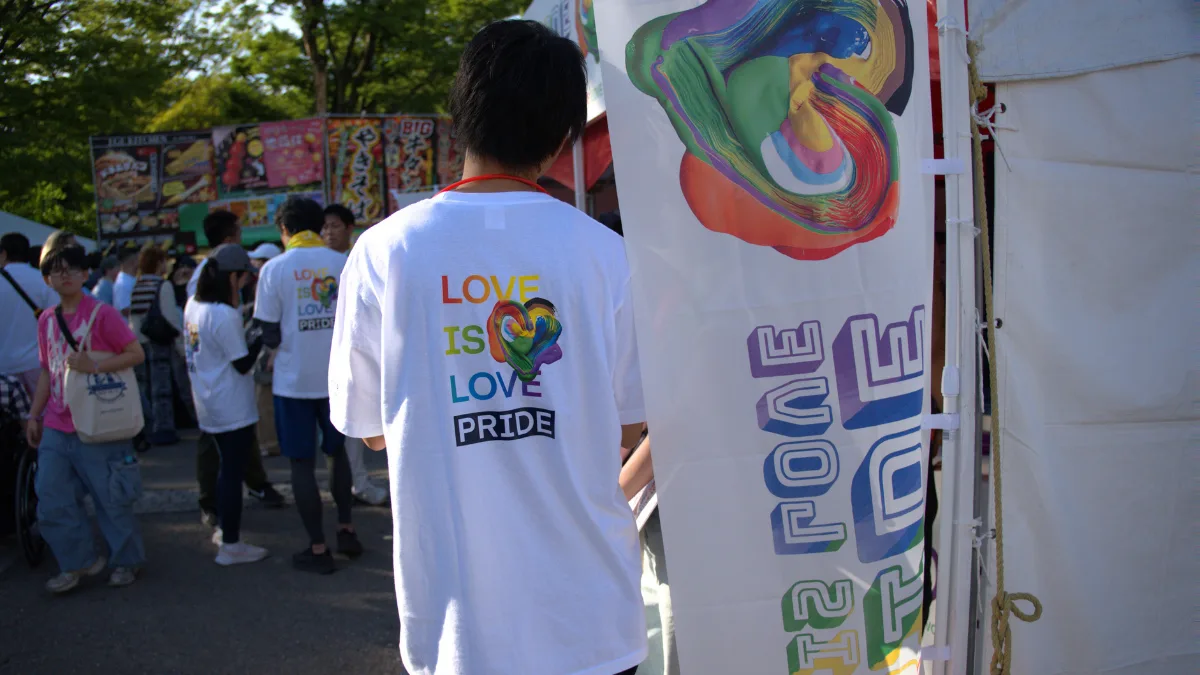
Recent surveys suggest that a significant minority of people in Japan identify as LGBTQ, with younger generations often showing increasing visibility and openness around sexual orientation and gender identity. Despite this progress in self-identification and general acceptance, coming out remains difficult for many due to a lack of formal marriage equality under national law.
Japanese society often places importance on privacy and avoiding conflict. In practice, this means a hotel receptionist, restaurant worker, or stranger is unlikely to ask about your sexuality or relationship. Same-sex couples may attract occasional curiosity, but most travelers simply go about their trip without needing to explain themselves.
| Situation | What to Expect |
|---|---|
| Holding hands | Usually fine, especially in cities |
| Booking one hotel bed | Rarely an issue |
| Checking into hotels | Usually straightforward |
| Taking couple photos | Common at tourist attractions |
| Using an onsen | Check policies beforehand |
| LGBTQ nightlife | Excelling in Tokyo and Osaka |
Public Affection and Being Visibly a Couple
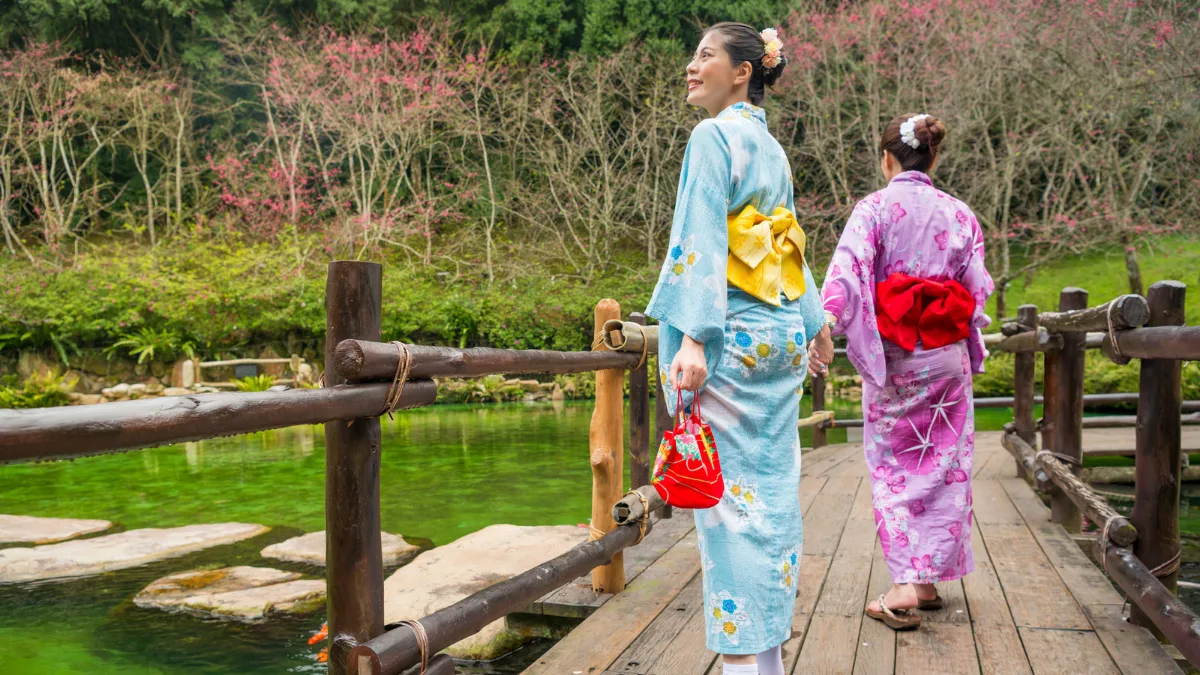
Many same-sex couples visit Japan without changing how they normally travel. Holding hands is generally accepted in larger cities, although public displays of affection are relatively uncommon among all couples in Japan. Hotel staff are unlikely to question two adults sharing a room, and couples who refer to each other as partners or spouses tend to be treated politely, even if legal marriage is not recognized nationally.
A lack of public affection should not automatically be seen as rejection of LGBTQ people or relationships; it reflects broader societal norms around general privacy and behavior when in public settings.
Different LGBTQ+ Travelers Can Have Different Experiences
Every person traveling in Japan will have their own experience, and the same applies to LGBTQ people. There is no single LGBTQ travel experience in Japan. Here’s what LGBTQ people may find during their travels across Japan:
| Traveler | Potential Findings |
|---|---|
| Lesbian and Bisexual Travelers | Dedicated venues exist, but they are generally fewer and less visible than gay male nightlife spaces |
| Trans Travelers | Gendered onsen, changing facilities, and identification requirements may require additional planning |
| Nonbinary Travelers | Binary gender systems may appear in booking forms, facilities, and other everyday situations |
| Gay Male Travelers | Japan has established gay nightlife in cities such as Tokyo and Osaka, but some small bars cater primarily to regulars or specific communities |
Traveling as a Trans Person
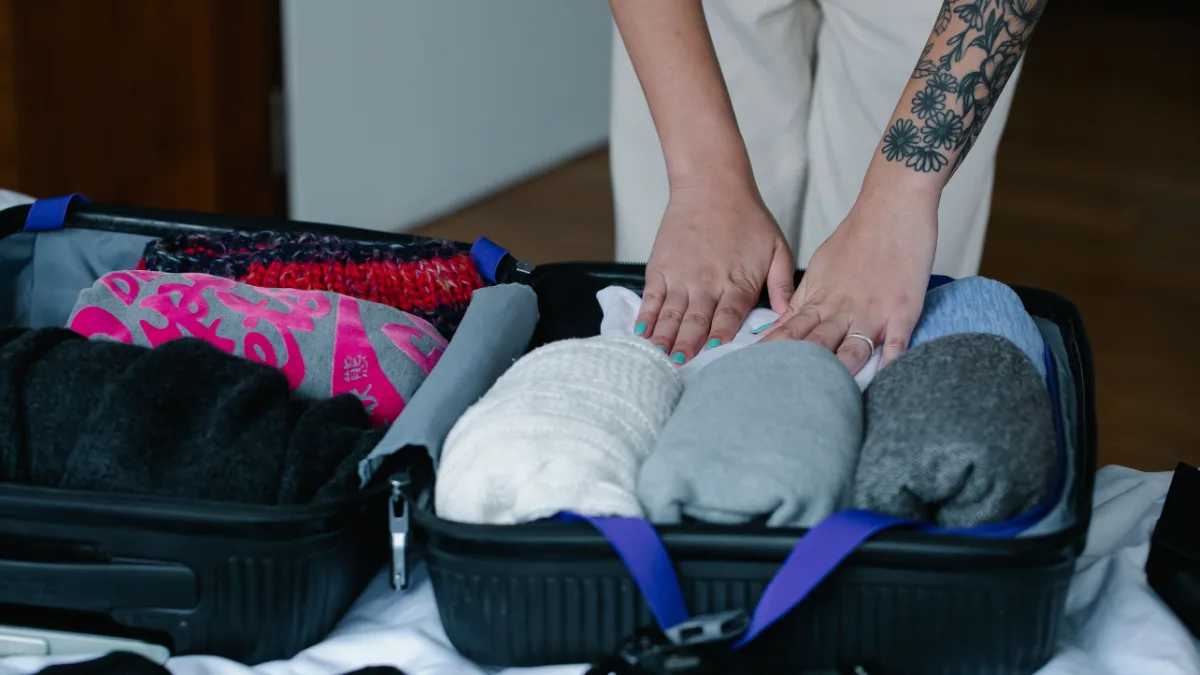
Trans travelers often report positive experiences in Japan, although practical considerations can arise around gendered facilities, identification documents, and some onsen. Travelers whose passport photo or legal gender marker differs from their appearance may occasionally be asked routine questions during hotel check-in or immigration, although this is generally uncommon. Planning for accommodation with private bathing facilities or checking the policies of gender-segregated facilities can help avoid uncertainty.
If you’re traveling with hormone replacement therapy (HRT) or have questions about documentation and healthcare, see our dedicated guide for bringing HRT to Japan.
At restaurants
No special considerations are usually necessary. It is not uncommon to see two people of the same sex eating at a restaurant together.
Taking photos together
Couples commonly take photos together at tourist attractions without attracting attention.
Using public transportation
Japanese custom is to be quiet on public transportation. This means that Japan’s trains and stations are generally safe, respectful and often calm environments.
Meeting locals
Some awkward interactions experienced by LGBTQ travelers are more likely to stem from language barriers or unfamiliarity with international visitors than from hostility toward LGBTQ people.
Hotels, Ryokan and Onsen: Practical Considerations
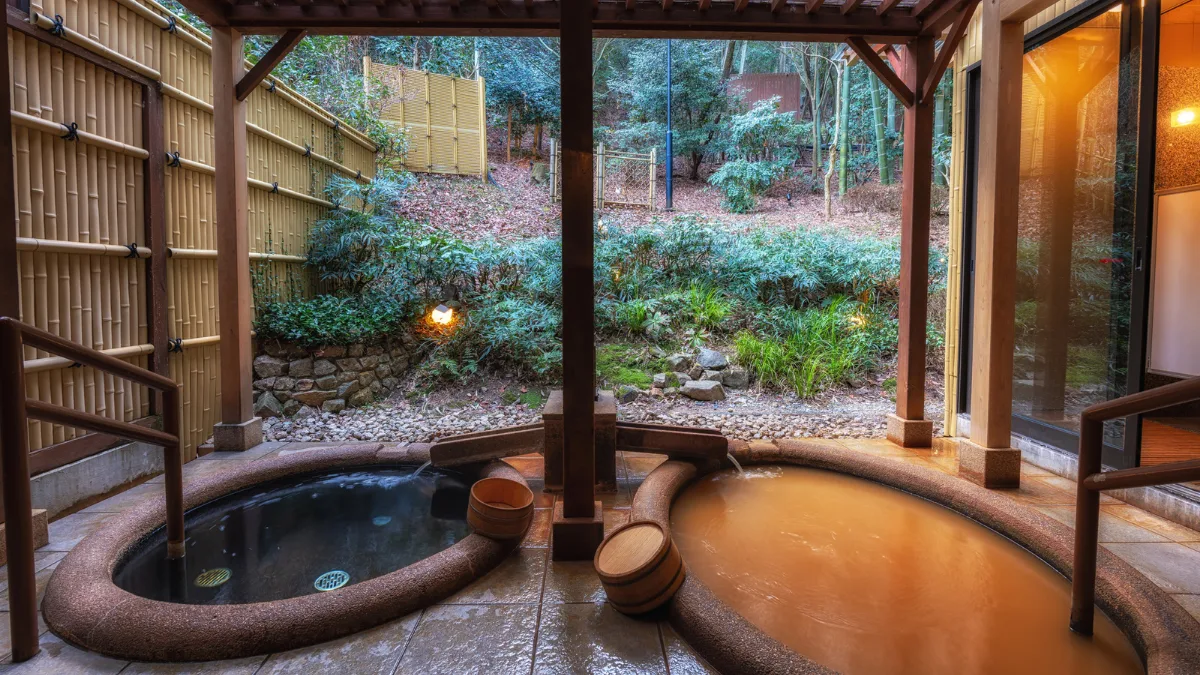
Booking accommodation is often an area where LGBTQ travelers have questions.
Staying Together as a Same-sex Couple
Same-sex couples can generally book and share hotel rooms in Japan without difficulty. International hotel chains, business hotels and many ryokan routinely welcome couples, and hotel staff will usually process check-in in the same way as for any other guests.
In most cases, there is no need to contact a property simply because you are traveling as a same-sex couple. However, if you are staying at a traditional ryokan or onsen, it can be helpful to confirm details specific to the accommodation rather than your relationship. For example, you may wish to ask about room layouts or sleeping arrangements if booking a traditional package, whether private or in-room bathing is available, or how any gender-segregated facilities operate if these are relevant to your visit.
These questions are practical rather than LGBTQ-specific and can help any traveler choose accommodation that best suits their needs.
Looking for accommodation recommendations? Explore our guide to the best LGBTQ-friendly hotels in Tokyo.
Onsen and Gendered Bathing
Japanese hot springs (onsen) are one of the country’s most iconic travel experiences, but they can require some additional planning for LGBTQ travelers.
Most public onsen separate bathing areas by gender. For some trans and nonbinary travelers, this may create uncertainty depending on personal circumstances, legal identification, appearance, individual facility policies and personal comfort.
Travelers who would rather avoid gender-separated communal bathing can look for a private bath, often listed as a kashikiri-buro (reservable private bath) or a private family bath. Depending on the property, these may be reserved by the hour and used privately by an individual, couple or travel group.
Does the LGBTQ+ Travel Experience Change Across Japan?
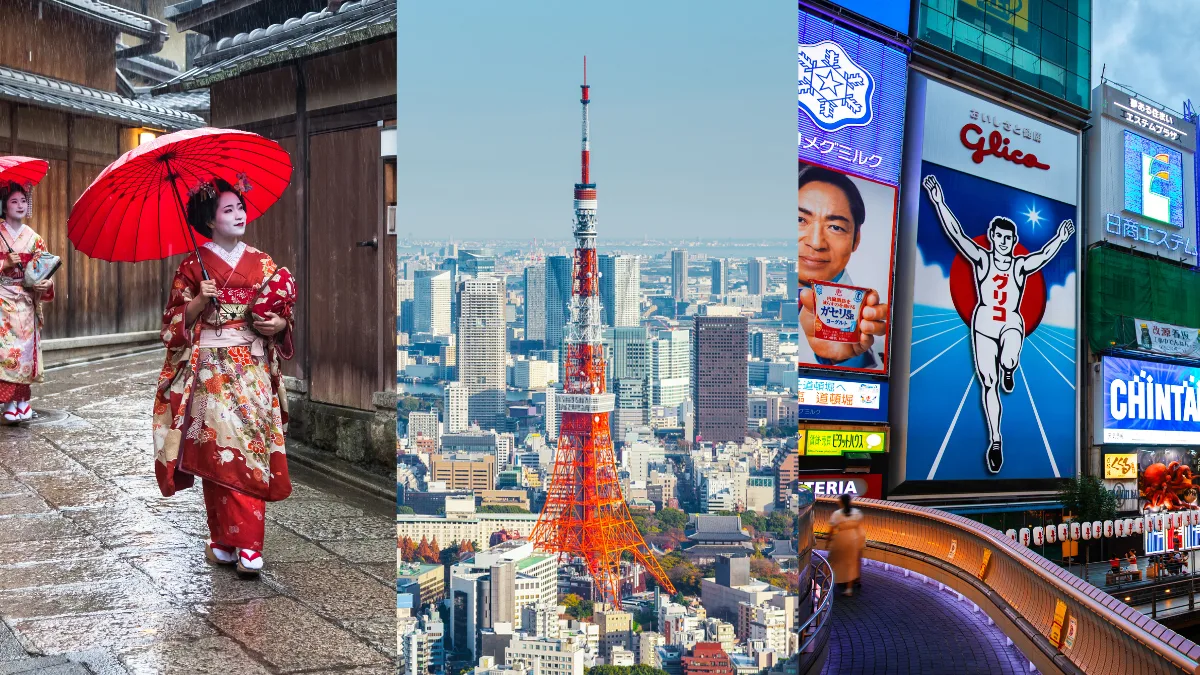
Larger cities will have
- Larger LGBTQ communities
- More LGBTQ venues and nightlife
- More international visitors
- Greater familiarity and visibility of diverse identities
Cities such as Tokyo, Osaka and Kyoto offer the greatest visibility, while smaller towns and cities have fewer dedicated LGBTQ spaces. This doesn’t mean that the destination is unsafe or unfriendly for LGBTQ people; many visitors find smaller communities welcoming.
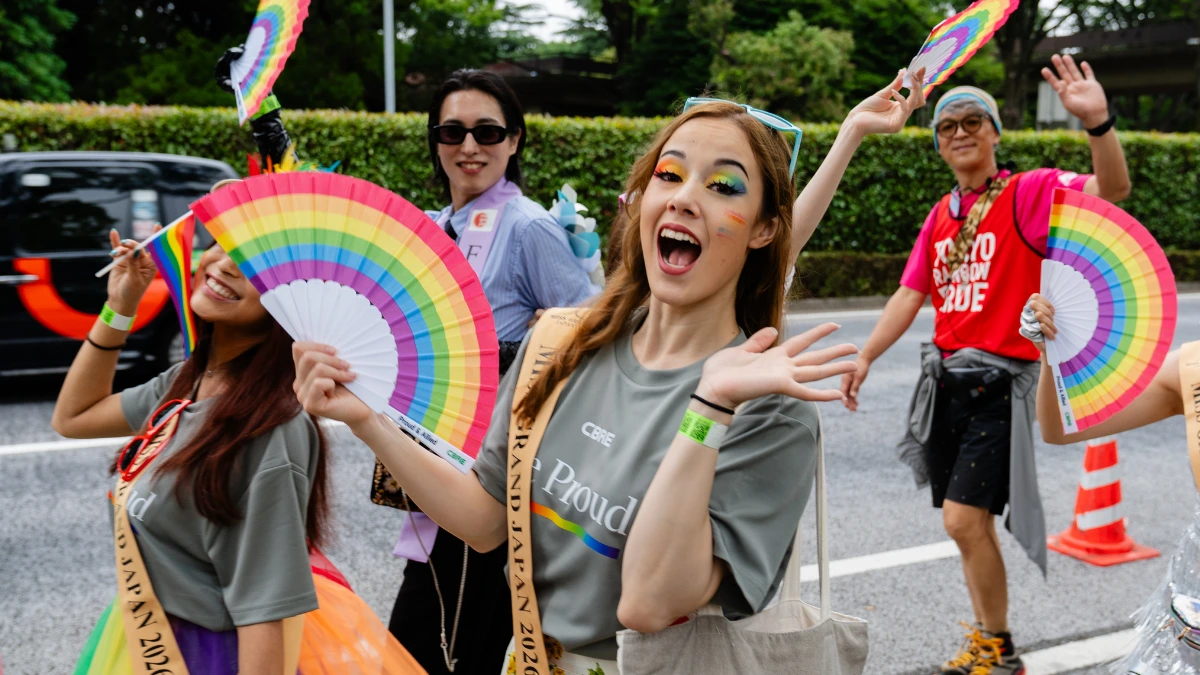
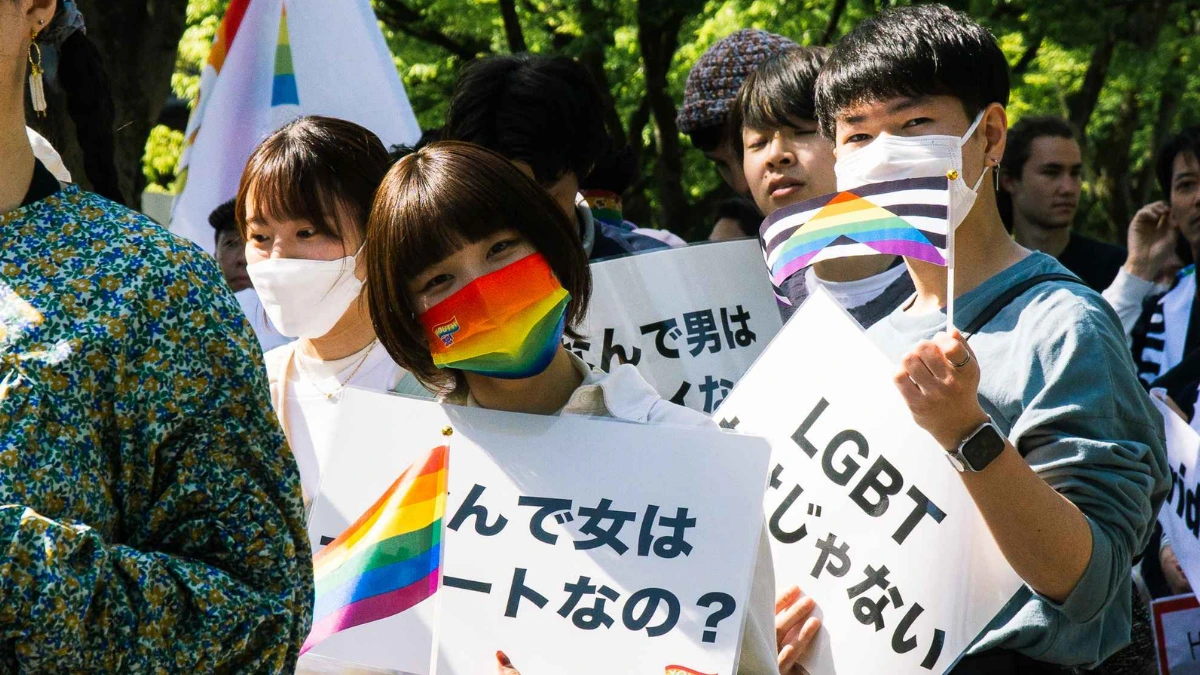
While LGBTQ visibility is generally lower than in some Western countries, Japan has an active LGBTQ community. Events such as Tokyo Pride attract large crowds each year, and districts like Shinjuku Nichome provide long-established spaces for LGBTQ nightlife and community.
LGBTQ travelers visiting with friends or family generally encounter the same welcoming atmosphere. While LGBTQ nightlife districts are often open to respectful allies, some smaller bars may cater primarily to regular customers or specific communities.
What Japan’s Legal Situation Means for Visitors
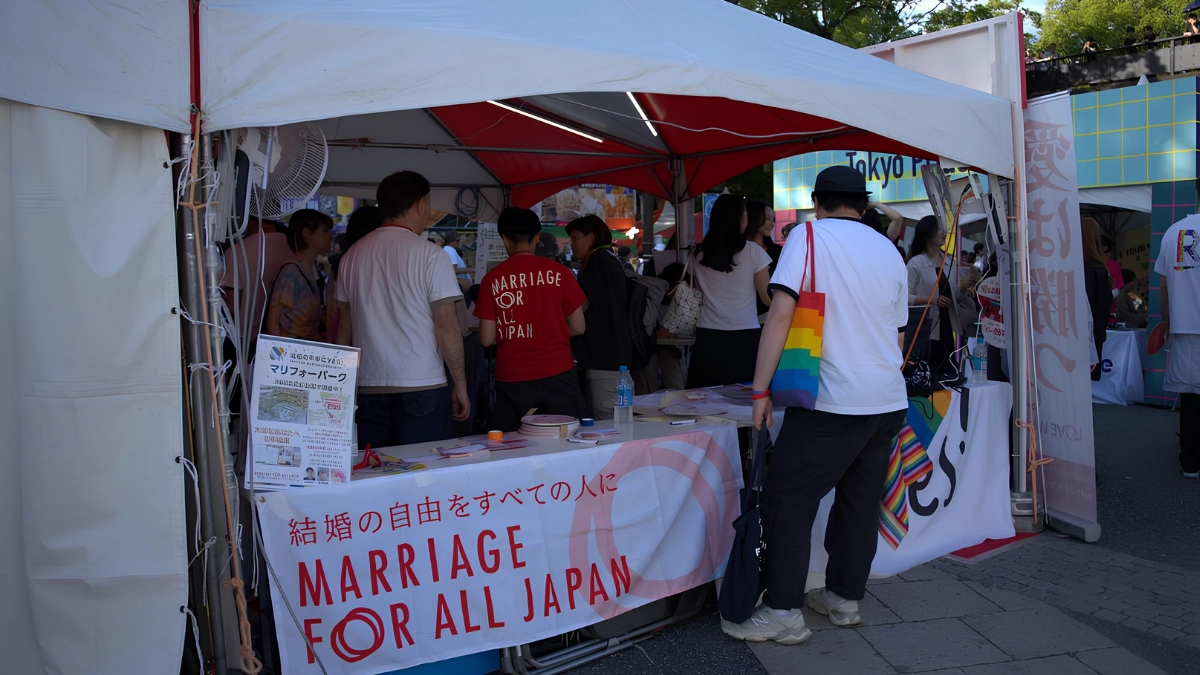
For most short-term visitors, Japan’s legal situation will have little effect on everyday sightseeing, accommodation, or travel. However, the distinction becomes more important for issues involving legal recognition of a spouse, medical decision-making, residency, or long-term life in Japan.
Current National Marriage Recognition
Japan does not currently provide full national legal recognition of same-sex marriage, and protections for LGBTQ people differ from those found in some other countries.
According to an Asahi Shimbun nationwide survey conducted in February 2023, 72% of respondents supported legalizing same-sex marriage, compared with 18% who opposed it. Also, in March 2026, six marriage-equality appeals were referred to the Supreme Court’s Grand Bench. Litigation is currently pending.
While Japan has historically had fewer nationwide LGBTQ protections when compared with other developed countries, many LGBTQ travelers report comfortable experiences when visiting.
Current National Protections or Policy
For most visitors, Japan’s legal situation has little impact on day-to-day travel. You can generally:
- Book one hotel room together
- Visit restaurants, attractions and shops together
- Travel on public transportation without legal restrictions
- Attend LGBTQ venues and Pride events
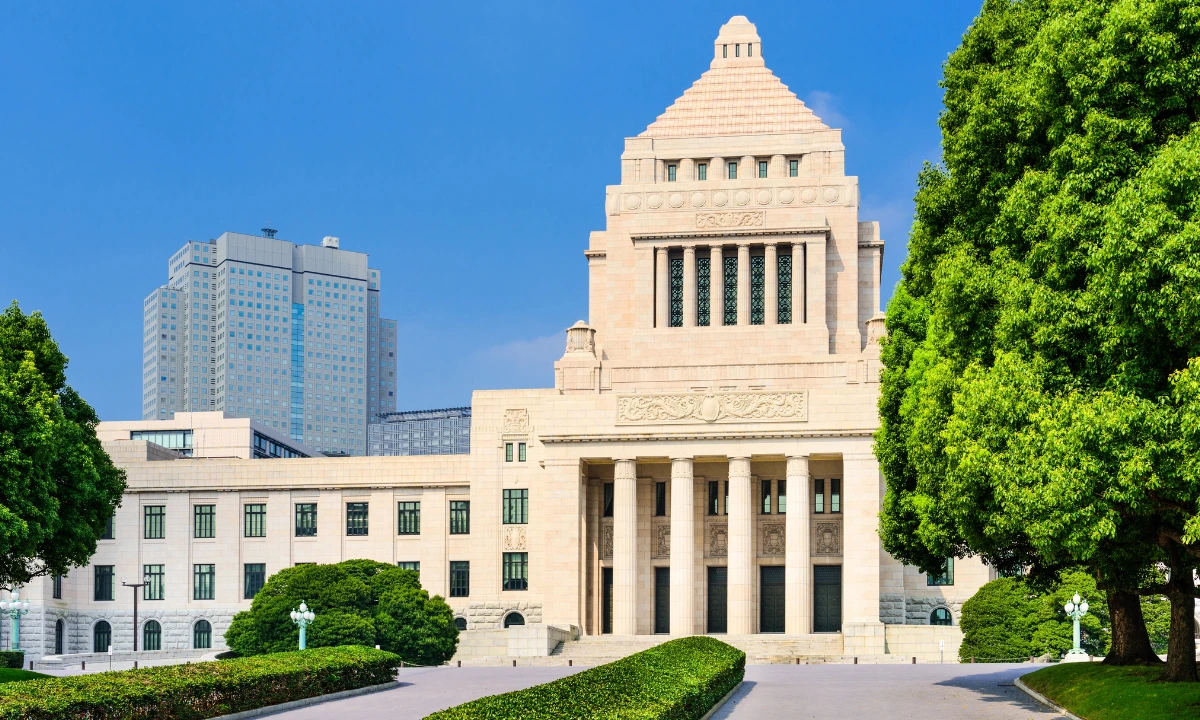
The areas where the law is more noticeable involve family recognition rather than tourism. For example, same-sex couples do not have access to national marriage rights, and foreign same-sex marriages are generally not recognised as marriages under Japanese law. Comprehensive anti-discrimination protections remain limited, although many local governments have introduced partnership systems and equality measures.
Public Attitude Towards LGBTQ People in Japan

Japan’s public attitudes toward LGBTQ people have become increasingly supportive in recent years, particularly among younger generations. Opinion polls consistently show majority support for legal recognition of same-sex relationships, and LGBTQ people have become more visible in the media, workplaces, and public life.
At the same time, Japanese society generally places a strong emphasis on privacy and avoiding confrontation. Rather than openly expressing approval or disapproval, many people simply do not comment on another person’s sexuality or gender identity. For LGBTQ travelers, this often creates an environment that feels respectful, even if public expressions of support or visibility are less common than in some Western countries.
Individual Decisions About Coming Out
While attitudes towards LGBTQ people have become increasingly supportive, many LGBTQ people in Japan still make individual decisions about when, where and with whom to come out. Family expectations, workplace culture and a general preference for privacy can all influence these decisions. As a result, LGBTQ people may be less visible in everyday life than visitors from some countries expect, even though active LGBTQ communities exist across Japan.
For many LGBTQ people in Japan, coming out is not a single event but an ongoing personal decision that may differ between family, friends, colleagues and public life. This helps explain why Japan can feel both socially accepting and relatively private at the same time.
When talking about LGBTQ travelers, lower public visibility does not necessarily mean lower acceptance. Many visitors find they are treated politely and respectfully, even if they encounter fewer openly LGBTQ couples or discussions about sexuality than they might elsewhere.
Practical Tips Before You Go
Before traveling to Japan as an LGBTQ visitor, here are a few practical tips to help you prepare:
- If staying at a traditional ryokan or onsen, check whether private (kashikiri) baths are available if you would prefer not to use gender-separated communal bathing
- Contact your accommodation in advance only if you have property-specific questions, such as room layouts, private bathing options or how gendered facilities operate. Same-sex couples can generally book and stay together without needing special permission
- Remember that public displays of affection are generally more restrained in Japan for all couples, regardless of sexual orientation
- For trans travelers, check any policies relating to gendered facilities or identification requirements if they are relevant to your trip
- If you plan to visit LGBTQ nightlife, research the local scene in advance, as some smaller bars cater to regular customers or particular communities
For more detailed information, explore our guides to LGBTQ rights in Japan, LGBTQ-friendly hotels, and LGBTQ travel guides for destinations across Japan.
Conclusion
Japan is generally LGBTQ-friendly for travelers in terms of safety and everyday treatment. But it is less advanced in terms of visibility and legal equality. Most visitors do not need to approach Japan as a dangerous or hostile destination, but some travelers – particularly trans and nonbinary visitors using gendered facilities – may benefit from additional planning.
For many LGBTQ visitors, the biggest surprise isn’t discrimination – it’s how ordinary travel feels. Most days involve sightseeing, eating well and exploring Japan without sexuality becoming a significant issue. The main adjustments tend to involve understanding Japanese social norms rather than avoiding places or changing travel plans.
Japan Gay Guide is home to comprehensive information and resources about traveling to Japan as a member of the LGBTQ community or an ally. Check out some additional resources below:
Frequently Asked Questions
Is Japan safe for gay travelers?
Yes, Japan is generally safe for gay travelers. Japan is widely regarded as one of the safer destinations in Asia for LGBTQ visitors. Many LGBTQ travelers visit Japan without encountering direct discrimination.
Are LGBTQ couples accepted in Japan?
Yes, LGBTQ couples are generally welcomed in Japan, with major cities offering inclusive spaces, LGBTQ communities, and nightlife. However, social attitudes are often more reserved, so experiences may differ from those in more openly LGBTQ destinations.
Are there gay bars in Japan?
Yes. Japan has LGBTQ bars, particularly in major cities such as Tokyo, Osaka, and Kyoto, with many welcoming spaces for gay, lesbian, and queer travelers.
Is Tokyo LGBTQ friendly?
Yes – Tokyo is an LGBTQ-friendly city, with a well-established LGBTQ community, gay bars, inclusive venues, and a large international visitor scene. Tokyo also has dedicated spaces such as Shinjuku Nichome. Travelers looking for LGBTQ events and social spaces will usually find the widest range of options in Tokyo.
Can same-sex couples share hotel rooms in Japan?
Same-sex couples can usually share hotel rooms in Japan, and most hotels are LGBTQ friendly. If staying at a small traditional inn or ryokan, checking in advance can help avoid misunderstandings.