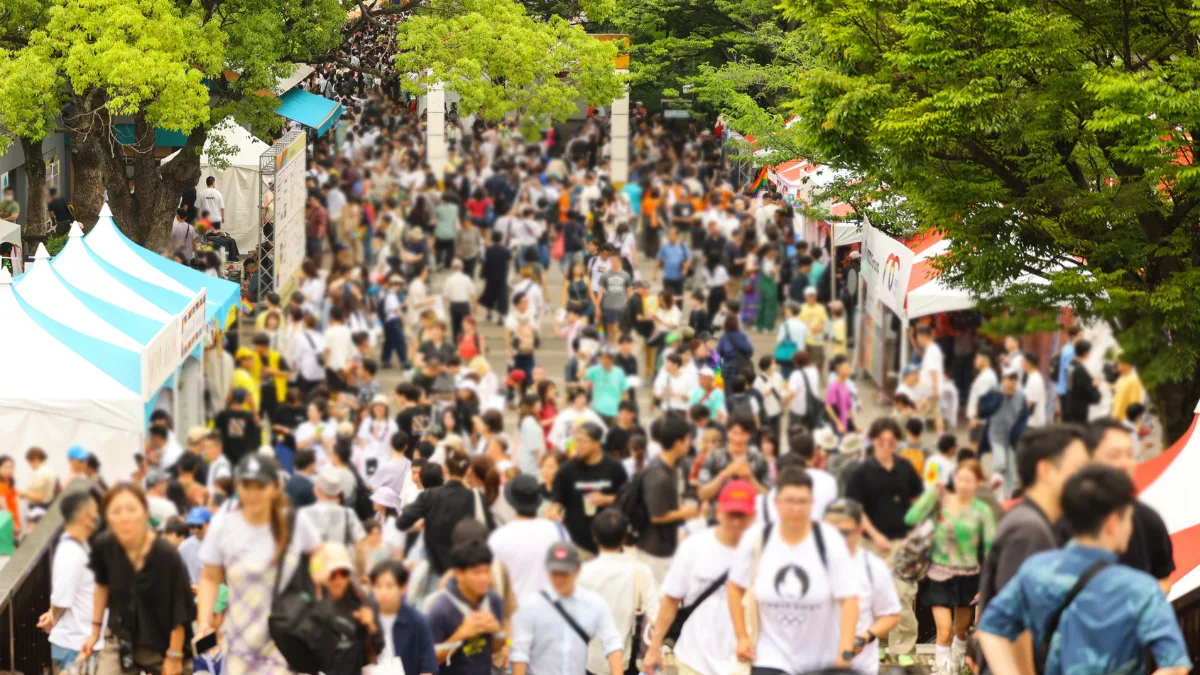
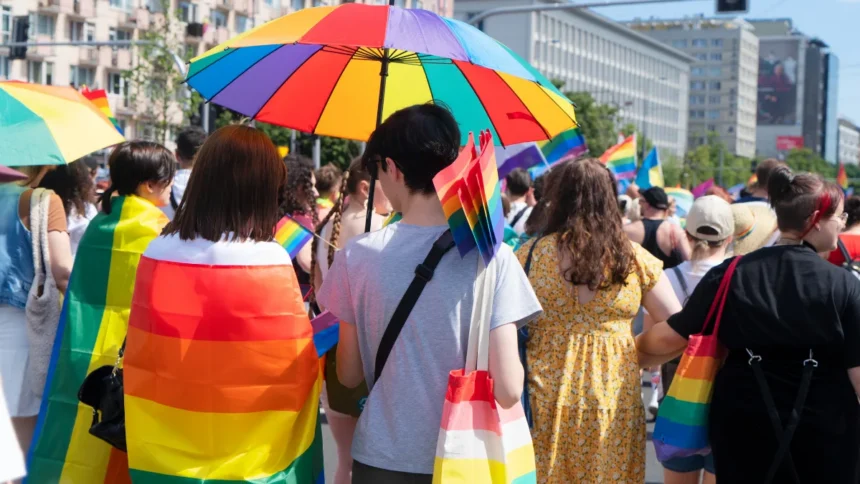

It’s time for the highlight of the Japan’s queer calendar, Tokyo Pride 2026! The theme of this year’s Tokyo Pride is “A Future Opened Up by Diversity and Equality,” and on Saturday 6 June and Saturday 7 June, 2026, thousands of LGBTQ+ people will gather in Yoyogi Park to celebrate as they soak up the sun while enjoying live performances, addresses from major queer figures, and tons of other fun activities and events. If you’re planning to come too, then you probably have more than a few questions about what to see and do, where, and when — especially if you’re a Tokyo Pride virgin!
Do you want to know where and when you should be for the march? Should you do anything different for Pride in Japan? Where can you go after when the Pride Festival is over? Can you bring the whole family along? Well, you lucky thing, your Japan Gay Guide has compiled the Tokyo Pride 2026 Ultimate Guide to give you all the knowledge you need to have the time of your life at the biggest weekend of the year!
Tokyo Pride 2026 Highlights
Tokyo Pride Parade 2026

Sunday 7 June, Noon
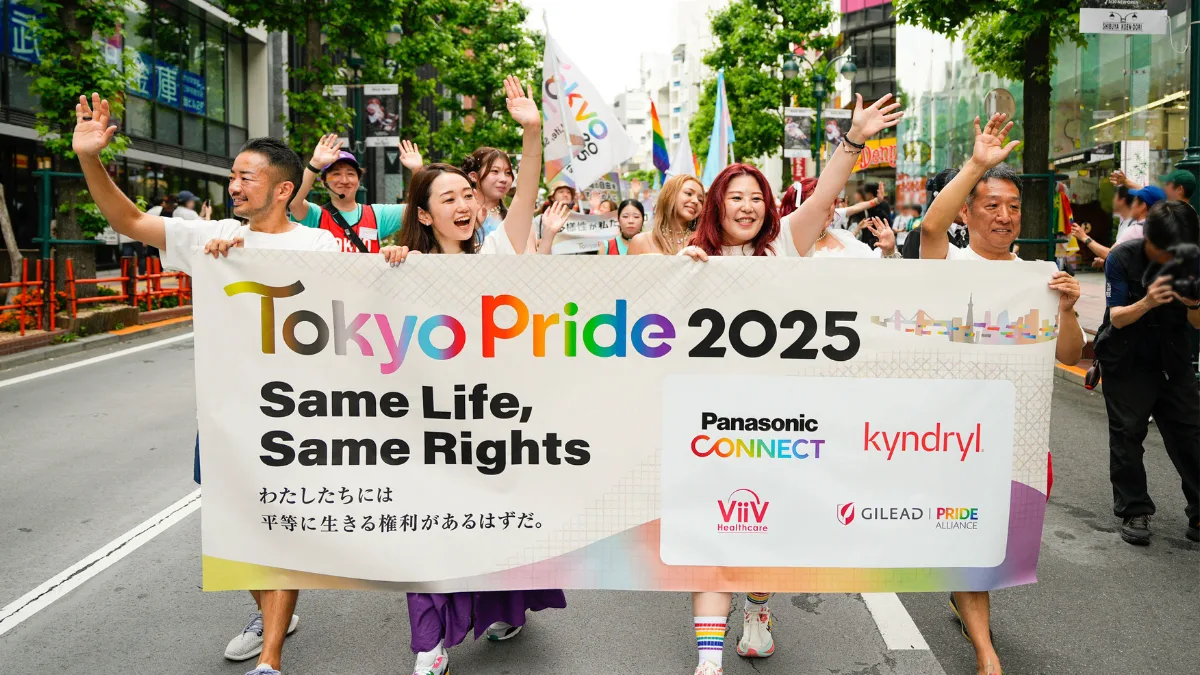
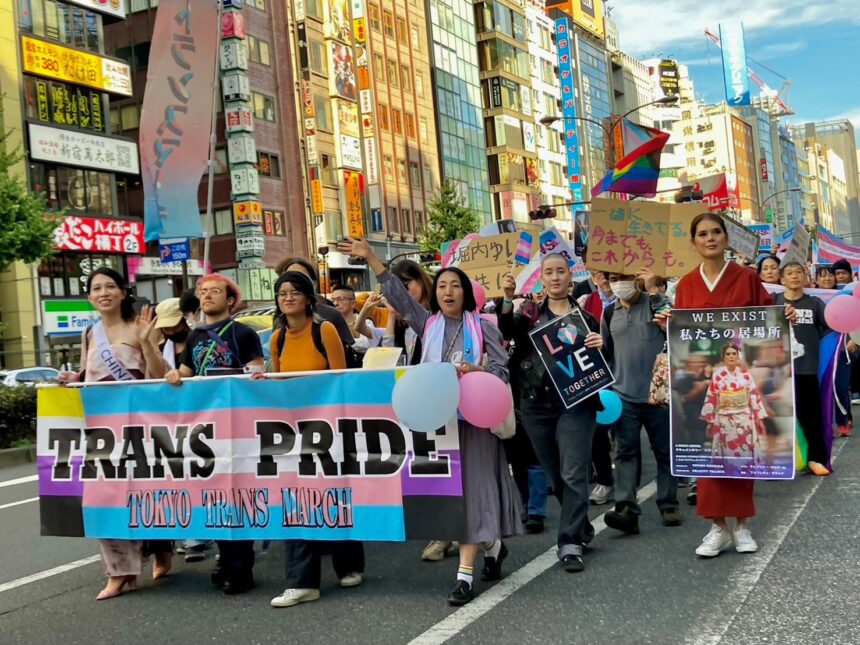
The highlight of Tokyo Pride, Parade was first walked in 1994, and every subsequent year has seen the ranks of marchers swell to greater and greater numbers, with Tokyo Pride 2026 promising to be no exception. The Parade starts at Shibuya Plaza, adjacent to Yoyogi Park Event Square, where the festival is taking place.
Registration to march is open on Saturday from 11am to 6pm, and on Sunday from 10am until noon. Registration will end early if the Parade reaches capacity. The route is expected to take roughly 2:30hrs to walk, so make sure to bring water and dress for the weather!
Tokyo Pride Festival 2026
Saturday 6 June and Sunday 7 June, 11am – 6pm
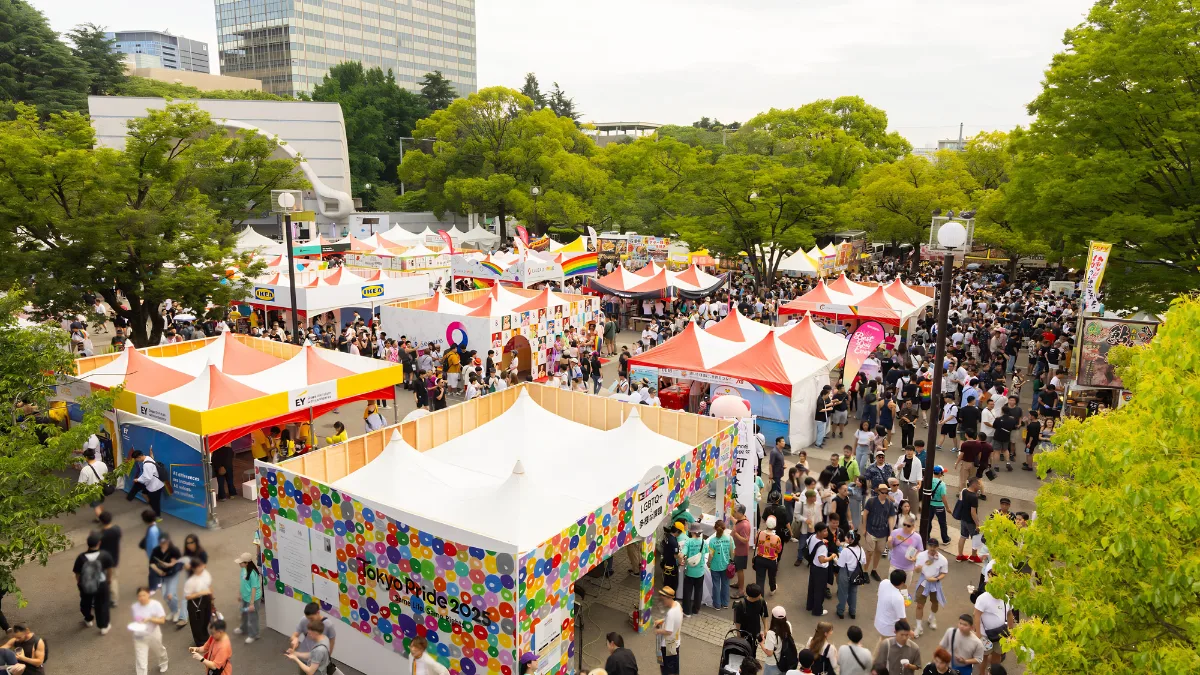
Taking place over the entire weekend, Saturday 6 June and Sunday 6 June, the Tokyo Pride Festival 2026 is where the magic happens! Held at the Yoyogi Park Events Square, this all-day event is jam-packed with things to do and see.

Main Stage
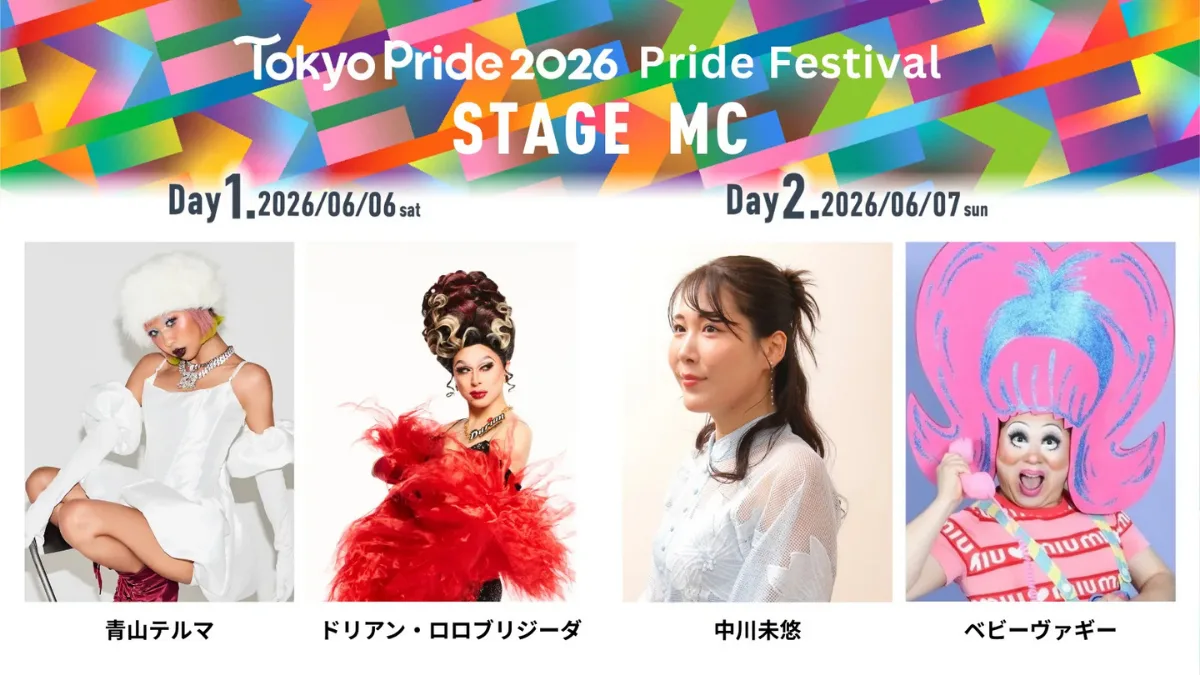
The first thing you’ll want to consider is the main stage, and the people and performers who will be gracing it. To begin with, let’s talk about your MCs for the weekend! We’ve gone into greater detail in our article 这里, but as a brief introduction, on Saturday 6 June, guests will be greeted by Durian Lollobrigada, who will be celebrating their 20th anniversary of attending Tokyo Pride, as well as Thelma Aoyama is a Japanese-Trinidadian singer who has been a huge ally to the community for years. On Sunday, award-winning actor Miyu Nakagawa will take the stage, fresh off her success in Blue Boy Trial, followed by Baby Vaggie, a drag queen who has been a performer and entertainer at more Tokyo Rainbow Pride festivals than I can count.
There will also be a number of main stage 表演 across both days, including AI, SIRUP, Macoto, Aya Sato, Kaya, and Jasmine High, and Satsuki Nishihara and the Nekoneko Dancers!
Booths
Every year, dozens of booths for fun, educational, and everything between and beyond dot Yoyogi Park for the Tokyo Pride Festival. This year you can visit booths manned by NPOs, such as Marriage for All Japan, Diplomats for Equality, and LGBT Housing First. There will also be representations from large multimedia organizations, such as NHK and Nippon TV, and purikura photobooths. You’ll also find booths with offering a wide range of food and drink, including offerings from Nichome legends ALAMASCAFE.

After Parties and Other Events
This is the gay Christmas in June, so you’d better believe that Tokyo Pride 2026 has even more going for it after dark! On Saturday, you can head to Avalon, one of the biggest gay parties of the year, at Shibuya’s Club Camelot, and party the night away with drag queens and gogo dancers! Or, for something a little different and low-key, why not head down to Shinjuku and see the Kings of Kanto drag king collective performing their new show, Taste the Rainbros!
For the final night on Sunday, the official party is Pride Night, hosted at two clubs — AiSOTOPE Lounge and ArcH — in Shinjuku Nichome, the largest gayborhood in Asia and the beating heart of queer Japan. Both clubs are mere minutes away from one another on foot, and buying a ticket to one gets you access to the other! For anyone who’d prefer to take a little weight off their feet after the Sunday march, though, Tokyo Comedy Club is hosting a special Pride edition of The Gay Agenda, a monthly LGBTQ+ stand-up showcase with some of the funniest and fiercest comics this side of Fukuoka!
That’s not all, though! Starting on Wednesday 3 June and continuing throughout Pride Month is Queer Space Tokyo’s Queer Art Exhibition, where you can take in some of the best contemporary art by Japanese LGBTQ+ creators. The week after Tokyo Pride 2026 also sees Youth Pride 2026, on Saturday 13 June and Sunday 14 June in Harajuku, where young LGBTQ+ people can meet, network, and discuss their experiences and issues in a safe space together.
Getting Around Tokyo Pride 2026

Taking place in Yoyogi Park’s Events Square, Tokyo Pride 2026 is in a central location of central Tokyo. However, in case you’ve never been to Yoyogi Park, if if this is your first time in Tokyo (in which case, well done you for coming at such a fantastic time), then let us take you through how to get there.
Closest Stations
There are three main stations nearby to Yoyogi Park that will make it easy for you to get to Tokyo Pride quickly and easily. These are Shibuya Station, Harajuku Station, and Meiji-jingumae ‘Harajuku’ Station.
Shibuya Station
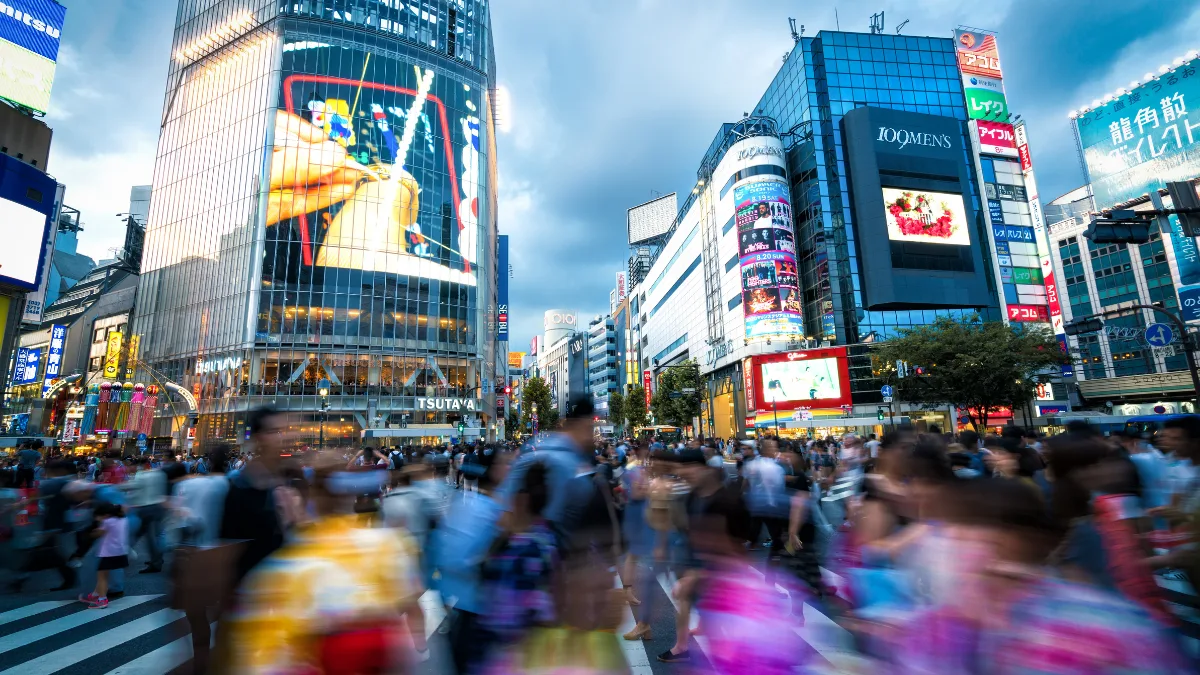
As one of the busiest stations in Tokyo, Shibuya Station has a number of exits and is served by a number of different lines, which can make things confusing. So long as you can make it to Koendori, however, you should be fine. Koendori is part of the two large roads that intersect at the Shibuya Scramble crosswalk, and the best exits for getting to Shibuya Scramble, depending on your line, are as follows:
| Line Name | Best Exit for Shibuya Scramble |
|---|---|
| JR Yamanote Line | Hachiko Exit |
| JR Saikyo Line/JR Shonan Shinjuku Line | Hachiko Exit |
| Tokyo Metro Ginza Line | Meiji-Dori Gate |
| Tokyo Metro Fukutoshin Line | A8 or A12 |
| Tokyo Metro Hanzomon Line | A8 or A12 |
| Tokyu Toyoko Line | A8 or A12 |
| Tokyu Den-en-Toshi Line | A8 or A12 |
| Keio Inokashira Line | Central Gate |
Once you are at Shibuya Scramble, you’ll need to head north up Koendori, before taking a left at the second set of traffic signals you see. Continue straight for about 15 minutes, following signs for Shibuya City Office, and you will come to Yoyogi Park, where signs will guide you to the Tokyo Pride Festival.
Harajuku Station
Served by the JR Yamanote Line, from Harajuku Station, leave via the Takeshita Dori Exit or the East Exit, then turn right and head due south, continuing to bear right along the road. After about ten minutes, you should see the entrance to Yoyogi Park Events Square on your left across the road.
Meiji-jingumae ‘Harajuku’ Station
Served by the Tokyo Metro Chiyoda Line and the Tokyo Metro Fukutoshin Line, as is suggested by the name, this station is very close to Harajuku Station. Take the exit to Meiji-Jingu, then head due south, continuing to bear right along the road. After about ten minutes, you should see the entrance to Yoyogi Park Events Square on your left across the road.
Where to Stay

Tokyo has a number of great options for LGBTQ+ hotels and places to stay the night. For those who want to stay in the gay district of Shinjuku Nichome, we have a comprehensive list 这里, but here are a few highlights.
City Hotel N U T S
Located mere moments from the picturesque Shinjuku Gyoenmae National Garden, this hotel has a wide range of rooms available to suit any visitor. From standard singles to deluxe family rooms, you’ll be able to find the perfect private space to stay a stone’s throw from Nichome.
UnPlan Shinjuku
A primarily communal experience in the heart of Shinjuku, UnPlan Shinjuku offers four different kinds of rooms: ave four room types; dormitory rooms, semi-private rooms, private family rooms, and private double rooms.
For anyone looking to stay a little closer to the Tokyo Pride Festival, you can also choose from a number of Shibuya hotels, including the following pair.
涩谷格兰贝尔酒店
A self-styled “design hotel,” the Shibuya Granbell features individually designed rooms with unique furnishings. Each room offers something a little different, be it custom-made lamps or even a spiral staircase in the middle leading up to an extra bedroom.
Shibuya Excel Hotel Tokyu
Connected directly to Shibuya Station, the hotel offers not only views of the iconic Shibuya Scramble, but is also a mere 15 minute walk from Yoyogi Park, where all the big Tokyo Pride 2026 action is.
Entry and Precautions
Entry to Yoyogi Park, and to Tokyo Pride Festival, is totally free! Be aware, however, that it will be crowded, especially during the opening and closing of the Festival each day, as people gather — and this is especially true on Sunday 7, when people will be gathering to march in the Pride Parade.
无障碍环境
The main paths and central locations are flat and paved, and the routes to the park are also paved, though there is some incline from Shibuya Station.
Cultural Considerations

Visiting Japan, and Tokyo Pride, is a lot of fun! But remember that there are a few things that you should be considerate of, both inside and outside of Pride.
LGBTQ+ Life in Japan
As you may be aware, Japan is a very safe country, and Tokyo is no exception: even the most “dangerous” places in the city are still extremely safe when compared to many other capitals across the world. This level of safety extends to LGBTQ+ people: although violence against queer people is not unheard of, it is very rare, and you generally shouldn’t feel unsafe for your sexuality or identity — especially at Pride.
However, Japan is still a relatively conservative country when it comes to day-to-day interactions. While at the Pride Festival and other queer events (and in Shinjuku Nichome, Tokyo’s gay quarter) you can feel free to engage in public displays of affection, in other places (including public transport) this is frowned upon (even the hettys get side-eyed if they start canoodling).
Marriage equality is not yet recognized in Japan, though in a large cosmopolitan city like Tokyo, most people will be at least aware that many foreign countries recognize same-gender marriage. Nevertheless, if you are in a same-gender marriage, don’t be surprised if someone you tell outside of Tokyo Pride is a little surprised.
Photography
While Pride has a celebratory atmosphere, you should also bear in mind that Japanese people take their privacy extremely seriously. This means that, even if someone is wearing a flamboyant outfit, unless they are clearly posing for photos to be taken by others, you should ask before taking a picture. Along the same lines, if you’re taking a pic with a drag queen, gogo dancer, or anyone else, ask before you put your hand on their shoulder or around their waist. Touching people unbidden is very rude in Japan, and even though it’s Pride, it’s better to be safe than make someone else feel uncomfortable.
Frequently Asked Questions about Tokyo Pride

How much is it to go to the Pride Festival?
It’s free!
Are credit cards accepted?
Some booths will accept cashless payments, but as some places in Japan still only accept cash, it is highly advisable to keep some with you.
Is Tokyo Pride family friendly?
Yes! While it is possible that there may be people in some suggestive outfits, Tokyo Pride is a family-friendly environment. The week after Tokyo Pride comes Youth Pride, where young LGBTQ+ people can connect in a safe space.
Do I need to register to march in the Pride Parade?
Yes. Registrations are open on Saturday and Sunday, but will close if the spaces are totally filled up.
And with that, you should be all set! We can’t wait to see you at Tokyo Pride 2026!