



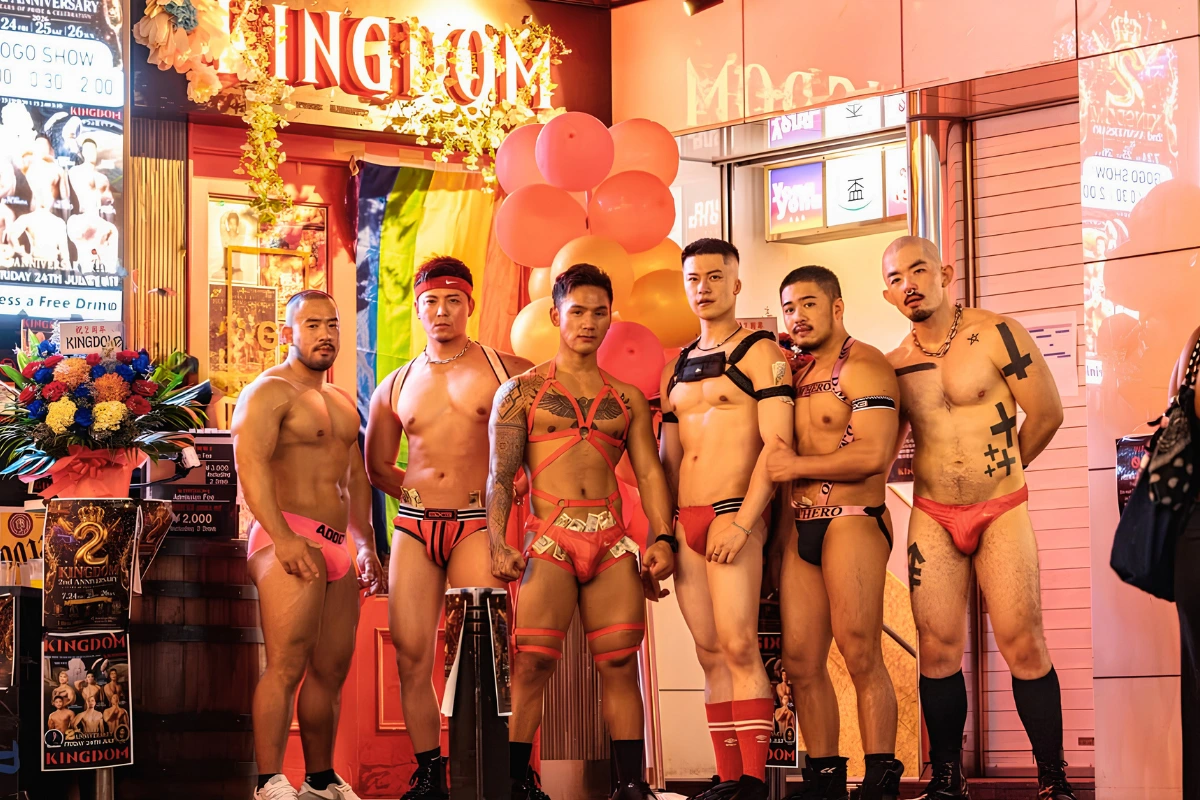
A gogo boy is a male go-go dancer who performs in nightlife settings, such as clubs, parties, and Pride events. His role is to dance, entertain the crowd, and help create the energy of the room. Performances can be sensual and outfits may be revealing, but ‘gogo boy’ does not automatically mean stripper, host, escort, or sex worker. The term also does not tell you the performer’s sexual orientation.
This article explains what gogo boys do and how the role differs from other nightlife work. We will also cover what people should know about tipping, touching, and photography.
What Do Gogo Boys Do?
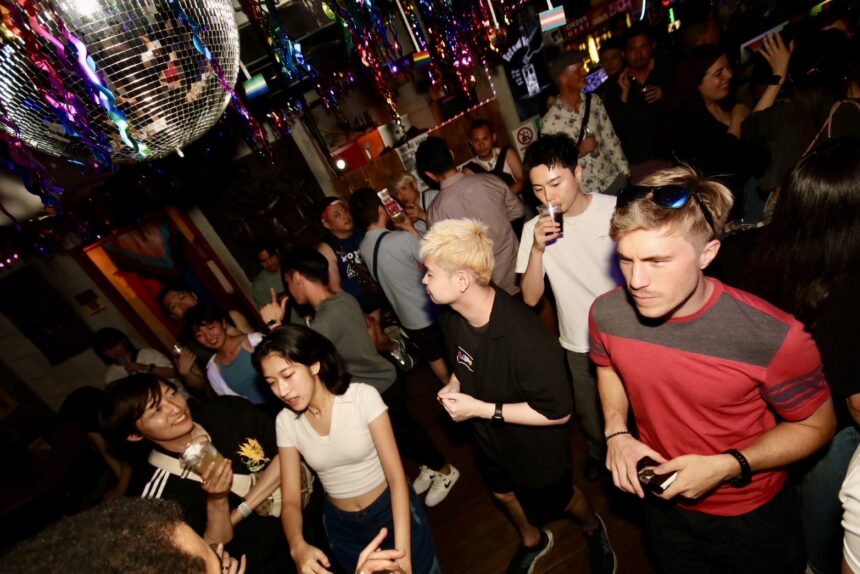
Gogo boys are performers who can be found dancing on stages, platforms, and near the dance floor, depending on the club or event. Their main role is to create and maintain the atmosphere by responding to the music, reading the crowd, and adapting to the mood of the room.
The work requires more than just being present and in the moment. Stage presence, confidence, stamina, and the ability to hold an audience’s attention all matter. Some performers work in scheduled sets, while others dance for longer or more continuous periods.
Performance styles can also vary widely. A gogo boy may wear themed costumes, revealing clothes, underwear, or another event-specific outfit. Some performers may also interact with customers, pose for photos, or accept tips, but these are not universal requirements of the job.
There is also no single way to perform the role. Some gogo performers in Japan highlight improvisation, audience energy, individual performance, and self-expression, while other performers describe similarly varied experiences.

Gogo Boy vs. Gogo Dancer: What’s the Difference?
‘Gogo dancer’ and ‘go-go dancer’ are broader terms, whereas ‘gogo boy’ generally refers specifically to a male gogo dancer.
Gogo dancers can be of different genders. The term gogo boy is particularly common in gay and LGBTQ+ nightlife, where it is used to describe male performers.
This means that every gogo boy is a gogo dancer, but not every gogo dancer is a gogo boy.
You may also see spelling variations such as go-go boy, go go boy, gogoboy, gogo dancer和 go-go dancer. These refer to related terminology rather than different occupations.
Being called a gogo boy does not mean that a performer is gay. Nor does performing at a gay venue establish someone’s sexual orientation. The term describes a performance role, not a person’s identity.
Are Gogo Boys the Same as Strippers?
Gogo boys are not the same as strippers. The terms are not synonyms, although the roles can overlap in some nightlife settings.
A gogo dancer’s central role is to dance and contribute to the atmosphere of an event. Striptease, by contrast, is built around removing clothing as part of the performance. Taking clothes off is not an essential part of being a gogo dancer.
Other nightlife roles can also be confused with gogo dancing:
| Role | Main purpose |
|---|---|
| Gogo boy | Performs by dancing and helps create the atmosphere at a club or event |
| Host | Provides social interaction and hospitality, such as talking with guests, keeping them company, and helping create a welcoming atmosphere |
| Escort | Is generally paid to accompany or spend time with a client, sometimes for social or intimate companionship |
| Sex worker | Provides sexual services in exchange for payment or another form of compensation |
None of these other services is automatically implied by the term ‘gogo boy’.
An individual performer may do more than one kind of work. However, it is better to describe the role in front of you than assume other services based on the setting. Revealing clothing, sensual performance, accepting tips, or working in a gay club does not tell you what other work a performer may or may not do.
Tipping, Touching, and Photography: Gogo Dancer Etiquette

Gogo dancing can involve close interaction with an audience, but normal boundaries still apply. Revealing clothing, flirting, proximity, or accepting tips do not create automatic permission to touch, photograph, or record a performer.
Rules can differ between venues and events, so follow the rules that apply where you are.
Do Gogo Boys Get Tips?
Sometimes gogo boys receive tips. Tipping is common in some gogo scenes, but practices vary by performer, event, venue, and country.
If tipping is accepted, follow the venue’s rules and any instructions given by the performer. Pay attention to clear cues about how tips should be given.
For example, a 2026 Japan-based account explains that a folded note can be handed over or placed at an accessible part of a costume without direct skin contact. This is one specific example, not a universal rule for gogo dancers in Japan.
A tip is a gesture of appreciation for the performance. It does not automatically buy physical contact, photographs, attention, or additional services.
There is also no single tipping amount that applies to every gogo dancer or event. If you are unsure how to tip, ask or follow the method clearly established by the venue or performer.
Can You Touch a Gogo Dancer?
You should never assume that you can touch a gogo dancer. A performer dancing sensually, wearing revealing clothing, flirting, standing close to the audience, or accepting a tip is not automatically giving permission to be touched.
Rules differ between venues and performers. In one Japan-based gogo dancer’s account, touching dancers at some events is prohibited, and tipping is handled without direct skin contact. That example shows why it is better to follow the rules of the particular setting than assume the same practice applies everywhere.
The simple rule is to respect the performer and the venue. If permission is not clear, do not touch.
Can You Photograph or Record a Gogo Dancer?
You should only photograph or record a gogo dancer when the venue’s rules and the performer’s permission or clearly communicated cues allow it.
Photography and recording rules vary between venues, events, performers, and types of performance. Being on a stage or visible to the public does not create blanket permission to take photographs or record video.
Permission for one photograph does not necessarily mean permission to record the whole performance or share the material elsewhere. When the rules are unclear, it is better to refrain than to guess.
A Short History of Go-Go Dancing
Modern go-go dancing became prominent in early-1960s nightclub culture. Collins records the term go-go dancer from the 1960–65 period.
"(《世界人权宣言》) Whisky a Go Go in West Hollywood opened in 1964 and helped popularise the American image of dancers performing above the crowd. Historical reporting on the venue describes a suspended setup involving the DJ and dancers.
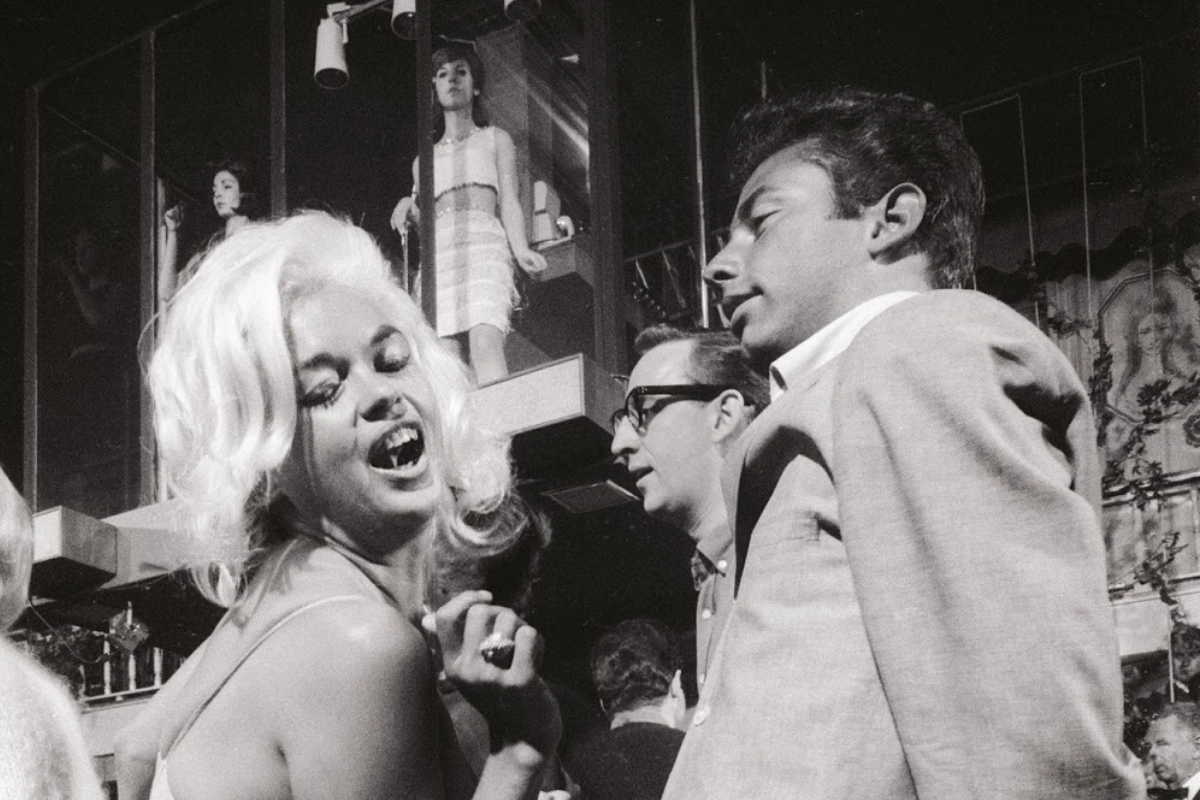
However, the history is more complicated than one club or one ‘first’ go-go dancer. Reporting also connects the venue and its name with earlier Paris discotheque culture, so the Whisky should not simply be treated as the uncontested birthplace of go-go dancing.
The key takeaway is that go-go dancing has a long connection with nightclub performance. Since then, the role has developed across different nightlife scenes and countries.
Gogo Boys in Japan
Male gogo performers remain part of Japanese gay nightlife and LGBTQ+ event programming. Their work follows the same broad idea described throughout this article, but individual performers can have very different styles and experiences.
Tokyo-based performer Naofumi Nambu has spoken about how a performance can change depending on the audience and setting. His account highlights the craft involved in developing a performance style and responding to the room.
Other performers in Japan have also described gogo dancing as paid performance work, audience interaction, and a form of self-expression.
EAGLE TOKYO GROUP provides a current example of gogo boys remaining part of Tokyo gay-nightlife programming. Its official site currently lists gogo boys as part of the EAGLE TOKYO BLUE experience, alongside DJs and drag queens. This shows that gogo boys remain part of programming at this operator, rather than proving how widespread they are across Japan.
To explore the gogo boy scene further in Japan: