

What Does It Mean to Explore Your Gender Identity?
Have you ever thought about your own gender? Like, what does it mean? How do you identify with what people have told you your gender is? Do you identify with that gender?
If you’re reading Japan Gay Guide, chances are you’ve already reflected on this at some point. How do you identify yourself?
Biologically, people are often categorized as male or female. But when it comes to identity and how we understand ourselves, gender is much more diverse. Some even say there are as many genders as there are people.
Gender identity is not about biological sex. It is about your internal sense of self, often described as your “inner gender.” It is how you understand and define your own gender. This can be fixed for some people, while for others, it may be fluid and change over time.
A Simple Guide to Understanding Gender Identity
Gender identity refers to your internal sense of what gender you are. This does not always match the sex assigned to you at birth, and it varies from person to person.
Depending on where you are, you might notice gender-neutral bathrooms in addition to men’s and women’s. These are one example of how society is starting to respect gender diversity.
In education, there is also something called Gender Transformative Education. This approach aims to challenge gender stereotypes and inequalities, encouraging people to move beyond rigid ideas of “male” and “female.” It is being promoted globally as a way to respect diverse identities.
Organizations like UNICEF and various NGOs are also working to promote gender equality. Japan Gay Guide is part of this movement too, and we are always exploring ways to share helpful information and positive energy with you.
A Beginner’s Guide to Understanding Your Own Gender
Understanding your gender identity is not about finding the “right answer.” It is about putting your inner feelings into words. There is no need to rush. Take your time and move at your own pace. When something feels right, that is enough.
Notice what feels right and what feels off
Pay attention to how you feel when you are treated as a man or a woman. What kind of language feels natural to you? What kind of appearance or clothing feels comfortable? Both discomfort and comfort are important clues.
Separate different feelings
It is easy to mix things up, so try to separate them. Your biological sex, your gender identity, your sexual orientation, and social roles like masculinity or femininity are all different.
For example, not liking “masculinity” does not automatically mean you are not a man.
Try labels as a temporary option
As mentioned earlier, gender can be fluid. You do not have to decide right away. You can try different labels like man, woman, nonbinary, or genderfluid and see how they feel.
Experiment in small ways
Experience matters more than just thinking. Try changing how people address you, your clothing, or your hairstyle. You could also ask someone you trust to treat you differently and see how it feels.
Real experiences give you the clearest answers.
Learn from others
Watch videos or read stories from people who share similar experiences. There are many people out there who feel the same way you do.
You can also join communities, attend events, or connect with others through apps. Hearing real voices can expand your understanding.
This website is also one place where you can explore and learn more. You might discover new perspectives and gain a deeper understanding of yourself.
What You Should Know About Gender Identity
Whether someone is questioning or has a clear identity, it is important to treat them with respect. You cannot tell someone’s gender just by looking at them.
Gender identity is based on personal experience. It is defined by the individual.
For example, I once met someone who identifies as nonbinary, and I used the wrong pronouns for them. It probably felt similar to having their name misread or mispronounced. I realized I may have hurt them and reflected on it afterward. That experience helped me better understand the importance of respect.
This applies to everyone, not just those who are questioning.
Do not judge based on appearance. Respect how people identify themselves. Understand that gender identity is separate from medical or legal systems.
Everyone has the right to live the way they want.
Understanding Gender Identity: Transgender vs Nonbinary
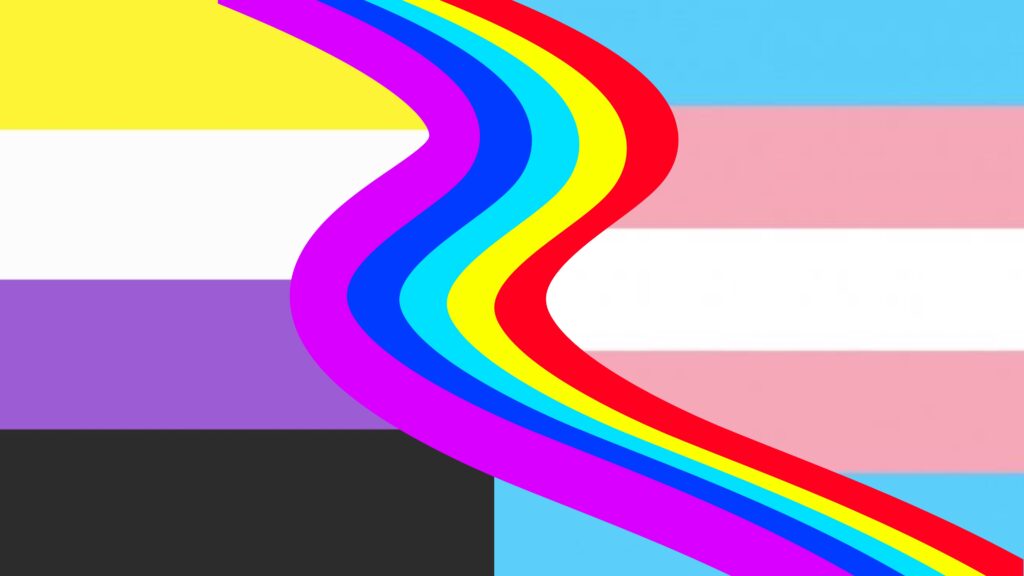
The difference between transgender and nonbinary comes down to how gender is understood.
A transgender person is someone whose gender identity is different from the sex they were assigned at birth. For example, someone assigned male at birth who identifies as a woman.
Nonbinary, on the other hand, refers to people who do not fit within the categories of male or female. Some people feel like neither, some feel like both, and some feel their gender changes over time, or depending on. circumstance.
In simple terms, transgender people often involve moving between male and female categories, while nonbinary exists outside of that binary system.
Some people consider nonbinary to be part of the transgender umbrella, but ultimately, it is up to each individual to choose the words that feel right for them.
Exploring Your Gender Identity: Where to Start
When you start thinking about your gender identity, you might feel confused and wonder who you really are. That is completely normal.
There is no correct order or fixed answer when it comes to exploring gender. What matters is taking your time and understanding yourself step by step.
Start by paying attention to your feelings. Do labels like “man” or “woman” feel right to you, or do they feel uncomfortable? Or maybe neither fits.
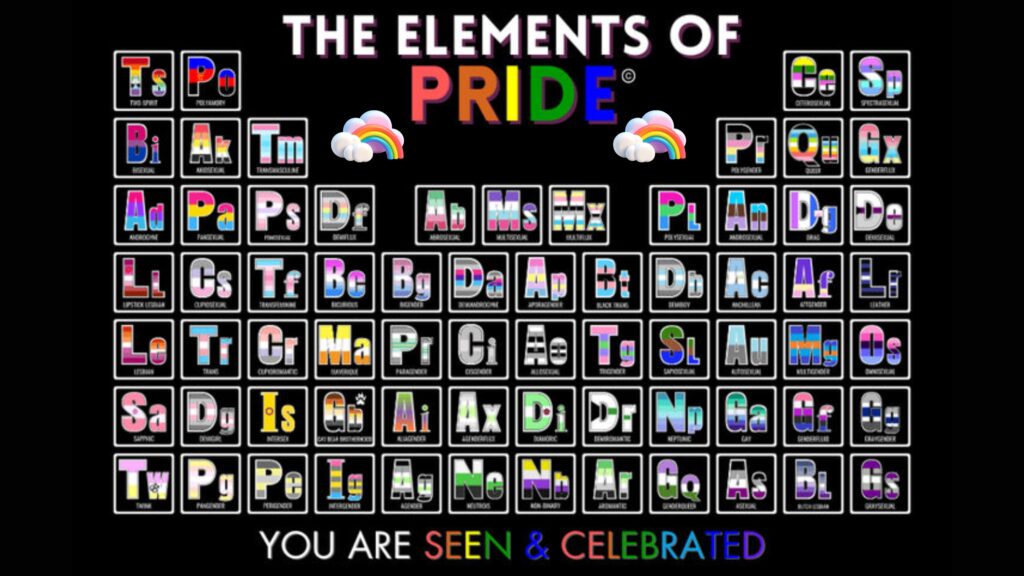
Learn about different identities like transgender, nonbinary, and genderfluid. Knowing these terms can help you better understand your own feelings. But remember, you do not have to label yourself if you are not ready.
Talking to someone you trust can also help. If that is not possible, writing down your thoughts can be just as useful.
You can also try small changes in how you express yourself, like your style, name, or how people refer to you. These small steps can give you valuable insight into what feels right.
Finally, remember that this journey can change over time. Your feelings today might not be the same in the future, and that is okay.
Take it slow. Do not compare yourself to others.
Exploring your gender identity is a personal journey toward understanding who you are.