

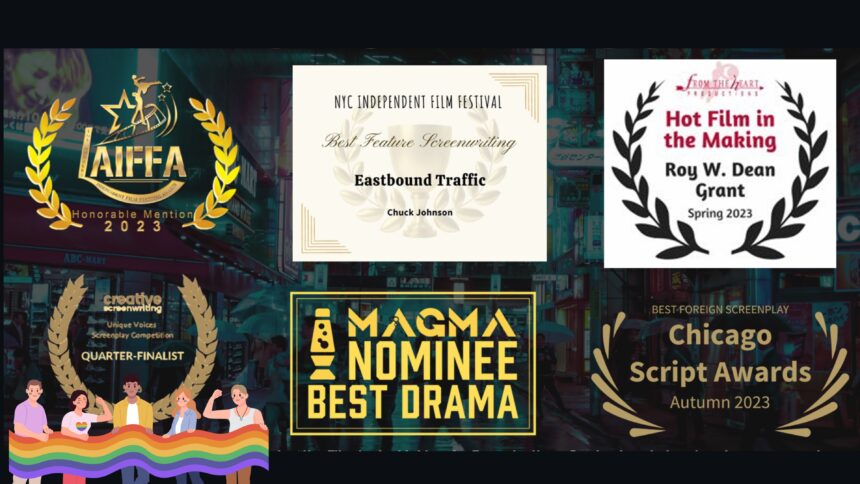

New Queer Movie: Eastbound Traffic
We are living in something of a golden age of queer movies, with the last few years having seen heartfelt dramas about aging gay men, and later this year we’ll be getting a time-travelling transgender comedy. But one thing that we seem to be missing? An action movie with a queer edge. That’s where writer, producer, director, and star Chuck Johnson and his film studio, Quiet Flame Productions, come in with their brand new movie: Eastbound Traffic.
Plot of Eastbound Traffic
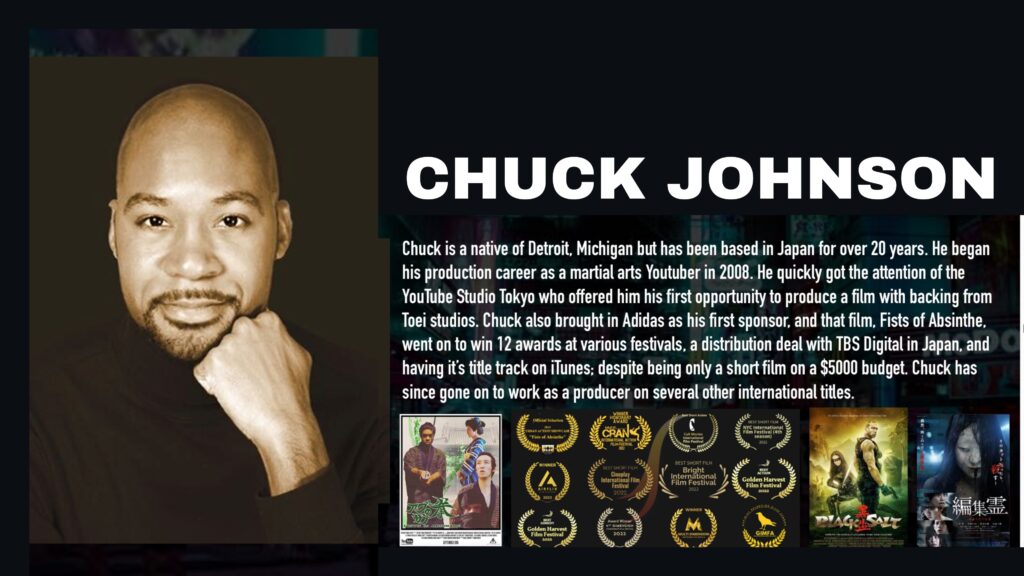
Over ten years in the making, Eastbound Traffic is based on Johnson’s own personal experiences living and working in Tokyo. Despite being one of the top stunt actors and teachers of stage and screen in Tokyo, Johnson has also borne witness to some of Tokyo’s seedier underbelly, and decided to draw upon that knowledge — and extensive research through interviewing a number of the women involved — to bring those stories to life. Like The Matrix by the Wachowskis, he hopes that the thrilling action and martial arts scenes will draw in the viewer to help them learn about a little discussed aspect of Japanese life.
We follow Adriana Ferreira, played by Paula Berwanger, a young Brazilian girl whose sister came to Tokyo and then just… seemed to vanish. She follows her path to Japan, but shortly after arriving, she finds herself in serious trouble when her wallet — holding all of her money — is stolen. After making friends with the friendly Ken, she finds work in a hostess club, run by the strict and brutal (yet, occasionally kind) Baron, played by Johnson.
While working at the club, she begins to slowly get closer to learning the truth about her sister, but also becomes more and more drawn into the seedy underbelly of Tokyo. While tourists — and indeed, many residents — see only the neon lights, hear only the noise of the crowd and vans pumping J-Pop as they drive down the street, and taste only delicious street food, Adriana (and many others) see the violence, hear the screams, and taste the regret of becoming enmeshed in the underground world of sex trafficking.
As the film goes on, Adriana becomes more determined to find her sister and leave this life behind — but each step that hardens her resolve only takes her deeper into Tokyo’s shadows. Will she be able to emerge?
LGBTQ+ Participants, On and Behind Camera
As mentioned, Johnson interviewed a number of people who were taken advantage of before starting his script, and this, of course, included a number of queer people. LGBTQ+ people (and especially transgender people) have long been vulnerable to a variety of societal dangers — such as being abandoned by their families, being subject to physical and sexual violence, and lack of interest from authorities when it comes to getting redress — that mean that they can be easy prey for the more unscrupulous among us, and Eastbound Traffic does not shy away from this.
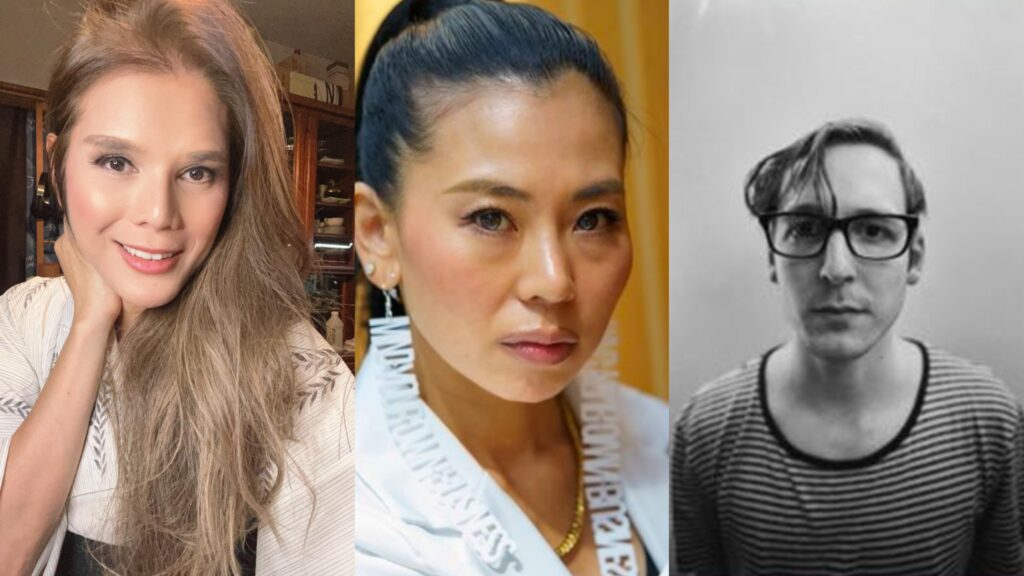
Perhaps the best example of this is the character of Angel, excellently portrayed by Tiffany Rossdale. Angel is, essentially, the Mama-san of the club. That is to say, she handles much of the running of the club’s day-to-day functions, and while she doesn’t own the club, she does keep it running. Angel is a trans woman, and while she is, ostensibly, a vital part of the running of the club, this does not make her immune from the same violence that plagues the girls lower down in the rankings (one confrontation between Angel and Baron is particularly jarring).
Rossdale herself is a transgender Filipina, and in her own life rose through the ranks of women in the upscale world of Ginza clubs and bars — all while hiding the fact that she is transgender. As such, much of Angel’s story is based on her own experiences.
Mami Sue also makes a standout performance as Miran, a bisexual hostess at the club who, while she initially seems energized and elated by her fast-paced, hedonistic lifestyle, eventually succumbs to addiction. Sue’s performance as the doomed woman is gripping, and her final scene both moving and shocking.
They were not the only queer representation that Eastbound Traffic boasts, however. The film’s director of photography is Samuel Laubscher, an Anglo-American from Atlanta, Georgia, who is non-binary. Speaking with Rossdale on her podcast, ‘Breakfast with Tiffany Show,’ Laubscher makes it clear how important it is to have diverse genders and sexualities in film: not just on camera or in the script, but also behind the scenes. Their lived experiences mean that in concert with a co-operative and open director — like Johnson — the entire film can become more layered, more complete, and ultimately higher quality.
My Thoughts
I was lucky enough to attend an early screening of Eastbound Traffic, and I was very impressed. The feelings of desperation, frustration, anger, and affection that the characters possess comes through so clearly in the actors’ performances. Rossdale’s performance is, to my mind, especially powerful.
The action is also extremely impressive, and it isn’t hard to see why Johnson wanted to make it a core part of the movie. It does, indeed, act as the “sugar” to help the “medicine” of Adriana’s bleak situation go down. Without it (and without occasional moments of friendship and focus on traditional Japanese culture) then the weight of sex trafficking in Tokyo might have been a bit much, but I found myself compelled throughout.
Eastbound Traffic may have taken a decade to come to fruition, but it is worth the wait. For anyone who wants a film that delves into the murky world of the Tokyo underground, or an action flick, or a film that is awash with queer influence, I couldn’t recommend it any higher.