
Big Win for Non-binary Japanese Poet
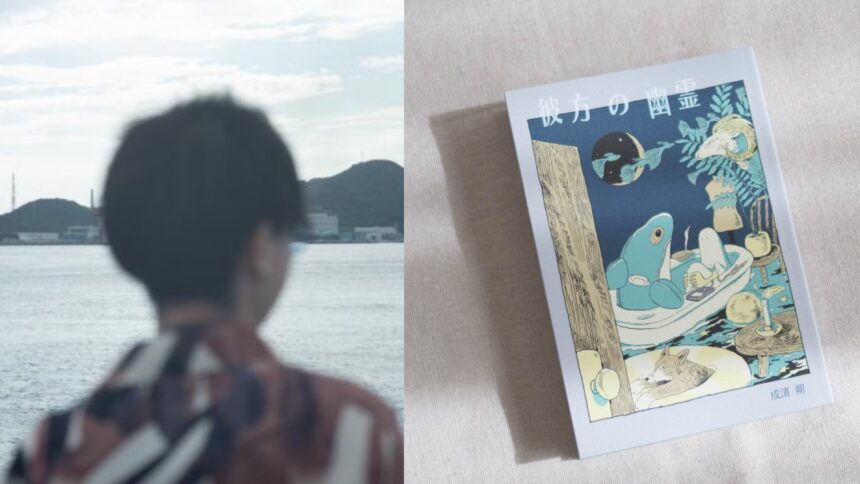
International Non-Binary People’s Day, on July 14, might be some time away, but those betwixt and beyond the binary have reason to be happy every day, and 29 April, 2026 was no different. That was the date that Saku Narikiyo, a non-binary Japanese writer and poet, won the 31st Nakahara Chūya Prize. The Kyoto-based writer’s first book of poetry, “The Ghost Beyond,” was selected as the winner among 267 entries.
The Nakahara Chūya Prize
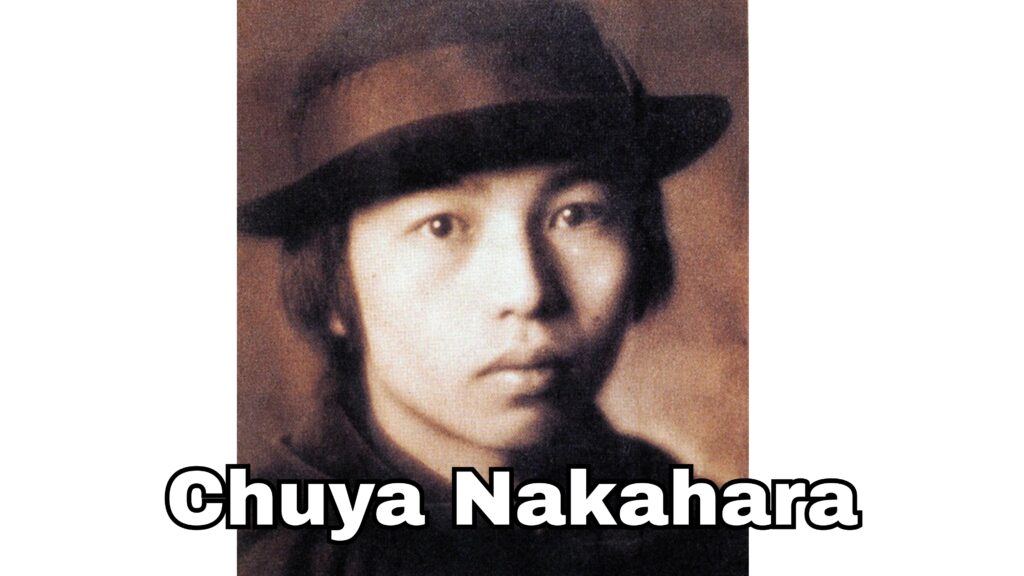
Established in 1996 in Yamaguchi, the prize is named for one of the city’s most prominent poets of the 20th Century. Born in 1907, Nakahara was given a harsh education by his father, who expected him to follow him in his footsteps to become a doctor. However, the loss of his younger brother, and the need he felt to express his feelings in verse, led him to walking the path of literature. He eventually grew to be admired not only for his skill at traditional tanka poetry, but also for his affinity for Dadaist verse, and came to be known as “Dada-san” among some contemporaries, before passing of disease at the age of 30.
Today, the Nakahara Chūya Prize is given annually to one poet whose work is considered to be possessed of “fresh sensibility.” The five judges this year were unanimous that Narikiyo’s work was the most deserving of the prize. Let’s take a closer look at the judge’s response to Narikiyo’s work.
Judges’ Verdicts
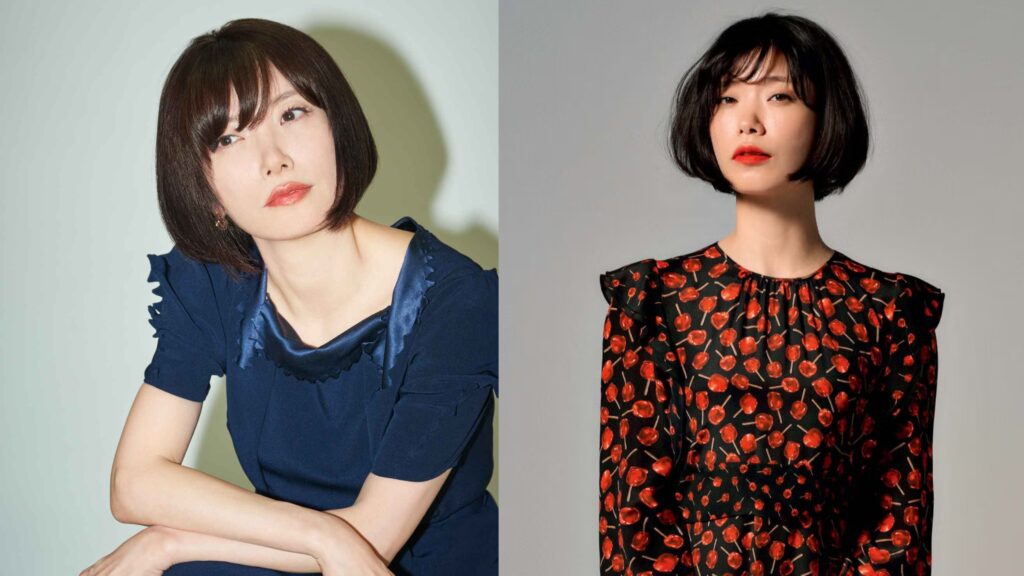
One, Mieko Kawakami said that Narikiyo’s poetry “quietly exposes the sexuality and difficulties of various things,” and went on to say, “I don’t think it has ever been spoken of in this voice, in this writing, from this place. It is a wonderful collection of poems, quiet and full of freshness.”
At the award ceremony, fellow poet Mimi Hachikai said, “It is fresh and captures the atmosphere of the times. There are words throughout the collection that seem to set us free,” and “It delicately translates the intersection of general and individual perspectives on the living human body into words.”
Another poet and judge, Naha Kanye, agreed that “It is a work that confronts the discomfort between established values and gender head-on, and is created in a way that can only be expressed through Narikiyo’s poetry.”
Extracts from Narikiyo’s Speech
Narikiyo is a private person, and does not make public appearances. However, they did write a speech, to be given when one of their friends collected the award on their behalf. While the written text is no substitute for hearing it said aloud, please allow us to furnish you with some extracts from their oratory.
“I’ve always had the feeling that I don’t have the words to describe myself. The truth melts away the moment you put it into words, like snow. Amidst the many events I’ve come to terms with by giving up or letting go, there are things I just couldn’t let go of, and perhaps I’m writing to confirm that I’m still firmly holding onto them.
“To my past self from four years ago, who wrote, “Remember this on the day you can think, ‘I’m glad I didn’t die,'” I want to respond from this point in time: I’m still writing.
“As those who have seen the press release for the Chūya Nakahara Prize may know, I am a queer non-binary. Until now, I’ve always been in the closet. I had no intention of disclosing my gender unless specifically asked. When I applied for the Nakahara Chūya Prize, there was a section on the application form for gender, so I wrote “asexual.” Being forced to choose a gender or being asked to describe it gives me the unsettling feeling of having a societal label attached to me, and I still can’t get used to it.
“No matter what I’m named, even if I formally understand that it refers to me, I feel like it’s calling out some superficial part of myself that peels away every day, and living as myself has always been a continuous process of stopping and confronting that sense of unease. For example, being judged by others as a person of one gender or the other based on appearance, hairstyle, clothing, voice, behavior, words, or even name—whether consciously or unconsciously—is the worst thing for me, either way.
“Narikiyo Saku is a writer in their own words. I explicitly reject being reduced to gender, being called by any pronoun, and I desire complete freedom in this language that connects my inner and outer selves. For this reason, I am speaking today using the voice of a moderator.
“One of the motivations for creating ‘The Ghost Beyond’ was to provide courage for living. For my future self, or for someone who might one day encounter these poems: it was a feeling of gratitude for something that I find truly valuable. Even though I can’t physically touch it, I believe its presence offers a comforting strength, like a hand holding mine, a gentle push forward, a palpable warmth. I believe that this courage has allowed me to live through a considerable amount of time, and within that continuous flow of time, I was able to discover words.
“Finally, to the ghosts beyond, addressed to this poetry collection, even if you, or we, cannot find the words to express ourselves, even if we have to give up something or come to terms with something, even if we are in the closet, even if we are lost or feel like dying, the truth within you, and within us, will never be diminished.
“May we meet someday. May you have good days, and good parades.”